Is Turkey Safe for UK Tourists? A Calm, Practical Guide (No Scare Stories)
TR Pasif.
Hızlı Özet
- • bölgesinde gezilecek en iyi yerler
- •Yerel restoran ve kafe önerileri
- •Konaklama seçenekleri ve fiyat aralıkları
- •Ulaşım bilgileri ve ipuçları
İçindekiler
Is Turkey Safe for UK Tourists? A Calm, Practical Guide (No Scare Stories)
- Most UK visitors have a smooth, incident‑free holiday in Turkey, especially in established coastal resorts like Antalya, Bodrum, Marmaris and Fethiye.
- Tourist areas around Antalya’s Lara Beach, Konyaaltı Beach, Side old town, Bodrum Marina, Gümbet and Fethiye’s Çalış Beach are typically well‑patrolled and geared towards international travellers.
- Use common big‑city habits in Istanbul (around Taksim, İstiklal Caddesi, Sultanahmet, Eminönü): watch your bag, use licensed taxis or known ride‑hailing apps, and agree meter or fare before you set off.
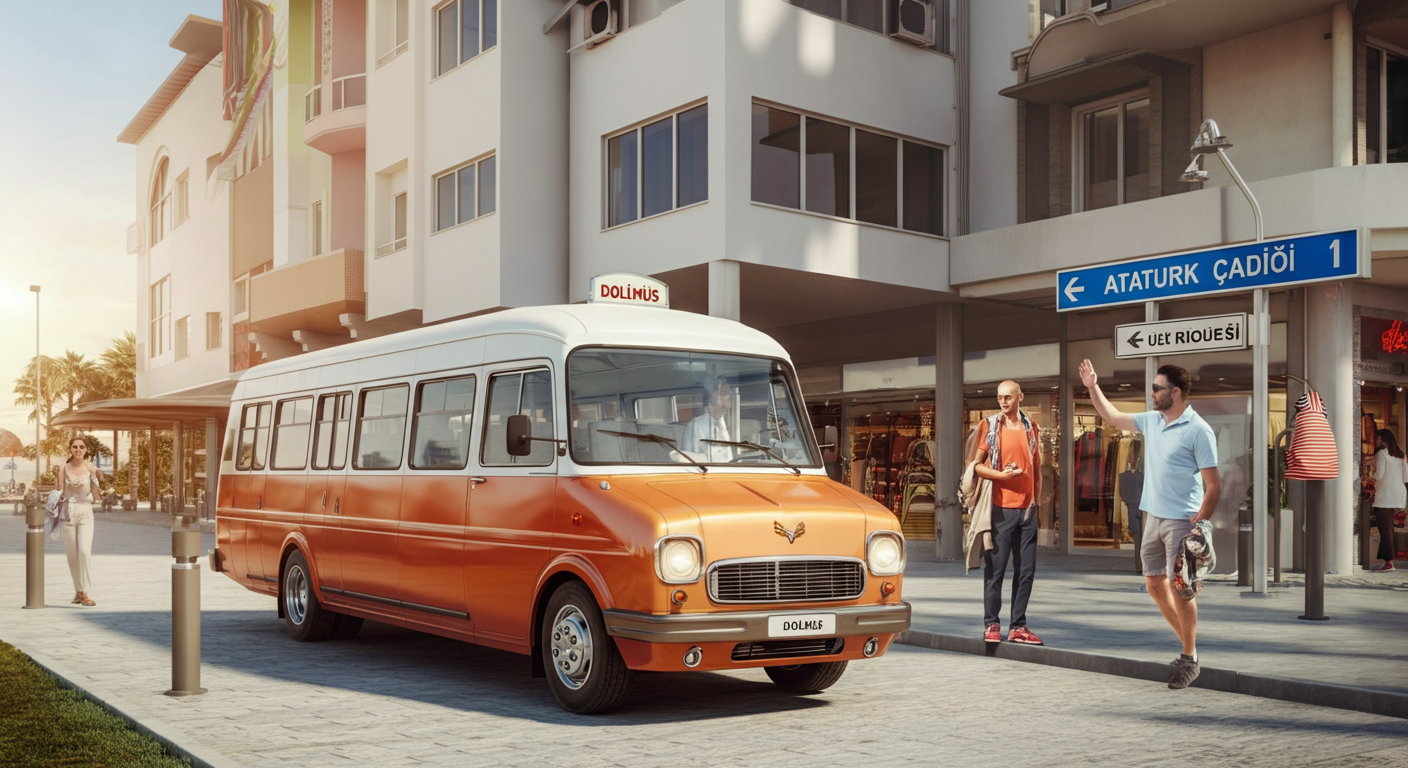
- Public transport such as dolmuş minibuses in Antalya (e.g. the LC07 Lara–Konyaaltı line) and Bodrum (e.g. Bodrum–Bitez–Gümbet routes) is widely used by locals and tourists; keep small cash and hold your bag in front in crowded vehicles.
- Beachfront promenades like Konyaaltı Caddesi in Antalya, Atatürk Caddesi in Kuşadası, and Kordon Boyu in Izmir feel lively and are popular evening strolling spots for families.
- Tap water is generally treated but many locals drink bottled; use bottled water for drinking and brushing teeth if you have a sensitive stomach.
- Check the latest UK Foreign, Commonwealth & Development Office (FCDO) advice for regional updates and any changes close to the Syrian or Iraqi borders.
- Travel insurance with medical cover, EHIC/GHIC equivalent is not valid in Turkey; always have cover for medical treatment, cancellations and belongings.
- Dress codes are relaxed in coastal resorts but more modest in mosques, local neighbourhoods and inland towns; carry a light scarf or cover‑up.
- Card payments are common in tourist areas, but keep small Turkish lira notes for dolmuş fares, local bakeries and markets.
Turkey is generally considered a straightforward holiday destination for UK tourists, with millions visiting each year without problems, especially in well‑known coastal resorts and central areas of Istanbul. The main safety considerations are similar to other Mediterranean destinations: sensible precautions in busy city districts, care with road traffic, sun and heat, and staying updated on official advice for border regions.
Introduction: What “Safe” Really Means for a Holiday in Turkey
When UK travellers ask if Turkey is safe, they usually mean three things: everyday crime, political or regional issues, and practical health and transport concerns. This guide focuses on how those feel on the ground in places you are likely to visit: Istanbul, Antalya, Bodrum, Marmaris, Fethiye, Izmir, Kuşadası, Cappadocia and Pamukkale.
Rather than broad statements, this guide uses specific examples: which streets feel busy at night, how dolmuş routes work, what beach areas are like after dark, and how locals actually get around. It is designed for UK travellers who want a relaxed holiday, not anxiety.
For broader planning, you may also want to read full Turkey holiday planning guide for UK travellers and where to stay on the Turkish coast.
1. Overall Safety Picture for UK Tourists
1.1 Tourist Areas vs Border Regions
Most UK visitors stick to the west and south coasts and the main cities. These are far from the Syrian and Iraqi borders that sometimes appear in news reports.
- Heavily touristic areas: Istanbul (European and Asian central districts), Antalya region (Lara, Konyaaltı, Belek, Side, Kemer), Muğla province (Bodrum Peninsula, Marmaris, Fethiye, Ölüdeniz), Izmir region (Çeşme, Alaçatı), Aegean coast (Kuşadası, Didim) and Cappadocia (Göreme, Ürgüp, Uçhisar).
- Areas to check FCDO advice for: Provinces directly bordering Syria and Iraq. Always confirm on the official FCDO website before finalising travel.
Simple rule: If you are flying into Antalya, Dalaman, Bodrum-Milas, Izmir Adnan Menderes or Istanbul airports and heading to established coastal resorts or central city districts, you are typically a long way from higher‑risk border areas.
1.2 Everyday Crime and Hassle
In tourist hubs, you will encounter the same low‑level issues seen in many European cities: pickpocketing in crowds, minor scams, over‑charging, and insistent sales tactics in some markets.
- Pickpocket hotspots in Istanbul: around İstiklal Caddesi near Taksim Square (especially evening crowds), Eminönü waterfront and the ferry piers, the Grand Bazaar (Kapalıçarşı) corridors, and tram stops along Divan Yolu Caddesi in Sultanahmet.
- Resort‑area crowds: bar streets in Marmaris (around Barlar Sokağı off Atatürk Caddesi), Bodrum’s Cumhuriyet Caddesi and Dr. Alim Bey Caddesi, and nightlife streets in Gümbet and Kuşadası’s Kaleiçi area.
UK‑friendly tip: Use the same precautions you would on a Friday night in a busy UK city centre: keep valuables zipped, limit alcohol if you are out late, and stick to main, lit streets rather than back alleys.
2. Area‑by‑Area Safety: Where UK Tourists Actually Go
2.1 Istanbul: Big City Energy, Manageable with Common Sense
Istanbul feels like a blend of London, Rome and Athens in terms of bustle. The main holiday‑relevant areas include:
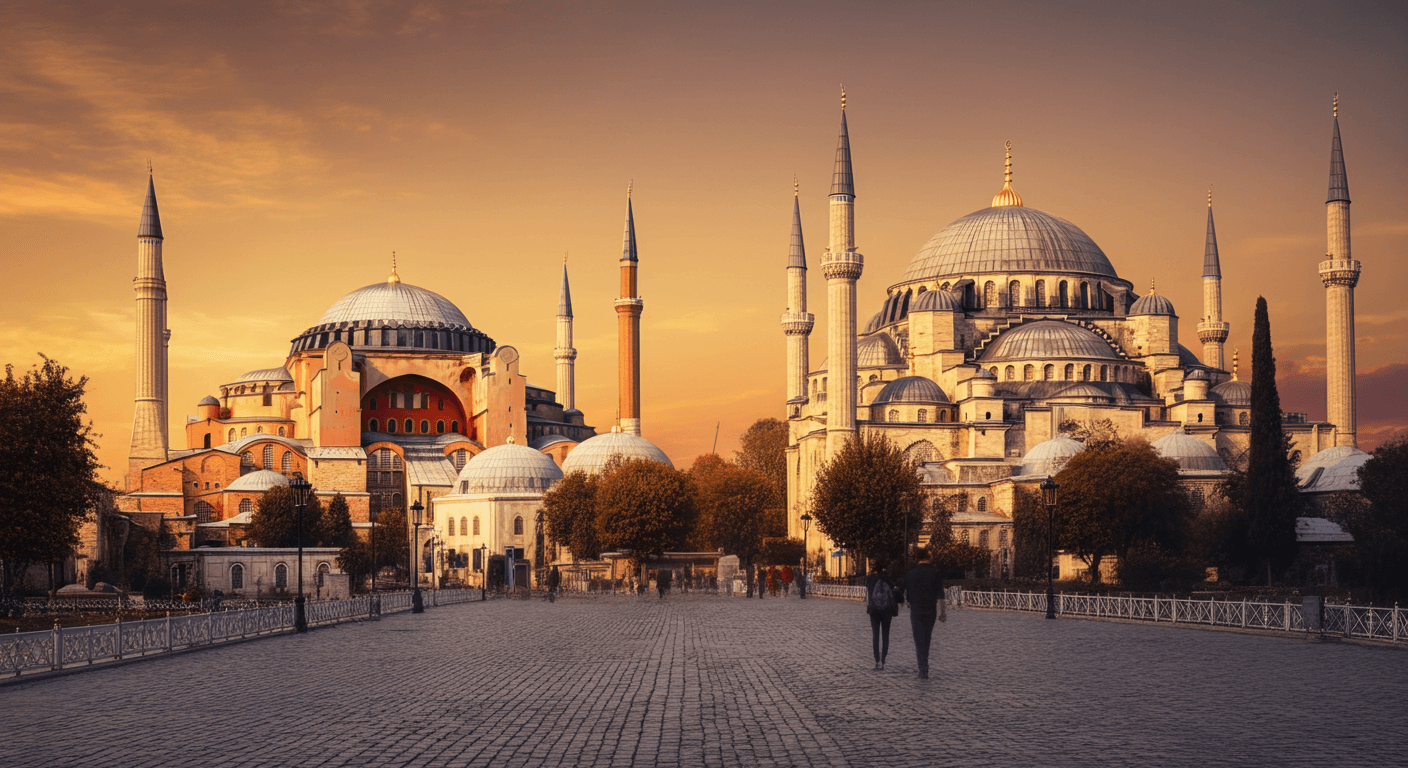
- Sultanahmet & Historic Peninsula: Around Sultanahmet Square, Hagia Sophia, Blue Mosque, and along Divan Yolu Caddesi. Busy with tour groups by day, calmer but still active in the evening.
- Eminönü & Sirkeci: Ferry piers on Reşadiye Caddesi, spice market around Rüstem Paşa Camii, and the lower end of the Galata Bridge.
- Taksim & İstiklal Caddesi: Pedestrian avenue from Taksim Square down to Galata Tower. Very lively late into the night, full of shops, cafés and bars.
- Karaköy & Galata: Steep lanes such as Bankalar Caddesi and Kemeraltı Caddesi leading up from the waterfront to the Galata area.
- Asian Side (Kadıköy & Moda): Around Bahariye Caddesi, Moda Caddesi and the seafront promenade towards Fenerbahçe.
Key practical points:
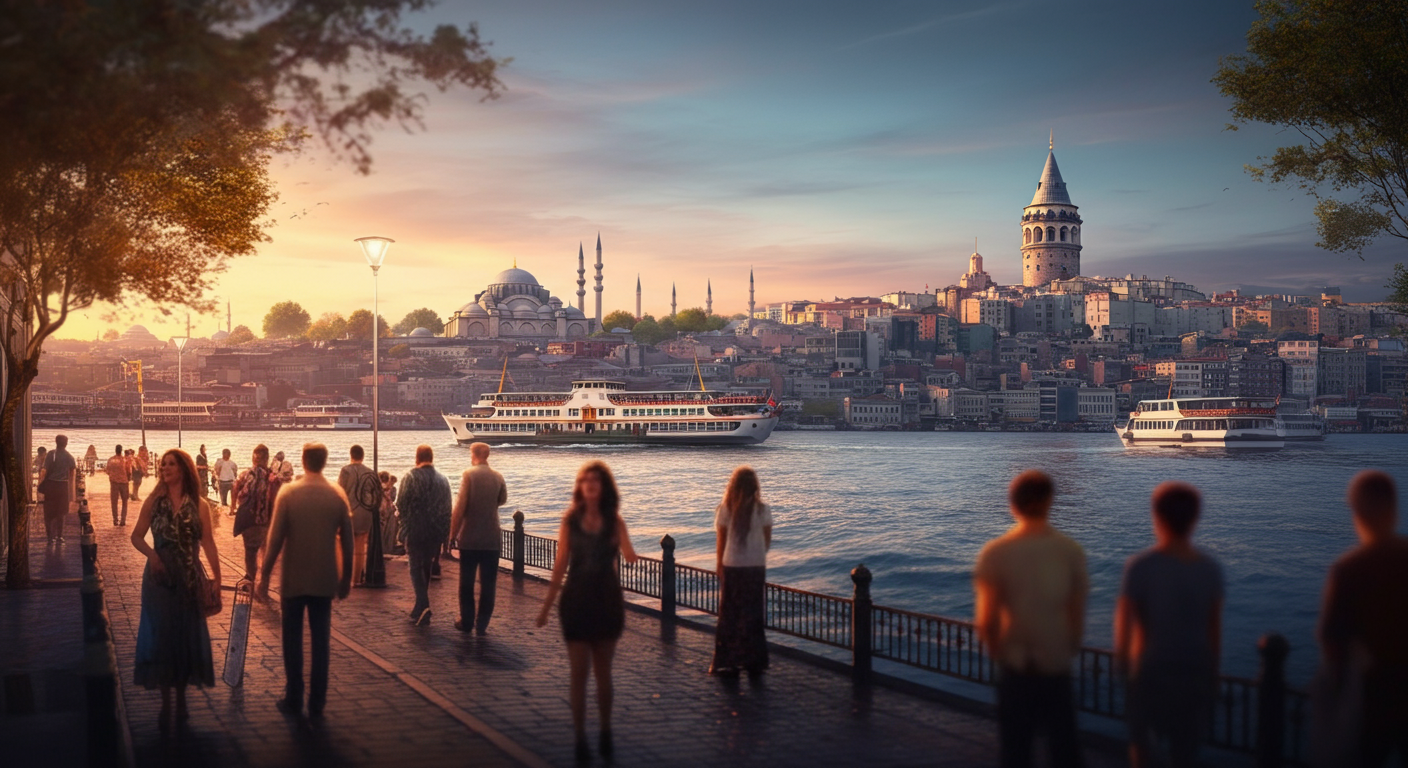
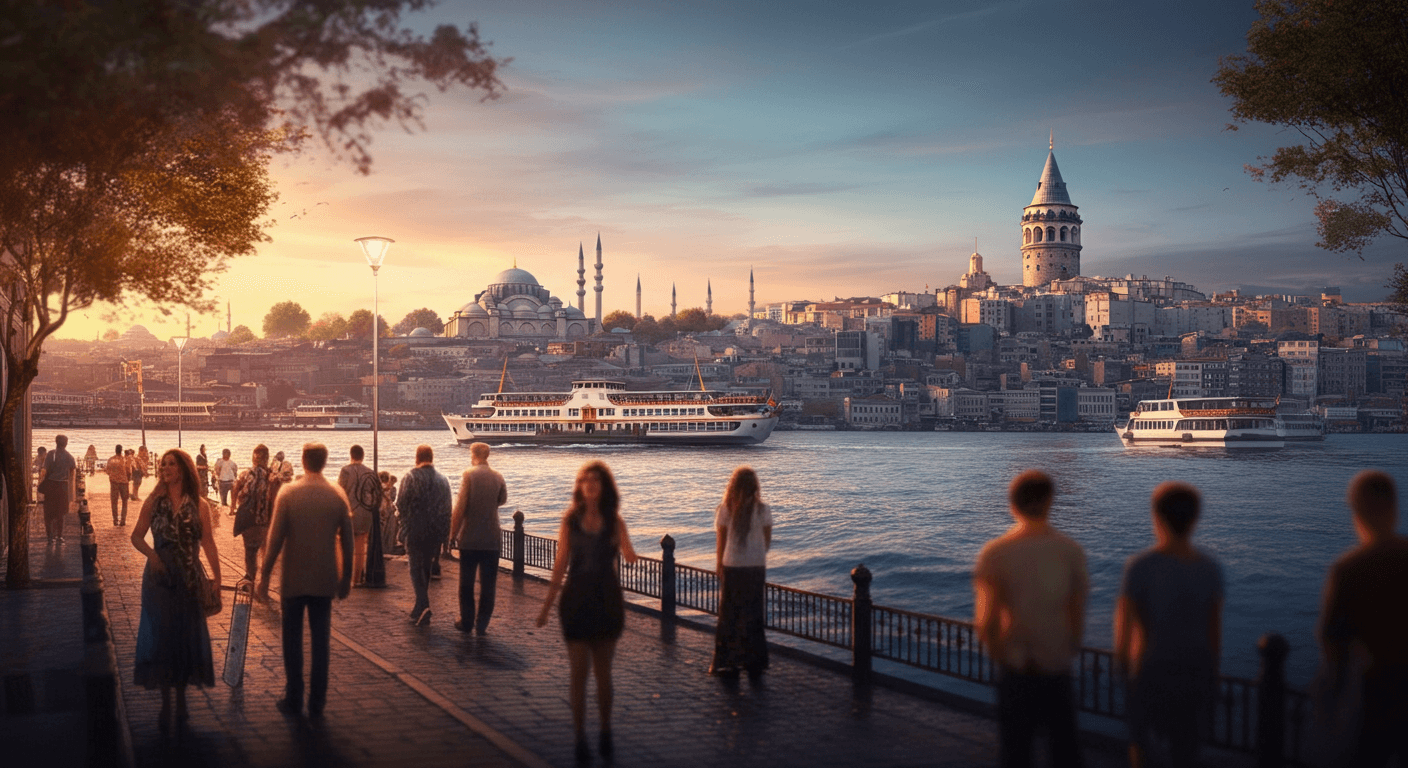
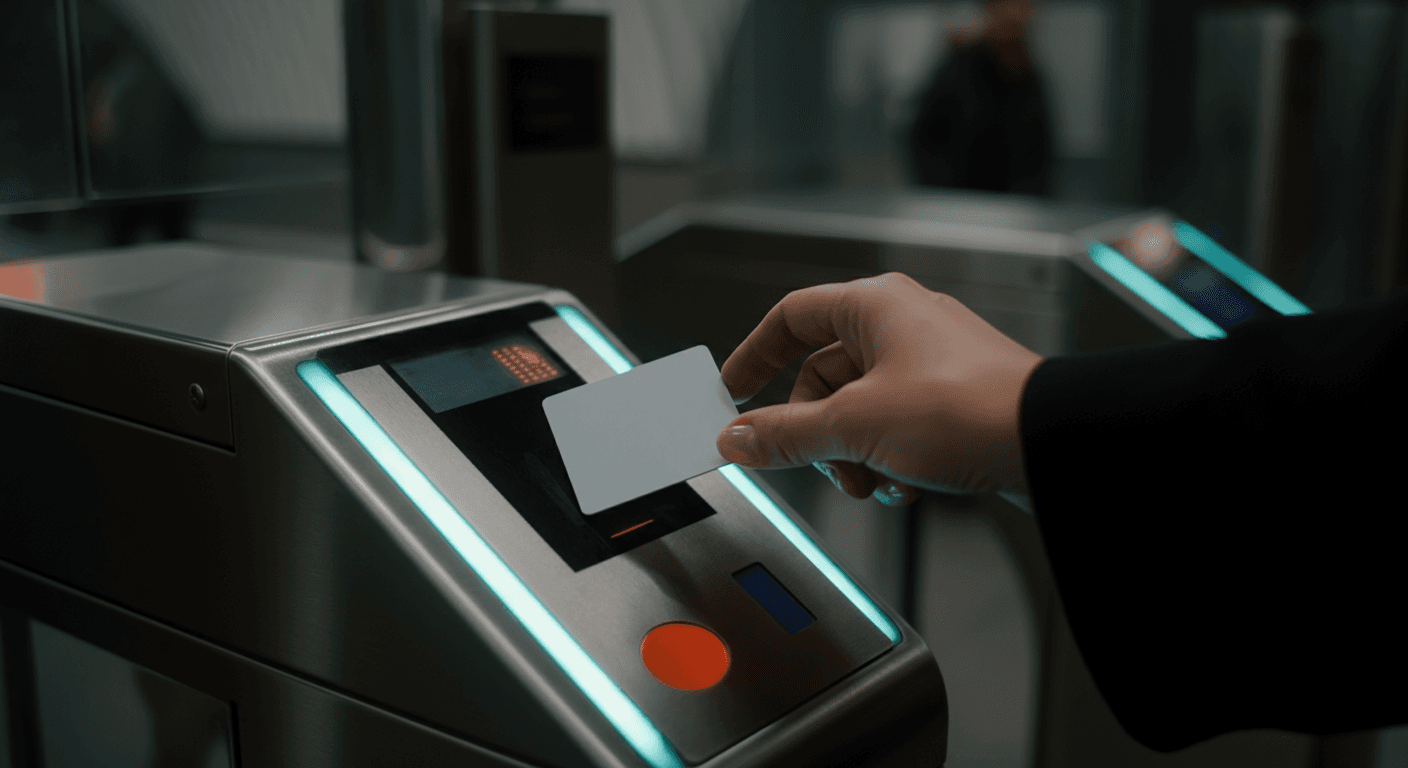
- Use the İstanbulkart contactless card for trams (T1 to Sultanahmet), metro (M2 to Taksim), ferries and buses; it reduces faff with cash.
- Licensed yellow taxis display plates beginning with 34 and have a meter; confirm it is running when you set off. Avoid taxis that refuse the meter and insist on a fixed price for short journeys between, say, Taksim and Sultanahmet.
- Be cautious of over‑friendly strangers inviting you to bars in side streets off İstiklal Caddesi. Politely decline if you feel pressured.
Tap in with your İstanbulkart at the barriers for the T1 tram (Bağcılar–Kabataş). In peak hours around Eminönü, Gülhane and Sultanahmet, keep your bag in front of you and move inside the carriage to avoid being squeezed near the doors, where pickpockets sometimes operate.
2.2 Antalya Region: Beach Resorts, Old Towns and Dolmuşes
Antalya province is one of the most popular regions for UK package holidays. It combines city beaches, historic centres and self‑contained resort areas.
- Antalya city:
- Konyaaltı Beach area along Akdeniz Bulvarı and the seafront park; popular with families, joggers and cyclists.
- Lara Beach strip along Lara Caddesi and Güzeloba Mahallesi; long, sandy coastline with many large accommodation complexes.
- Kaleiçi old town: cobbled lanes off Atatürk Caddesi, down towards the old harbour (Yat Limanı).
- Side: pedestrianised old town near the Temple of Apollo and the ancient theatre, with beachfront promenades on both the east and west beaches.
- Belek: golf‑oriented area set back from the coast, reachable by dolmuş from Antalya Otogar and by transfer from the airport.
- Kemer: coastal road via D400, marinas and pebble beaches with mountain backdrops.
The dolmuş system is central to getting around:
- In Antalya, minibuses like LC07 run from the Lara region to Konyaaltı via the city centre; you can flag them down along Güzelyalı Caddesi or main streets.
- Another common route is between Antalya Otogar (bus station) and nearby districts such as Kepez and Muratpaşa.
Simple rule: Sit near the front at night, keep your bag on your lap, and have small notes ready (5–20 TL). Dolmuş drivers are used to tourists; say the area name (e.g. “Lara, Duden Park”) and they will usually nod when to get off.
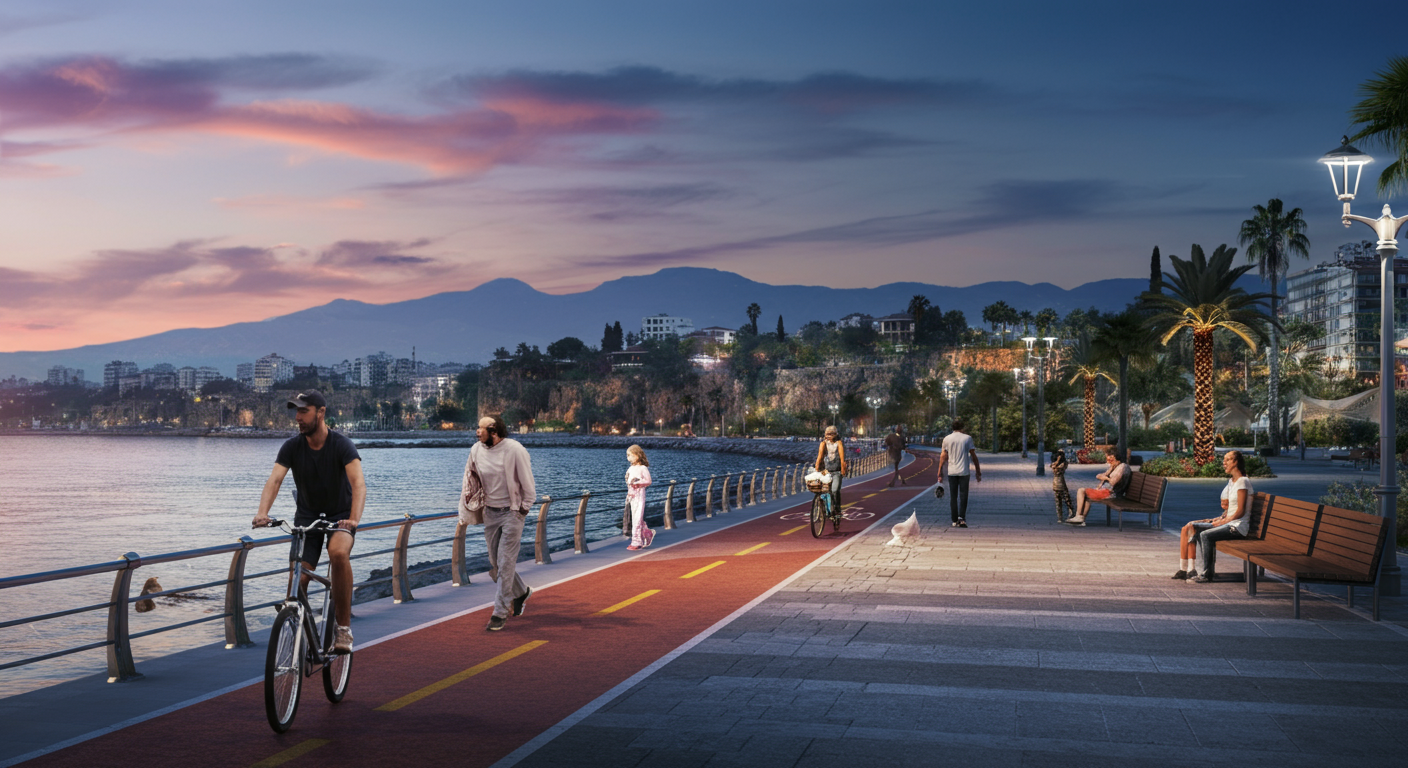
The Konyaaltı seafront promenade has a wide cycle lane and walking path with street lighting and regular police patrols in the evening. Stay on the main promenade rather than the unlit beach itself late at night, and use the zebra crossings on Akdeniz Bulvarı; traffic can move quickly.
2.3 Bodrum Peninsula: Harbours, Bar Streets and Quiet Bays
Bodrum is a peninsula with a mix of nightlife centres and calmer villages. Distances are short, and dolmuş routes connect most coves and bays.
- Bodrum town: around the marina and castle area (Cevat Şakir Caddesi, Neyzen Tevfik Caddesi), with a lively bar street along Cumhuriyet Caddesi.
- Gümbet: known for nightlife concentrated around the main bar street off the beachfront road.
- Bitez: more laid‑back, with a long beachfront promenade and shallow bay.
- Yahşi, Ortakent and Turgutreis: quieter stretches of beach with a mix of family‑run pensions and larger resorts.
Dolmuş routes typically run:
- Bodrum–Gümbet–Bitez loop, starting from the dolmuş station near Bodrum’s main bus terminal on Cevat Şakir Caddesi.
- Bodrum–Yahşi–Ortakent, following the road through inland villages down to the coast.
- Bodrum–Turgutreis, hugging the south shore of the peninsula.
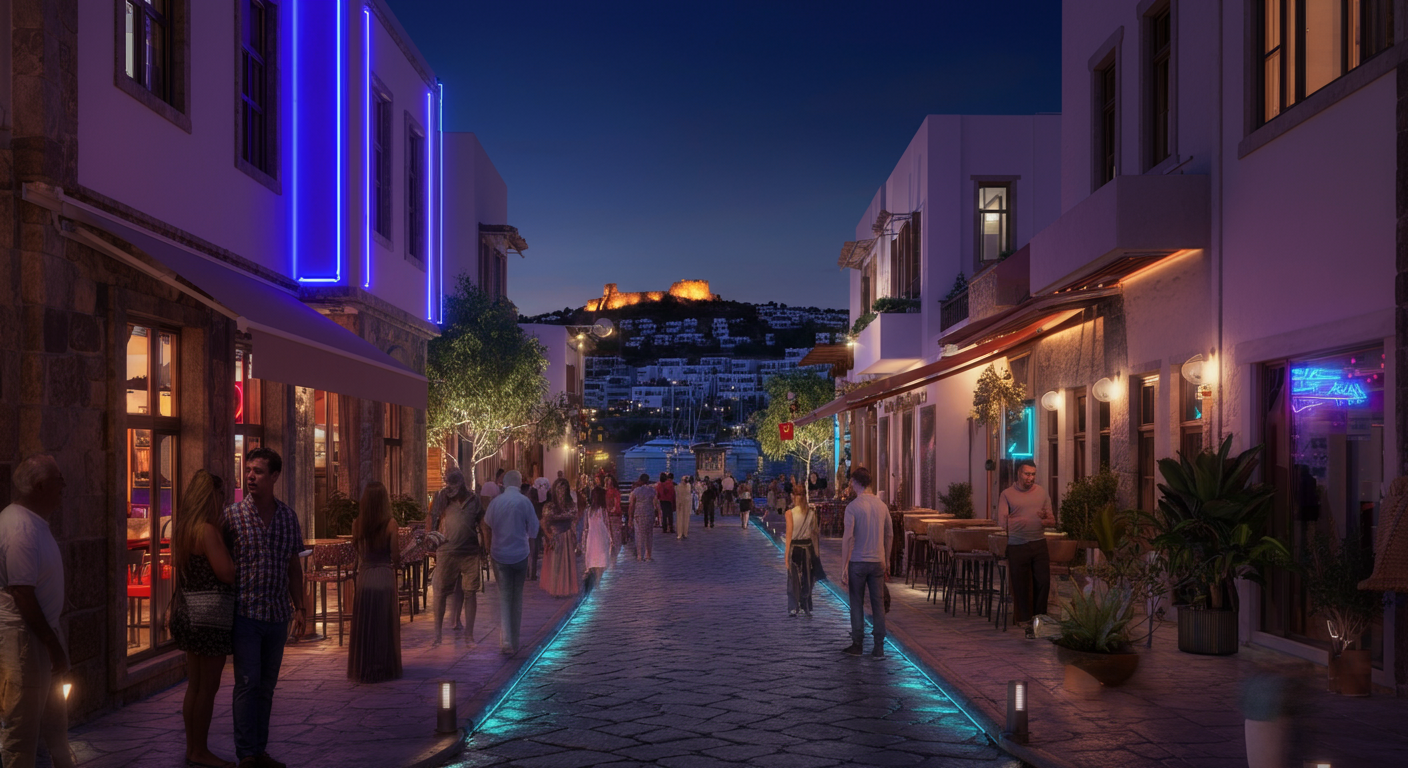
UK‑friendly tip: Late at night in Bodrum and Gümbet, use marked taxis from official ranks on Cumhuriyet Caddesi or near the marina rather than accepting offers from unmarked cars, even for short distances like Bodrum–Gümbet.
2.4 Marmaris, Fethiye & Dalaman Coast
This stretch of the Turquoise Coast is packed with UK‑facing resorts.
- Marmaris: a long beachfront walkway along Uzunyalı, marina area by Atatürk Caddesi, and a concentrated nightlife strip around Barlar Sokağı.
- İçmeler: a short dolmuş ride from Marmaris, with a gently shelving beach and mountain backdrop.
- Fethiye: harbourfront along Cumhuriyet Mahallesi and Fevzi Çakmak Caddesi, with the famous Çalış Beach across the bay, accessible via water taxi or dolmuş.
- Ölüdeniz: blue lagoon area and paragliding launch from Babadağ; reached by dolmuş from Fethiye’s main dolmuş station near Mehmet Akif Ersoy Caddesi.
The atmosphere in these towns is usually relaxed and family‑oriented during the day, with livelier nightlife in specific pockets. Most incidents reported by travellers involve lost belongings after heavy drinking, minor disputes over bar bills, or moped accidents, rather than deliberate crime.
2.5 Cappadocia, Pamukkale and Inland Destinations
Inland areas like Cappadocia and Pamukkale are quieter, small‑town destinations with early nights and strong police presence around main sights.
- Cappadocia: villages like Göreme, Ürgüp and Uçhisar are compact; main streets such as Müze Caddesi (Göreme) are easy to navigate and feel calm by evening.
- Pamukkale: cluster of guesthouses around Atatürk Caddesi leading up to the travertine terraces and Hierapolis entrance.
Risks here are more about terrain and weather than crime: uneven paths on rock formations, steep valley walks, early morning balloon flights in Cappadocia (use licensed operators and check insurance), and hot midday sun.
3. Transport Safety: From Planes to Dolmuşes
3.1 Airports and Transfers
Holiday‑relevant airports include: Istanbul Airport, Sabiha Gökçen, Antalya, Dalaman, Bodrum-Milas and Izmir Adnan Menderes.
- Official shuttles: Companies like HAVAİST or municipal shuttles typically run fixed‑price buses from airports into city centres (e.g. Istanbul Airport to Taksim via D020 motorway, Antalya Airport to city centre and Lara).
- Resort transfers: Package holidays usually include coach transfers. Independent travellers can pre‑book shuttles or private transfers; always confirm pick‑up location inside the arrivals hall.
- Taxis: Use the official ranks directly outside terminals; avoid offers from individuals inside the arrivals area.
3.2 Dolmuş and Intercity Coaches
The dolmuş is a shared minibus, common in coastal resorts and cities.
- Look for signs in the front window showing routes like “Marmaris–İçmeler”, “Bodrum–Bitez” or “Antalya–Lara”.
- Press the buzzer or say “inecek var” (pronounced roughly “in‑eh‑jek var”) when you want to get off.
- Fares for short hops are usually modest; if unsure, show a 20 TL note and the driver will give change.
For longer distances, intercity coaches go from main bus terminals such as Antalya Otogar, Bodrum Otogar and Fethiye Otogar. They usually include allocated seats, air‑conditioning and tea/coffee stops.
On some long‑distance coaches, solo women can request to sit next to another woman. If you prefer this, mention it when buying your ticket at the counter (“bayan yanına” means “next to a woman”).
3.3 Taxis, Ride‑Hailing and Walking
Taxis:
- In cities like Istanbul, Antalya and Izmir, yellow taxis with visible plates and roof signs are standard.
- Insist on the meter; for short runs such as Sultanahmet–Eminönü or Konyaaltı–Kaleiçi, drivers may prefer a fixed fare, but you can ask for the meter by saying “taksimetre lütfen”.
- Keep small notes to avoid disputes over change.
Walking:
- Pavements are generally safe but can be uneven. Watch for scooters using the roadside, particularly around İstiklal Caddesi side streets and resort backstreets.
- Use pedestrian crossings on major roads like D400 near Antalya and Dalaman, or main boulevards such as Atatürk Caddesi in many towns.
4. Health, Food and Water Safety
4.1 Drinking Water and Food Hygiene
In many Turkish cities, tap water is treated but not always enjoyed for taste; locals frequently drink bottled water. In resort towns, accommodation almost always provides bottled water.
- For drinking and brushing teeth, UK tourists often stick to bottled water, especially in the first couple of days.
- Ice in drinks in busy tourist bars and beach clubs is generally made from treated water, but if you have a sensitive stomach you can ask for drinks without ice (“buzsuz”).
Food standards in busy, well‑reviewed restaurants are typically good. Street food is also common and popular among locals.
- Look for high turnover places, especially for items like kokoreç or midye dolma (stuffed mussels) around Karaköy, Beşiktaş Çarşı, Kadıköy market, or seafront promenades.
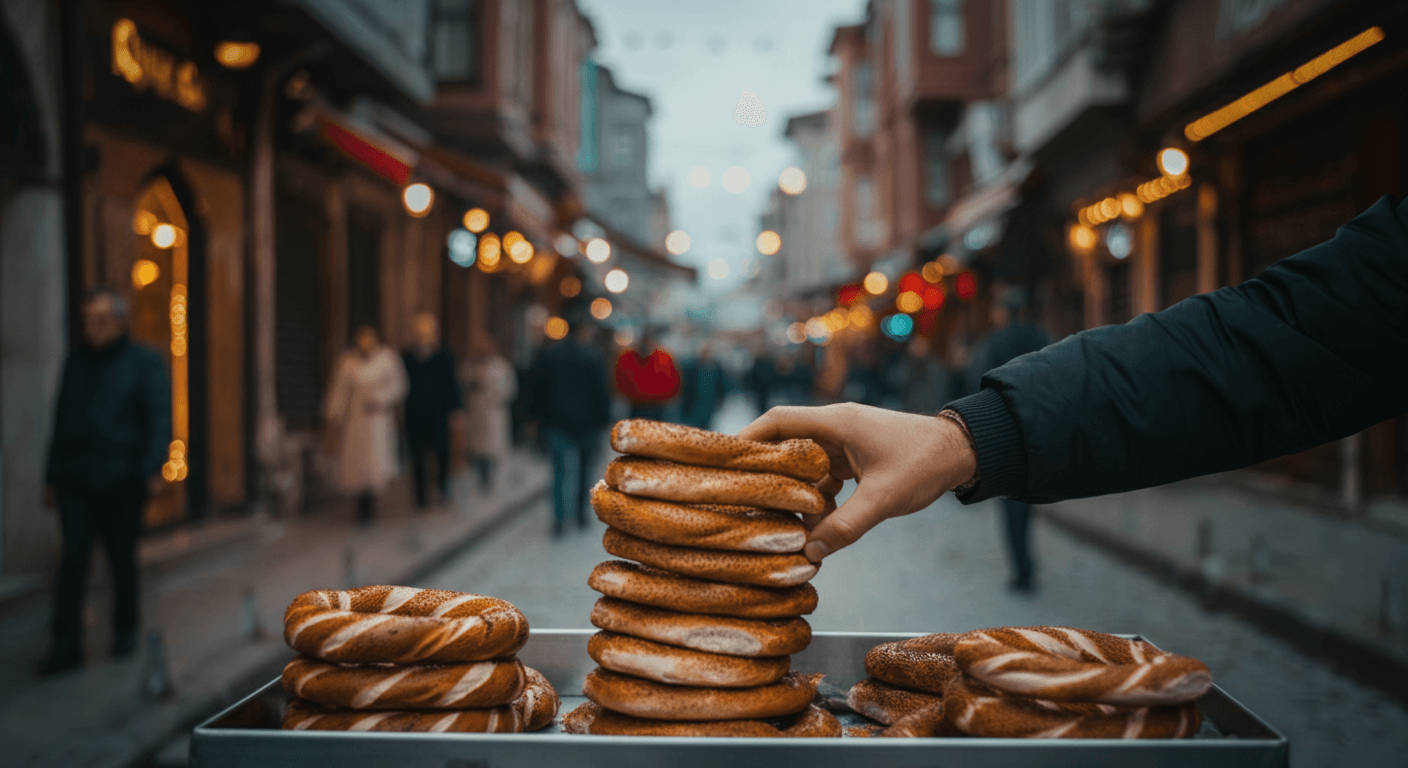
- Try local bread like simit (sesame ring) from bakery carts near Eminönü ferry pier, or fluffy pide from ovens on side streets off Atatürk Caddesi in resort towns.
4.2 Sun, Heat and the Sea
Coastal Turkey can be significantly hotter than the UK, particularly from late June to early September.
- Midday temperatures along the Antalya and Muğla coasts can exceed 35°C. Plan sightseeing in Side old town, Bodrum castle area or Fethiye’s rock tombs for early morning or late afternoon.
- Many beaches like Konyaaltı, Ölüdeniz, Marmaris and Çalış have lifeguards and flags. Follow colour‑coded flag guidance for swimming conditions.
- Stone or pebble beaches (e.g. parts of Kemer and Kaş) may require water shoes to avoid slipping.
Simple rule: If you would wear SPF 30+ in Spain or Greece, you will need the same or more in Turkey; the UV index can be similar or higher.
4.3 Pharmacies and Medical Assistance
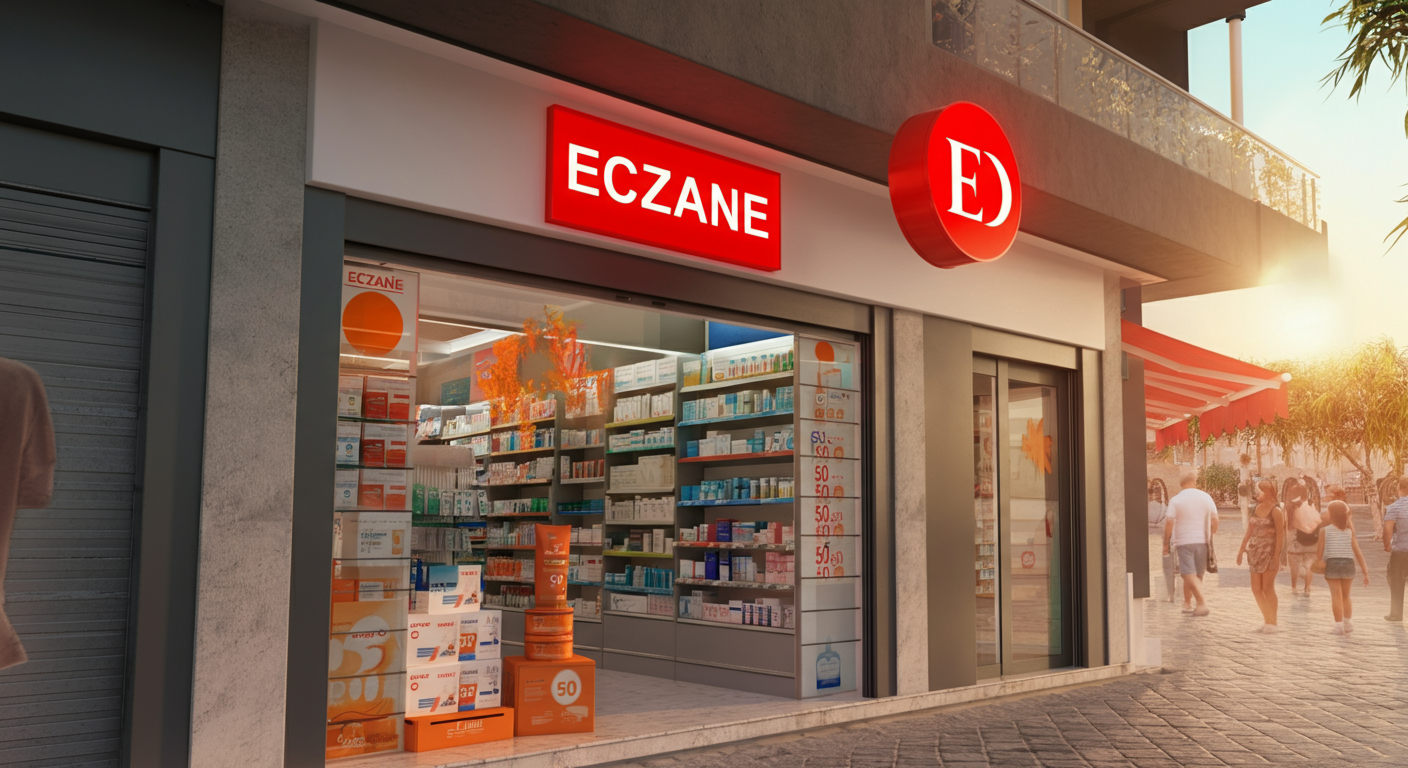
Pharmacies (eczane) are easy to find in all resorts and cities. Look for the red “E” sign on streets like:
- Şehit Polis Recep Topaloğlu Caddesi in Kemer
- Atatürk Bulvarı in Side
- Cumhuriyet Caddesi in Bodrum and Marmaris
Many pharmacists speak basic English, enough to help with sunburn creams, rehydration salts and minor issues. For more serious problems, private hospitals and clinics in hubs like Antalya, Istanbul, Izmir, Bodrum and Fethiye are accustomed to international patients.
Important: The UK’s EHIC/GHIC does not apply in Turkey. You need travel insurance with medical cover; check limits, excess, and coverage for activities like paragliding in Ölüdeniz or hot air ballooning in Cappadocia.
5. Cultural Awareness and Respectful Behaviour
5.1 Dress Codes and Local Customs
Coastal resorts are relaxed, with beachwear common along promenades like Çalış Beach, Marmaris Uzunyalı and Bodrum’s Kumbahçe seafront. However, more modest dress is appreciated in local neighbourhoods and religious sites.
- For mosques such as Blue Mosque in Istanbul, Yivli Minare Mosque in Antalya or smaller town mosques on Atatürk Caddesi in many resorts:
- Shoulders and knees covered.
- Women: scarf or shawl over hair (mosques often provide loan scarves).
- Remove shoes at the entrance.
- In more traditional districts (e.g. residential backstreets of Konyaaltı, Kepez, some outer Istanbul suburbs), avoid very revealing clothing to minimise unwanted attention.
UK‑friendly tip: Carry a light scarf or thin shirt in your day bag. It works as sun protection and quick extra cover when stepping into a mosque or walking through a non‑touristic area.
5.2 Alcohol, Nightlife and Behaviour
Alcohol is widely available in tourist zones, with busy nightlife pockets in Bodrum, Gümbet, Marmaris, Antalya’s Kaleiçi and Istanbul’s Beyoğlu.
- Bar streets like Cumhuriyet Caddesi (Bodrum) and Barlar Sokağı (Marmaris) can be crowded after midnight. Stay with friends, watch your drink, and plan how you will get back to your accommodation.
- Public drunkenness is generally tolerated in resort strips, but loud, disruptive behaviour in residential side streets can attract police attention.
- In smaller inland towns and conservative districts, alcohol may be less visible; be discreet with open containers.
6. Money, Scams and Practical Safety
6.1 Paying Safely: Cash, Cards and ATMs
The Turkish lira (TRY) is the main currency. In tourist areas, many shops accept cards and some may accept euros or sterling, but rates are often less favourable.
- Use ATMs attached to recognised banks on main streets such as Atatürk Caddesi, Cumhuriyet Caddesi, İskele Caddesi in resort towns.
- Avoid using independent ATMs offering dynamic currency conversion; always choose to be charged in TRY rather than GBP.
- Keep some small notes (5, 10, 20 TL) for local bakeries, dolmuş fares and public toilets (often 5–10 TL at bus stations and markets).
6.2 Common Tourist Scams and How to Handle Them
You will encounter similar issues to other major tourist destinations:
- Over‑priced taxis: especially from tourist hotspots like Sultanahmet, Taksim, Antalya Kaleiçi. Always ask for the meter or agree a clear fare before starting.
- Menu misunderstandings in bar streets: particularly where the menu is not clearly priced. Check prices in writing, especially for cocktails and imported spirits.
- Over‑friendly invitations: strangers inviting you to out‑of‑the‑way bars or shops, particularly around İstiklal Caddesi side streets. A polite “No, thank you” (“Hayır, teşekkürler”) is enough.
In bazaars like the Grand Bazaar in Istanbul or local markets on streets such as Salı Pazarı in Fethiye, haggling is expected for non‑fixed‑price goods. If you feel uncomfortable, focus on stalls where prices are clearly labelled and pay with small notes.
7. Legal and Documentation Considerations
7.1 Visas and Entry for UK Citizens
Visa rules can change, so always check the latest information on the official Turkish e‑visa website or the FCDO pages. Many UK travellers currently find entry straightforward for tourism, but details (including length of stay and whether visas are waived or required) should always be confirmed before you travel.
At the border, you can expect:
- Passport validity requirements (usually at least 6 months from date of entry – always confirm via official sources).
- Border security checks at airports like Antalya and Dalaman similar to other non‑EU destinations.
7.2 Local Laws That May Affect Tourists
- Drugs: Laws are strict, and penalties for possession or trafficking are severe. Avoid any contact with illegal substances.
- Drones: Flying drones near airports, military bases or certain historic sites can be restricted; check local regulations before bringing a drone.
- Smoking: Banned in many indoor public areas; look for designated smoking spaces outside cafés and restaurants.
Simple rule: If you would double‑check the legality of something in the UK, assume you should also double‑check it in Turkey, preferably via your accommodation reception or official websites.
8. Who Might Need Extra Caution?
8.1 Solo Travellers
Solo travellers, including solo women, visit Turkey in large numbers. Most report positive experiences, especially in areas like Fethiye, Kaş, Bodrum, Antalya’s city centre and Cappadocia.
- Book accommodation in central districts, close to main streets like Cumhuriyet Caddesi, Atatürk Caddesi or İskele Caddesi rather than isolated areas.
- At night, stick to well‑lit promenades and main roads; for example, walk along Konyaaltı seafront rather than through backstreets.
- Trust your instincts with overly personal questions from strangers; deflect politely if you do not want to share details.
8.2 Families with Children
Family‑orientated resorts like Side, Lara Beach, Çalış Beach, Bitez and İçmeler are popular with UK families.
- Promenades such as Çalış Beach front and Marmaris Uzunyalı have long, flat paths ideal for prams, though sections can be uneven.
- Supermarkets on central streets (e.g. Atatürk Caddesi in most towns) carry baby supplies, nappies and familiar international snacks.
- Bottle‑feeding? Use bottled water, and consider boiling and cooling it for babies.
8.3 LGBTQ+ Travellers
Experiences vary by region. Central Istanbul neighbourhoods like Cihangir and parts of Beyoğlu feel relatively open; some coastal resorts are more neutral, while smaller conservative towns can be less so. Public displays of affection, particularly same‑sex, may attract stares in traditional areas.
Practical approach: Keep affection low‑key in non‑touristic areas, avoid discussing sexuality with strangers who seem intrusive, and focus on cosmopolitan districts if you prefer a more relaxed atmosphere.
9. Staying Informed and Connected
9.1 Using Your Phone Safely
- Most UK networks offer roaming add‑ons for Turkey; otherwise, local SIMs are sold at phone shops along Atatürk Caddesi, Cumhuriyet Caddesi or near main bus stations.
- Keep a digital copy of your passport and insurance details stored in a secure app or cloud service.
- Use offline maps (download areas of Istanbul, Antalya, Bodrum Peninsula or Fethiye) before you travel to avoid getting lost if signal drops.
9.2 Where to Check Safety Updates
- FCDO travel advice for Turkey: for regional security updates and any protests or natural events.
- Local English‑language news sites for information on weather alerts (e.g. heatwaves in Antalya or storms in the Agean coast near Bodrum and Izmir).
- Reception staff and local tourist information offices, usually found near harbour areas or main squares such as Bodrum Meydanı, Fethiye town square and Antalya’s Cumhuriyet Meydanı.
For deeper planning, see also Turkey itinerary ideas from the UK.
FAQ
Is Turkey generally safe for UK tourists right now?
For the main tourist destinations such as Istanbul, Antalya, Bodrum, Marmaris, Fethiye, Izmir, Kuşadası, Cappadocia and Pamukkale, many UK tourists report trips that are incident‑free when normal precautions are taken. You should, however, always check the current FCDO travel advice for any regional updates, particularly near the Syrian and Iraqi borders.
Are Antalya, Bodrum and Marmaris safe at night?
The main promenades and central streets in Antalya (Konyaaltı seafront, Kaleiçi), Bodrum (marina area, Cumhuriyet Caddesi) and Marmaris (Uzunyalı, Barlar Sokağı) are typically busy and well‑lit. The main issues tend to be lost belongings after drinking, bar bill disputes and the usual petty theft risks in crowds. Stick to main routes, use official taxis and keep an eye on drinks and valuables.
Is it safe to use public transport and dolmuş minibuses in Turkey?
Yes, dolmuş minibuses and city buses are widely used by locals and tourists. Routes such as Lara–Konyaaltı in Antalya or Bodrum–Gümbet–Bitez are routine for holidaymakers. Keep small cash ready, hold your bag in front on crowded vehicles and sit near the front at night if you prefer.
Can I drink the tap water in Turkey?
In many cities tap water is treated, but locals often prefer bottled water due to taste and older pipework. To reduce the chance of stomach upset, most UK travellers use bottled water for drinking and brushing teeth, particularly in the first few days of their holiday.
How should I deal with street sellers and touts?
In busy areas like Istanbul’s Grand Bazaar, Antalya Kaleiçi and resort bar streets, you may be approached by sellers or restaurant staff. A firm but polite “No, thank you” (“Hayır, teşekkürler”) while continuing to walk usually works. Avoid following strangers to venues on quiet side streets if you feel pressured.
Do I need travel insurance for Turkey from the UK?
Yes. The UK’s EHIC/GHIC does not cover Turkey, so you should arrange travel insurance that includes medical treatment, repatriation, cancellation and liability cover. Check that any activities you plan, such as paragliding in Ölüdeniz or hot‑air ballooning in Cappadocia, are included.
Is Istanbul safe for solo female travellers?
Many solo female travellers visit Istanbul and report positive experiences, especially when staying in central areas like Sultanahmet and around İstiklal Caddesi. Normal big‑city precautions apply: avoid poorly lit backstreets late at night, be selective about accepting invitations from strangers, and arrange licensed taxis for late‑night returns.
Melis Yıldız
Editör"Modern konfor ve estetik detaylara önem veren Melis, lüks oteller ve tasarım butik konaklamalar üzerine uzmanlaşmıştır."
Hakkında Rehberler
İstanbul’da Ulaşım Rehberi: İstanbulkart, Metro/Tramvay/Feribot Mantığı (Kafası Karışanlara)
İstanbul'da ulaşım karmaşasına son verin! İstanbulkart, metro, tramvay, otobüs ve feribot gibi toplu taşıma ağlarını kolayca anlayın.
İstanbul’da En İyi Fotoğraf/İçerik Rotası: 1 Günde Viral Kareler (Işık Saatleri + Kalabalık Stratejisi)
İstanbul'un en viral fotoğraf noktalarını keşfedin! Boğaz, Galata ve Tarihi Yarımada'da 1 günde, ışık saatleri ve kalabalık stratejileriyle mükemmel kareler yakalayın.
İstanbul Bütçe Planlayıcı: Ekonomik/Dengeli/Rahat Mod (Fiyat Vermeden Harcama Mantığı)
İstanbul gezinizi bütçenize uygun planlayın! Ekonomik, dengeli veya rahat modlarla harcama mantığını keşfederek şehri doyasıya yaşayın.
İstanbul’da Çocukla Gezi: Bebek/Çocuk Checklists + Öğle Sıcağı/Yağmur Planı
İstanbul'da çocukla gezmek artık çok kolay! Bebek/çocuk kontrol listeleri ve öğle sıcağı/yağmur için özel İstanbul gezi planları bu rehberde.
İstanbul’da “Yürüyerek Gezilecek” Semtler: 2–3 Saatlik Mini Rotalar (Harita Mantığıyla)
İstanbul'un en güzel semtlerini yürüyerek keşfedin! Tarihi yarımada ve Boğaz çevresindeki 2-3 saatlik mini rotalarla şehri deneyimleyin.
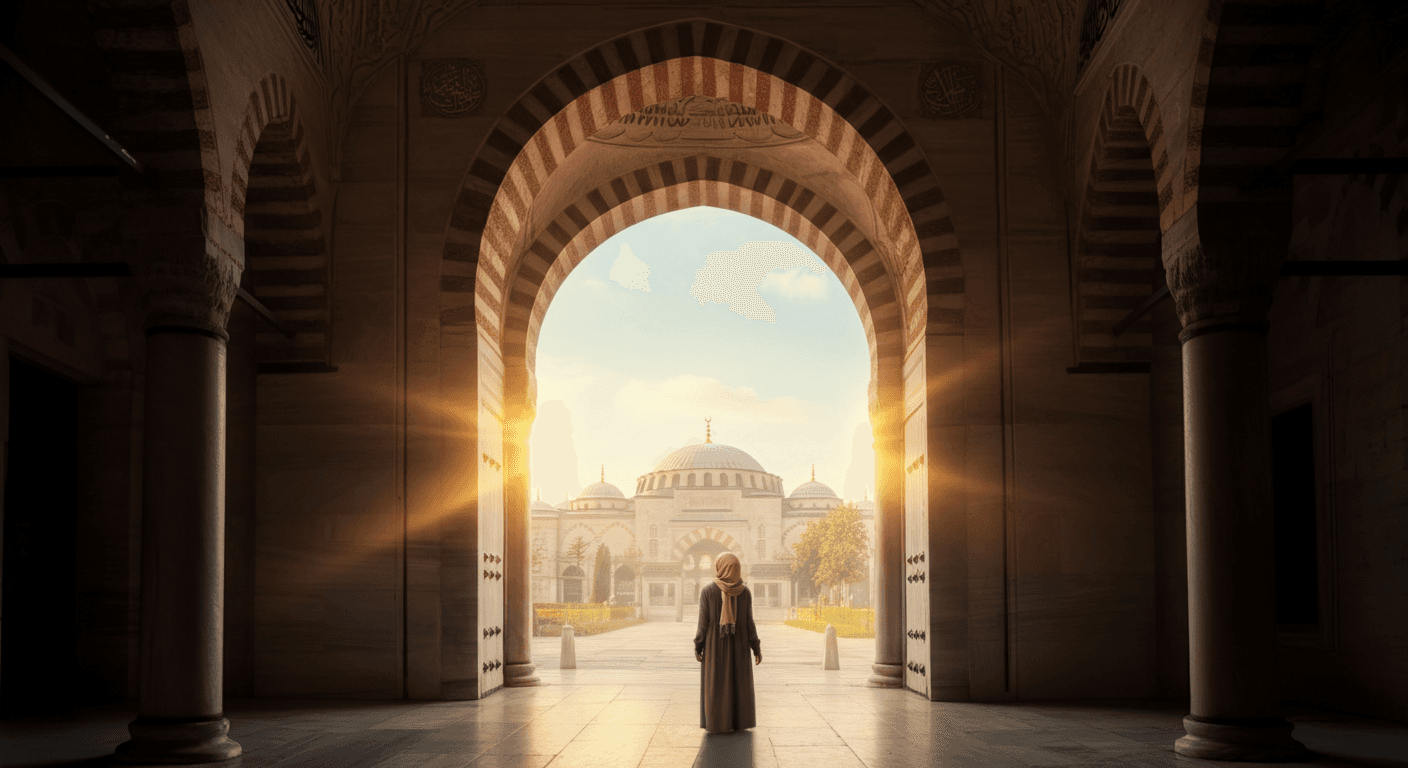
İstanbul’da Camii Ziyareti Rehberi: Giyim, Saat, Fotoğraf Kuralları (Turist İçin Basit Anlatım)
İstanbul camilerini ziyaret edecek turistler için giyim, saat ve fotoğraf kuralları rehberi. Cami ziyaretinizden önce bilmeniz gereken tüm detayları basitçe öğrenin.
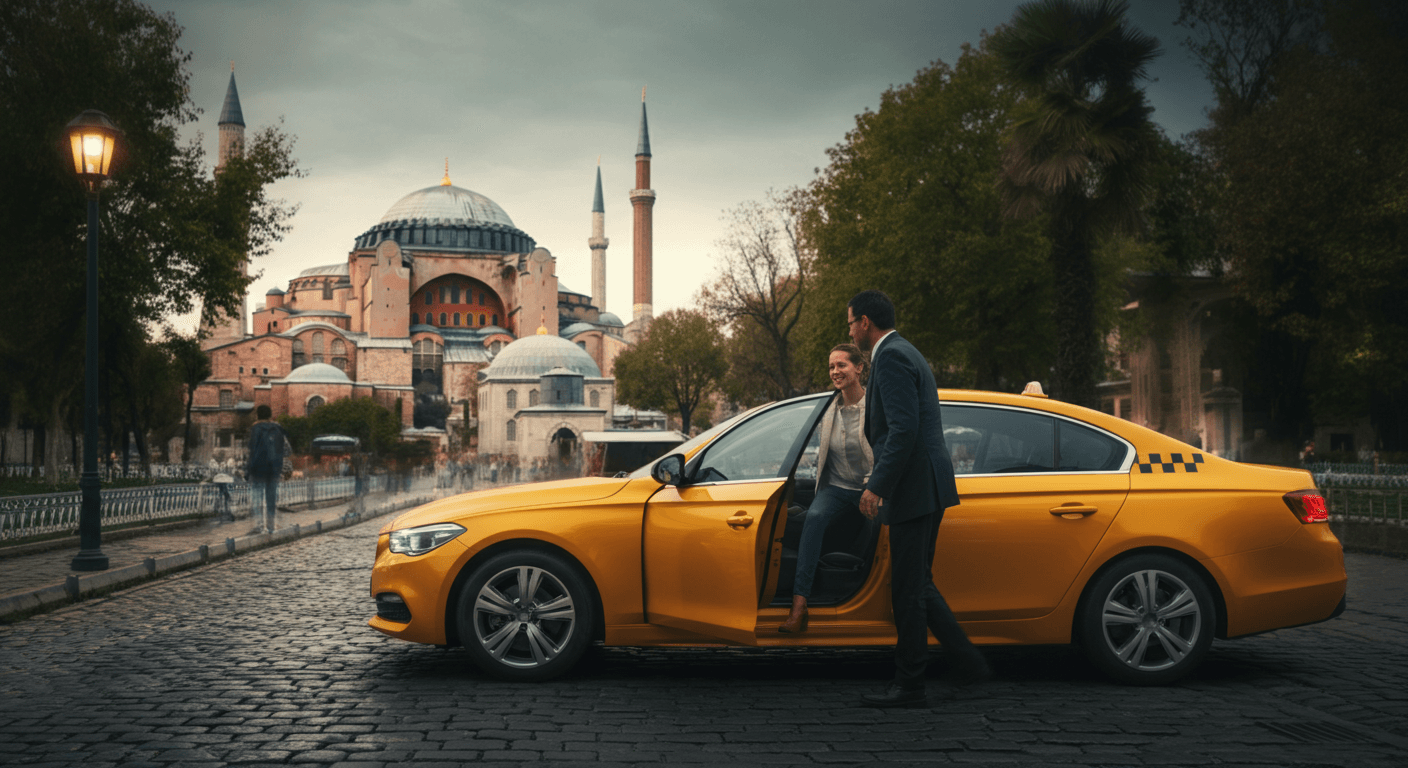
İstanbul’da Dolandırılmadan Değil, “Sürpriz Yaşamadan” Gezmek: Basit Kurallar (Taksi, Menü, Tur)
İstanbul'da taksi, menü ve tur sürprizleri yaşamadan güvenle gezmek için basit kuralları keşfedin. Dolandırılmadan keyifli bir İstanbul deneyimi için ipuçları burada.
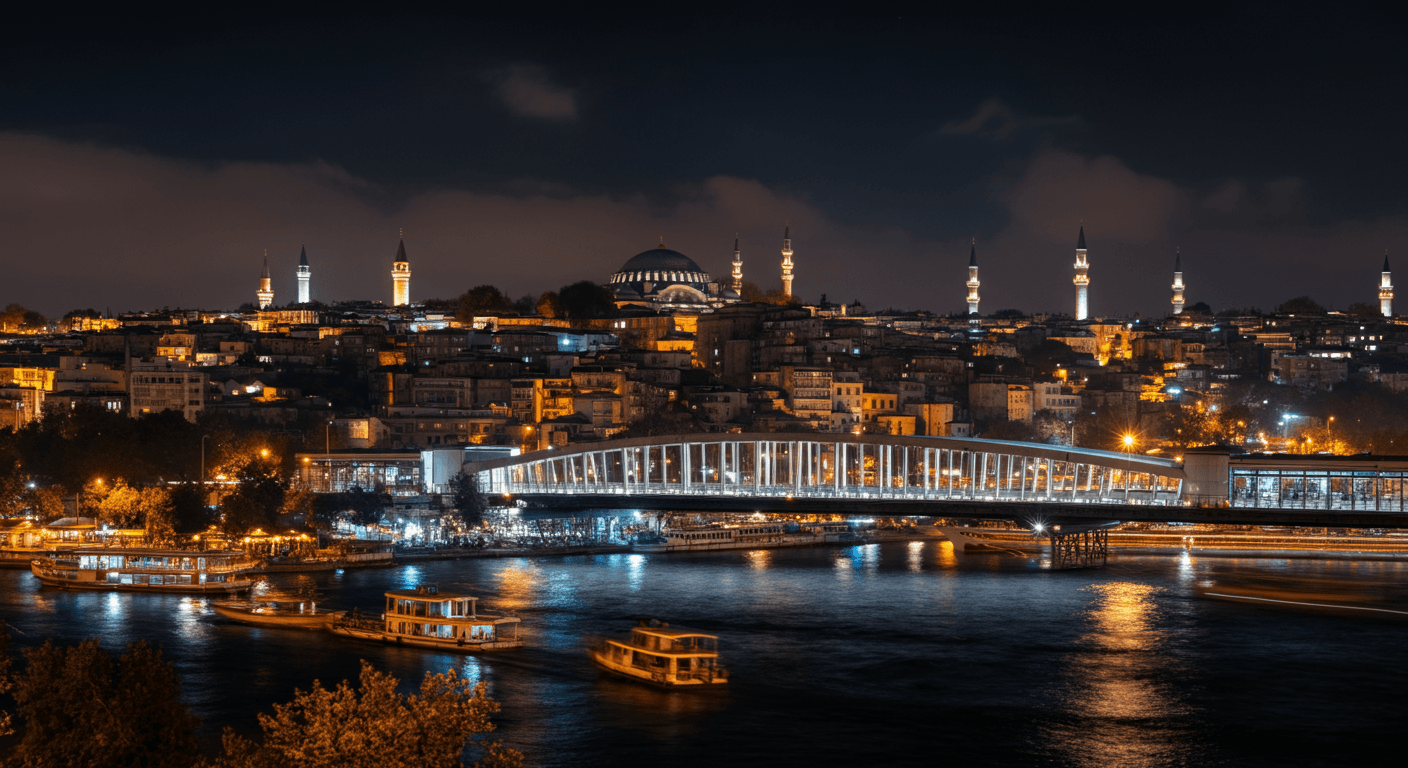
İstanbul’da “Akşam Ne Yapılır?” Rehberi: Aile/Çift/Tek Kişi İçin Güvenli ve Keyifli Plan
İstanbul'da akşam ne yapılır? Aile, çift veya tek kişi için Boğaz turu, tarihi mekanlar ve güvenli eğlence seçenekleriyle dolu rehberimizi keşfedin.
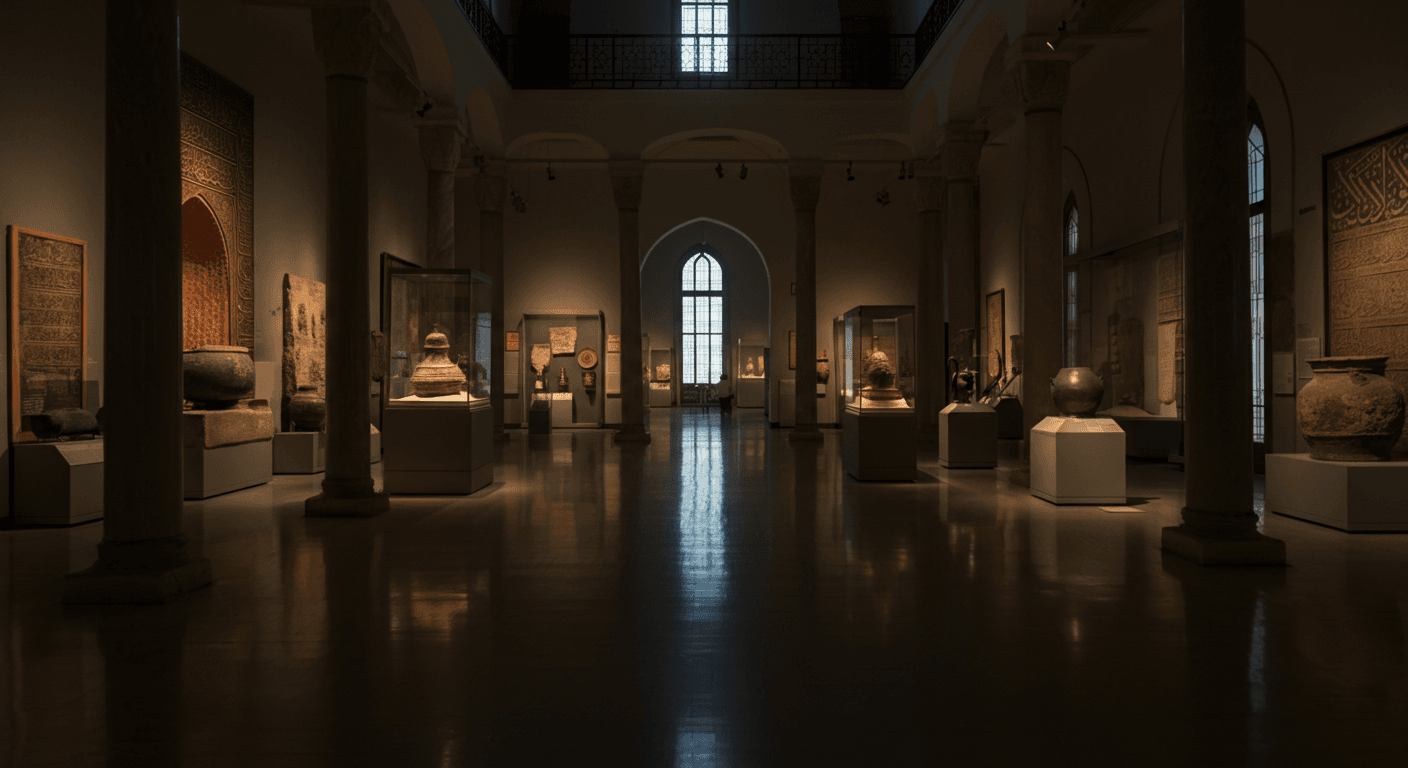
İstanbul’da Yağmurlu Gün Planı: Kapalı Mekân Rotaları (Müze + Çarşı + Kafe Akışı)
İstanbul'da yağmurlu havalarda sıkılmayın! Müzeler, tarihi çarşılar ve şirin kafelerle dolu kapalı mekan rotalarıyla keyifli bir gün geçirin.
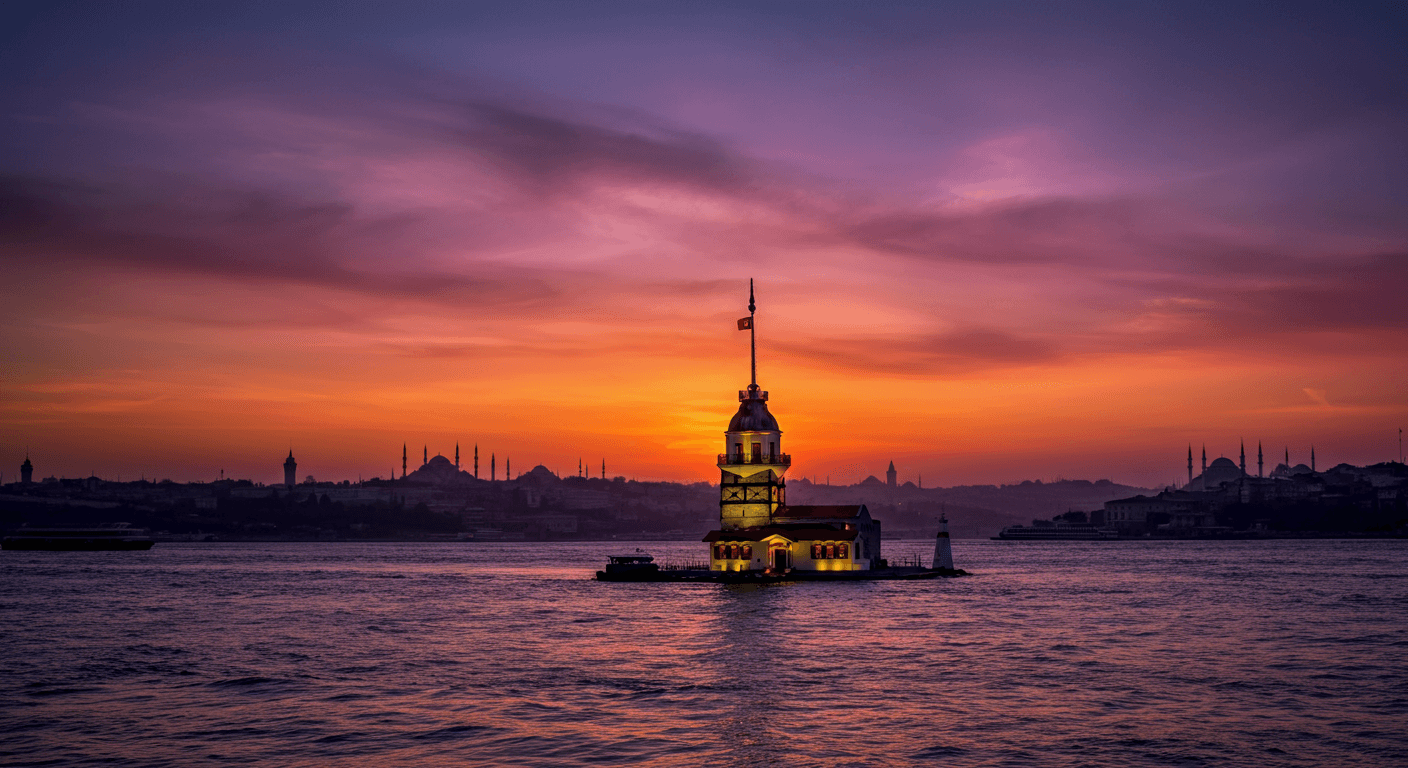
İstanbul’da Gün Batımı Noktaları: Kalabalıksız Saatler + En İyi “Sunset Walk” Rotaları
İstanbul'da kalabalıktan uzak gün batımı noktaları ve Boğaz'da eşsiz sunset walk rotalarıyla şehrin büyüsüne kapılın.
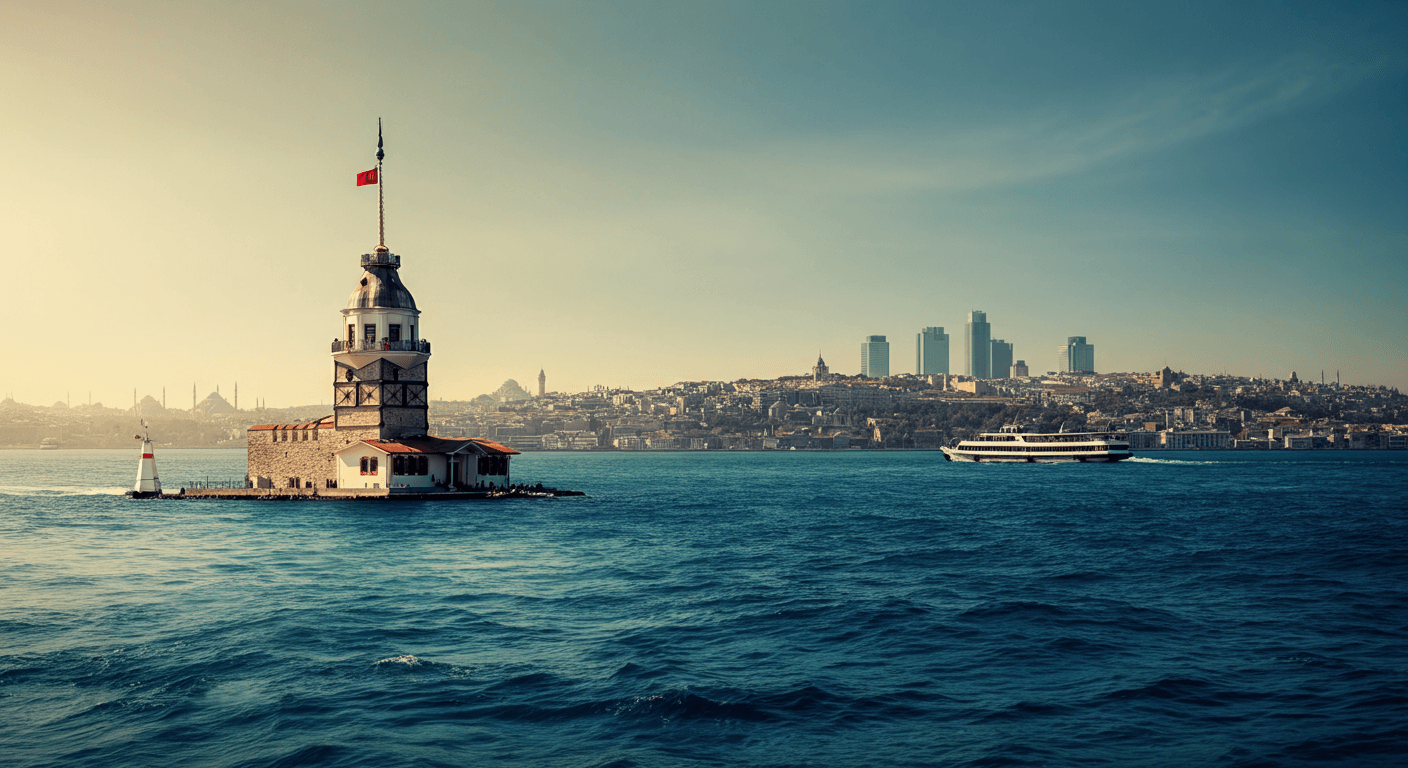
İstanbul’da 1 Günde 2 Kıta: Avrupa → Anadolu Rotası (Saat Saat + Yürüme Seviyesi)
İstanbul'da bir günde Avrupa'dan Anadolu'ya geçiş rotasını keşfedin! Saat saat planlanmış bu eşsiz gezi rehberiyle iki kıtayı yürüme seviyenize göre deneyimleyin.

Sabiha Gökçen’den Şehre En Kolay Ulaşım: Seçenekler ve Hangi Saatte Hangisi Mantıklı?
Sabiha Gökçen (SAW) havalimanından İstanbul şehir merkezine en kolay ulaşım (metro, Havabüs, taksi) seçeneklerini ve saatinize göre en mantıklı yolu keşfedin.
İstanbul Havalimanı (IST) Transfer Seçimi: Taksi mi Metro mu Özel Transfer mi? (Gece Varışı Planı)
İstanbul Havalimanı (IST) gece varışı için taksi, metro veya özel transfer mi? İstanbul'a en hızlı ve konforlu ulaşım seçeneğini keşfedin.

İstanbul’da Ulaşım Rehberi: İstanbulkart, Metro/Tramvay/Feribot Mantığı (Kafası Karışanlara)
İstanbul'da ulaşımı çözün! Turistler için İstanbulkart nasıl alınır, T1 Tramvay, M2 Metro ve vapur kullanımı, taksi tuzaklarından korunma rehberi.

İstanbul’a İlk Kez Gelenler: 3–5–7 Günlük Hazır Rota (Yormayan Plan + Esnek Günler)
İstanbul'u yorulmadan ve kaybolmadan gezmek isteyenler için saat saat planlanmış, en verimli 3 günlük, 5 günlük ve 7 günlük hazır turistik gezi rotası.

İstanbul’da Nerede Kalınır? Bölge Bölge Base Seçim Rehberi (İlk Kez Gelenler İçin)
İstanbul'da ilk kez nerede kalınır? Sultanahmet, Karaköy, Taksim, Beşiktaş ve Kadıköy bölgelerinin detaylı, artı-eksi analizli, ulaşım odaklı konaklama rehberi.
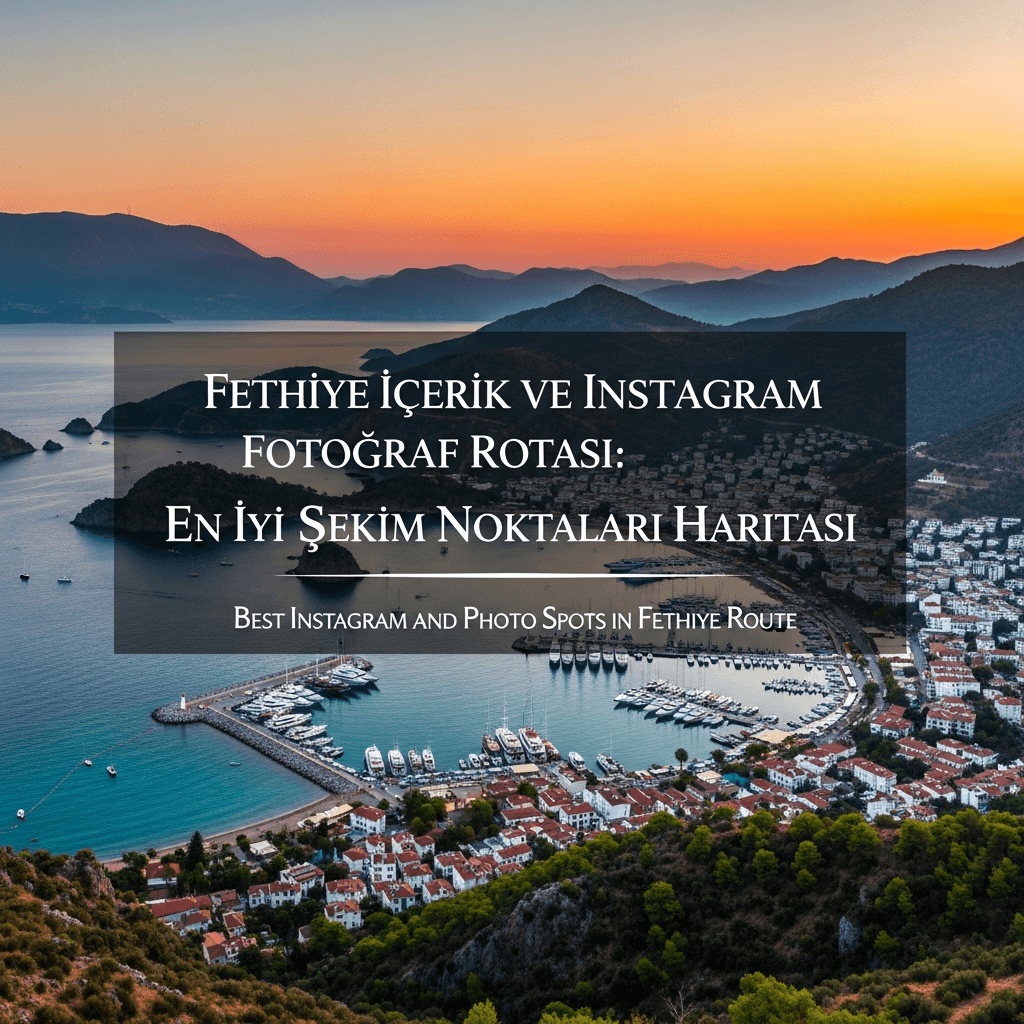
Fethiye İçerik ve Instagram Fotoğraf Rotası: En İyi Çekim Noktaları Haritası
Fethiye'nin en iyi Instagram fotoğrafı nerede çekilir? Kelebekler vadisi seyir zirvesi, Babadağ sonsuzluk terası ve SEO odaklı şemsiyeli sokak ışık rehberi.
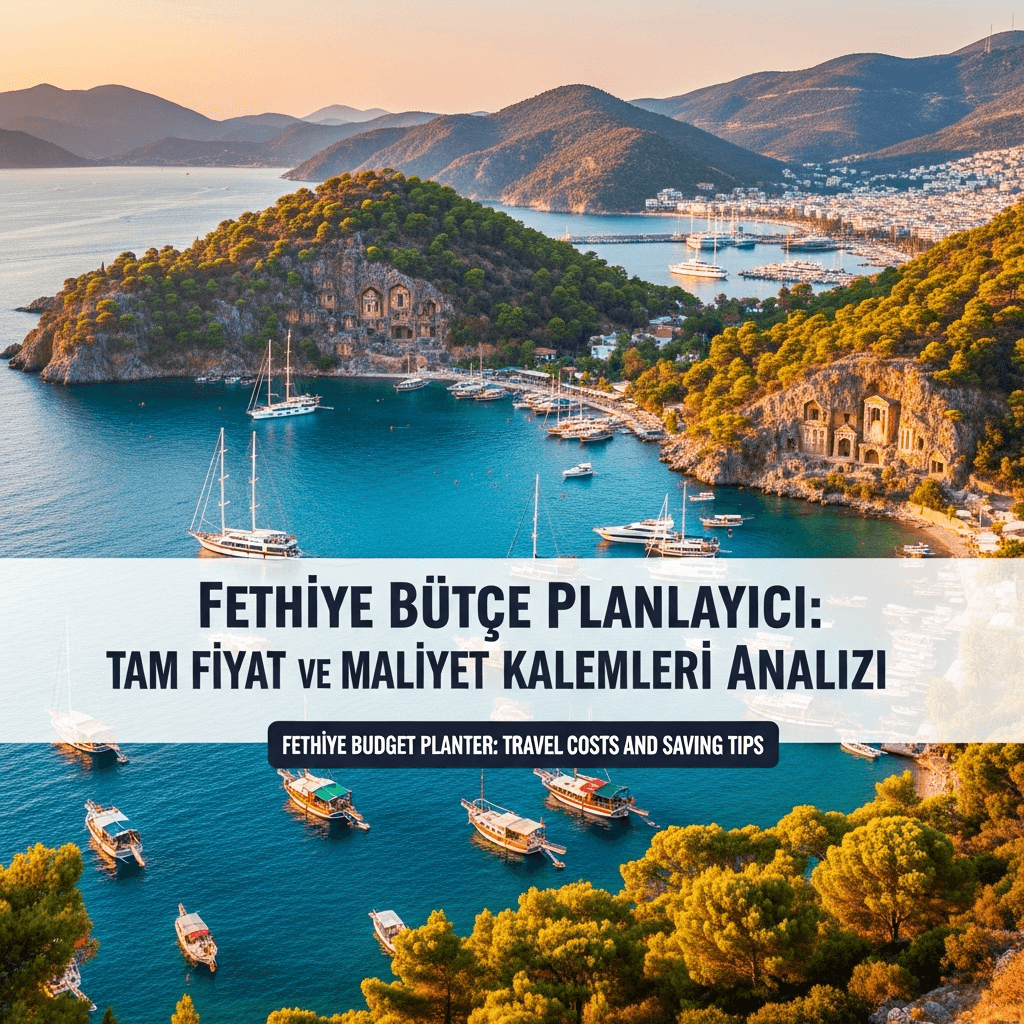
Fethiye Bütçe Planlayıcı: Tam Fiyat ve Maliyet Kalemleri Analizi
Fethiye ne kadar pahalı? 2024 ve 2025 yemek fiyatları, Dolmuş ücreti, Tekne turu ve ucuz villa otel maliyetleri hakkındaki en eksiksiz SEO tatil bütçe hesaplayıcısı.
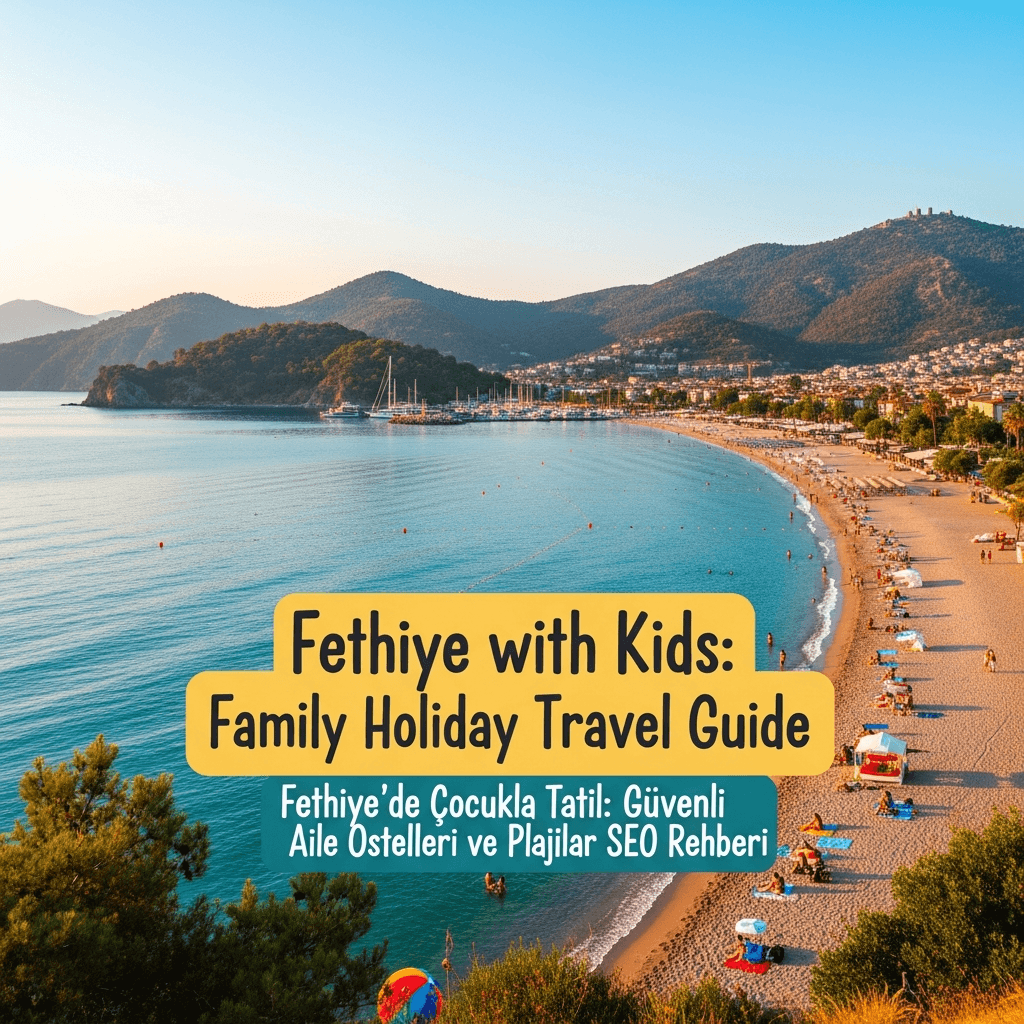
Fethiye’de Çocukla Tatil: Güvenli Aile Otelleri ve Plajlar SEO Rehberi
Fethiye çocukla tatile gidilir mi? Bebekli ve küçük çocuklu aileler için sığ Ölüdeniz kumsalları, puset dostu Çalış sahil otelleri ve SEO etkinlik rehberi.
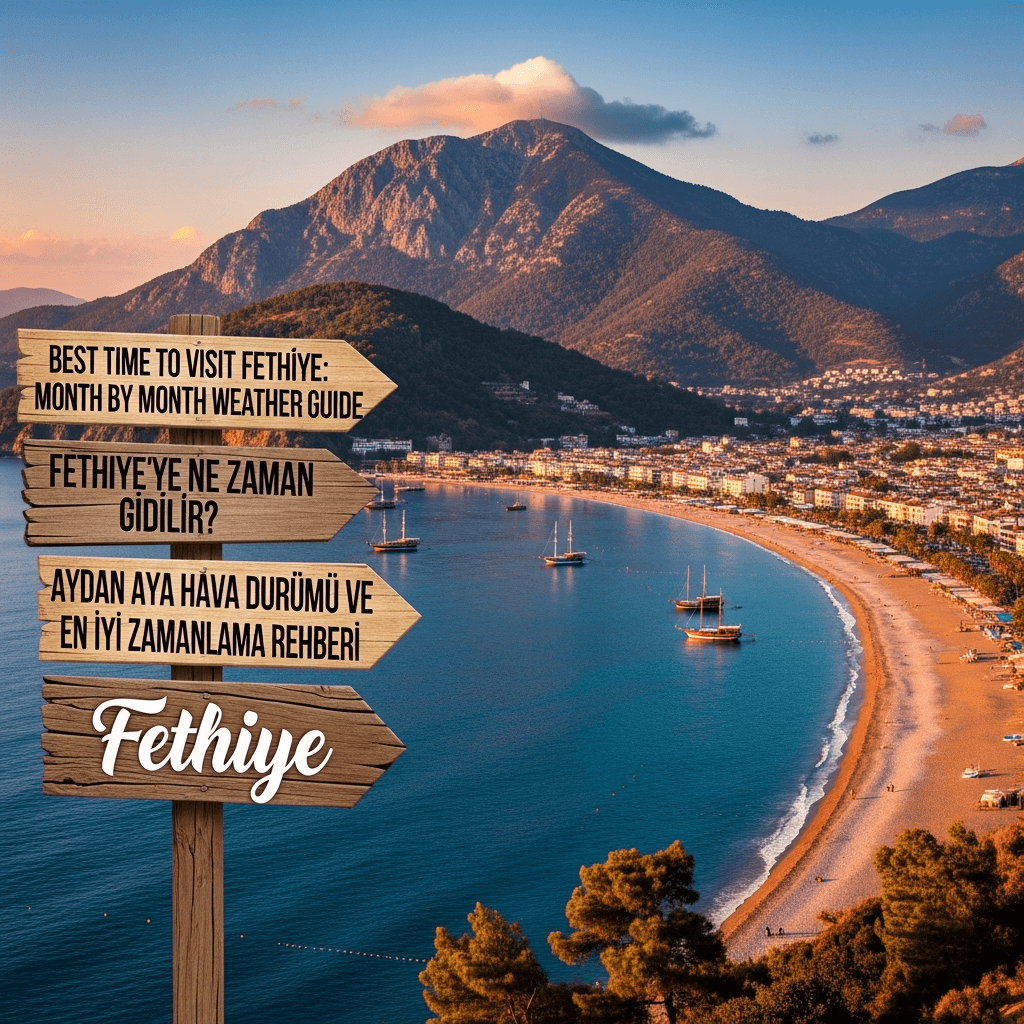
Fethiye'ye Ne Zaman Gidilir? Aydan Aya Hava Durumu ve En İyi Zamanlama Rehberi
Fethiye tatili için en iyi aylar. Yaz sıcaklıkları, Eylül Ekim sonbahar sükuneti ve İlkbahar deniz suyu sıcaklıkları Fethiye SEO iklim ve bavul rehberi.
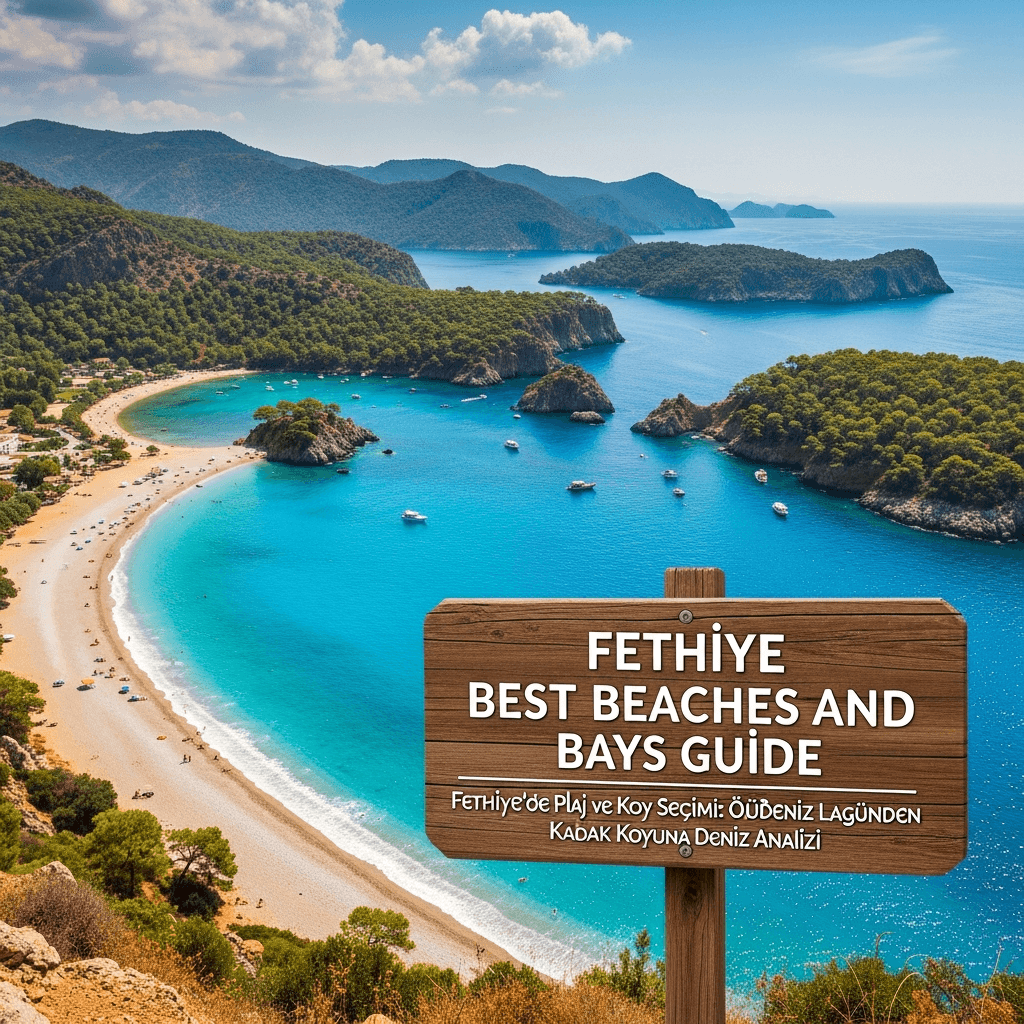
Fethiye'de Plaj ve Koy Seçimi: Ölüdeniz Lagünden Kabak Koyuna Deniz Analizi
Fethiye ve Ölüdeniz'in en iyi plajları nasıl seçilir? Mavi lagün, Belcekız, Çalış kumsalı ve Kıdrak/Kabak koylarında yüzme, dalga ve SEO çocuk uygunluk rehberi.
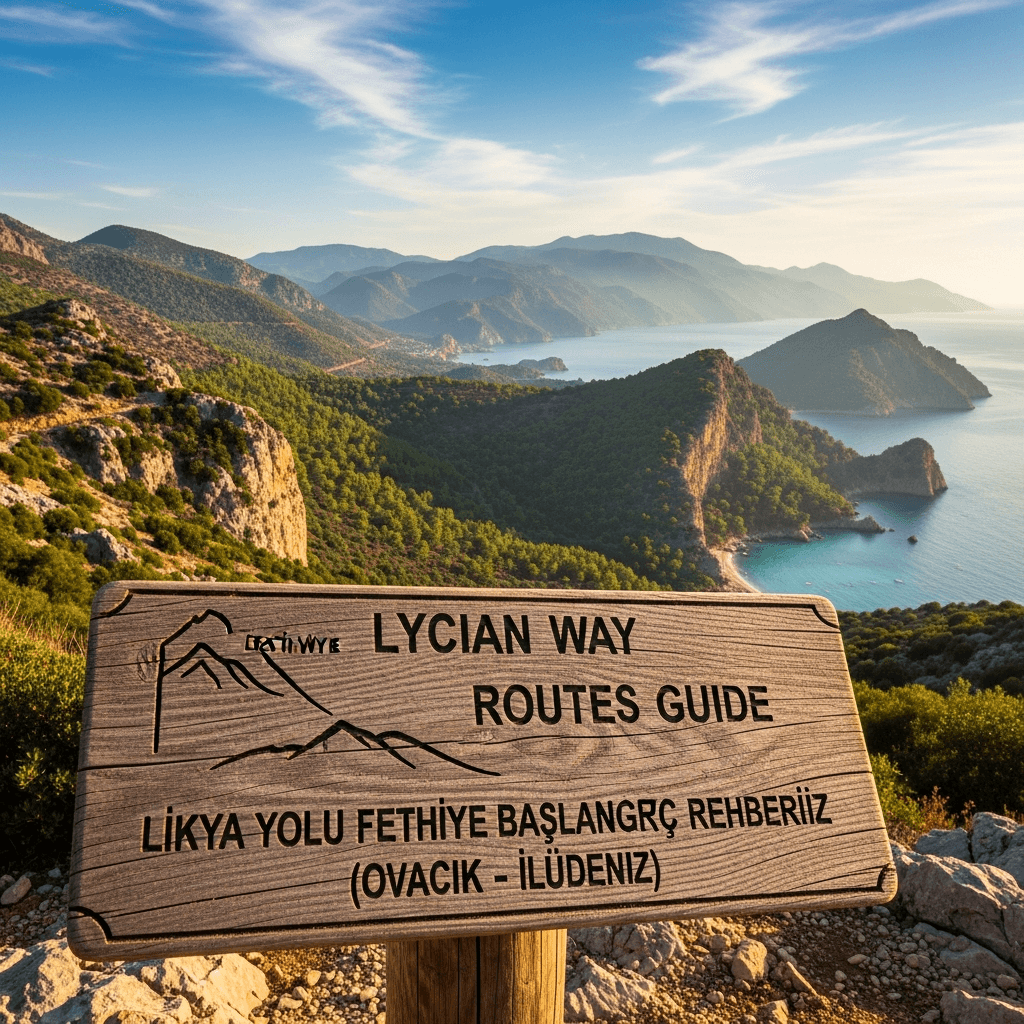
Likya Yolu Fethiye Başlangıç Parkuru Rehberi (Ovacık - Ölüdeniz)
Fethiye'den başlayan Likya yolu etapları (Ovacık, Faralya, Kayaköy). Günübirlik yürüyüş rotaları, sarı çizgi işaretleri ve dev ekipman tablolu SEO doğa rehberi.
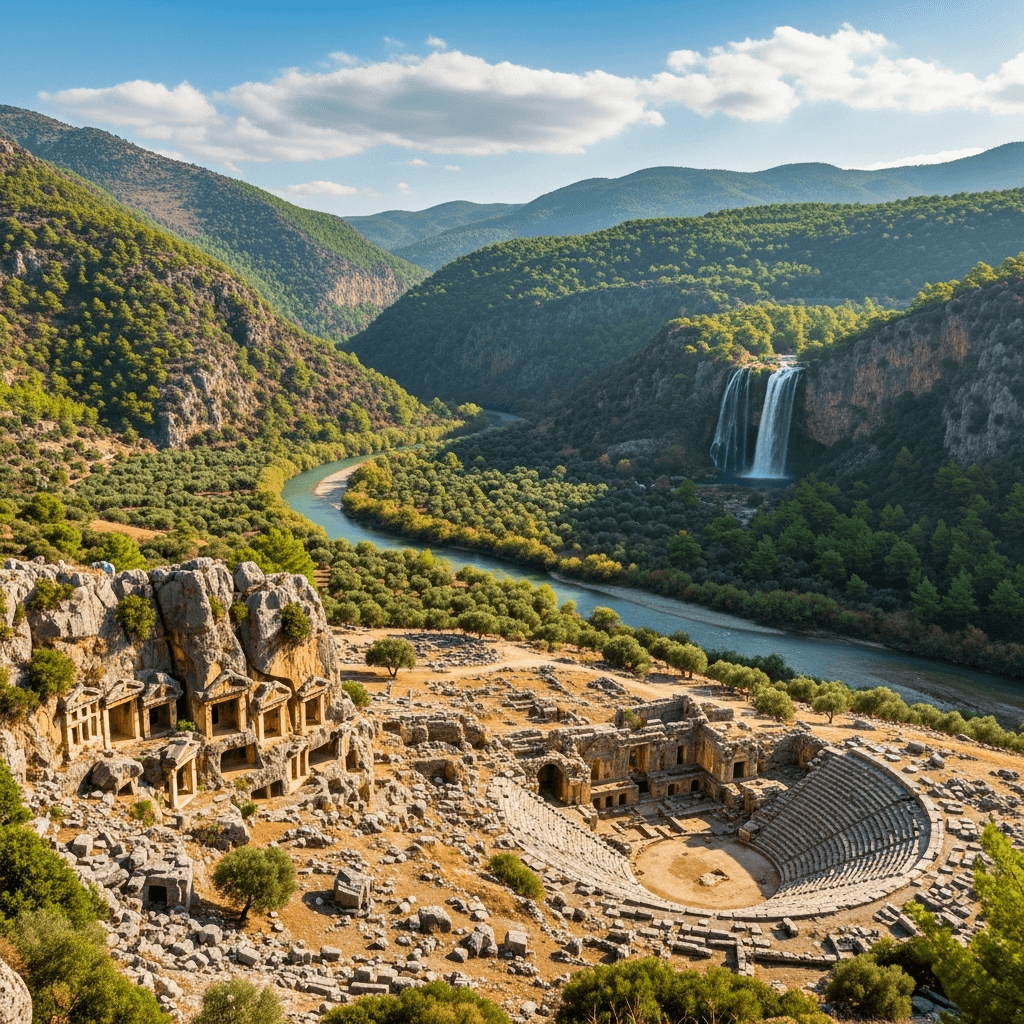
Fethiye Tlos Antik Kenti ve Yakapark Şelalesi: Saklıkent Kombinasyonu
Fethiye'de bir gün: Sabah Tlos antik kenti ve kaya mezarları gezisi, öğlen Yakapark şelalesi alabalık molası ve akşamüstü Gizlikent kanyonu. Tam gün eşsiz SEO rehberi.
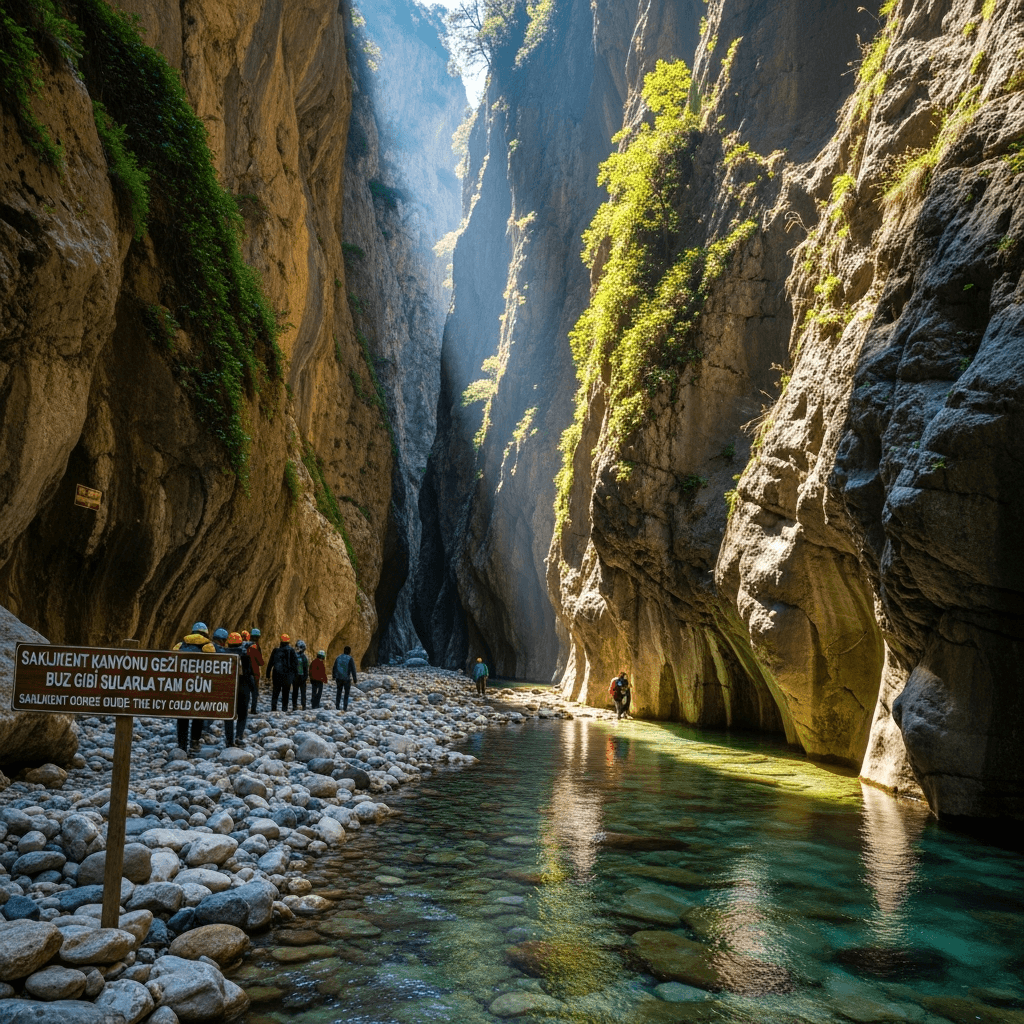
Saklıkent Kanyonu Gezi Rehberi: Buz Gibi Sularla Tam Gün
Fethiye Saklıkent kanyonu giriş ve gezi rehberi. Nehir yürüyüşü, çamur banyosu ve restoran fiyatları. Gizlikent mi Saklıkent mi kıyaslaması.
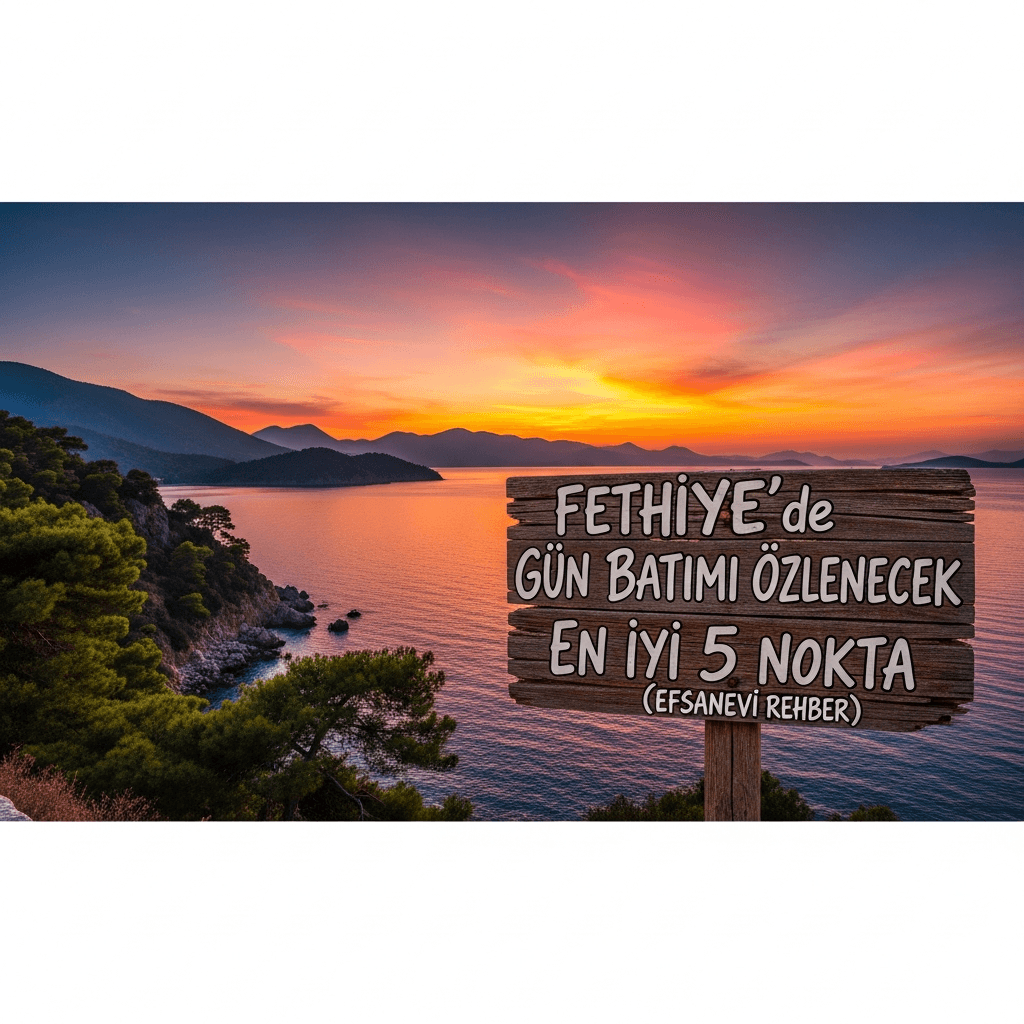
Fethiye'de Gün Batımı İzlenecek En İyi 5 Nokta (Efsanevi Rehber)
Fethiye'de gün batımı nerede izlenir? Çalış plajı, Babadağ 1700m seyir terası, Şövalye adası ve Gemiler koyu için tablolu tam SEO akşamüstü romantik rehberi.
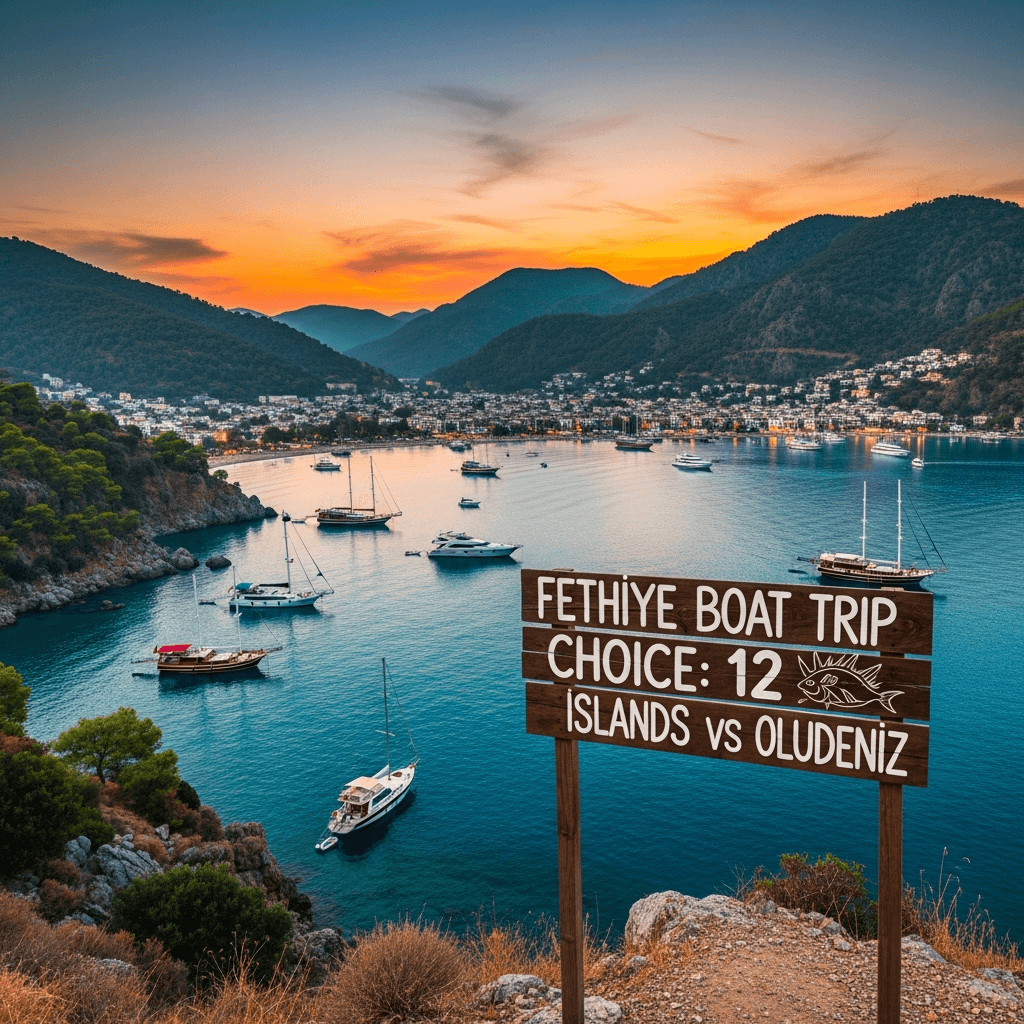
Fethiye Tekne Turu Seçme Rehberi: 12 Adalar Mı Ölüdeniz mi?
Fethiye tatilinde 12 Adalar tekne turu ile Ölüdeniz Kelebekler vadisi turu arasındaki farklar. Hangi gemi size uygun? Kıyaslama tabloları ve deniz tutması önlemleri.
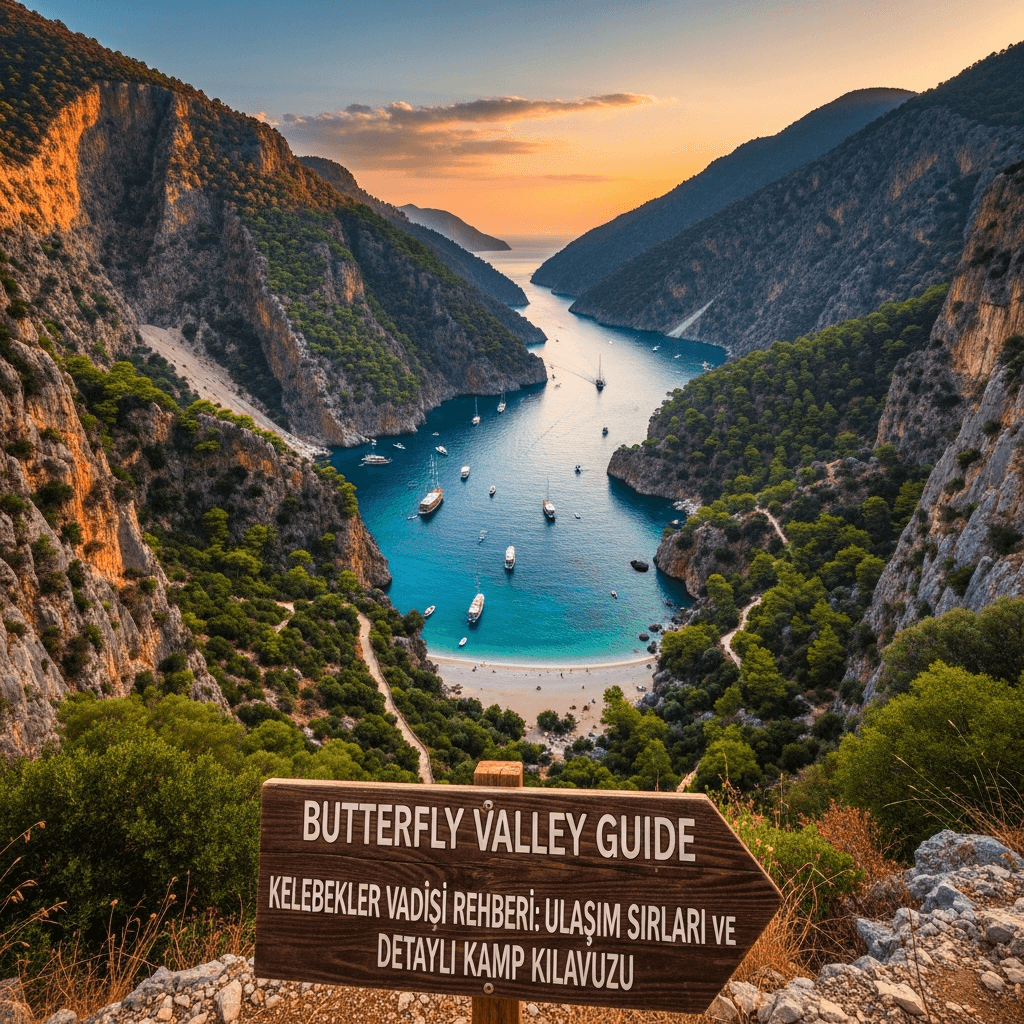
Kelebekler Vadisi Rehberi: Ulaşım Sırları ve Detaylı Kamp Kılavuzu
Fethiye Kelebekler Vadisine nasıl gidilir? Tekne ile mi karadan mı? Kamp ve şelale yürüyüşü için tablo ve maddelerle tam SEO uyumlu dev gezi planı rehberi.
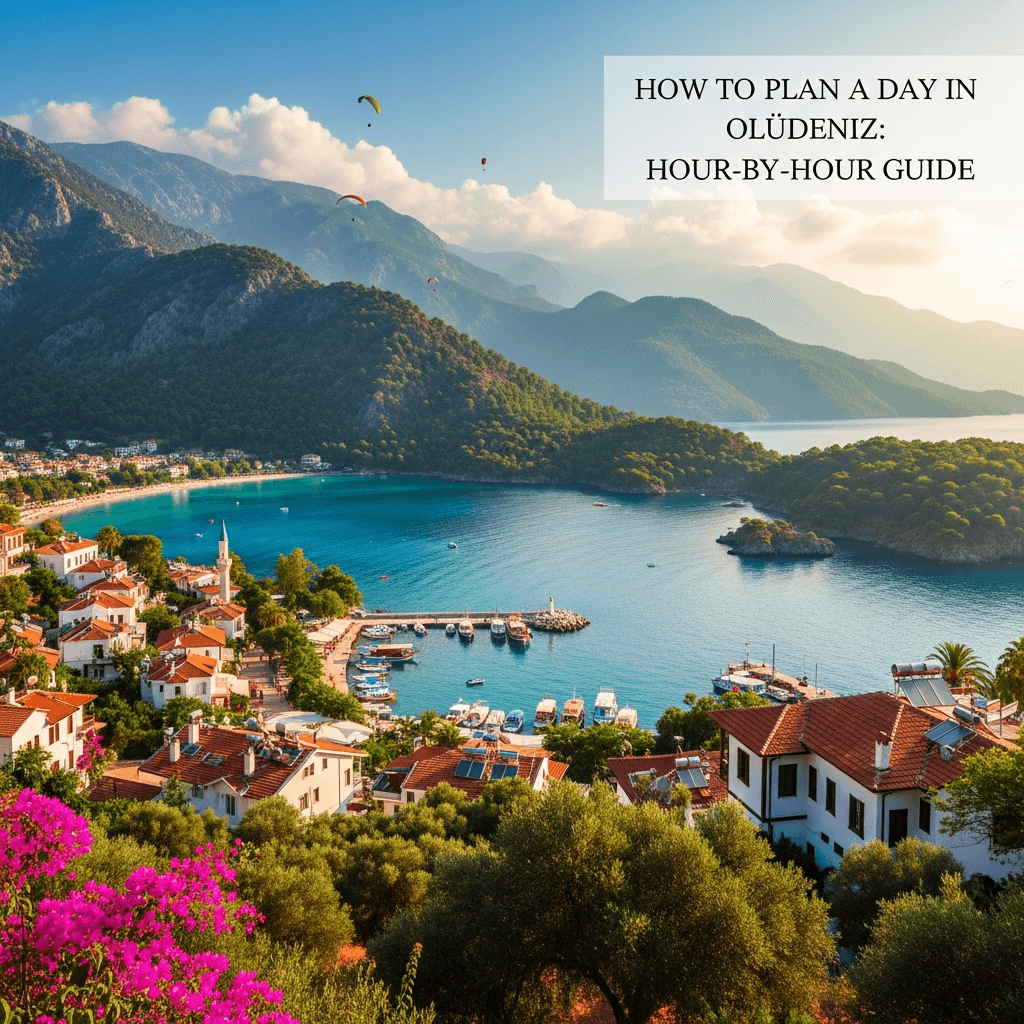
Ölüdeniz Günü Nasıl Planlanır? Kusursuz Bir Gün İçin Saat Saat Akış
Ölüdeniz, Kumburnu lagünü, Belcekız plajı ve Babadağ teleferik turu için tablo ve maddelerle tam SEO uyumlu saat saat gezi planı ve tatil rehberi.
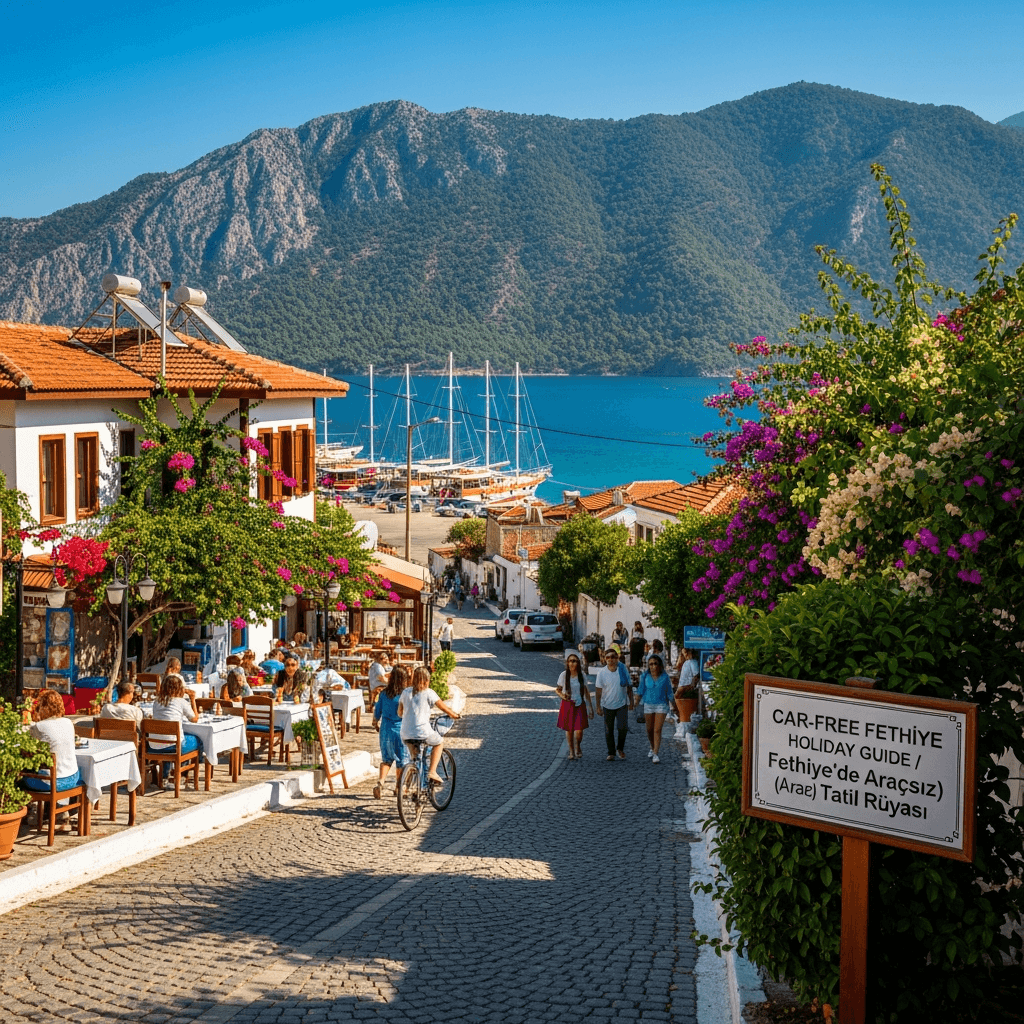
Fethiye’de Araçsız (Arabasız) Tatil Rüyası: Özgürlük, Rahatlık ve Konforun Formülü
Fethiye'de araba kiralamadan harika bir tatil yapmak mümkün. Dolmuşlar, su taksileri ve yürüyüş yollarıyla eşsiz rotalara ulaşım rehberi.
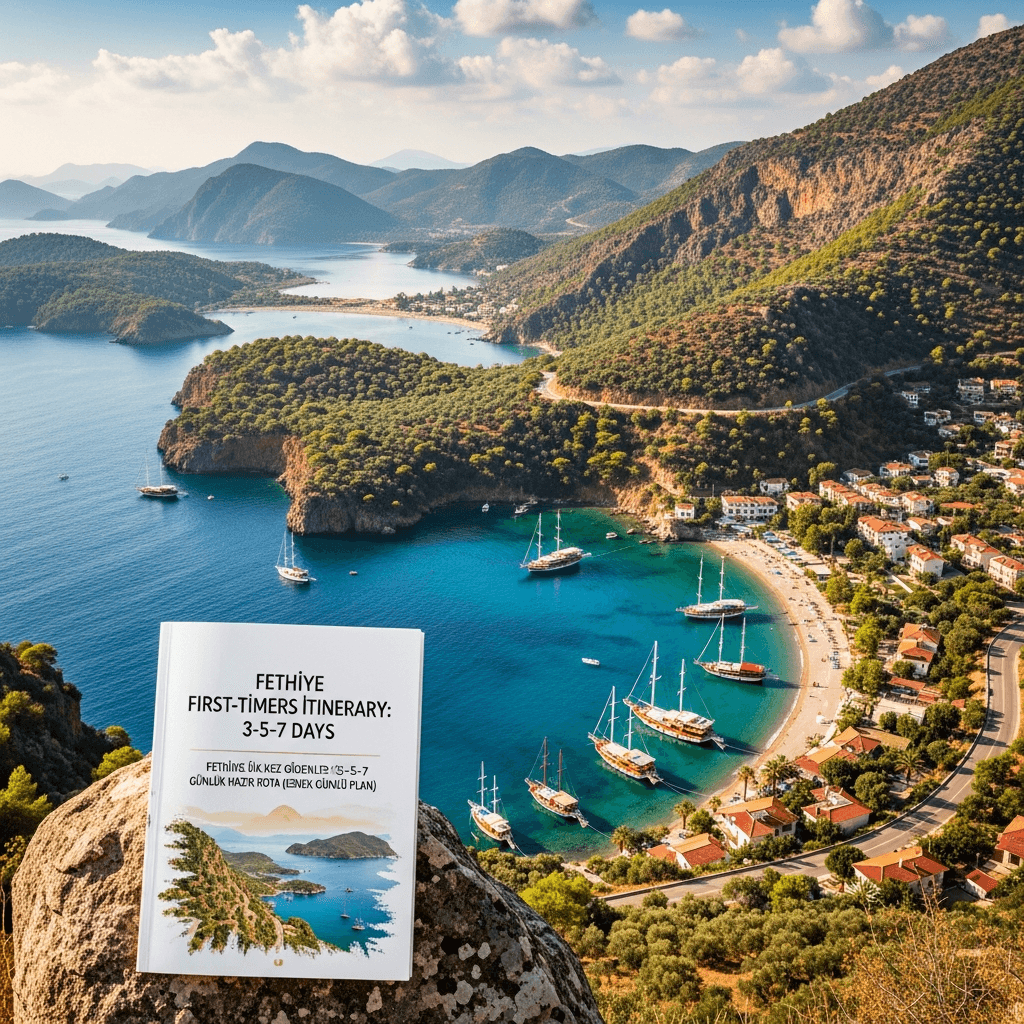
Fethiye İlk Kez Gidenler İçin: 3–5–7 Günlük Hazır Rota (Esnek Günlü Plan)
Fethiye'ye ilk defa gidenler için özenle hazırlanmış tam kapsamlı 3, 5 ve 7 günlük mükemmel tatil rotası. Ölüdeniz, Kelebekler, Saklıkent.
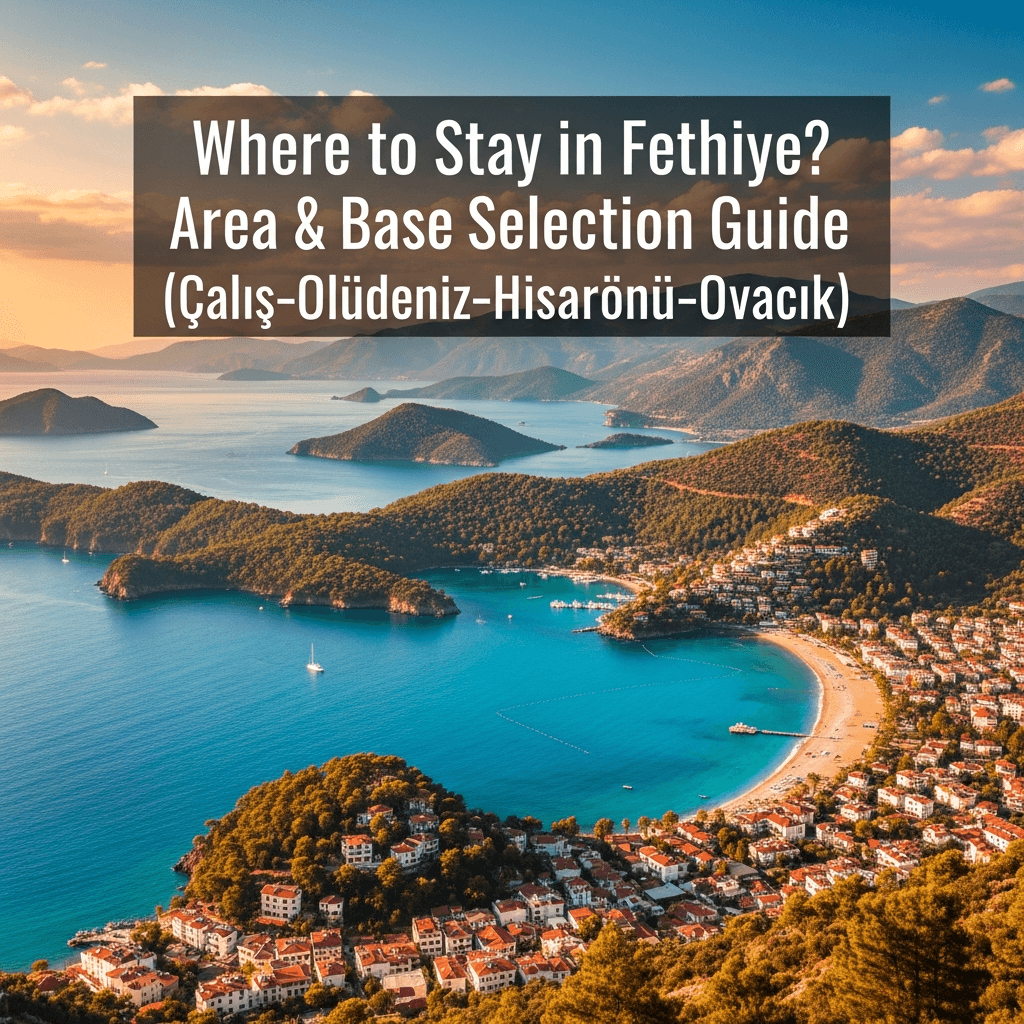
Fethiye’de Nerede Kalınır? Bölge Bölge Base Seçim Rehberi (Çalış–Ölüdeniz–Hisarönü–Ovacık)
Fethiye tatilinde doğru bölgeyi seçmenin püf noktaları. Çalış plajı, Ölüdeniz, Hisarönü, Ovacık ve Merkez detaylı analiz. Kapsamlı tatil rehberi.
Bu rehber işinize yaradı mı?
bölgesindeki daha fazla gizli cenneti keşfetmek için diğer rehberlerimize göz atın.
Tüm Rehberleri Keşfet