Family Travel Safety in Turkey: UK Parent Peace-of-Mind Checklist
TR Pasif.
Hızlı Özet
- • bölgesinde gezilecek en iyi yerler
- •Yerel restoran ve kafe önerileri
- •Konaklama seçenekleri ve fiyat aralıkları
- •Ulaşım bilgileri ve ipuçları
İçindekiler
Family Travel Safety in Turkey: UK Parent Peace-of-Mind Checklist
- Choose family-friendly areas such as Lara Beach in Antalya, Calis Beach in Fethiye, and Gumbet or Bitez near Bodrum for easier access to beaches, promenades and facilities.
- Use official airport taxis, reputable pre-booked transfers and marked dolmuş routes like Antalya’s LC07 or Bodrum–Turgutreis minibuses; always agree the fare or ensure the meter is on.
- Keep passports and EHIC/GHIC equivalents plus travel insurance details in a separate, secure pouch; carry photocopies or digital scans on your phone.
- Tap water quality varies; many families prefer sealed bottled water for drinking and baby formula, which is widely sold in supermarkets along Atatürk Caddesi in most towns.
- Teach children a simple meeting point rule: in resorts, use obvious landmarks such as the main clock tower on Bodrum Meydan or the tram stop outside Antalya’s Ismet Gökşen Caddesi.
- Book excursions with established local agencies on main streets such as Atatürk Bulvarı in Side or Cumhuriyet Caddesi in Marmaris; avoid unmarked sellers on the beach.
- Sun is strong from late May to September; use high-factor sunscreen, UV swimwear and shaded times, especially on exposed beaches like Konyaaltı in Antalya or Iztuzu near Dalyan.
- Most family resorts, promenades and newer buses around Antalya, Bodrum and Fethiye have ramps or low floors, but pavements can be uneven—use robust prams rather than lightweight strollers.
- Emergency numbers: 112 for ambulance, 155 for police; larger towns like Antalya and Bodrum usually have English-speaking operators and hospitals on main roads such as D400.
- For up-to-date visa, entry and safety information, always check UK government travel advice and official Turkish consulate resources before you fly.
For UK parents, Turkey can be a very manageable family holiday destination when you plan a few key details in advance: where you base yourselves, how you move around, how you manage sun, water and food, and what to do if something goes wrong. This checklist-style guide focuses on practical, on-the-ground tips in Turkish resorts and cities so you can concentrate on enjoying your time together.
1. Choosing a Family-Friendly Area in Turkey
Your choice of base affects how easy everyday safety feels. In Turkey, many coastal towns have clearly defined family-friendly zones, beachfront promenades and quieter neighbourhoods that UK parents often prefer.
1.1 Antalya Region: Lara, Konyaaltı and Side
The wider Antalya area along the D400 coastal road offers several family-oriented spots with long promenades, playgrounds and easy access to shops and medical services.
- Lara Beach (east of Antalya centre): Long sandy stretch, family-focused resorts, and a straight run from Antalya Airport along Guzeloba and Lara Caddesi. Many pram-friendly pavements and beachside paths.
- Konyaaltı Beach (west of Antalya centre): Pebble beach with a long seafront promenade, cycle lane and children’s play areas near Atatürk Parkı and along Akdeniz Bulvarı.
- Side and Kumköy: Compact resort area off the D400, with many family facilities along Side Bulvarı and a flat, easy-to-navigate beachfront between Kumköy and the old town.
Simple rule: With younger children and prams, look for accommodation close to a seafront promenade or main boulevard (for example, near Konyaaltı’s Akdeniz Bulvarı or Side Bulvarı), so you minimise time on narrow or uneven side streets.
1.2 Bodrum Peninsula: Gumbet, Bitez and Central Bodrum
The Bodrum peninsula combines busy nightlife pockets with quieter family corners. Location within each town matters.
- Central Bodrum: Around Neyzen Tevfik Caddesi (marina road) and the castle area, you have lit promenades, frequent dolmuş services and access to pharmacies on streets like Atatürk Caddesi.
- Gumbet: Popular with UK families; choose the quieter ends of Adnan Menderes Caddesi, a short walk from the beach but away from the late-night bar clusters.
- Bitez: More laid-back, with a flat beachfront track and children playing along the shorefront just off Atatürk Bulvarı; it’s easier to find early-closing cafés here.
UK-friendly tip: When booking, look for phrases like “near Bitez Sahil Yürüyüş Yolu” (Bitez seaside walking path) or “close to Bodrum Marina on Neyzen Tevfik Caddesi” to prioritise walkable, family-oriented locations rather than hillside or remote settings.
1.3 Fethiye and Oludeniz: Calis and the Promenades
The Fethiye area is popular with families who like a mix of boat trips, markets and mild adventure.
- Calis Beach (Çalış Plajı): Long pedestrian seafront with pushchair-friendly surfaces and playgrounds near Barış Manço Bulvarı. Sunset watching is a major family-friendly activity.
- Fethiye Town: Around İskele Caddesi (harbour road) you’ll find boat trips, ice cream stalls and easy access to pharmacies and supermarkets.
- Oludeniz: The Blue Lagoon area, accessed via the main Oludeniz Caddesi, has gentle water in sheltered spots; pavements can be busy but distances are short.
For more detail on picking your base, you can later read: Best Areas to Stay in Turkey with a Family.
Many Turkish parents look for: a nearby primary school, a well-stocked market (corner shop) on the same street and a busy local bakery (fırın) selling fresh simit and pide. If you see children walking with schoolbags and cyclists along streets like Antalya’s Güllük Caddesi or Fethiye’s Mustafa Kemal Bulvarı in the early evening, you are likely in a family-oriented neighbourhood.
2. Arrival, Transfers and Getting Around Safely
Most UK families arrive through airports such as Antalya (AYT), Dalaman (DLM), Bodrum–Milas (BJV) or Izmir (ADB). The first transfer from the airport sets the tone for your holiday.
2.1 Safe Airport Transfers
- Pre-book private transfers: Arrange in advance with a recognised provider. At Antalya, the official meeting points are just outside the arrivals doors of Terminal 1 and 2, by the signed bays along Havaalanı Caddesi.
- Official airport taxis: Taxis at stands directly outside arrivals are licensed. In Antalya and Bodrum, you should see a price board listing approximate fares to districts such as Lara, Konyaaltı, Gumbet and Bitez.
- Agree key points: Confirm the destination (e.g. “Lara Beach, near Güzeloba Mahallesi”), approximate fare, and that the meter (taksimetre) will be used.
Simple rule: Avoid hopping into unmarked cars offering transport inside or just outside the terminal building. Walk to the official rank or your pre-arranged meeting point.
2.2 Using Dolmuş (Shared Minibuses) with Children
Dolmuş minibuses are a common way to travel between resorts and nearby villages, and most UK families use them at least once.
- Examples of useful routes:
- Antalya: LC07 line running between Lara and Antalya city centre via key stops along Tekelioglu Caddesi.
- Bodrum: Bodrum–Turgutreis dolmuş from the main bus station on Cevat Şakir Caddesi, passing through Gumbet and Bitez junctions.
- Fethiye: Fethiye–Oludeniz dolmuş from the dolmuş station off Baha Şıkman Caddesi, via Ovacik and Hisaronu.
- Paying: You usually pay the driver in cash (Turkish lira). Keep small notes handy (10–50 TRY).
- With prams: Fold prams where possible before boarding; dolmuş steps can be steep.
UK-friendly tip: Sit children away from the sliding door if seats are available. The driver controls the door but it is more comfortable and less distracting for younger kids to sit further inside.
2.3 Taxis and Ride-Hailing
- Taxi ranks: In resort areas you’ll find official taxi stands on main streets such as Atatürk Caddesi in Marmaris, İsmet İnönü Bulvarı in Alanya and Neyzen Tevfik Caddesi in Bodrum.
- Car seats: Not all taxis carry child seats; you can request one when pre-booking transfers, or bring a travel booster for older children.
- Ride-hailing apps: Availability depends on the city and local rules and may change; always check locally once you arrive.
3. Sun, Heat and Beach Safety
Turkey’s Mediterranean and Aegean coasts can be very hot from June to September, especially on exposed beaches and boat decks.
3.1 Managing Sun Exposure
- Peak heat: Typically 11:00–16:00 on beaches such as Lara, Konyaaltı, Gumbet and Calis.
- Shade: Many beaches provide umbrellas (şemsiye) and cabanas. On Konyaaltı and Calis, lines of parasols run along the shorefront promenade, making it easier to keep younger children in the shade.
- Clothing: UV swimsuits, wide-brim hats and rash vests help; cotton T-shirts are widely sold in markets like Fethiye’s Tuesday market on Salı Pazarı Caddesi.
Simple rule: Aim for early-morning (before 11:00) or late-afternoon (after 16:00) beach time with under-5s, especially on darker pebbled beaches like Konyaaltı, which can become hot underfoot.
3.2 Water Safety at Beaches and Pools
- Lifeguards: Many organised beaches and larger complexes have lifeguards, but coverage varies. Look for flag systems and lifeguard towers, particularly at central sections of Konyaaltı, Lara and Oludeniz.
- Currents: Some open-water beaches (e.g. Gumbet’s outer areas and parts of the Bodrum peninsula) can experience choppier seas on windy days. The Blue Lagoon at Oludeniz and calm corners of the Calis seafront are typically more sheltered.
- Pools: Check depth markings and whether there is a dedicated children’s pool. Many complexes near Atatürk Bulvarı in Side and Barış Manço Bulvarı in Calis have shallow pools, but always verify on arrival.
Look out for freshly baked pide (flatbread often topped like pizza), plain
4. Food, Water and Tummy Troubles
Many UK families eat very well in Turkey. A few basic habits reduce the chances of upset stomachs.
4.1 Drinking Water and Formula
- Tap water: Locals in many areas use tap water for washing and brushing teeth, but families often prefer bottled water for drinking, and especially for mixing baby formula.
- Bottled water: Available everywhere from large supermarkets on D400-side roads to corner shops on streets like Bodrum’s Cafer Paşa Caddesi or Fethiye’s Muzaffer Yetisir Caddesi.
- Check seals: Make sure caps are sealed and bottles are unbroken.
4.2 Eating Out with Children
- Busy but not chaotic: Choose restaurants on main promenades (e.g. Antalya’s Kaleiçi harbour front, Calis seafront, Bodrum marina area) that are busy with local families in the evening.
- Menus: Simple grilled chicken (tavuk şiş), rice (pilav), yoghurt (yoğurt) and lentil soup (mercimek çorbası) are usually child-friendly.
- Street food: Go for stalls with steady turnover, especially in city centres like Izmir’s Kordonboyu area or Antalya’s Cumhuriyet Meydanı, where locals queue.
UK-friendly tip: Pack a small supply of familiar UK snacks for travel days and picky phases, then gradually introduce local favourites such as simit, gözleme (stuffed flatbreads) and mild pide.
4.3 Dealing with Minor Tummy Upsets
- Rehydration: Oral rehydration salts are worth bringing from the UK. Local pharmacies (eczane) on main streets like Atatürk Caddesi in most towns can also advise.
- When to seek help: If a child has persistent vomiting, high fever or signs of dehydration, contact your travel insurance’s medical helpline and consider visiting a nearby clinic or hospital.
For broader health preparation ideas, see: Health Preparation for Turkey.
5. Health, Insurance and Emergencies
Knowing what to do in an emergency is one of the biggest contributors to peace of mind.
5.1 Travel Insurance and Documents
- Insurance: Choose a policy that clearly covers family medical emergencies, hospital treatment in Turkey and medical repatriation. Check fine print for adventure activities like paragliding in Oludeniz.
- Documents: Keep digital copies of passports, insurance policy and any prescriptions in secure cloud storage and on your phone.
- On the ground: Carry a small pouch with photocopies of the photo page of passports and an emergency contact card in both English and simple Turkish (hotel address or area, e.g. “Konyaaltı Plajı, Antalya”).
5.2 Accessing Medical Care in Tourist Areas
- Pharmacies: Marked with a red “E” sign as eczane. In areas like Bodrum’s Cevat Şakir Caddesi and Antalya’s Güllük Caddesi, there is usually an on-duty pharmacy even late.
- Hospitals and clinics: Larger resorts and cities have private clinics along main roads like the D400, especially close to Antalya city, Fethiye and Marmaris. Many have English-speaking staff.
- Emergency numbers: Dial 112 for ambulance, 155 for police. These numbers route to central services, and in resort areas, English is often available.
If you are unsure where the nearest medical facility is, walk to the closest pharmacy on a main street (for example, Atatürk Caddesi in many towns) and show your child if you need urgent help. Pharmacists in Turkey are used to directing tourists to appropriate clinics or calling a taxi or ambulance for you.
6. Personal Safety, Crowds and Common Hassles
Tourist areas in Turkey are used to international visitors, including families. Petty issues do occur, as in any busy destination, so some simple habits go a long way.
6.1 Looking After Valuables
- In crowds: In busy bazaars like the old town streets around Bodrum’s Cumhuriyet Caddesi or Antalya’s Kaleiçi lanes (such as Hesapçı Sokak), use zipped bags worn to the front.
- On the beach: Take only essential cash and one bank card. Many families share a small waterproof pouch rather than leaving valuables on sunbeds.
- Room safes: Store passports and spare cards securely; carry only what you need each day.
6.2 Taxis, Tours and Excursions
- Book from visible premises: Use clearly signed agencies on main streets such as Atatürk Bulvarı in Side, Barlar Sokak-adjacent offices in Fethiye, or tour kiosks along Bodrum marina.
- Ask specific questions: For boat trips from Fethiye harbour on İskele Caddesi or Bodrum harbour on Neyzen Tevfik Caddesi, ask about life jackets for children, shaded seating and lunch arrangements.
- Price clarity: Confirm whether drinks, transport to the harbour and equipment hire are included before paying a deposit.
Simple rule: If a deal feels unclear or rushed—especially from someone approaching you directly on the beach or in a back street—politely decline and book via a visible office on a main road.
6.3 Markets and Bazaars with Kids
Weekly markets such as Fethiye’s Tuesday market on Salı Pazarı Caddesi or Antalya’s Lara Saturday market can be colourful but crowded.
- Agree a meeting point, such as the main entrance archway or a specific fruit stall at the corner of the first aisle.
- Use a wristband with your phone number including +44 and the name of your area (e.g. “Calis, Fethiye” or “Konyaaltı, Antalya”).
- Carry a small amount of cash in an easy-access pocket for bargaining; keep cards and larger sums elsewhere.
7. Accommodation Safety Checks (Without Naming Hotels)
Wherever you stay—apartment, villa, guesthouse or resort—carry out a simple safety sweep when you arrive.
7.1 Rooms, Balconies and Windows
- Balconies: Check railing height and gaps. If you are staying in hillside areas of Bodrum or Kalkan, balconies can be higher with steeper drops, so set clear rules with children.
- Windows: Note which windows have child-height handles, especially in apartments along busy streets like Atatürk Caddesi or near harbour roads.
- Furniture placement: Move chairs or low tables away from balcony railings to reduce temptation to climb.
7.2 Pools and Shared Areas
- Barriers: Check whether there is any fencing or visual barrier between your room and the pool, especially in villa-style complexes near roads like Barış Manço Bulvarı in Calis or Mithatpaşa Caddesi in Izmir.
- Slippery tiles: Wet surfaces can be smooth; bring basic water shoes for younger children.
- Lighting: Note how well paths are lit between your room and main facilities—particularly on sloping sites common around hillier resorts.
In busy areas just off main roads like Antalya’s İsmet Gökşen Caddesi or Bodrum’s Cevat Şakir Caddesi, some families prefer upper floors for reduced noise and fewer insects. In more spread-out resort layouts near the beach, ground-floor rooms can be easier for prams and nap runs. Balance balcony concerns with mobility needs.
8. Paperwork, Money and Connectivity
8.1 Passports, Visas and Entry
- Passports: Ensure at least six months’ validity from your arrival date is generally recommended; always check current UK government advice.
- Visas: Visa rules and fees can change. Use official Turkish government or consular websites and UK government travel advice for up-to-date requirements for UK citizens and children.
- Entry cards: Some systems are digital. Follow airline and border staff instructions and keep boarding passes handy at arrival airports such as Dalaman and Antalya.
8.2 Money Management
- Currency: Turkish lira (TRY) is widely used; some tourist shops may quote prices in euros or pounds near marinas or on streets like Bodrum’s Cumhuriyet Caddesi.
- Cards and cash: ATMs are common on main streets like Atatürk Caddesi, Barış Manço Bulvarı and around major squares. Use machines attached to banks where possible.
- Daily cash: Many UK families keep a modest daily budget in a separate wallet and store the rest in room safes.
8.3 Staying Connected
- Roaming: Check with your UK provider whether Turkey is included in your allowance or charged separately.
- Local SIMs: Shops selling SIM cards cluster around transport hubs and central streets like Antalya’s Güllük Caddesi and Fethiye’s Çarşı Caddesi. Bring passport ID if you plan to buy one.
- Wi-Fi: Many cafés on seaside promenades—from Calis to Konyaaltı—offer free Wi-Fi. Ask staff for the password (şifre).
9. Talking to Children About Safety
A short conversation before and on arrival helps children feel prepared rather than worried.
9.1 Simple Rules to Agree as a Family
- Always stay where a grown-up can see you at the pool or beach.
- Ask before going to the toilets in restaurants or on beaches, and go with a sibling or parent where possible.
- If you get separated in a market or on streets like Bodrum’s Cumhuriyet Caddesi, go to the nearest shop, café or pharmacy and show your contact card.
- Learn one basic phrase: “Yardım lütfen” (yar-dum lüt-fen) – “Help, please”.
9.2 Picking Meeting Points
In each new area, instantly agree a clear, visible landmark:
- On Konyaaltı seafront, the main tram stop on Akdeniz Bulvarı or a particular playground on the promenade.
- In Bodrum, the main square (Meydan) near the castle entrance at the end of Neyzen Tevfik Caddesi.
- In Fethiye, the big statue on the harbour front along İskele Caddesi or the main clock in the square off Atatürk Caddesi.
10. Peace-of-Mind Pre-Departure Checklist
Use this concise checklist a week before you leave and again the day before your flight.
10.1 Documents and Admin
- Passports valid for everyone and scanned copies saved online.
- Travel insurance details printed and stored on your phone.
- Visa requirements checked via official sources; any forms completed.
- Airport transfers booked with clear meeting instructions.
10.2 Health and Safety Kit
- Prescription medicines with original labels and a brief doctor’s note if needed.
- Basic first-aid items: plasters, antiseptic wipes, child-safe pain relief, oral rehydration salts.
- High-factor sunscreen, after-sun lotion, hats and UV clothing.
- Spare pair of glasses or contact lenses if required.
10.3 On-the-Ground Planning
- Saved offline map of your area (e.g. Konyaaltı, Lara, Bodrum marina, Calis) on your phone.
- Address of your accommodation in English and Turkish on a card in your wallet and children’s bags.
- Nearest pharmacy and hospital pinned on your map (search by “eczane” and “hastane” near main roads like D400 or Atatürk Caddesi).
- Agreed simple family rules for pool time, markets and beach play.
For deeper planning at the airport and on the plane, you may also like: Packing List for Turkey with Kids.
FAQ
Is Turkey generally suitable for family holidays from the UK?
Many UK families travel to Turkey each year, particularly to coastal areas like Antalya, the Bodrum peninsula and Fethiye. These regions are used to hosting children of all ages, with family-oriented promenades, restaurants serving early dinners and activities such as boat trips from Fethiye harbour or gentle beach days in Calis and Bitez. As with any destination, a combination of good preparation, sensible supervision and awareness of local conditions is key.
Can children drink the tap water in Turkey?
Tap water is used by locals for washing and sometimes for drinking, but many UK families prefer to use bottled water for drinking and especially for preparing baby formula. Bottled water is widely available from supermarkets and corner shops on main streets like Atatürk Caddesi and Barış Manço Bulvarı in most towns. Always check that the bottle seal is intact.
How hot does it get in Turkish resorts in summer?
Temperatures on the Mediterranean and Aegean coasts (Antalya, Bodrum, Fethiye, Marmaris) often reach the high 20s to mid-30s °C from June to September, sometimes higher during heatwaves. Midday sun on open beaches like Lara, Konyaaltı and Gumbet can feel intense, so many families plan outdoor play for early mornings and late afternoons, using shade, high-factor sunscreen and hats.
Are taxis and dolmuş minibuses safe for families?
Licensed taxis and dolmuş minibuses are widely used by local families in Turkey. Choose taxis from official ranks on main streets, ask for the meter to be used and specify your destination clearly (e.g. “Konyaaltı Plajı” or “Calis Plajı”). Dolmuş routes such as Antalya’s LC07 or Fethiye–Oludeniz are routine for residents; with young children, sit well inside, fold prams and keep an eye on belongings as you would anywhere.
What should I do if my child needs a doctor in Turkey?
For non-urgent issues, head to a nearby pharmacy (eczane) on a main street such as Atatürk Caddesi or Güllük Caddesi, and show the pharmacist your child or your list of symptoms. They can usually advise whether over-the-counter remedies are suitable or whether you should visit a clinic or hospital. For urgent issues, call 112 for an ambulance and contact your travel insurance provider’s medical assistance line as soon as practical.
Is it safe to eat street food in Turkey with children?
Many families enjoy simple street food such as simit, corn-on-the-cob and gözleme. Choose stalls in busy areas with high turnover, such as harbour fronts on İskele Caddesi in Fethiye or promenades in Konyaaltı and Calis where locals are queuing. For younger children or sensitive stomachs, start with basic, cooked options and familiar foods, and keep hand-washing or wipes available before eating.
How can I keep my child safe in busy markets and bazaars?
In busy markets such as Fethiye’s Tuesday market on Salı Pazarı Caddesi or old-town bazaars around Bodrum’s Cumhuriyet Caddesi, agree a meeting point, use ID wristbands with your local address and phone number, and keep younger children in a buggy or holding hands. Make it clear that if they lose sight of you, they should go directly to a stallholder, pharmacy or café and show their contact card.
Selin Aktaş
Editör"Ege köylerine ve butik otellere olan tutkusuyla tanınan Selin, 10 yılı aşkın süredir Türkiye'nin gizli kalmış rotalarını keşfediyor."
Hakkında Rehberler
İstanbul’da Ulaşım Rehberi: İstanbulkart, Metro/Tramvay/Feribot Mantığı (Kafası Karışanlara)
İstanbul'da ulaşım karmaşasına son verin! İstanbulkart, metro, tramvay, otobüs ve feribot gibi toplu taşıma ağlarını kolayca anlayın.
İstanbul’da En İyi Fotoğraf/İçerik Rotası: 1 Günde Viral Kareler (Işık Saatleri + Kalabalık Stratejisi)
İstanbul'un en viral fotoğraf noktalarını keşfedin! Boğaz, Galata ve Tarihi Yarımada'da 1 günde, ışık saatleri ve kalabalık stratejileriyle mükemmel kareler yakalayın.
İstanbul Bütçe Planlayıcı: Ekonomik/Dengeli/Rahat Mod (Fiyat Vermeden Harcama Mantığı)
İstanbul gezinizi bütçenize uygun planlayın! Ekonomik, dengeli veya rahat modlarla harcama mantığını keşfederek şehri doyasıya yaşayın.
İstanbul’da Çocukla Gezi: Bebek/Çocuk Checklists + Öğle Sıcağı/Yağmur Planı
İstanbul'da çocukla gezmek artık çok kolay! Bebek/çocuk kontrol listeleri ve öğle sıcağı/yağmur için özel İstanbul gezi planları bu rehberde.
İstanbul’da “Yürüyerek Gezilecek” Semtler: 2–3 Saatlik Mini Rotalar (Harita Mantığıyla)
İstanbul'un en güzel semtlerini yürüyerek keşfedin! Tarihi yarımada ve Boğaz çevresindeki 2-3 saatlik mini rotalarla şehri deneyimleyin.
İstanbul’da Camii Ziyareti Rehberi: Giyim, Saat, Fotoğraf Kuralları (Turist İçin Basit Anlatım)
İstanbul camilerini ziyaret edecek turistler için giyim, saat ve fotoğraf kuralları rehberi. Cami ziyaretinizden önce bilmeniz gereken tüm detayları basitçe öğrenin.
İstanbul’da Dolandırılmadan Değil, “Sürpriz Yaşamadan” Gezmek: Basit Kurallar (Taksi, Menü, Tur)
İstanbul'da taksi, menü ve tur sürprizleri yaşamadan güvenle gezmek için basit kuralları keşfedin. Dolandırılmadan keyifli bir İstanbul deneyimi için ipuçları burada.
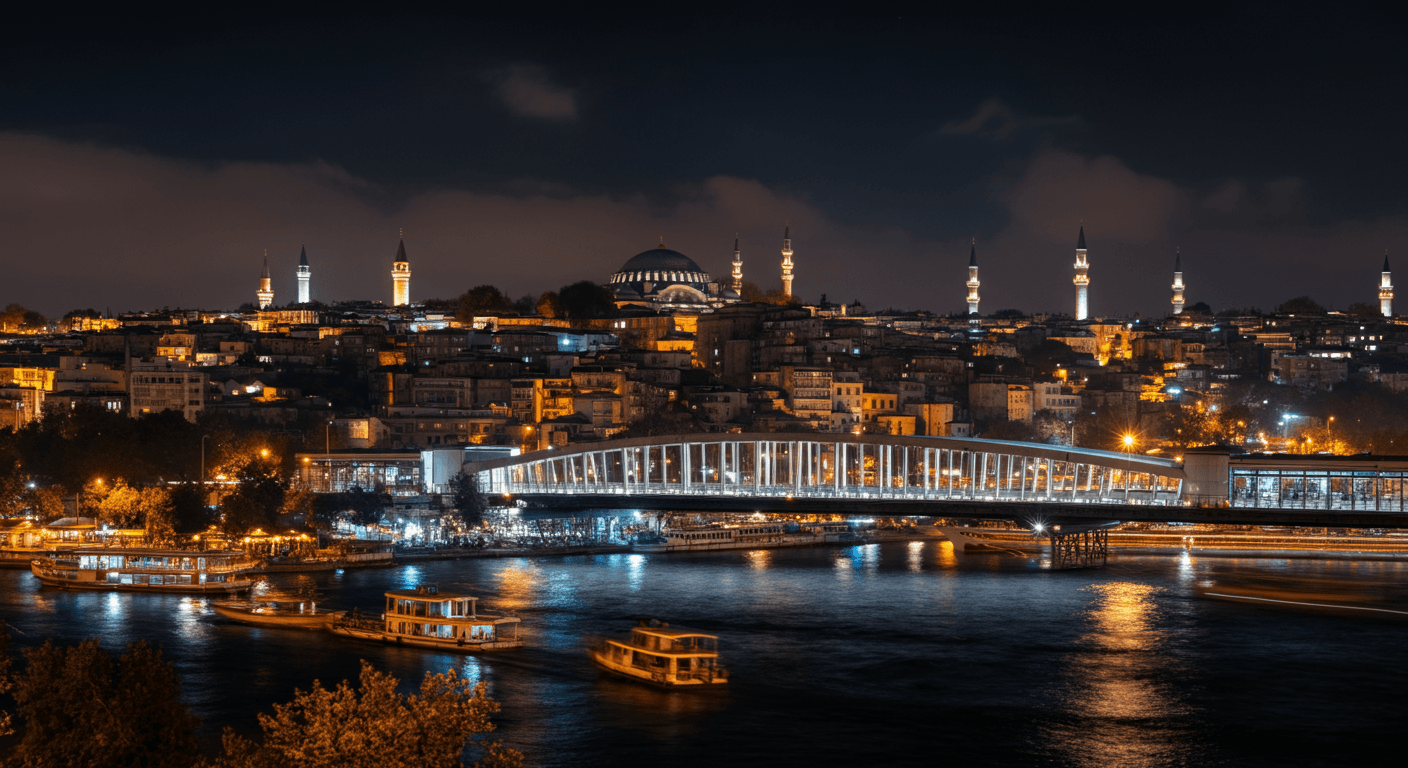
İstanbul’da “Akşam Ne Yapılır?” Rehberi: Aile/Çift/Tek Kişi İçin Güvenli ve Keyifli Plan
İstanbul'da akşam ne yapılır? Aile, çift veya tek kişi için Boğaz turu, tarihi mekanlar ve güvenli eğlence seçenekleriyle dolu rehberimizi keşfedin.
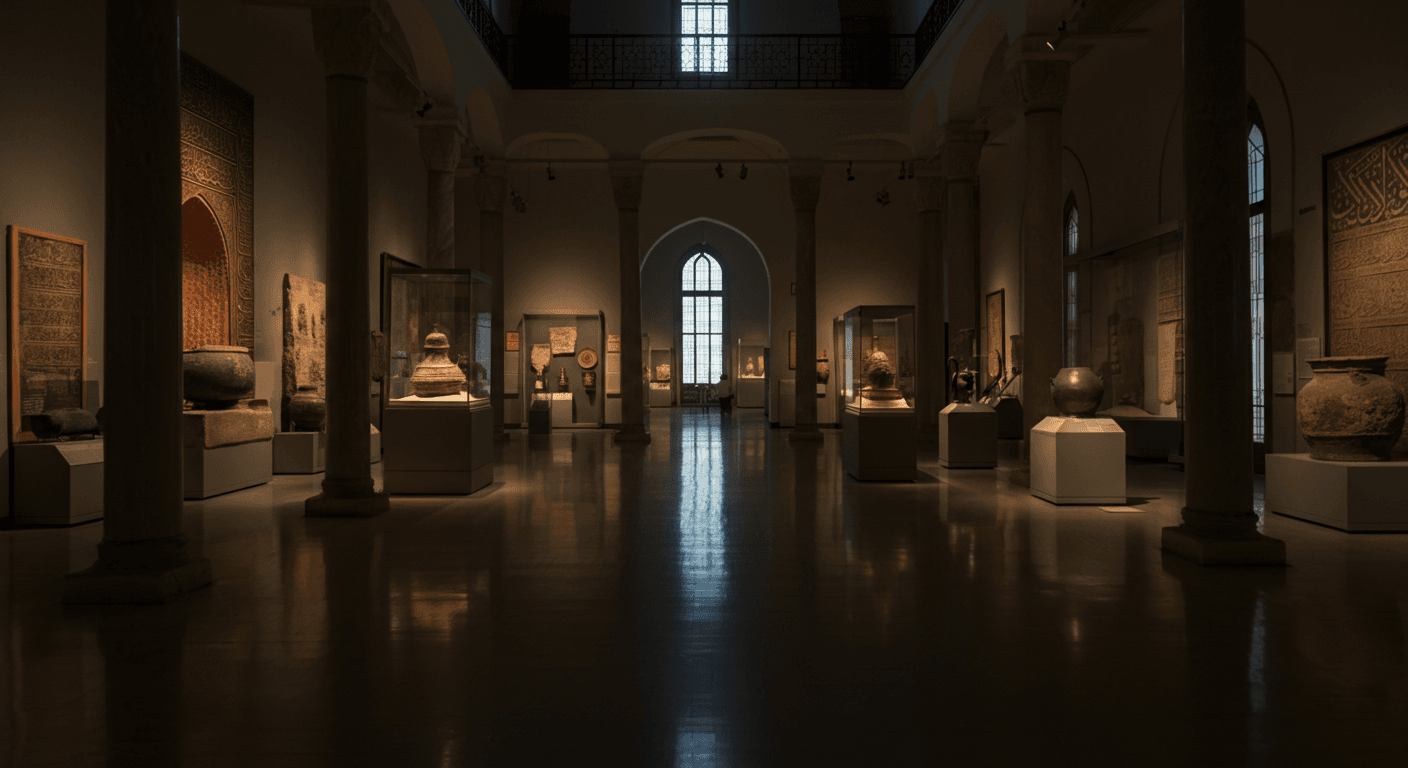
İstanbul’da Yağmurlu Gün Planı: Kapalı Mekân Rotaları (Müze + Çarşı + Kafe Akışı)
İstanbul'da yağmurlu havalarda sıkılmayın! Müzeler, tarihi çarşılar ve şirin kafelerle dolu kapalı mekan rotalarıyla keyifli bir gün geçirin.
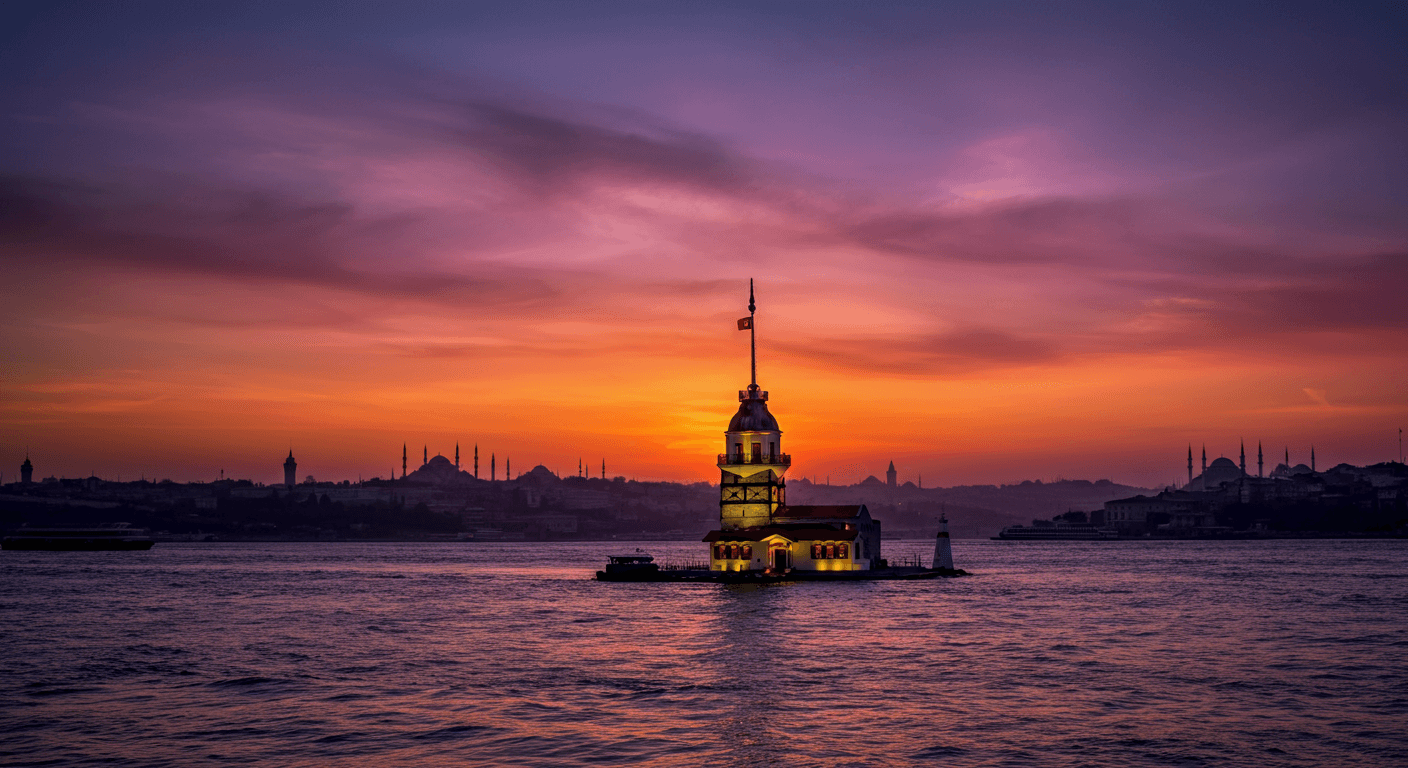
İstanbul’da Gün Batımı Noktaları: Kalabalıksız Saatler + En İyi “Sunset Walk” Rotaları
İstanbul'da kalabalıktan uzak gün batımı noktaları ve Boğaz'da eşsiz sunset walk rotalarıyla şehrin büyüsüne kapılın.
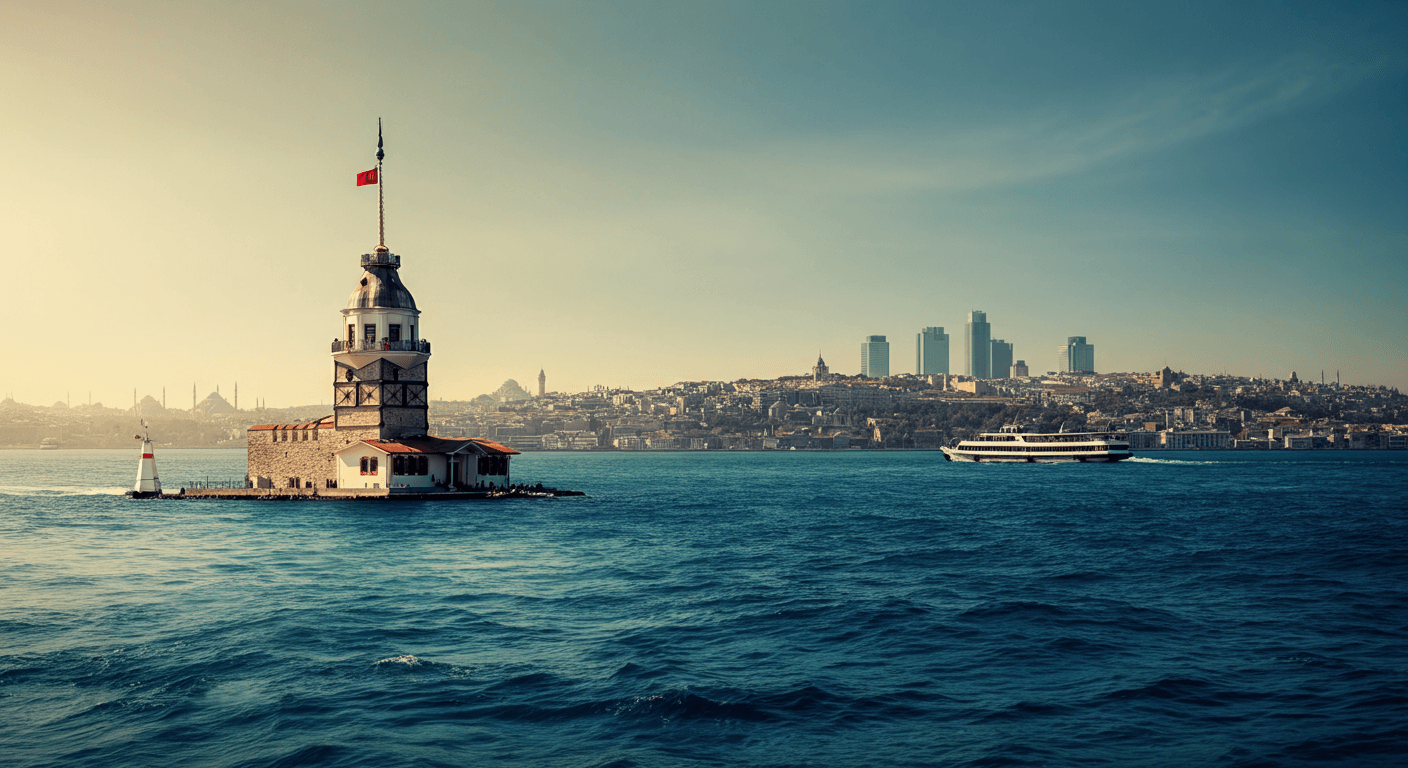
İstanbul’da 1 Günde 2 Kıta: Avrupa → Anadolu Rotası (Saat Saat + Yürüme Seviyesi)
İstanbul'da bir günde Avrupa'dan Anadolu'ya geçiş rotasını keşfedin! Saat saat planlanmış bu eşsiz gezi rehberiyle iki kıtayı yürüme seviyenize göre deneyimleyin.

Sabiha Gökçen’den Şehre En Kolay Ulaşım: Seçenekler ve Hangi Saatte Hangisi Mantıklı?
Sabiha Gökçen (SAW) havalimanından İstanbul şehir merkezine en kolay ulaşım (metro, Havabüs, taksi) seçeneklerini ve saatinize göre en mantıklı yolu keşfedin.
İstanbul Havalimanı (IST) Transfer Seçimi: Taksi mi Metro mu Özel Transfer mi? (Gece Varışı Planı)
İstanbul Havalimanı (IST) gece varışı için taksi, metro veya özel transfer mi? İstanbul'a en hızlı ve konforlu ulaşım seçeneğini keşfedin.

İstanbul’da Ulaşım Rehberi: İstanbulkart, Metro/Tramvay/Feribot Mantığı (Kafası Karışanlara)
İstanbul'da ulaşımı çözün! Turistler için İstanbulkart nasıl alınır, T1 Tramvay, M2 Metro ve vapur kullanımı, taksi tuzaklarından korunma rehberi.

İstanbul’a İlk Kez Gelenler: 3–5–7 Günlük Hazır Rota (Yormayan Plan + Esnek Günler)
İstanbul'u yorulmadan ve kaybolmadan gezmek isteyenler için saat saat planlanmış, en verimli 3 günlük, 5 günlük ve 7 günlük hazır turistik gezi rotası.

İstanbul’da Nerede Kalınır? Bölge Bölge Base Seçim Rehberi (İlk Kez Gelenler İçin)
İstanbul'da ilk kez nerede kalınır? Sultanahmet, Karaköy, Taksim, Beşiktaş ve Kadıköy bölgelerinin detaylı, artı-eksi analizli, ulaşım odaklı konaklama rehberi.
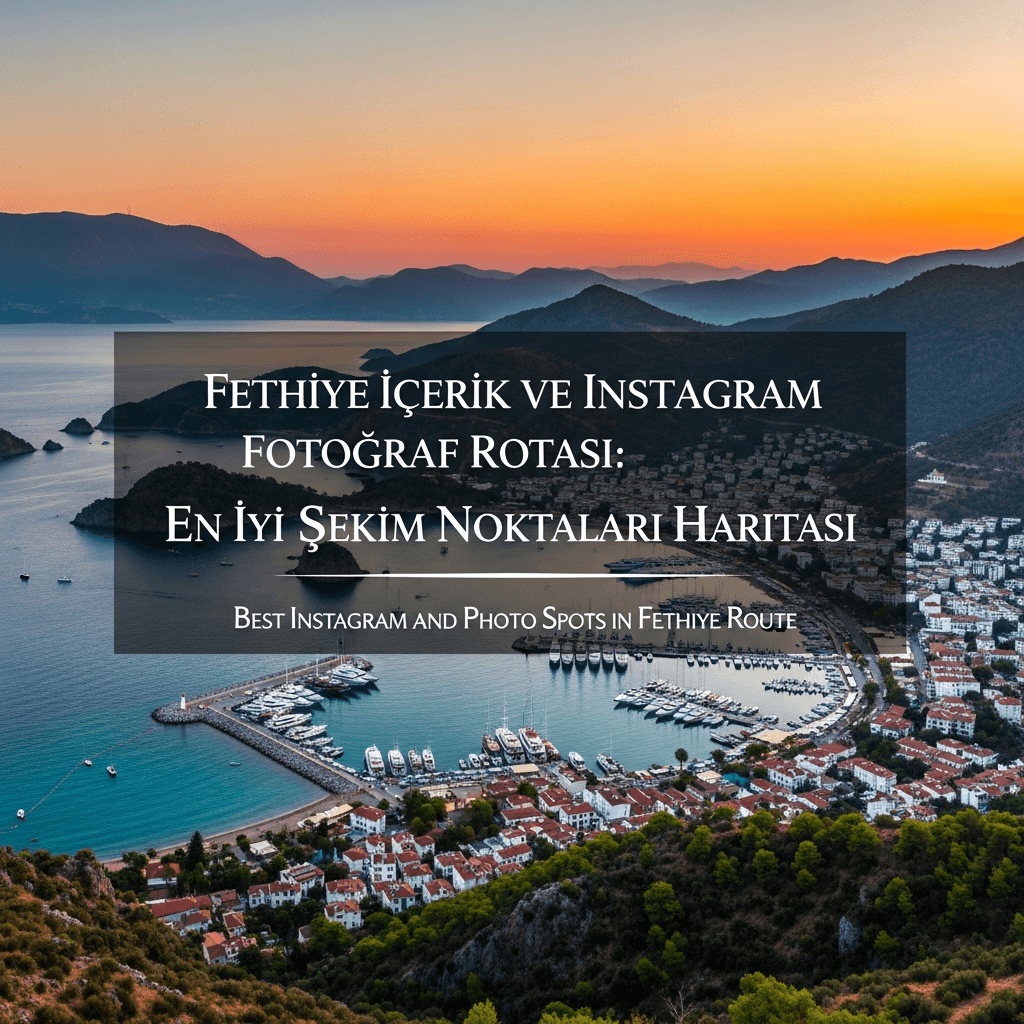
Fethiye İçerik ve Instagram Fotoğraf Rotası: En İyi Çekim Noktaları Haritası
Fethiye'nin en iyi Instagram fotoğrafı nerede çekilir? Kelebekler vadisi seyir zirvesi, Babadağ sonsuzluk terası ve SEO odaklı şemsiyeli sokak ışık rehberi.
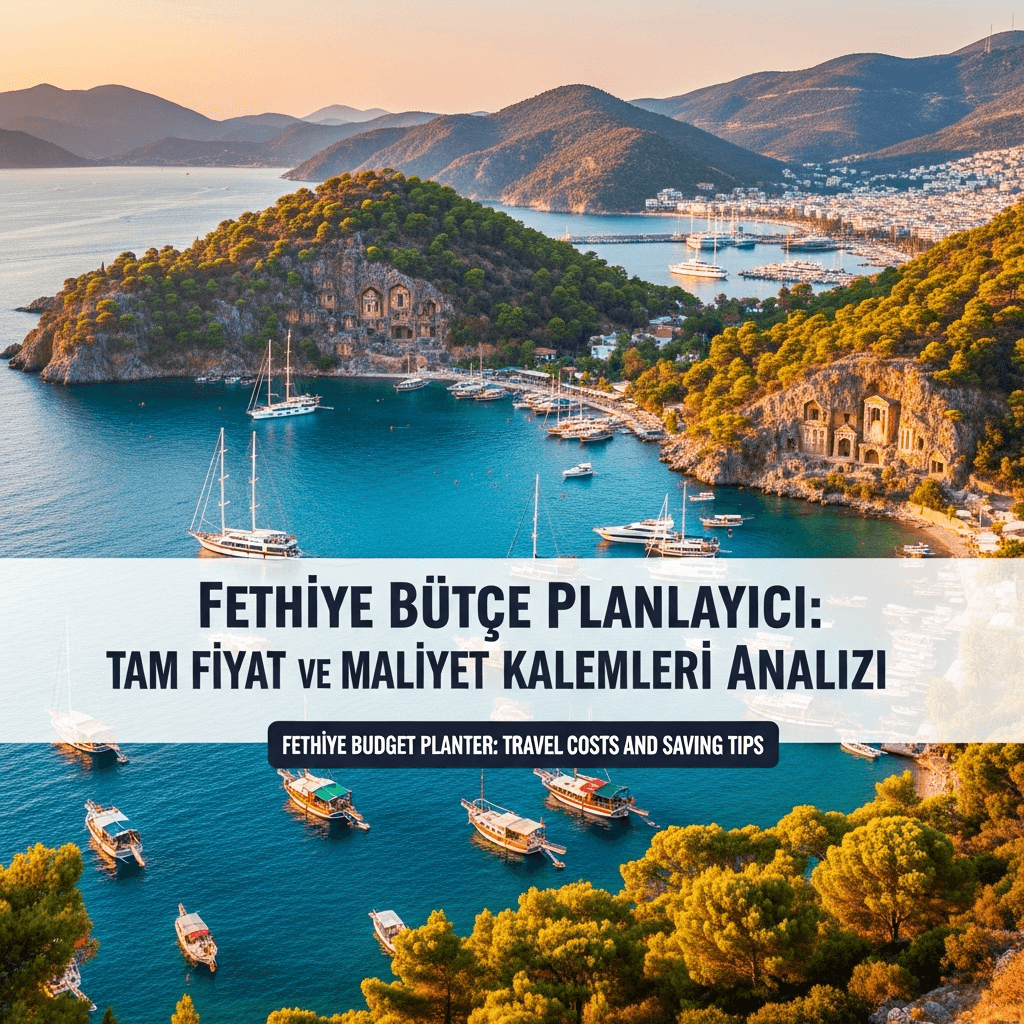
Fethiye Bütçe Planlayıcı: Tam Fiyat ve Maliyet Kalemleri Analizi
Fethiye ne kadar pahalı? 2024 ve 2025 yemek fiyatları, Dolmuş ücreti, Tekne turu ve ucuz villa otel maliyetleri hakkındaki en eksiksiz SEO tatil bütçe hesaplayıcısı.
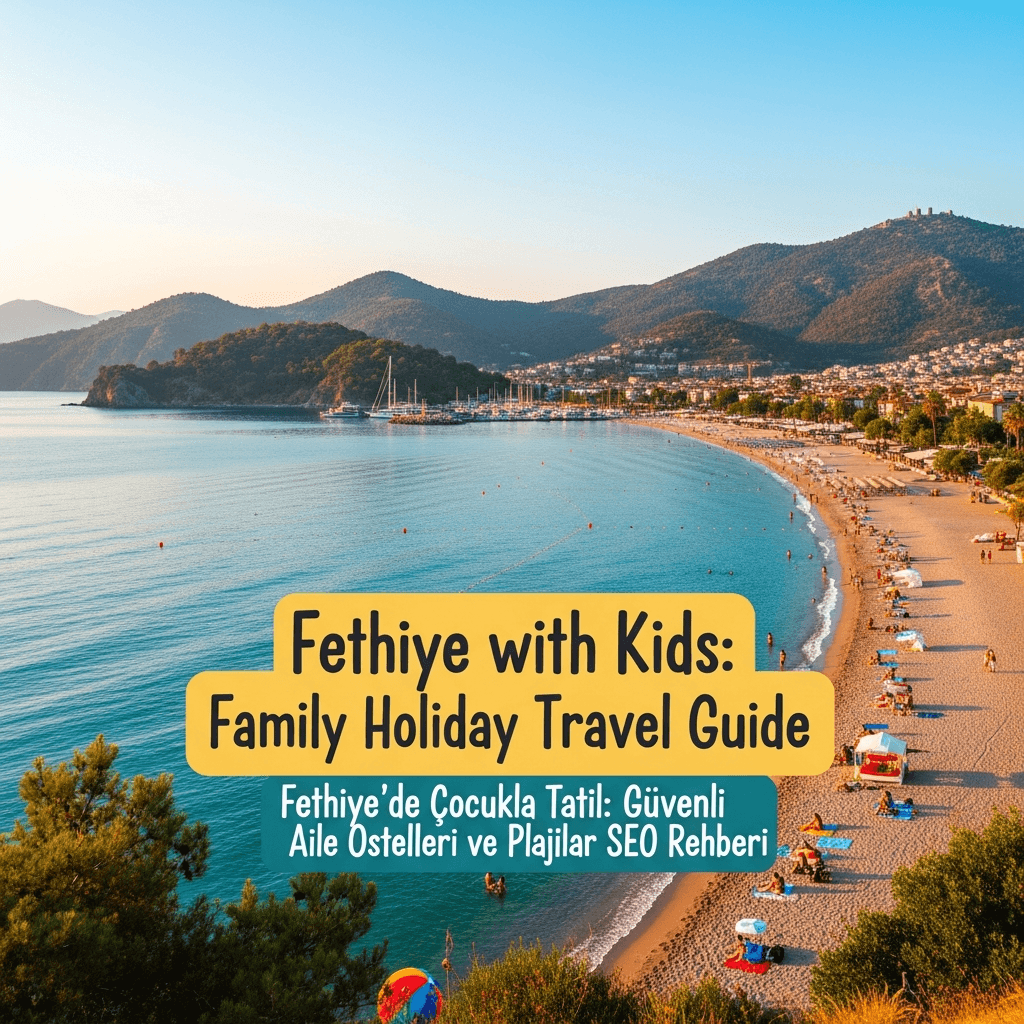
Fethiye’de Çocukla Tatil: Güvenli Aile Otelleri ve Plajlar SEO Rehberi
Fethiye çocukla tatile gidilir mi? Bebekli ve küçük çocuklu aileler için sığ Ölüdeniz kumsalları, puset dostu Çalış sahil otelleri ve SEO etkinlik rehberi.
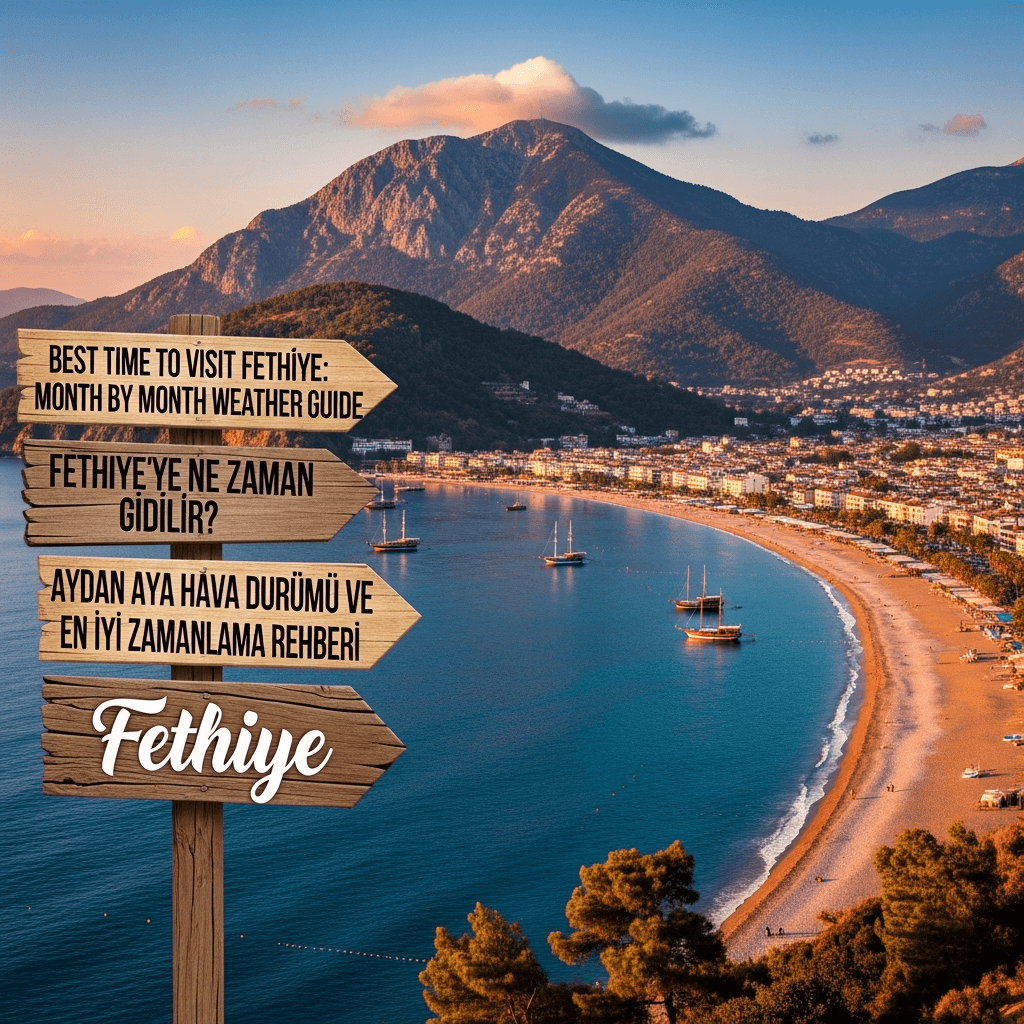
Fethiye'ye Ne Zaman Gidilir? Aydan Aya Hava Durumu ve En İyi Zamanlama Rehberi
Fethiye tatili için en iyi aylar. Yaz sıcaklıkları, Eylül Ekim sonbahar sükuneti ve İlkbahar deniz suyu sıcaklıkları Fethiye SEO iklim ve bavul rehberi.
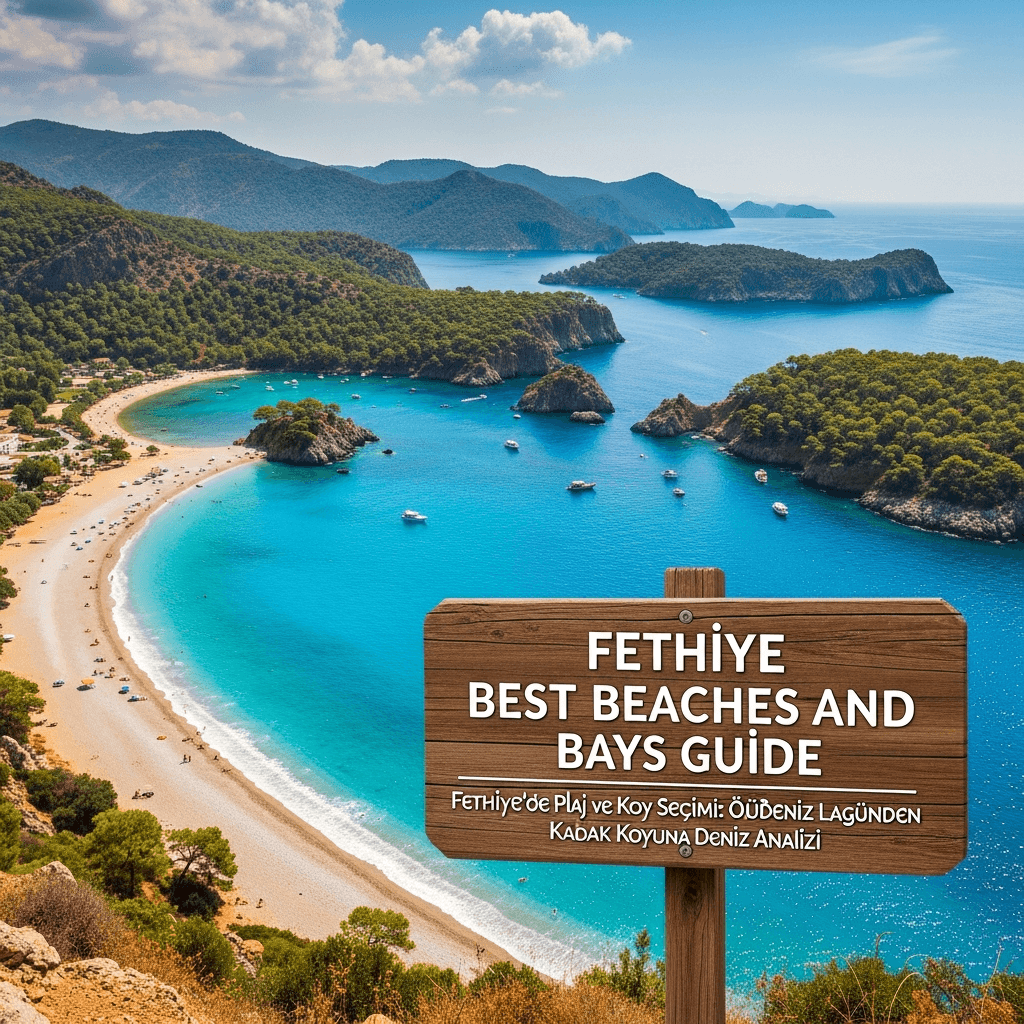
Fethiye'de Plaj ve Koy Seçimi: Ölüdeniz Lagünden Kabak Koyuna Deniz Analizi
Fethiye ve Ölüdeniz'in en iyi plajları nasıl seçilir? Mavi lagün, Belcekız, Çalış kumsalı ve Kıdrak/Kabak koylarında yüzme, dalga ve SEO çocuk uygunluk rehberi.
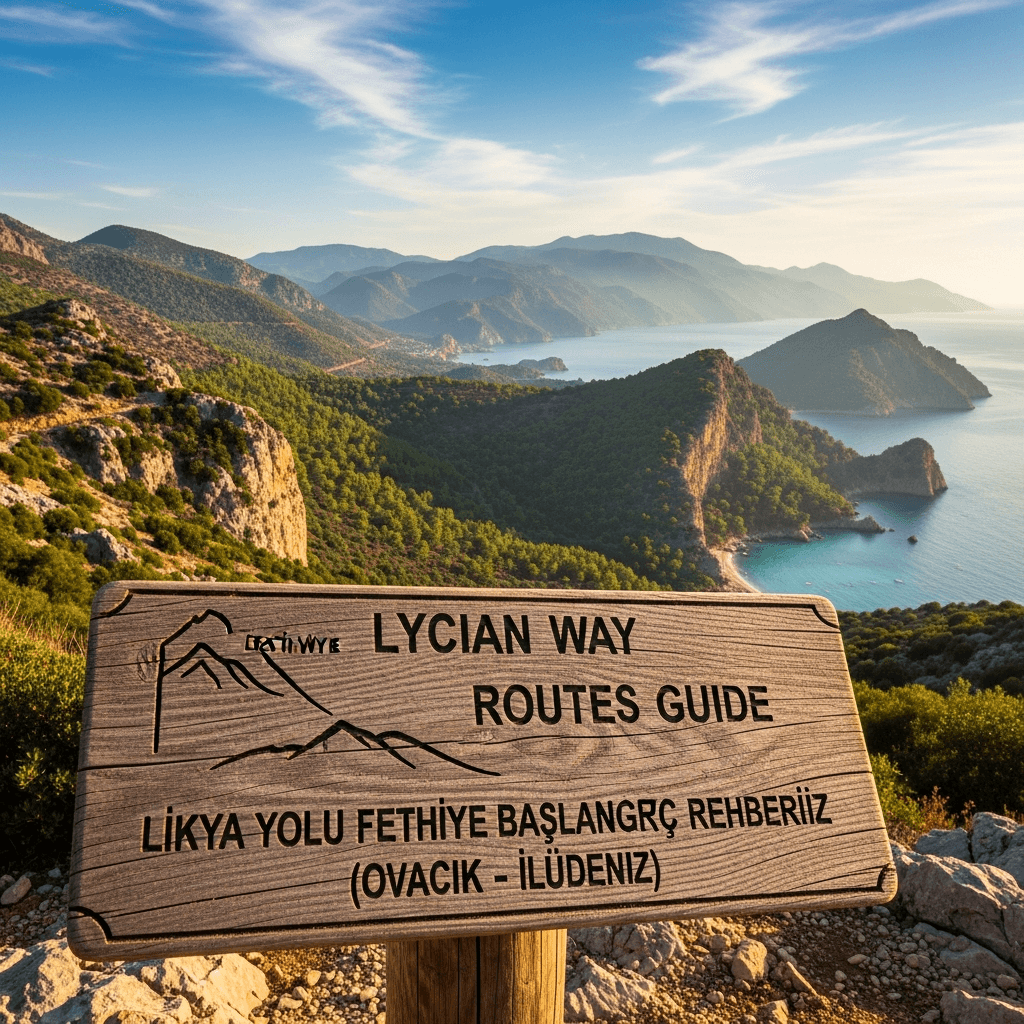
Likya Yolu Fethiye Başlangıç Parkuru Rehberi (Ovacık - Ölüdeniz)
Fethiye'den başlayan Likya yolu etapları (Ovacık, Faralya, Kayaköy). Günübirlik yürüyüş rotaları, sarı çizgi işaretleri ve dev ekipman tablolu SEO doğa rehberi.
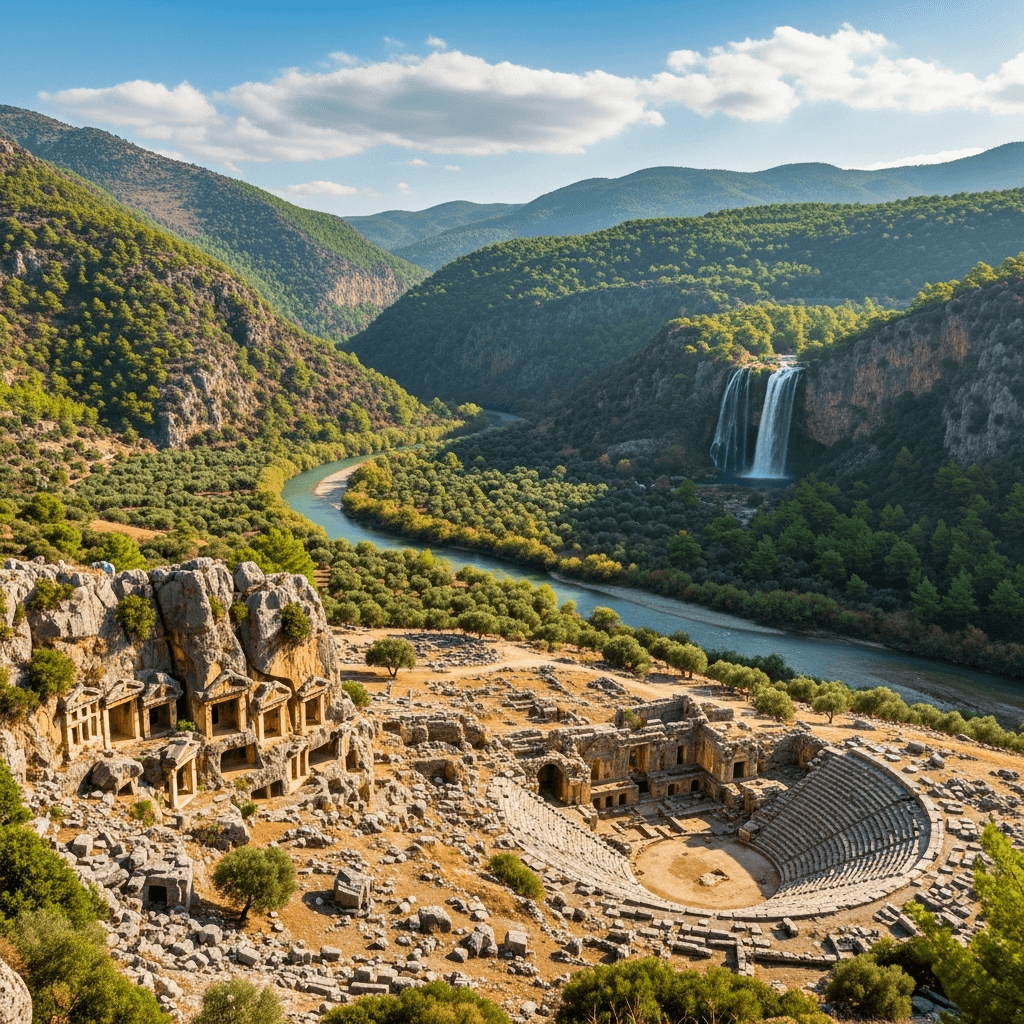
Fethiye Tlos Antik Kenti ve Yakapark Şelalesi: Saklıkent Kombinasyonu
Fethiye'de bir gün: Sabah Tlos antik kenti ve kaya mezarları gezisi, öğlen Yakapark şelalesi alabalık molası ve akşamüstü Gizlikent kanyonu. Tam gün eşsiz SEO rehberi.
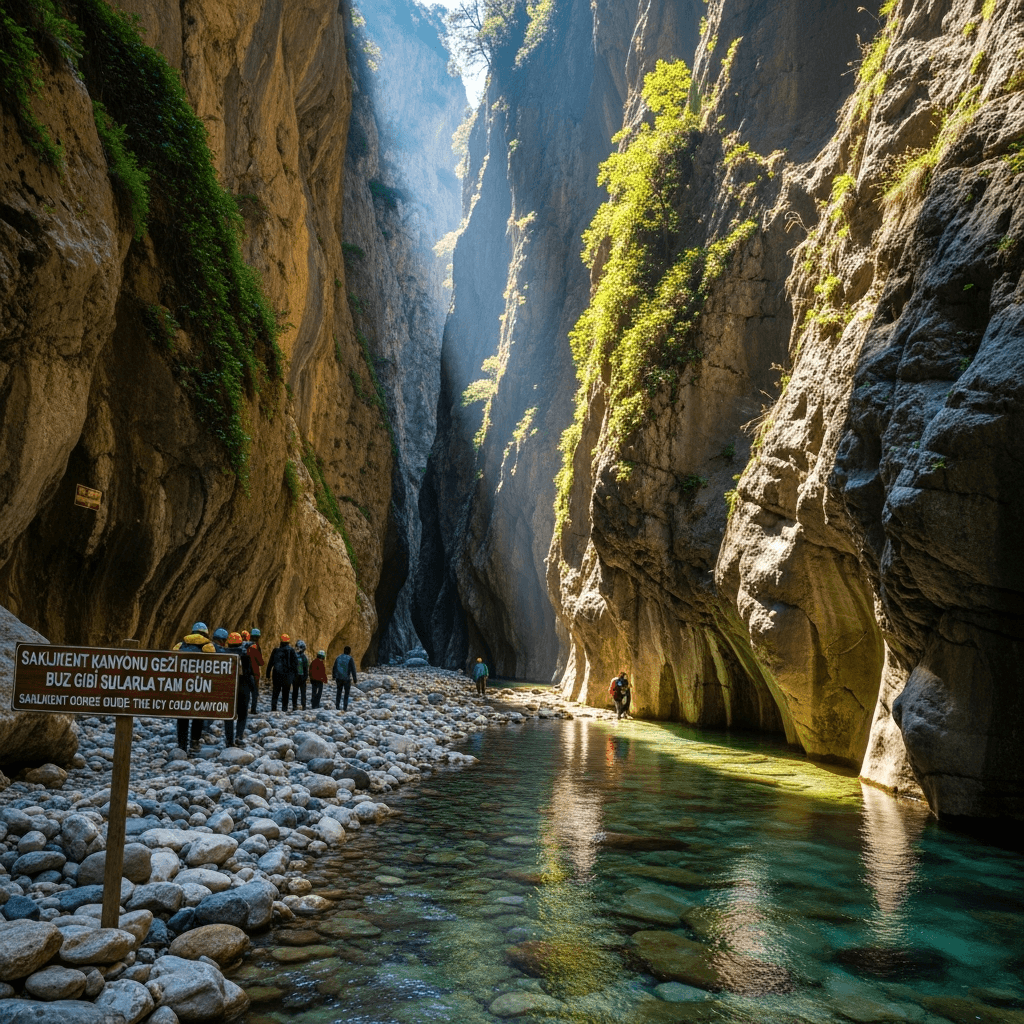
Saklıkent Kanyonu Gezi Rehberi: Buz Gibi Sularla Tam Gün
Fethiye Saklıkent kanyonu giriş ve gezi rehberi. Nehir yürüyüşü, çamur banyosu ve restoran fiyatları. Gizlikent mi Saklıkent mi kıyaslaması.
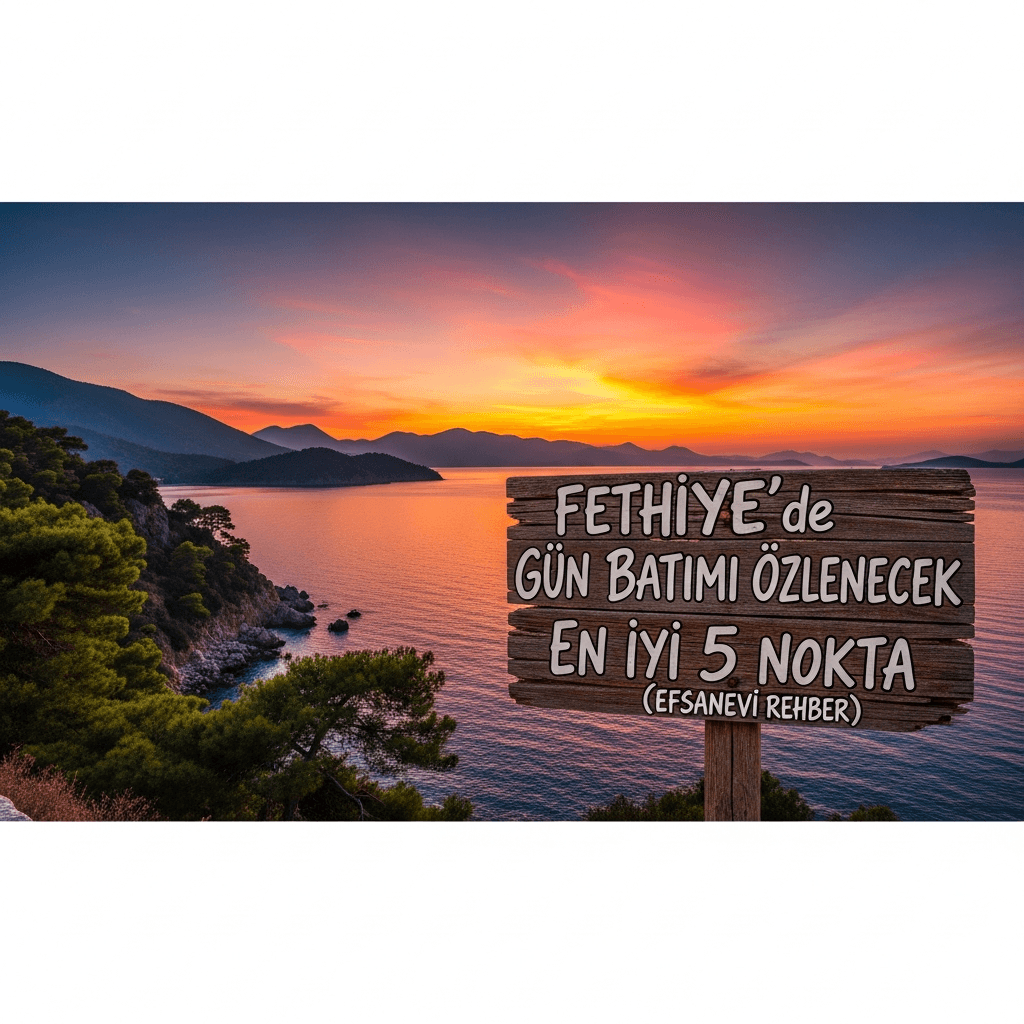
Fethiye'de Gün Batımı İzlenecek En İyi 5 Nokta (Efsanevi Rehber)
Fethiye'de gün batımı nerede izlenir? Çalış plajı, Babadağ 1700m seyir terası, Şövalye adası ve Gemiler koyu için tablolu tam SEO akşamüstü romantik rehberi.
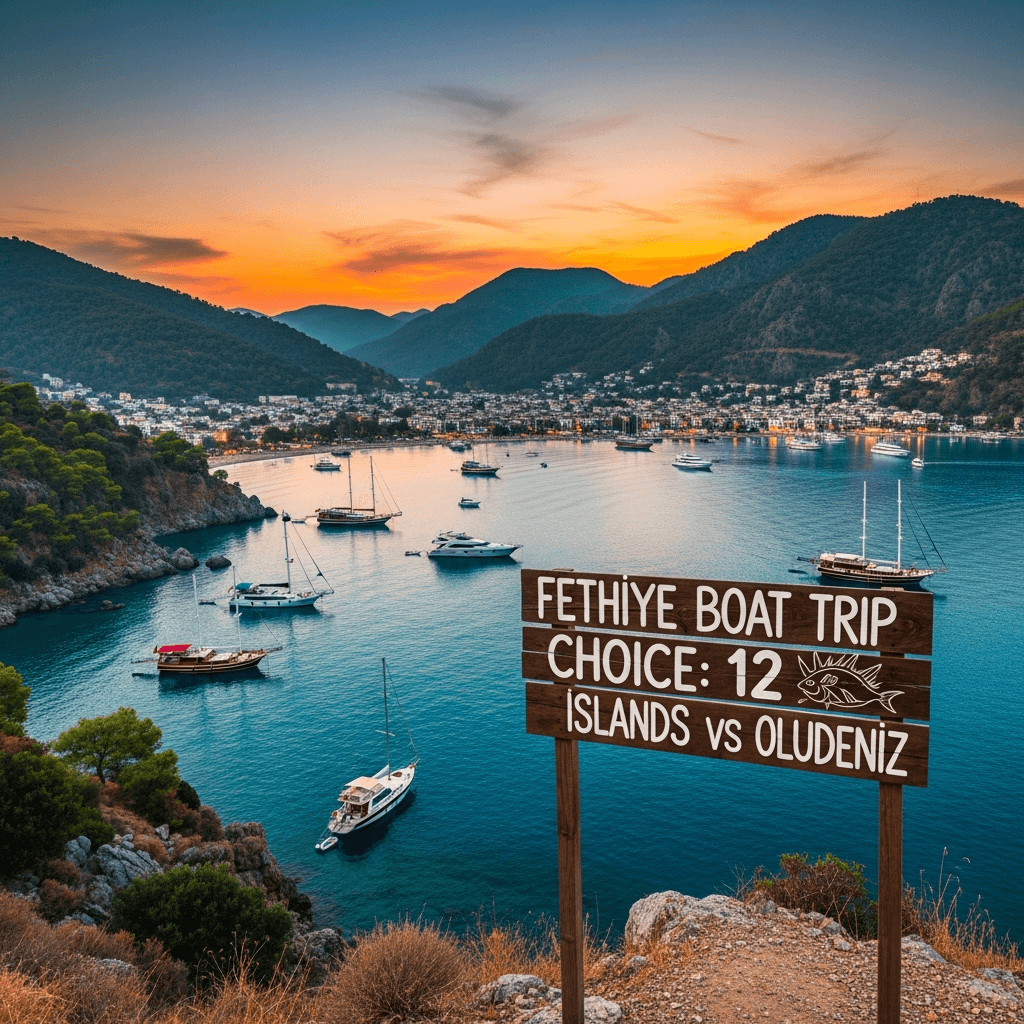
Fethiye Tekne Turu Seçme Rehberi: 12 Adalar Mı Ölüdeniz mi?
Fethiye tatilinde 12 Adalar tekne turu ile Ölüdeniz Kelebekler vadisi turu arasındaki farklar. Hangi gemi size uygun? Kıyaslama tabloları ve deniz tutması önlemleri.
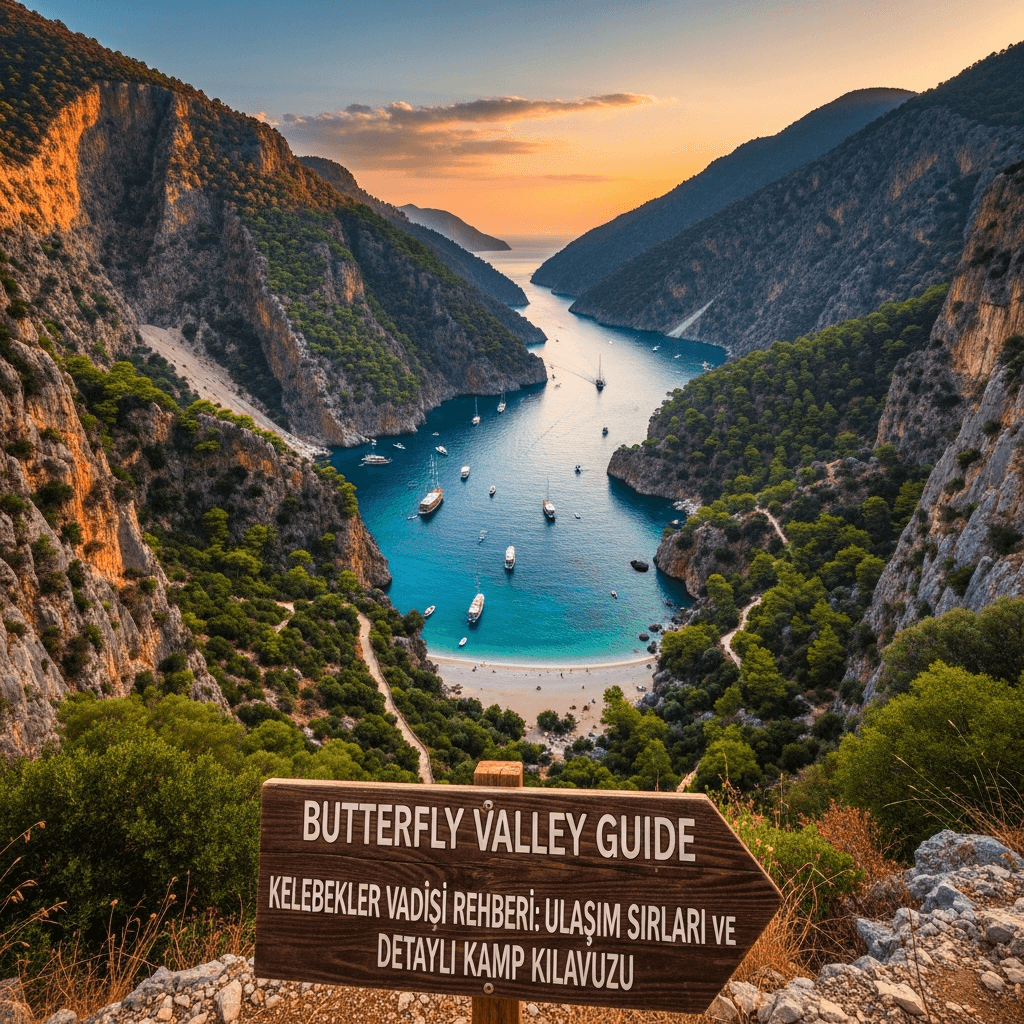
Kelebekler Vadisi Rehberi: Ulaşım Sırları ve Detaylı Kamp Kılavuzu
Fethiye Kelebekler Vadisine nasıl gidilir? Tekne ile mi karadan mı? Kamp ve şelale yürüyüşü için tablo ve maddelerle tam SEO uyumlu dev gezi planı rehberi.
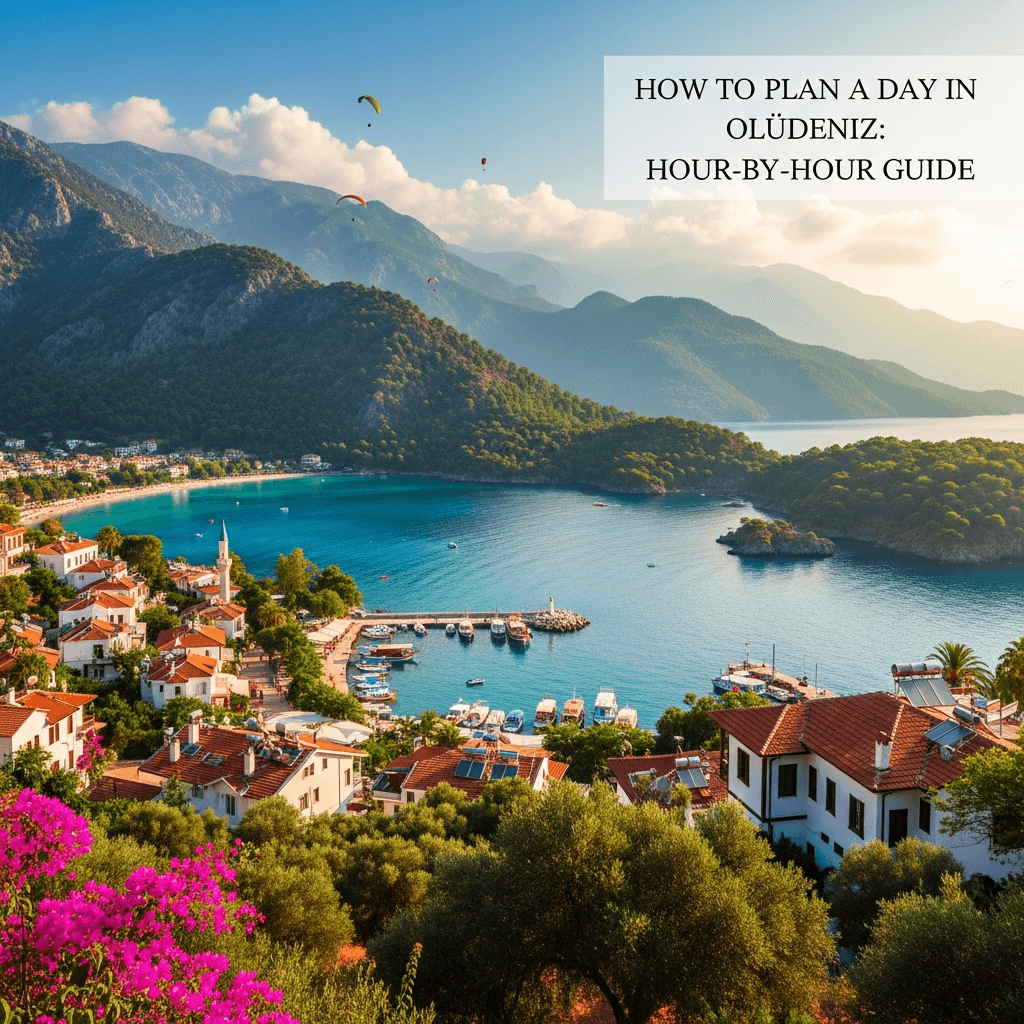
Ölüdeniz Günü Nasıl Planlanır? Kusursuz Bir Gün İçin Saat Saat Akış
Ölüdeniz, Kumburnu lagünü, Belcekız plajı ve Babadağ teleferik turu için tablo ve maddelerle tam SEO uyumlu saat saat gezi planı ve tatil rehberi.
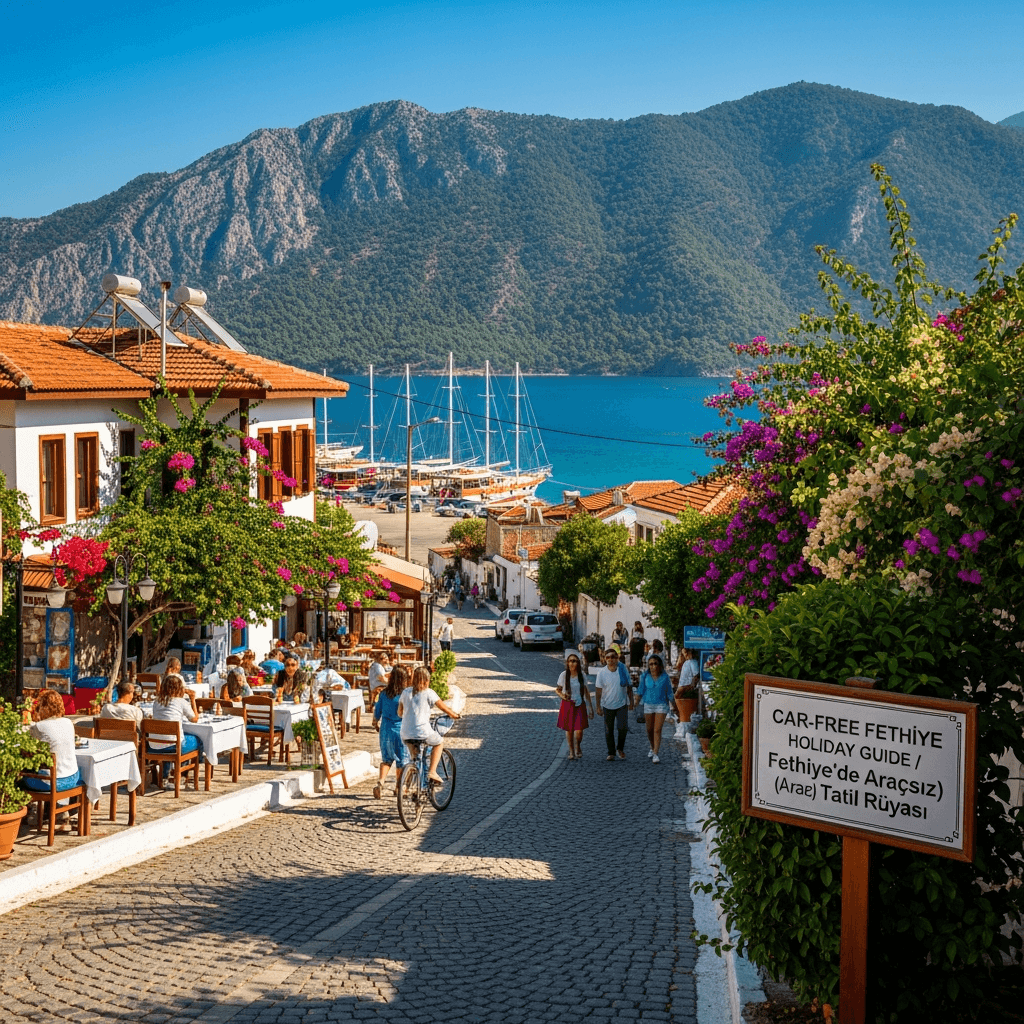
Fethiye’de Araçsız (Arabasız) Tatil Rüyası: Özgürlük, Rahatlık ve Konforun Formülü
Fethiye'de araba kiralamadan harika bir tatil yapmak mümkün. Dolmuşlar, su taksileri ve yürüyüş yollarıyla eşsiz rotalara ulaşım rehberi.
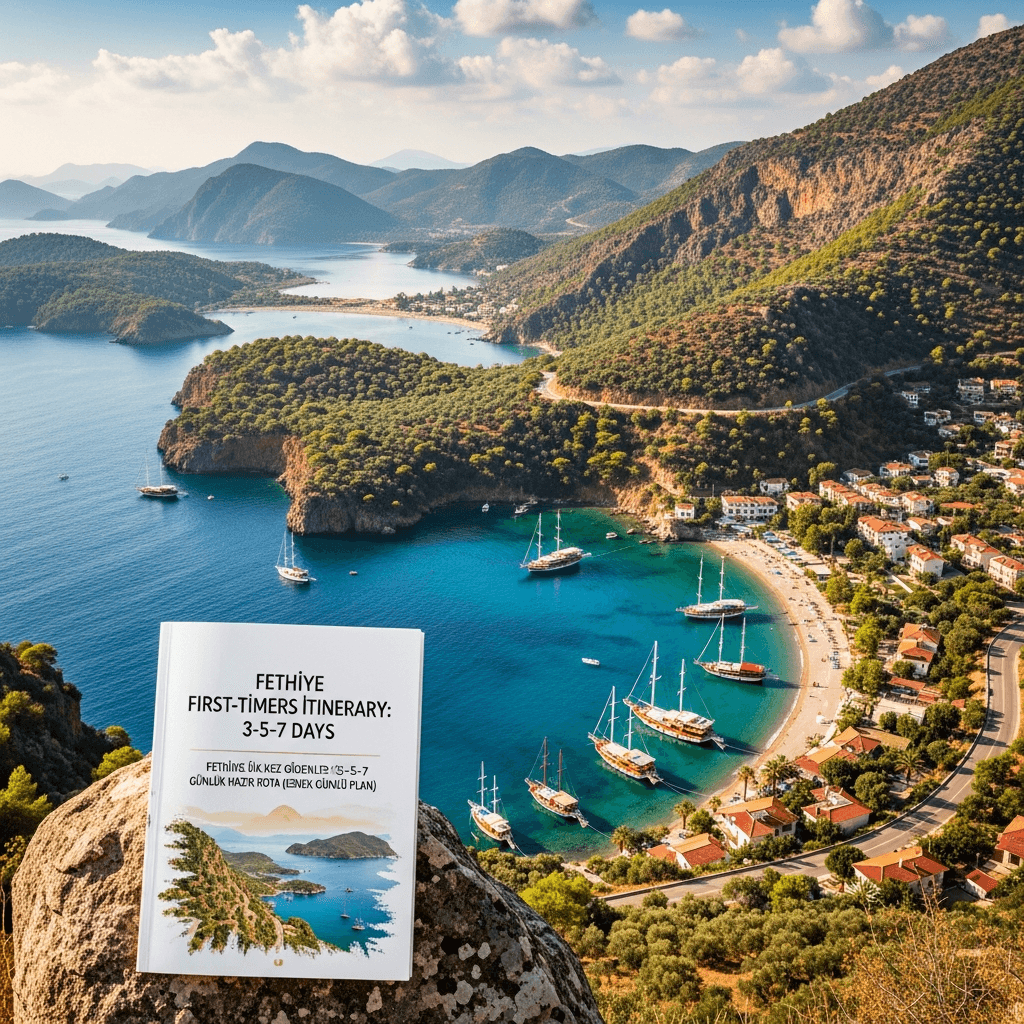
Fethiye İlk Kez Gidenler İçin: 3–5–7 Günlük Hazır Rota (Esnek Günlü Plan)
Fethiye'ye ilk defa gidenler için özenle hazırlanmış tam kapsamlı 3, 5 ve 7 günlük mükemmel tatil rotası. Ölüdeniz, Kelebekler, Saklıkent.
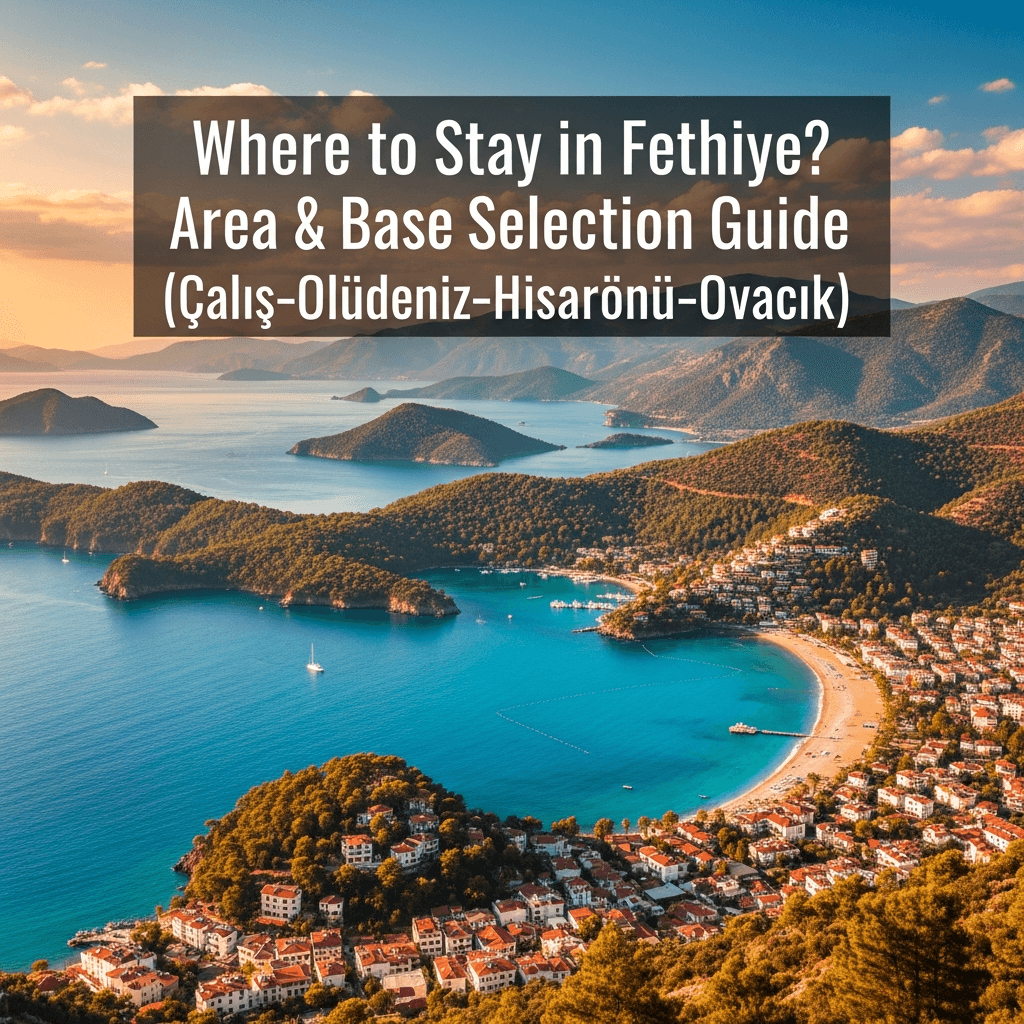
Fethiye’de Nerede Kalınır? Bölge Bölge Base Seçim Rehberi (Çalış–Ölüdeniz–Hisarönü–Ovacık)
Fethiye tatilinde doğru bölgeyi seçmenin püf noktaları. Çalış plajı, Ölüdeniz, Hisarönü, Ovacık ve Merkez detaylı analiz. Kapsamlı tatil rehberi.
Bu rehber işinize yaradı mı?
bölgesindeki daha fazla gizli cenneti keşfetmek için diğer rehberlerimize göz atın.
Tüm Rehberleri Keşfet