Currency Exchange in Turkey: Practical Guide for UK Travellers (Airports, ATMs, Exchange Offices)
TR Pasif.
Hızlı Özet
- • bölgesinde gezilecek en iyi yerler
- •Yerel restoran ve kafe önerileri
- •Konaklama seçenekleri ve fiyat aralıkları
- •Ulaşım bilgileri ve ipuçları
İçindekiler
Currency Exchange in Turkey: Practical Guide for UK Travellers (Airports, ATMs, Exchange Offices)
- Currency: Turkish lira (TRY). Cards widely accepted in big cities and resorts, but you still need cash for dolmuş, markets and tips.
- Best value: Many UK travellers get the most value with ATMs + city exchange offices, and only a little airport exchange for first-day costs.
- ATMs: Usually fair if you decline conversion to GBP and let your UK bank convert from TRY.
- Airports: Istanbul, Antalya, Bodrum and Dalaman airports are convenient but typically have weaker rates – change small amounts only.
- Exchange offices: Use licensed döviz bureaus with clear boards in areas like İstiklal Caddesi (Istanbul), Kaleiçi & Atatürk Caddesi (Antalya), Çarşı Mahallesi/Atatürk Caddesi (Bodrum).
- Rough costs: Ekmek 10–25 TRY, Istanbul metro/tram 15–25 TRY, short dolmuş rides 20–40 TRY (ranges only – always check locally).
- Simple rule: Pay larger bills by card, keep a float of lira notes (10–100 TRY) for local transport, street food and markets.
For most UK holidaymakers, the easiest and usually most cost-effective approach is: arrive with a small amount of lira or euros, take a first ATM withdrawal at the airport (declining any GBP conversion), then use licensed döviz bureaus and bank ATMs in central districts like İstiklal Caddesi (Istanbul), Kaleiçi & Atatürk Caddesi (Antalya), and Çarşı Mahallesi/Atatürk Caddesi (Bodrum) for your main cash needs.
1. Turkish Lira Basics for UK Visitors
The local currency is the Turkish lira (TRY). You will mainly use:
- Notes: 20, 50, 100 TRY for everyday spending; 10 TRY for dolmuş and snacks.
- Coins: for public toilets and very small purchases, especially in local bakeries and tea houses.
UK-friendly tip: Don’t stress over exact rates. Before you fly, check a live rate app and think in simple chunks (for example, 100 TRY ≈ a few pounds; check the latest rate the day you travel).
Where You Actually Use Cash
Even in card-friendly cities, cash is still useful in:
- Dolmuş minibuses – e.g. Antalya routes such as LC07 Lara–city centre, KL08 Konyaaltı–city centre, or the Gümbet–Bodrum dolmuş line.
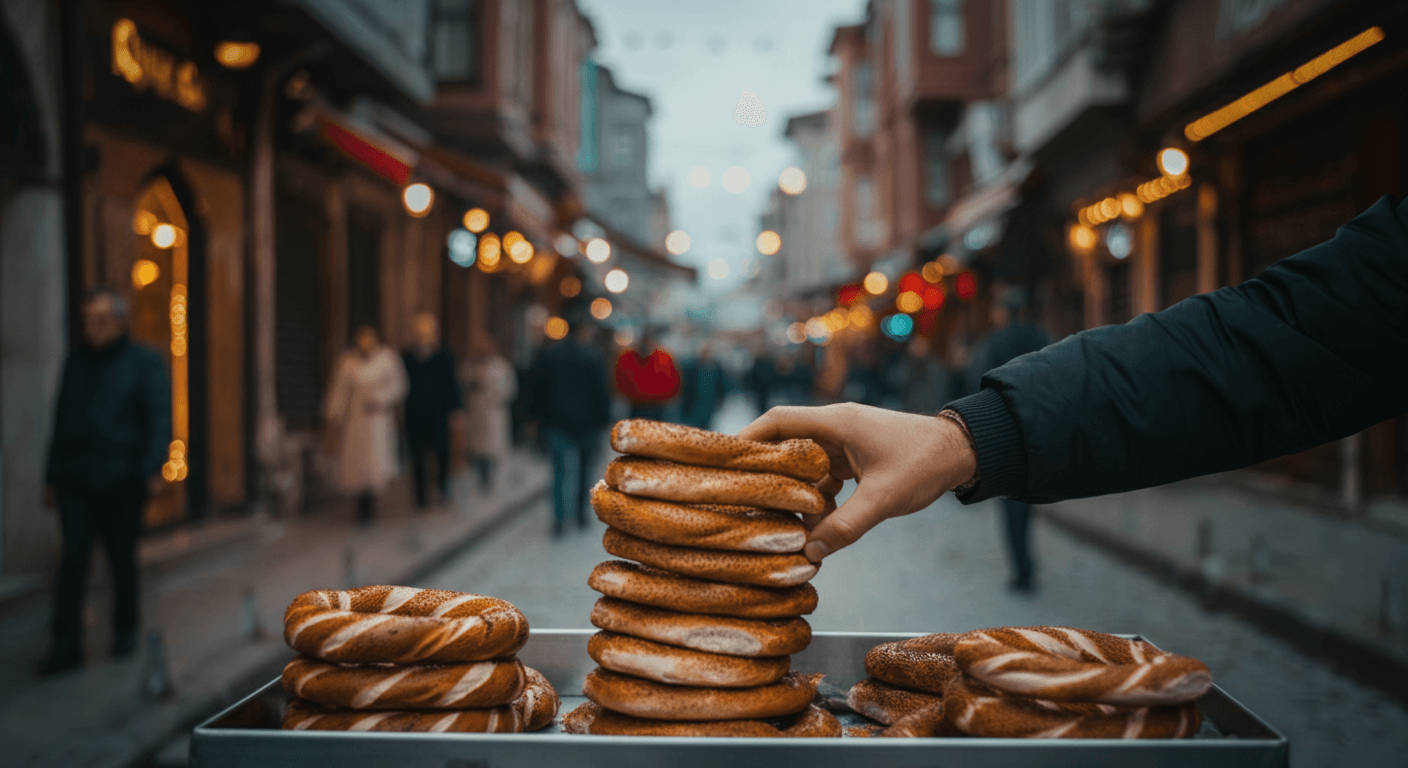
- Street food – simit and snacks from carts around Sultanahmet Meydanı, Ortaköy Meydanı and Karşıyaka İskele.
- Local bakeries – buying ekmek and pide in back streets of Fatih, Ümraniye, Konak or Kepez.
- Bazaars & markets – Grand Bazaar and Spice Bazaar in Istanbul, Kemeraltı Çarşısı in Izmir, weekly markets in Fethiye, Manavgat and Kuşadası.
- Tips – for room staff, porters, and taxi drivers.
Simple rule: Have at least one contactless UK card plus a small daily wallet of lira (for public transport, snacks and tips), with the rest of your cash locked in your accommodation safe.
2. Getting Lira on Arrival: UK vs Turkey
Buying Lira in the UK
Many UK travellers now:
- Buy a small amount of lira in the UK (for example £50–£100 worth) for immediate needs.
- Rely on ATMs and exchange offices in Turkey for the bulk of their spending.
UK bureau rates can be less attractive than Turkish city exchange offices, so think of UK exchange as a convenience, not your main source.
Airport Exchange in Turkey
Major airports – Istanbul (IST), Sabiha Gökçen (SAW), Antalya (AYT), Bodrum–Milas (BJV), Dalaman (DLM) – all have:
- Several döviz counters in arrivals.
- Lines of ATMs near exits and transport desks.
Airport exchange is convenient but typically has weaker rates. A common UK strategy:
- Withdraw or exchange enough for the first 24 hours – airport transfer, first drinks, snacks and small tips.
- Do larger exchanges later in town, e.g. around İstiklal Caddesi (Istanbul) or Atatürk Caddesi (Antalya/Bodrum).
In the arrivals hall, there are ATMs close to the Havaist airport bus ticket area. Many UK travellers withdraw a small amount there and then pay for Havaist to Taksim or Kadıköy by card or QR rather than using airport exchange desks.
3. Using ATMs in Turkey (Bankamatik)
Where You Find ATMs
ATMs are common in:
- Main squares – Taksim Meydanı (Istanbul), Konak Meydanı (Izmir), central Antalya near the clock tower.
- Seafront promenades – Konyaaltı Sahil, Lara, Kordonboyu in Izmir, near Bodrum Marina.
- Busy streets – İstiklal Caddesi, Atatürk Bulvarı (Ankara), Güllük Caddesi (Antalya).
- Shopping centres – such as Forum Istanbul, MarkAntalya, Agora AVM (Izmir).
Avoiding Extra ATM Costs
Many ATMs and card terminals offer to charge you in pounds with a “guaranteed” rate. This is dynamic currency conversion (DCC).
- Always choose to be charged in TRY, not GBP.
- Decline any on-screen “conversion to GBP” and let your UK bank handle the exchange.
- Watch for local ATM fees shown on-screen (this is separate from any UK bank fee).
UK-friendly tip: Withdraw fewer, larger amounts rather than lots of small withdrawals to avoid repeated fixed fees. Store extra cash in your safe, not in your pocket.
How Much to Withdraw?
Exact amounts vary with your plans, but many UK visitors:
- Withdraw the equivalent of £100–£200 at a time at ATMs by metro stops like Kabataş, Levent, Karşıyaka İskele, or near bus stations (Otogar).
- Use that for several days of local transport, snacks, casual meals and market shopping.
Important: Check your UK bank’s foreign cash fees and daily limits before you go – these differ by provider.
Favour ATMs that are:
- Built into bank branches on streets like Valikonağı Caddesi (Nişantaşı), Gazi Bulvarı (Antalya) or Mithatpaşa Caddesi (Izmir), or
- Inside shopping centres rather than isolated corners.
4. City Exchange Offices (Döviz Bürosu)
Where to Find Them
Licensed exchange offices are easy to spot in busy commercial and tourist streets:
Istanbul
- İstiklal Caddesi and side streets around Galatasaray Meydanı.
- Between Beyazıt, Çemberlitaş and the Grand Bazaar, especially along Ordu Caddesi.
- The shopping area around Laleli.
Antalya & Surroundings
- Old town Kaleiçi, particularly near Hadrian’s Gate and the marina.
- Along Atatürk Caddesi and Ali Çetinkaya Caddesi in the centre.
Aegean Resorts
- Bodrum: Çarşı Mahallesi and Atatürk Caddesi leading to the castle.
- Marmaris: Around the marina off Atatürk Caddesi and Barlar Sokağı.
- Fethiye: Along Çarşı Caddesi between the fish market and harbour.
- Kuşadası: Near the port and around Barlar Sokağı.
How to Use Them Effectively
- Choose places with clear digital or printed rate boards showing GBP, EUR and USD.
- Ask if there is any separate commission (many include everything in the rate).
- Use your phone to calculate how many lira you should receive.
- Count your lira at the counter before leaving.
Simple rule: Avoid any office that will not show you the rate in writing or tries to change it at the last moment.
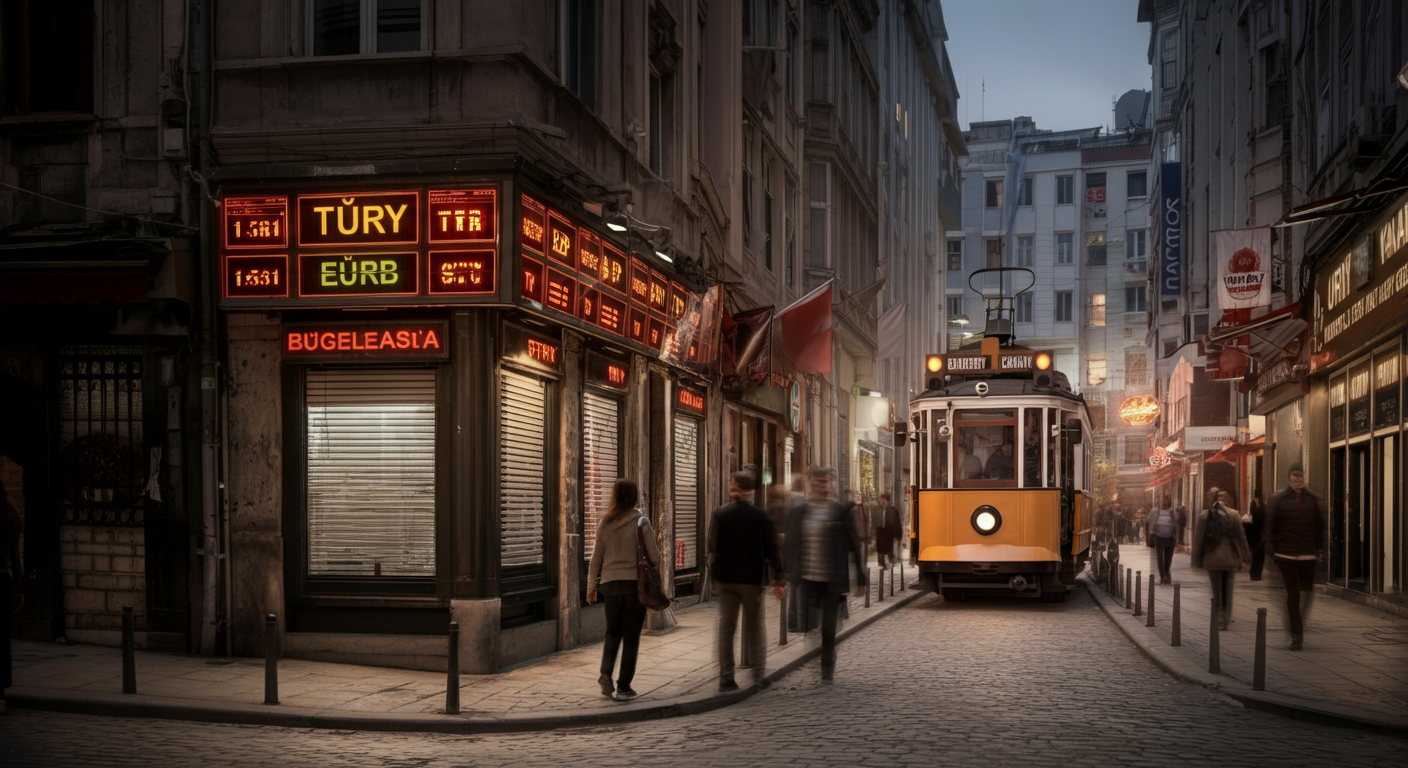
On streets like İstiklal Caddesi (Istanbul) or Atatürk Caddesi (Marmaris/Bodrum), walk 50–100 metres and compare 2–3 different boards. Even a small difference in the GBP→TRY rate can matter if you are changing several hundred pounds.
5. Cash vs Card: What Works Best Where?
Where Cards Work Well
Visa and Mastercard are widely accepted in:
- Chain supermarkets on main roads such as İnönü Caddesi (Alanya) and Gazi Bulvarı (Antalya).
- Shopping centres like those around Levent and Maslak in Istanbul, or MarkAntalya in Antalya.
- Most restaurants and cafés in Kadıköy, Beşiktaş, Nişantaşı, Karşıyaka and central Çankaya (Ankara).
- Many attraction ticket offices (check each site individually, as systems change).
Where Cash is Easier
- Dolmuş minibuses – e.g. Calis Beach–Fethiye, Side–Manavgat, Kuşadası centre–Women’s Beach.
- Public toilets at bus stations and parks.
- Local bakeries and corner shops off the main avenues.
- Weekly markets and small stalls in places like Fethiye, Manavgat, Alanya, Marmaris.
- Beach vendors along Konyaaltı, Lara and resort promenades.
UK-friendly tip: Keep one small wallet just for coins and 5–20 TRY notes so you are not flashing larger sums in crowded places.
6. Example Everyday Costs (Guide Only)
These are typical ranges to help you judge how much cash to withdraw. Prices change frequently, so use them only as orientation and always check locally.
- Local bread (ekmek): Around 10–25 TRY at neighbourhood bakeries in Fatih, Ümraniye, Konak or Kepez.
- Simit: Kiosks around Sultanahmet, Eminönü, Karşıyaka İskele – usually clearly priced on the cart.
- City transport (Istanbul):
- T1 tram from Bağcılar to Kabataş or M2 metro from Yenikapı to Hacıosman: roughly 15–25 TRY with Istanbulkart depending on the system at the time.
- City transport (Antalya): Tram between stops such as Fatih, Meydan and Otogar is usually similar to other Turkish cities.
- Dolmuş short rides: Commonly around 20–40 TRY in resort areas – for example Marmaris–İçmeler or Gümbet–Bodrum.
- Tea (çay) in a local café: Often a small coin amount in back streets of Ulus (Ankara), Karşıyaka or suburbs of Istanbul.
For wider budgeting, see: Turkey holiday budget planning guide.
7. Pounds, Euros and Lira Together
Paying Directly in GBP or EUR
In touristy strips – for example Barlar Sokağı in Marmaris, the seafront in Alanya, or shops by the cruise port in Kuşadası – some vendors will quote prices in GBP or EUR. This is convenient but:
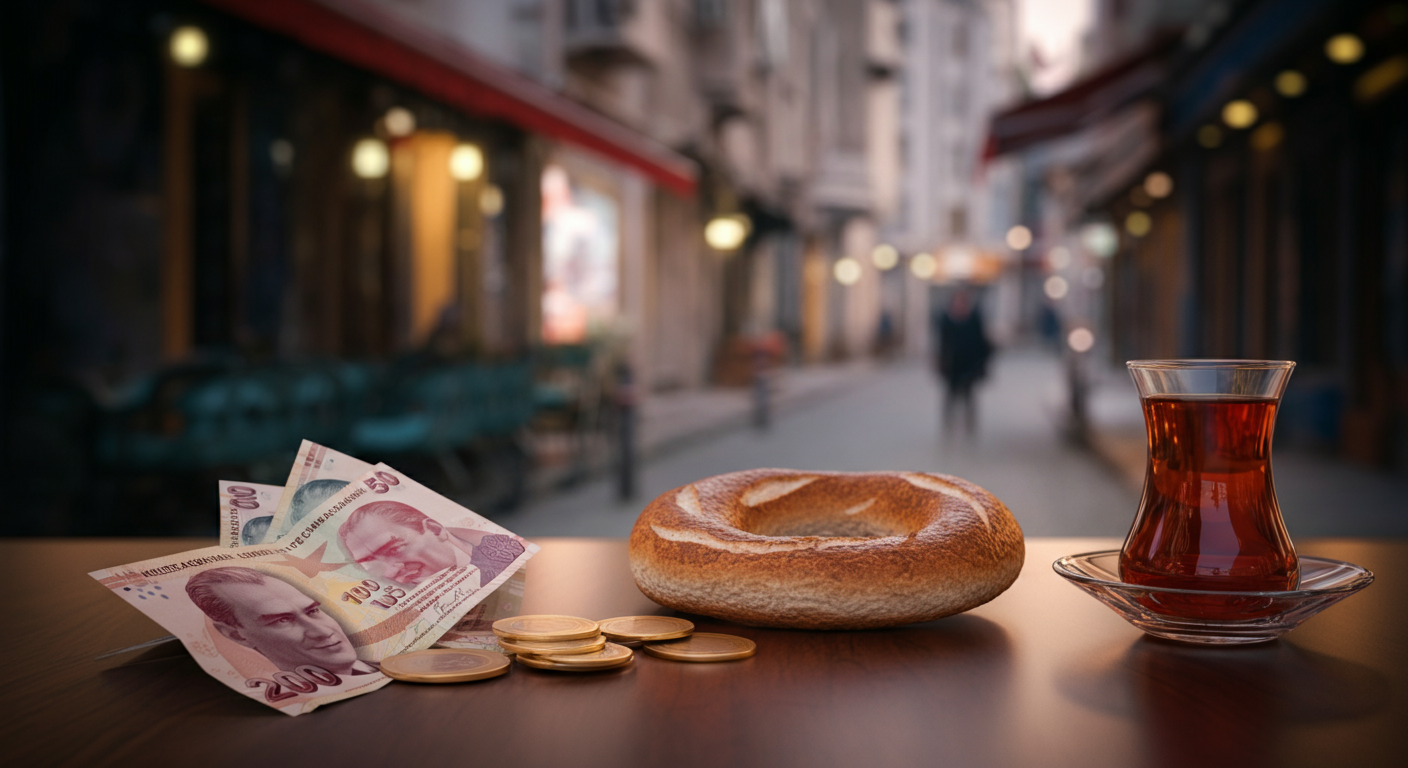
- Rates are usually less favourable than official exchange offices.
- Change is often given in lira at an informal rate.
Simple rule: Use GBP/EUR payments only in a pinch. For better value, convert at a döviz bureau and spend in lira.
Should You Bring Euros?
If you already have euros, they are easy to change into lira in Aegean and Mediterranean areas like Fethiye, Bodrum, Kuşadası and Antalya. There is usually no strong reason to buy euros specially for Turkey if you are coming from the UK; lira plus a solid card normally covers everything.
8. Practical Safety & Best Practices
Handling Cash and Cards Smartly
- Keep passports and most of your cash in your accommodation safe.
- Carry only the day’s expected spend in crowded districts like İstiklal Caddesi, Grand Bazaar, Kaleiçi or major bus terminals.
- Shield your PIN at ATMs and check the card slot for anything unusual.
- Check receipts and card terminal amounts before tapping.
Situations to Be Careful With
- Street changers: If someone on a pavement near Sirkeci or Laleli offers a “special rate”, politely decline.
- Unclear kiosks: Use well-signed döviz offices rather than tiny booths without posted rates.
- Remote ATMs late at night: Prefer machines on main streets or inside malls.
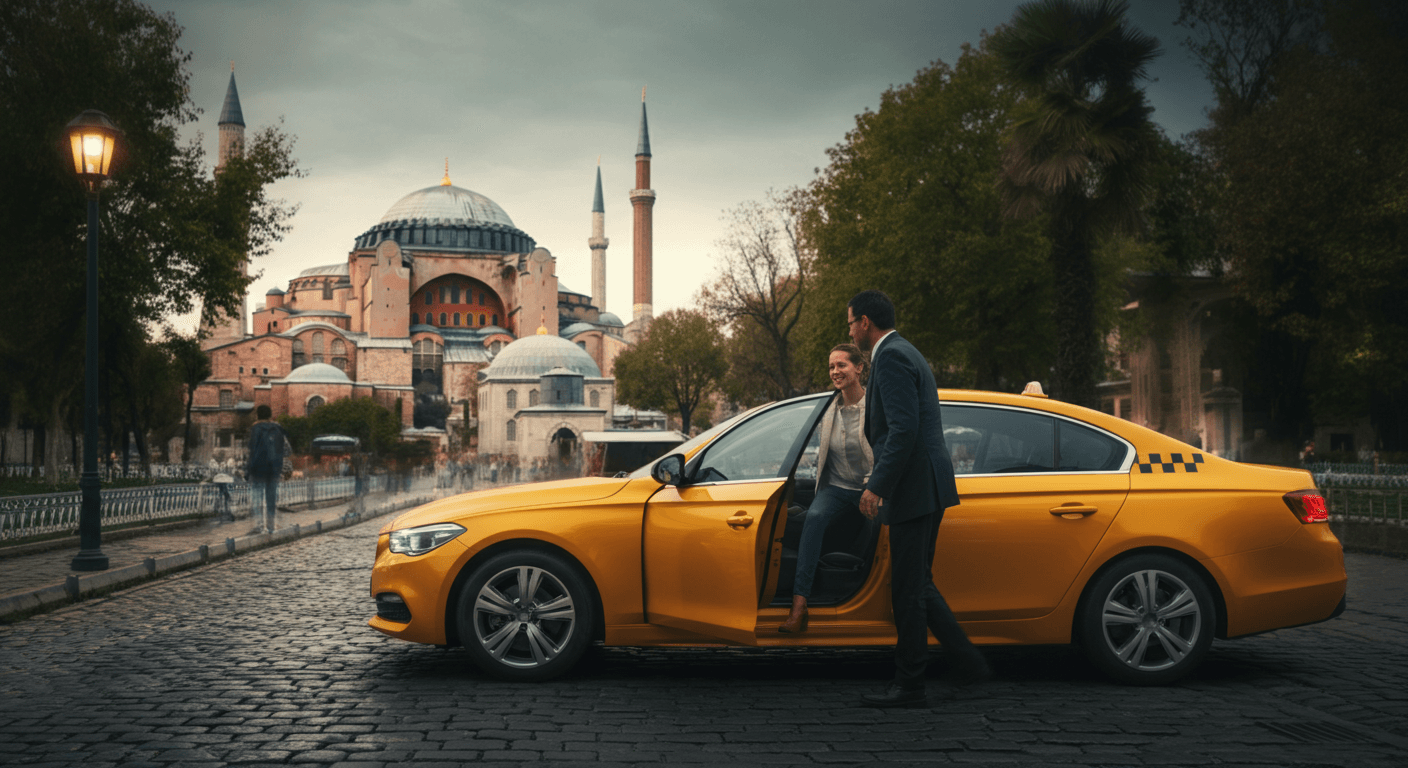
On routes such as Sabiha Gökçen–Kadıköy or Antalya Airport–Lara:
- Ask the driver to use the meter (taksimetre).
- Confirm if they accept card or if they prefer cash before setting off.
- Carry smaller notes (20–50 TRY) so you do not rely on large change.
9. Simple Currency Strategy for a 1–2 Week Trip
- Before leaving the UK
- Check your bank’s overseas fees and daily cash limits.
- If your main card is expensive abroad, consider a lower-fee debit or travel card.
- Buy a little lira or euros if you like landing with some cash.
- On arrival in Turkey
- Use an airport ATM to withdraw a modest amount of lira, choosing TRY (not GBP) when asked.
- Alternatively, change a small sum at an airport döviz counter for transport and snacks.
- Once at your base (Istanbul, Antalya, Bodrum, etc.)
- Locate nearby bank ATMs – e.g. around Güllük Caddesi (Antalya), Karşıyaka İskele (Izmir), or in central Bodrum Çarşı.
- Note a couple of licensed exchange offices on main streets such as İstiklal Caddesi, Atatürk Caddesi or your local seafront promenade.
- During the holiday
- Pay hotels, restaurants and major shopping by card where possible.
- Keep a rolling float of small lira notes for dolmuş, markets and bakeries.
- If you have lira left near the end, use it for a supermarket shop, fuel, or airport food and gifts.
For area planning support, see Antalya region travel guide, Aegean coast itineraries and Istanbul public transport card guide.
FAQ
Is it better to use cash or card in Turkey from the UK?
Most UK travellers mix both. Cards work well for hotels, restaurants and shopping, especially in cities like Istanbul, Ankara, Izmir and Antalya. Cash is still handy for dolmuş, markets, bakeries and tips. A common approach is to pay larger bills by card and keep enough lira for daily small spends.
Should I exchange money before I travel or in Turkey?
Many visitors buy a small amount of lira in the UK for arrival, then rely on ATMs and city döviz offices. Exchange bureaus in busy streets such as İstiklal Caddesi (Istanbul) or Konyaaltı/Kaleiçi (Antalya) typically give more competitive rates than UK high-street providers or airport counters. Always compare a couple of local offices and check live rates on your phone.
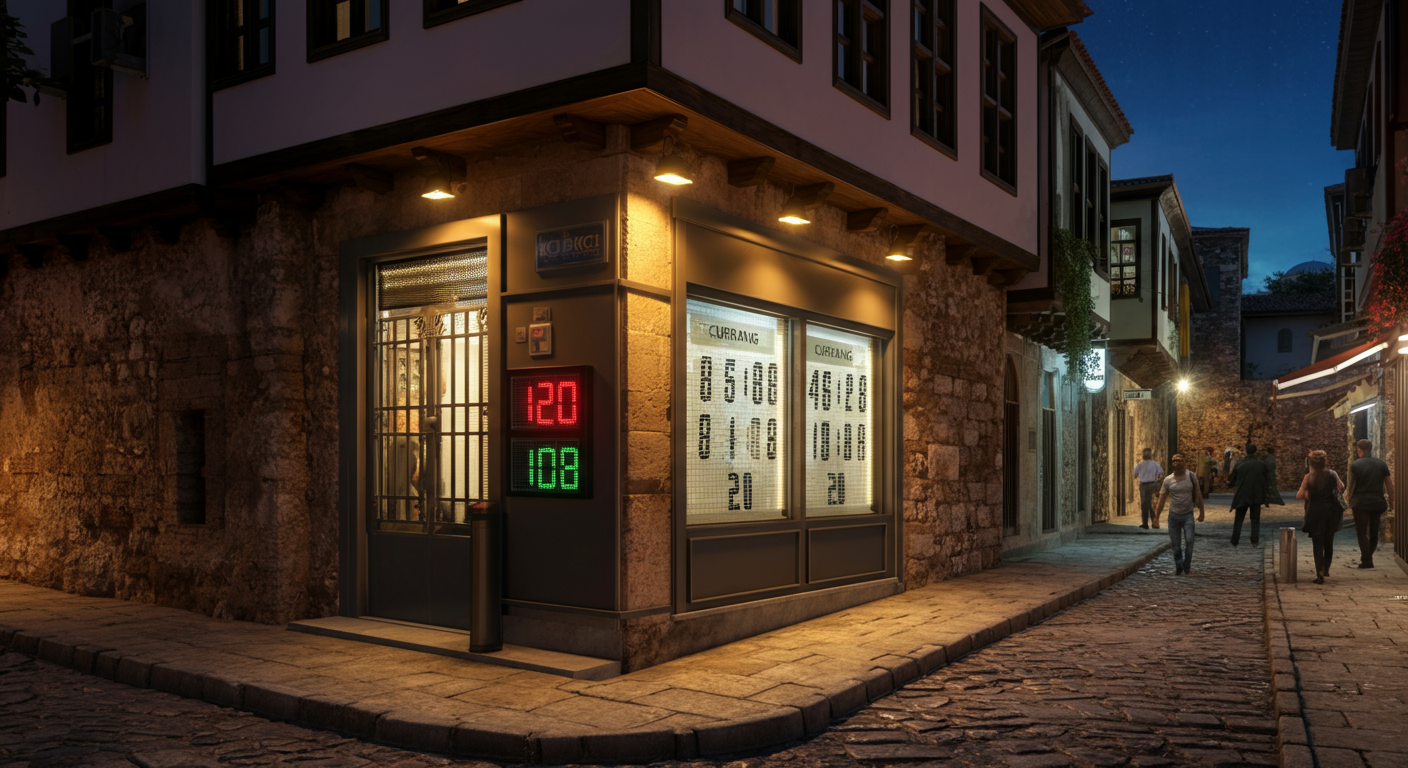
Are ATMs in Turkey suitable for UK bank cards?
Bank ATMs on main streets and in shopping centres are widely used by both locals and visitors. Standard advice applies: shield your PIN, avoid isolated machines late at night, and check for any strange attachments on the card slot. Always decline offers to be billed in pounds rather than lira and opt for TRY on the screen.
Can I pay in pounds in Turkish resorts?
In resort zones and cruise areas, some shops and bars accept pounds or euros, especially around Barlar Sokağı in Marmaris, seafronts in Alanya and the port in Kuşadası. The exchange rate is usually in the seller’s favour, so paying in lira after changing money at a licensed bureau is generally better value.
How much cash should I carry per day?
It depends on your plans, but many UK visitors carry the equivalent of £20–£40 in lira for a typical day of local transport, street food, drinks and small shopping, keeping extra funds secured in their accommodation. If you expect bigger spends at markets or on excursions, withdraw additional lira as needed from an ATM that day.

Selin Aktaş
Editör"Ege köylerine ve butik otellere olan tutkusuyla tanınan Selin, 10 yılı aşkın süredir Türkiye'nin gizli kalmış rotalarını keşfediyor."
Hakkında Rehberler
İstanbul’da Ulaşım Rehberi: İstanbulkart, Metro/Tramvay/Feribot Mantığı (Kafası Karışanlara)
İstanbul'da ulaşım karmaşasına son verin! İstanbulkart, metro, tramvay, otobüs ve feribot gibi toplu taşıma ağlarını kolayca anlayın.
İstanbul’da En İyi Fotoğraf/İçerik Rotası: 1 Günde Viral Kareler (Işık Saatleri + Kalabalık Stratejisi)
İstanbul'un en viral fotoğraf noktalarını keşfedin! Boğaz, Galata ve Tarihi Yarımada'da 1 günde, ışık saatleri ve kalabalık stratejileriyle mükemmel kareler yakalayın.
İstanbul Bütçe Planlayıcı: Ekonomik/Dengeli/Rahat Mod (Fiyat Vermeden Harcama Mantığı)
İstanbul gezinizi bütçenize uygun planlayın! Ekonomik, dengeli veya rahat modlarla harcama mantığını keşfederek şehri doyasıya yaşayın.
İstanbul’da Çocukla Gezi: Bebek/Çocuk Checklists + Öğle Sıcağı/Yağmur Planı
İstanbul'da çocukla gezmek artık çok kolay! Bebek/çocuk kontrol listeleri ve öğle sıcağı/yağmur için özel İstanbul gezi planları bu rehberde.
İstanbul’da “Yürüyerek Gezilecek” Semtler: 2–3 Saatlik Mini Rotalar (Harita Mantığıyla)
İstanbul'un en güzel semtlerini yürüyerek keşfedin! Tarihi yarımada ve Boğaz çevresindeki 2-3 saatlik mini rotalarla şehri deneyimleyin.

İstanbul’da Camii Ziyareti Rehberi: Giyim, Saat, Fotoğraf Kuralları (Turist İçin Basit Anlatım)
İstanbul camilerini ziyaret edecek turistler için giyim, saat ve fotoğraf kuralları rehberi. Cami ziyaretinizden önce bilmeniz gereken tüm detayları basitçe öğrenin.
İstanbul’da Dolandırılmadan Değil, “Sürpriz Yaşamadan” Gezmek: Basit Kurallar (Taksi, Menü, Tur)
İstanbul'da taksi, menü ve tur sürprizleri yaşamadan güvenle gezmek için basit kuralları keşfedin. Dolandırılmadan keyifli bir İstanbul deneyimi için ipuçları burada.
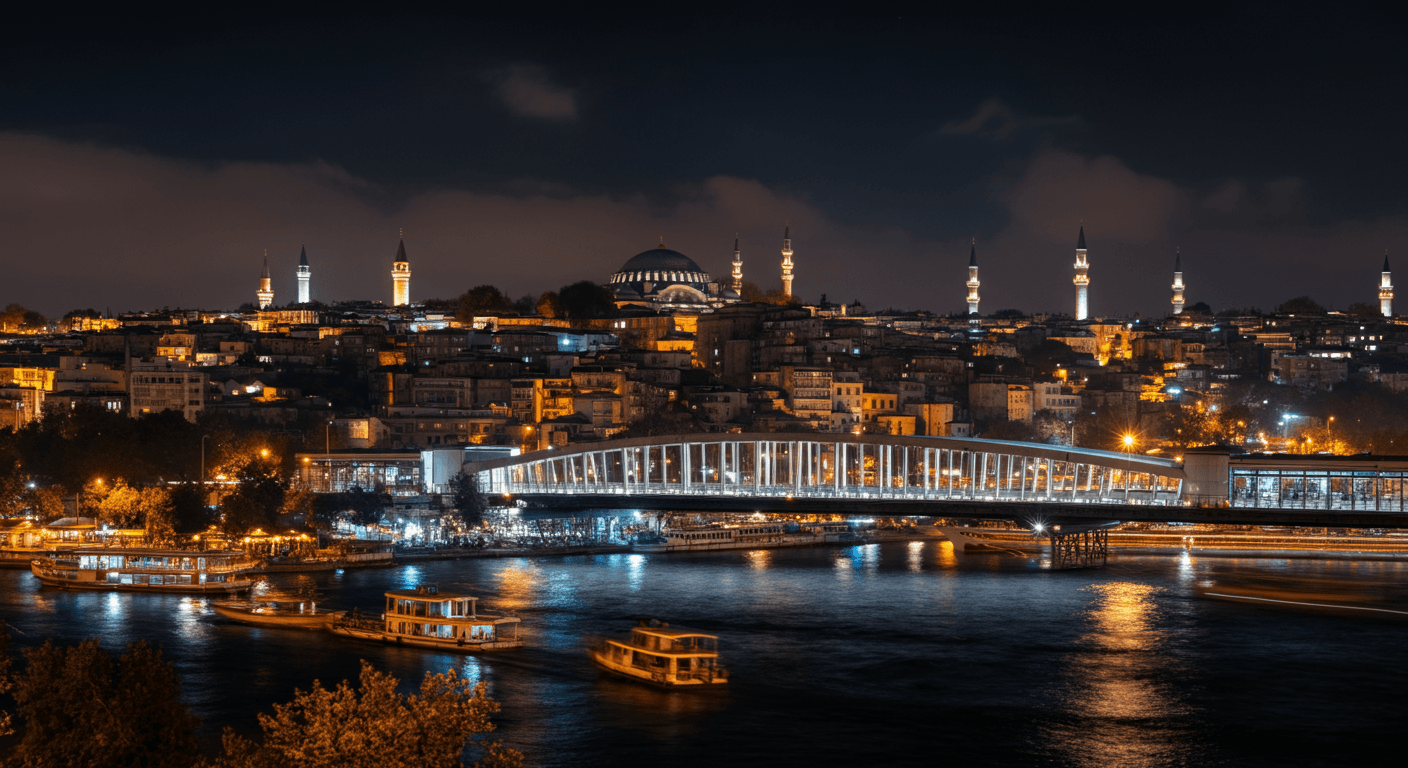
İstanbul’da “Akşam Ne Yapılır?” Rehberi: Aile/Çift/Tek Kişi İçin Güvenli ve Keyifli Plan
İstanbul'da akşam ne yapılır? Aile, çift veya tek kişi için Boğaz turu, tarihi mekanlar ve güvenli eğlence seçenekleriyle dolu rehberimizi keşfedin.
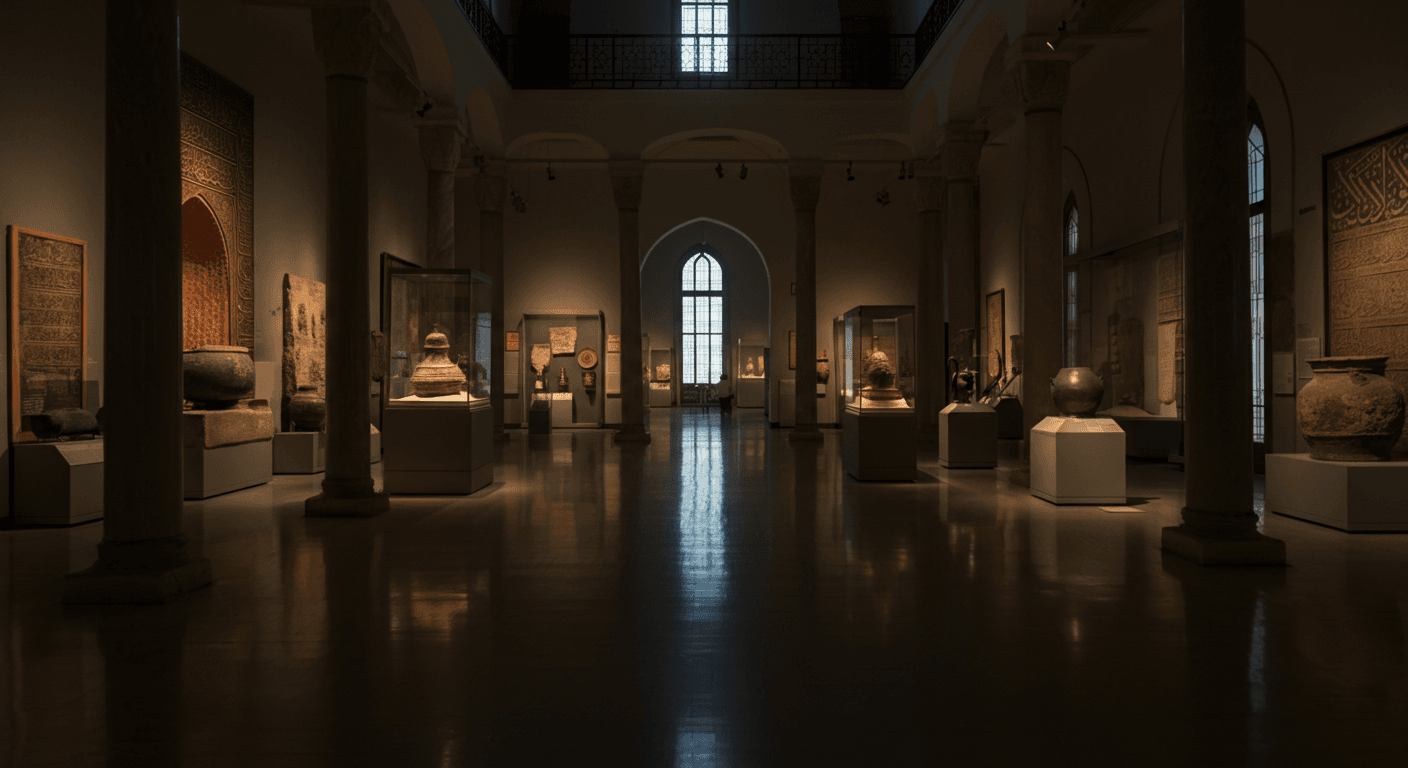
İstanbul’da Yağmurlu Gün Planı: Kapalı Mekân Rotaları (Müze + Çarşı + Kafe Akışı)
İstanbul'da yağmurlu havalarda sıkılmayın! Müzeler, tarihi çarşılar ve şirin kafelerle dolu kapalı mekan rotalarıyla keyifli bir gün geçirin.
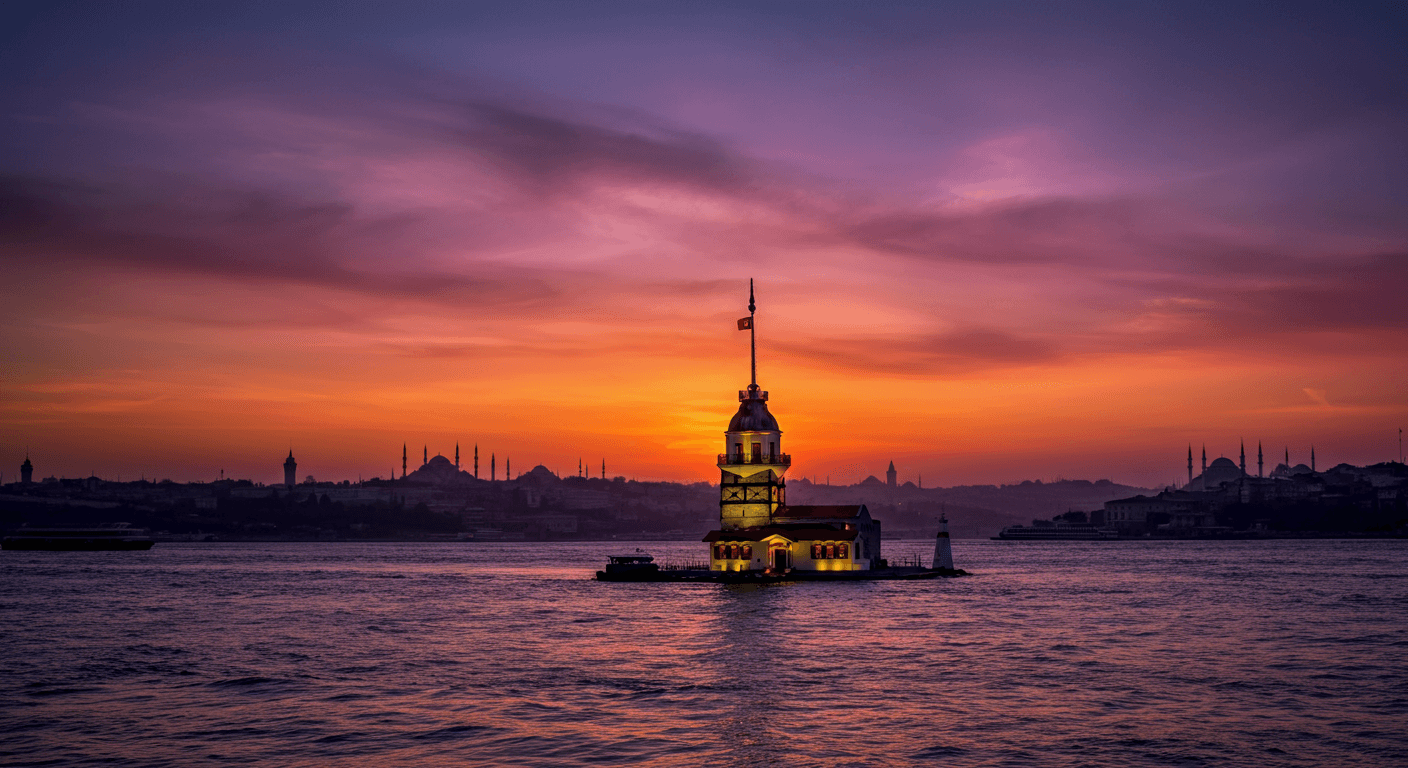
İstanbul’da Gün Batımı Noktaları: Kalabalıksız Saatler + En İyi “Sunset Walk” Rotaları
İstanbul'da kalabalıktan uzak gün batımı noktaları ve Boğaz'da eşsiz sunset walk rotalarıyla şehrin büyüsüne kapılın.
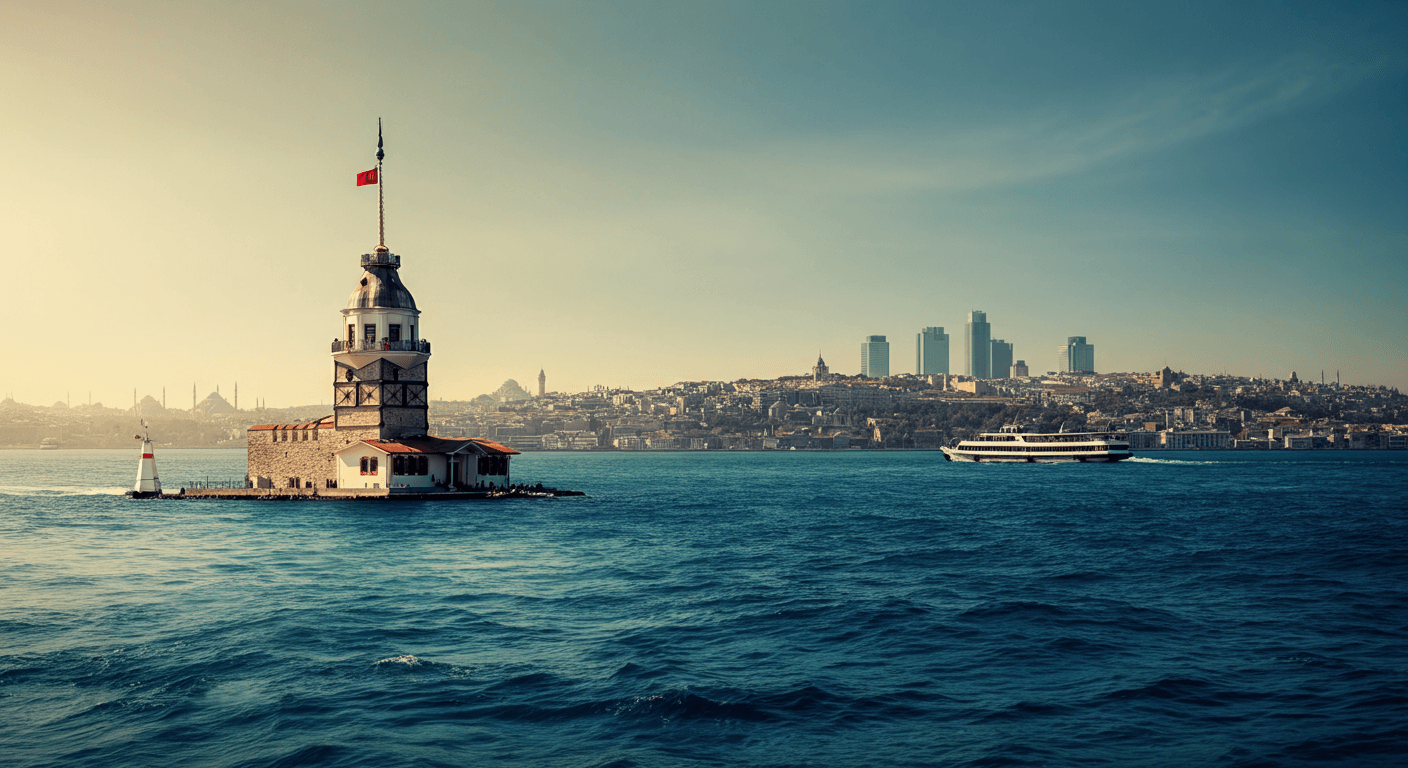
İstanbul’da 1 Günde 2 Kıta: Avrupa → Anadolu Rotası (Saat Saat + Yürüme Seviyesi)
İstanbul'da bir günde Avrupa'dan Anadolu'ya geçiş rotasını keşfedin! Saat saat planlanmış bu eşsiz gezi rehberiyle iki kıtayı yürüme seviyenize göre deneyimleyin.

Sabiha Gökçen’den Şehre En Kolay Ulaşım: Seçenekler ve Hangi Saatte Hangisi Mantıklı?
Sabiha Gökçen (SAW) havalimanından İstanbul şehir merkezine en kolay ulaşım (metro, Havabüs, taksi) seçeneklerini ve saatinize göre en mantıklı yolu keşfedin.
İstanbul Havalimanı (IST) Transfer Seçimi: Taksi mi Metro mu Özel Transfer mi? (Gece Varışı Planı)
İstanbul Havalimanı (IST) gece varışı için taksi, metro veya özel transfer mi? İstanbul'a en hızlı ve konforlu ulaşım seçeneğini keşfedin.

İstanbul’da Ulaşım Rehberi: İstanbulkart, Metro/Tramvay/Feribot Mantığı (Kafası Karışanlara)
İstanbul'da ulaşımı çözün! Turistler için İstanbulkart nasıl alınır, T1 Tramvay, M2 Metro ve vapur kullanımı, taksi tuzaklarından korunma rehberi.

İstanbul’a İlk Kez Gelenler: 3–5–7 Günlük Hazır Rota (Yormayan Plan + Esnek Günler)
İstanbul'u yorulmadan ve kaybolmadan gezmek isteyenler için saat saat planlanmış, en verimli 3 günlük, 5 günlük ve 7 günlük hazır turistik gezi rotası.

İstanbul’da Nerede Kalınır? Bölge Bölge Base Seçim Rehberi (İlk Kez Gelenler İçin)
İstanbul'da ilk kez nerede kalınır? Sultanahmet, Karaköy, Taksim, Beşiktaş ve Kadıköy bölgelerinin detaylı, artı-eksi analizli, ulaşım odaklı konaklama rehberi.

Fethiye İçerik ve Instagram Fotoğraf Rotası: En İyi Çekim Noktaları Haritası
Fethiye'nin en iyi Instagram fotoğrafı nerede çekilir? Kelebekler vadisi seyir zirvesi, Babadağ sonsuzluk terası ve SEO odaklı şemsiyeli sokak ışık rehberi.
Fethiye Bütçe Planlayıcı: Tam Fiyat ve Maliyet Kalemleri Analizi
Fethiye ne kadar pahalı? 2024 ve 2025 yemek fiyatları, Dolmuş ücreti, Tekne turu ve ucuz villa otel maliyetleri hakkındaki en eksiksiz SEO tatil bütçe hesaplayıcısı.

Fethiye’de Çocukla Tatil: Güvenli Aile Otelleri ve Plajlar SEO Rehberi
Fethiye çocukla tatile gidilir mi? Bebekli ve küçük çocuklu aileler için sığ Ölüdeniz kumsalları, puset dostu Çalış sahil otelleri ve SEO etkinlik rehberi.
Fethiye'ye Ne Zaman Gidilir? Aydan Aya Hava Durumu ve En İyi Zamanlama Rehberi
Fethiye tatili için en iyi aylar. Yaz sıcaklıkları, Eylül Ekim sonbahar sükuneti ve İlkbahar deniz suyu sıcaklıkları Fethiye SEO iklim ve bavul rehberi.
Fethiye'de Plaj ve Koy Seçimi: Ölüdeniz Lagünden Kabak Koyuna Deniz Analizi
Fethiye ve Ölüdeniz'in en iyi plajları nasıl seçilir? Mavi lagün, Belcekız, Çalış kumsalı ve Kıdrak/Kabak koylarında yüzme, dalga ve SEO çocuk uygunluk rehberi.
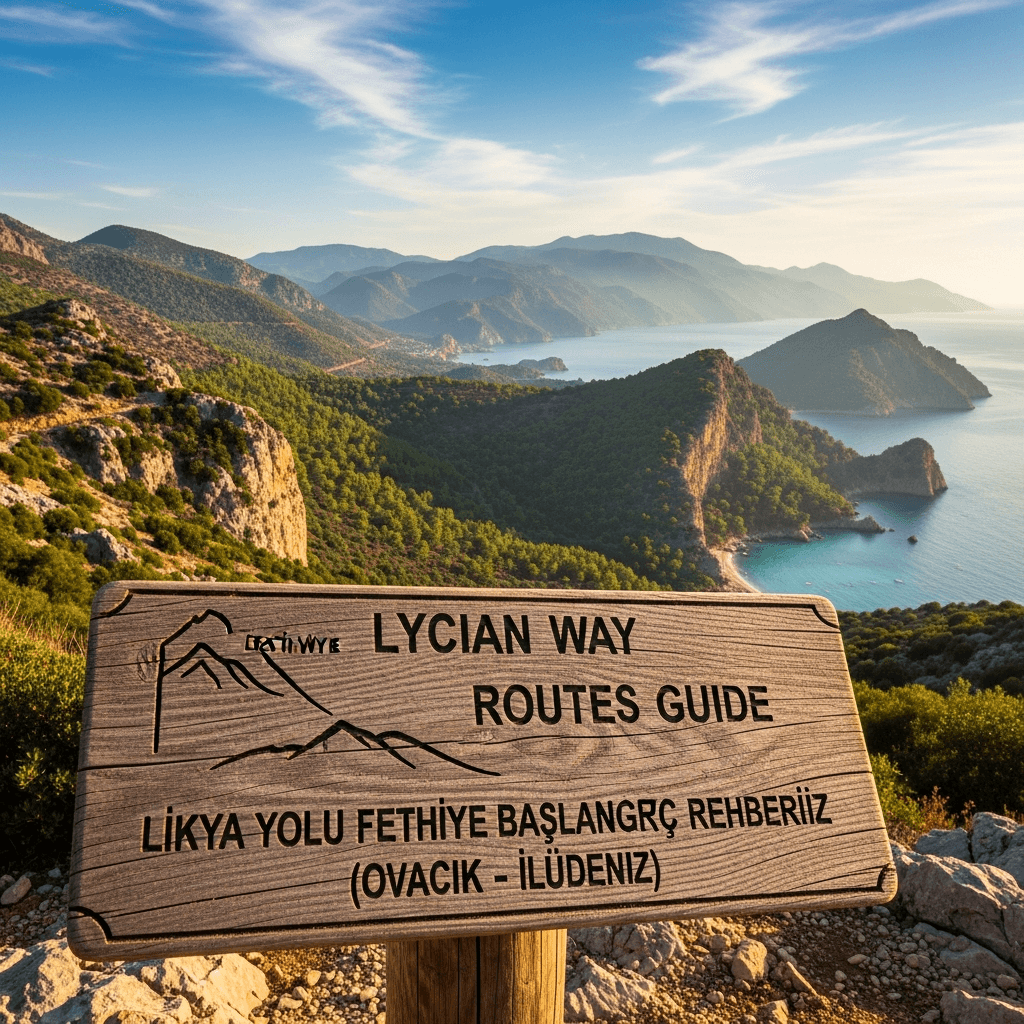
Likya Yolu Fethiye Başlangıç Parkuru Rehberi (Ovacık - Ölüdeniz)
Fethiye'den başlayan Likya yolu etapları (Ovacık, Faralya, Kayaköy). Günübirlik yürüyüş rotaları, sarı çizgi işaretleri ve dev ekipman tablolu SEO doğa rehberi.
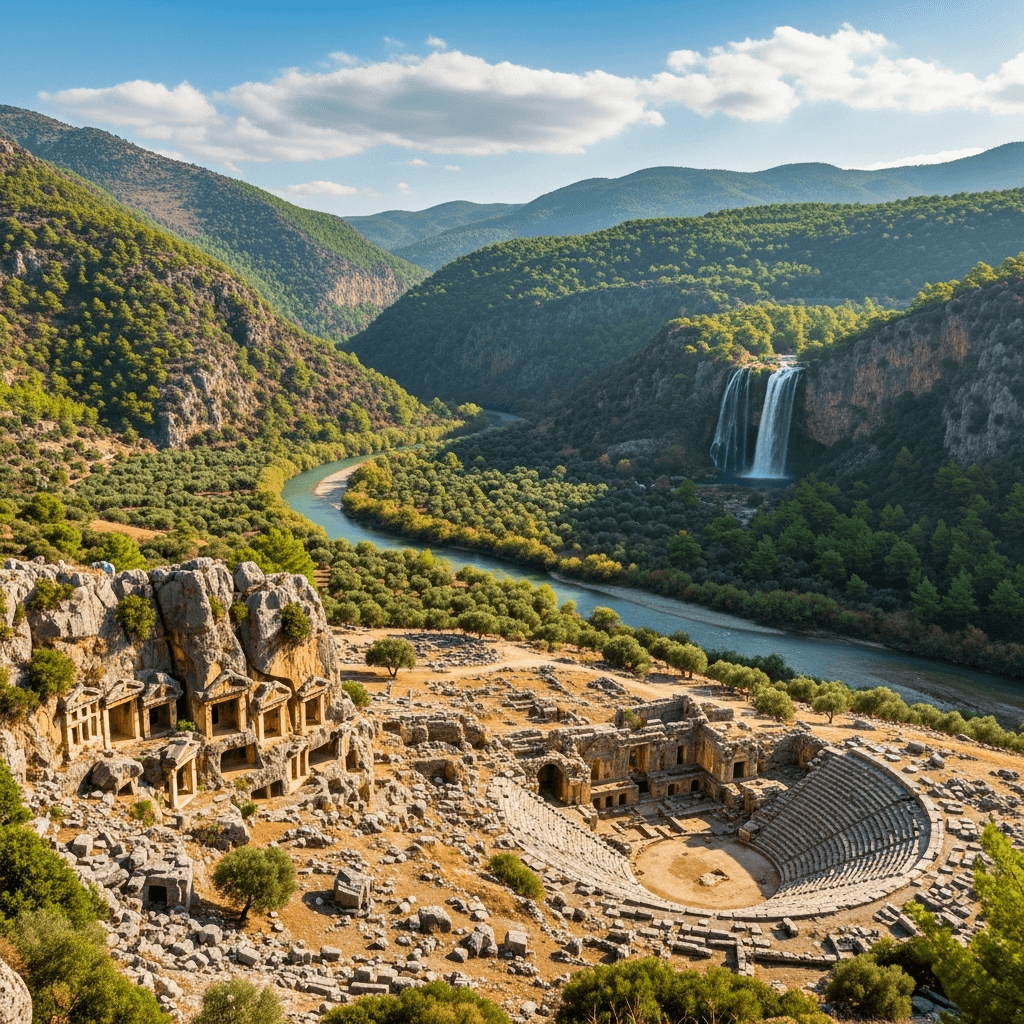
Fethiye Tlos Antik Kenti ve Yakapark Şelalesi: Saklıkent Kombinasyonu
Fethiye'de bir gün: Sabah Tlos antik kenti ve kaya mezarları gezisi, öğlen Yakapark şelalesi alabalık molası ve akşamüstü Gizlikent kanyonu. Tam gün eşsiz SEO rehberi.
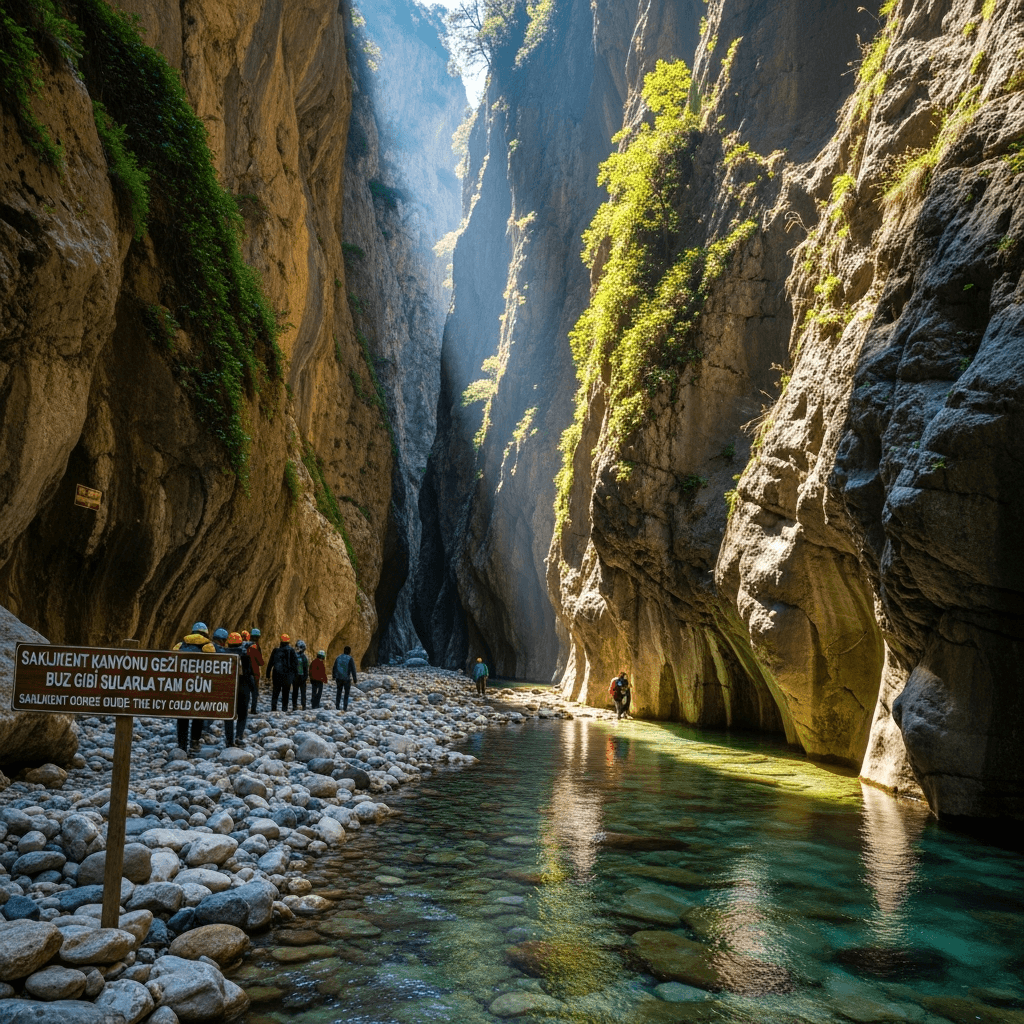
Saklıkent Kanyonu Gezi Rehberi: Buz Gibi Sularla Tam Gün
Fethiye Saklıkent kanyonu giriş ve gezi rehberi. Nehir yürüyüşü, çamur banyosu ve restoran fiyatları. Gizlikent mi Saklıkent mi kıyaslaması.
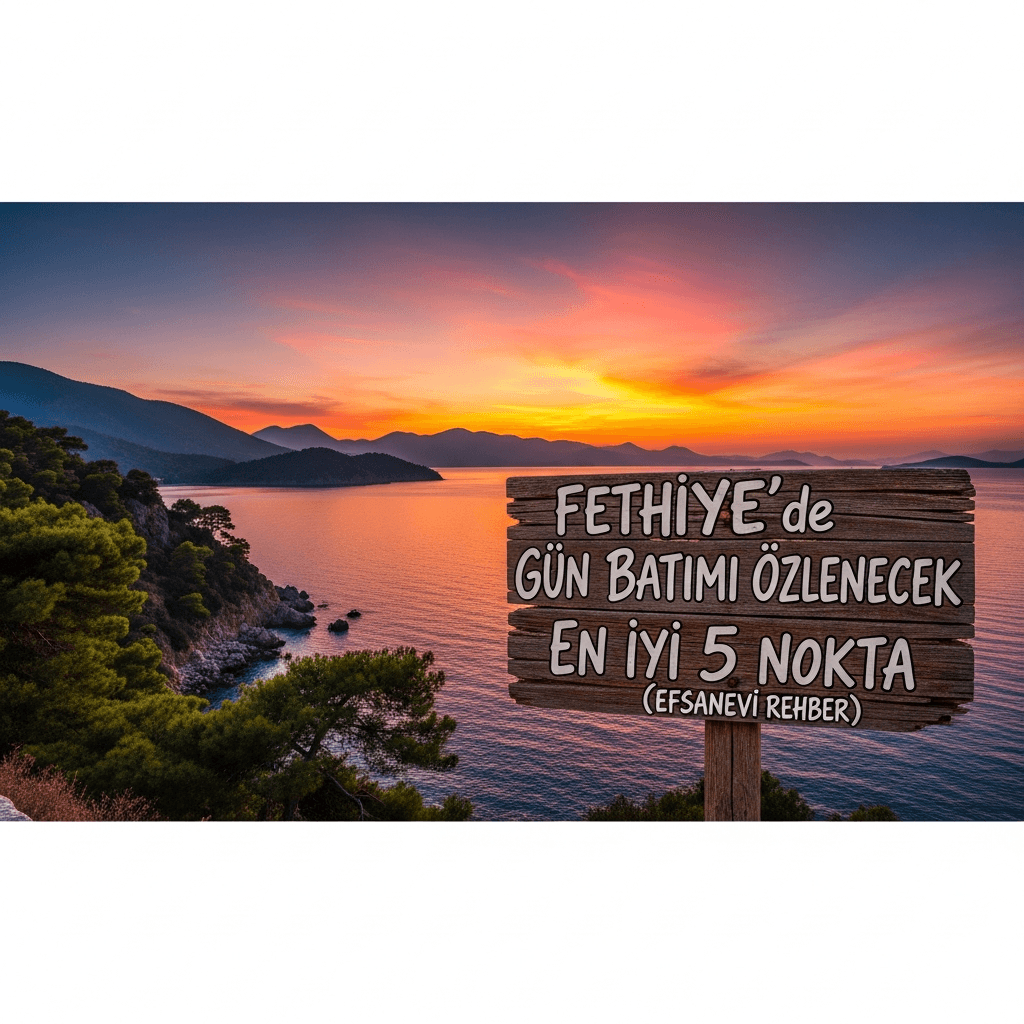
Fethiye'de Gün Batımı İzlenecek En İyi 5 Nokta (Efsanevi Rehber)
Fethiye'de gün batımı nerede izlenir? Çalış plajı, Babadağ 1700m seyir terası, Şövalye adası ve Gemiler koyu için tablolu tam SEO akşamüstü romantik rehberi.
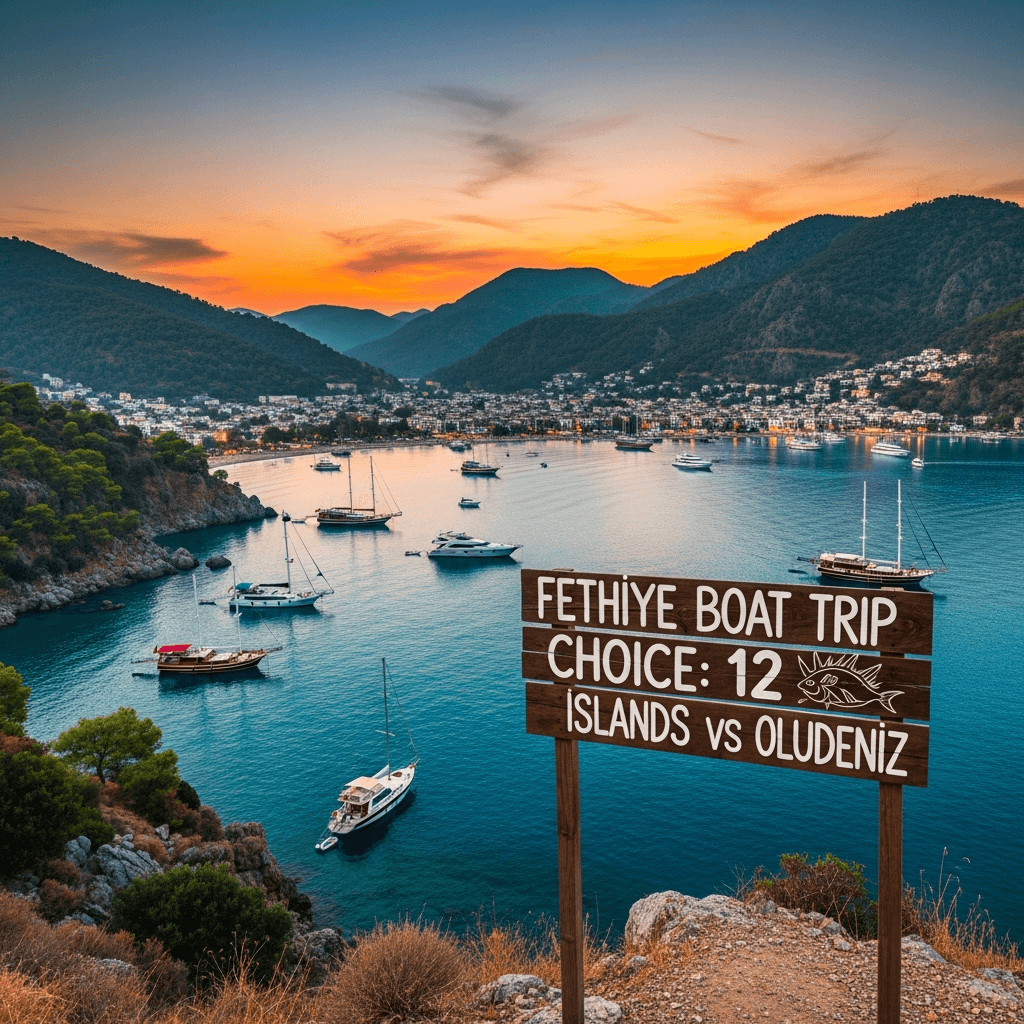
Fethiye Tekne Turu Seçme Rehberi: 12 Adalar Mı Ölüdeniz mi?
Fethiye tatilinde 12 Adalar tekne turu ile Ölüdeniz Kelebekler vadisi turu arasındaki farklar. Hangi gemi size uygun? Kıyaslama tabloları ve deniz tutması önlemleri.
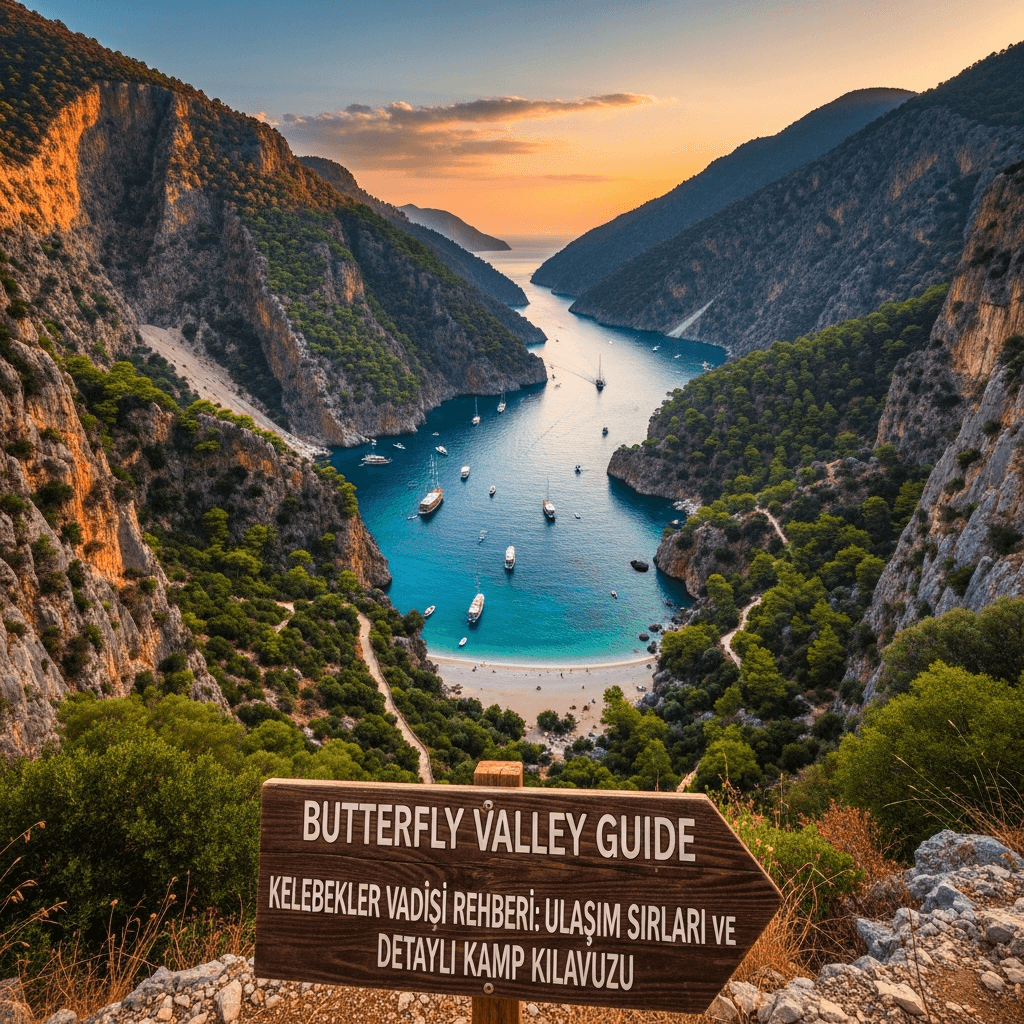
Kelebekler Vadisi Rehberi: Ulaşım Sırları ve Detaylı Kamp Kılavuzu
Fethiye Kelebekler Vadisine nasıl gidilir? Tekne ile mi karadan mı? Kamp ve şelale yürüyüşü için tablo ve maddelerle tam SEO uyumlu dev gezi planı rehberi.
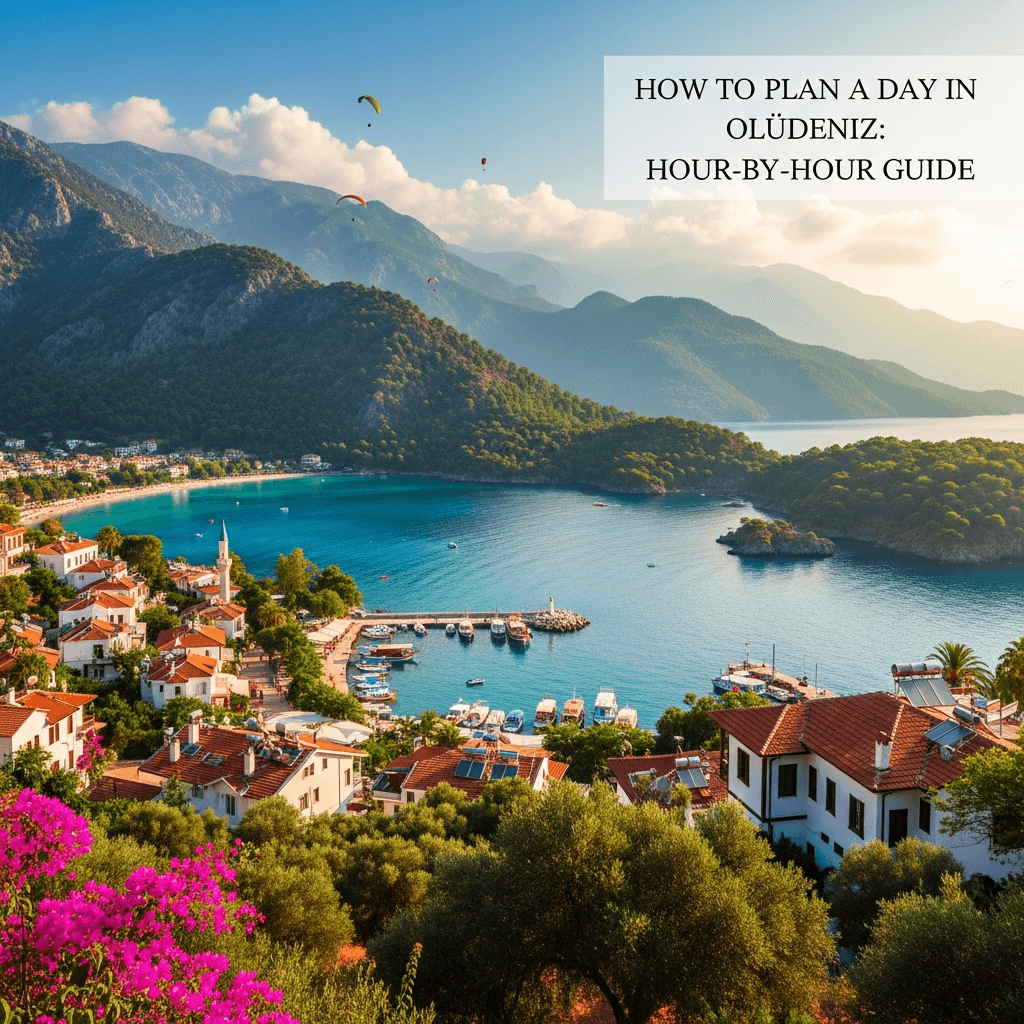
Ölüdeniz Günü Nasıl Planlanır? Kusursuz Bir Gün İçin Saat Saat Akış
Ölüdeniz, Kumburnu lagünü, Belcekız plajı ve Babadağ teleferik turu için tablo ve maddelerle tam SEO uyumlu saat saat gezi planı ve tatil rehberi.
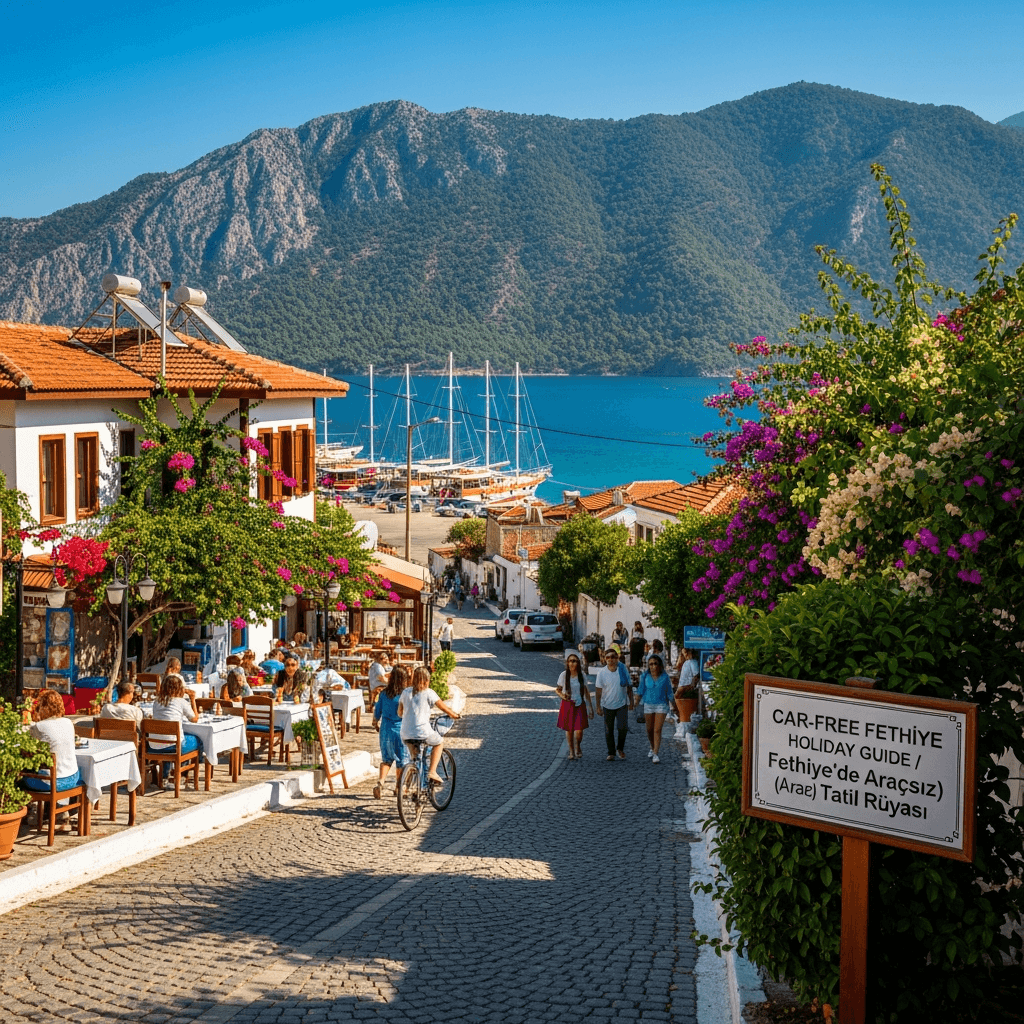
Fethiye’de Araçsız (Arabasız) Tatil Rüyası: Özgürlük, Rahatlık ve Konforun Formülü
Fethiye'de araba kiralamadan harika bir tatil yapmak mümkün. Dolmuşlar, su taksileri ve yürüyüş yollarıyla eşsiz rotalara ulaşım rehberi.
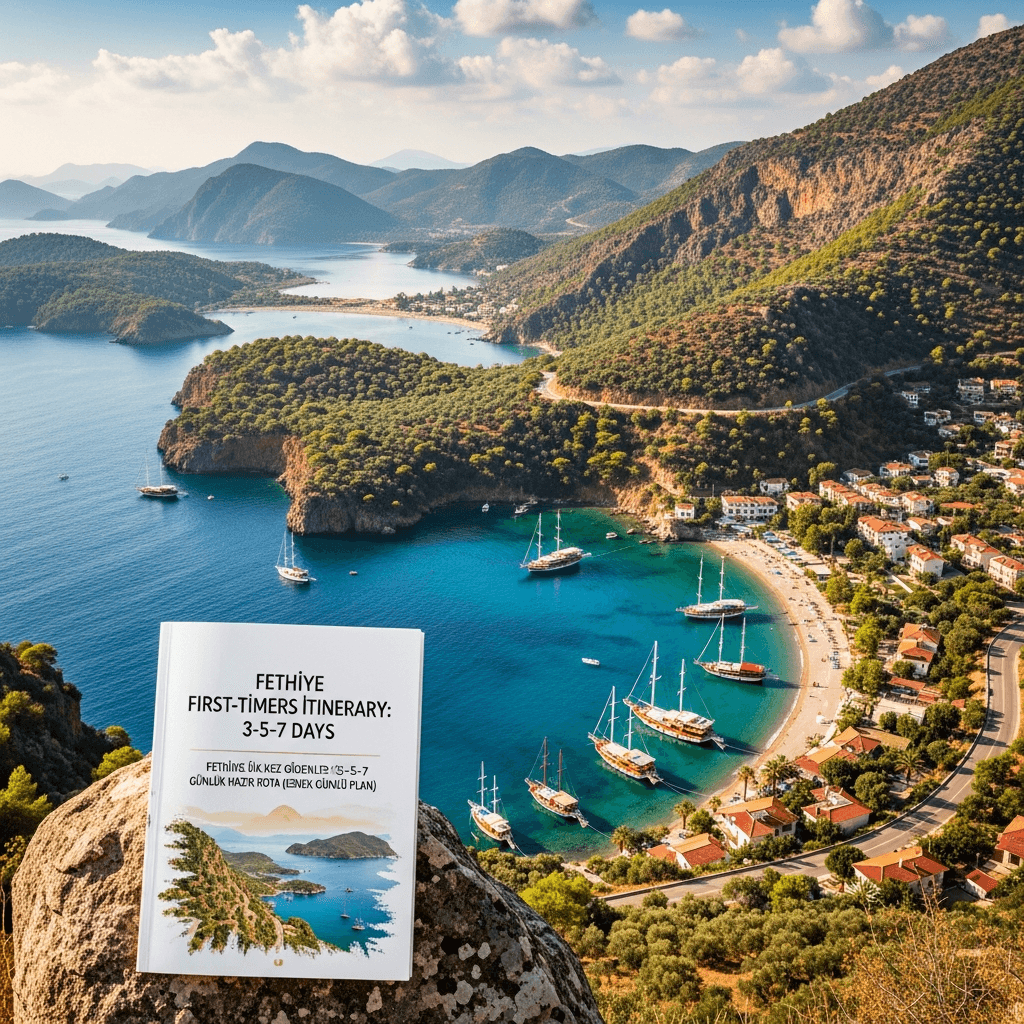
Fethiye İlk Kez Gidenler İçin: 3–5–7 Günlük Hazır Rota (Esnek Günlü Plan)
Fethiye'ye ilk defa gidenler için özenle hazırlanmış tam kapsamlı 3, 5 ve 7 günlük mükemmel tatil rotası. Ölüdeniz, Kelebekler, Saklıkent.
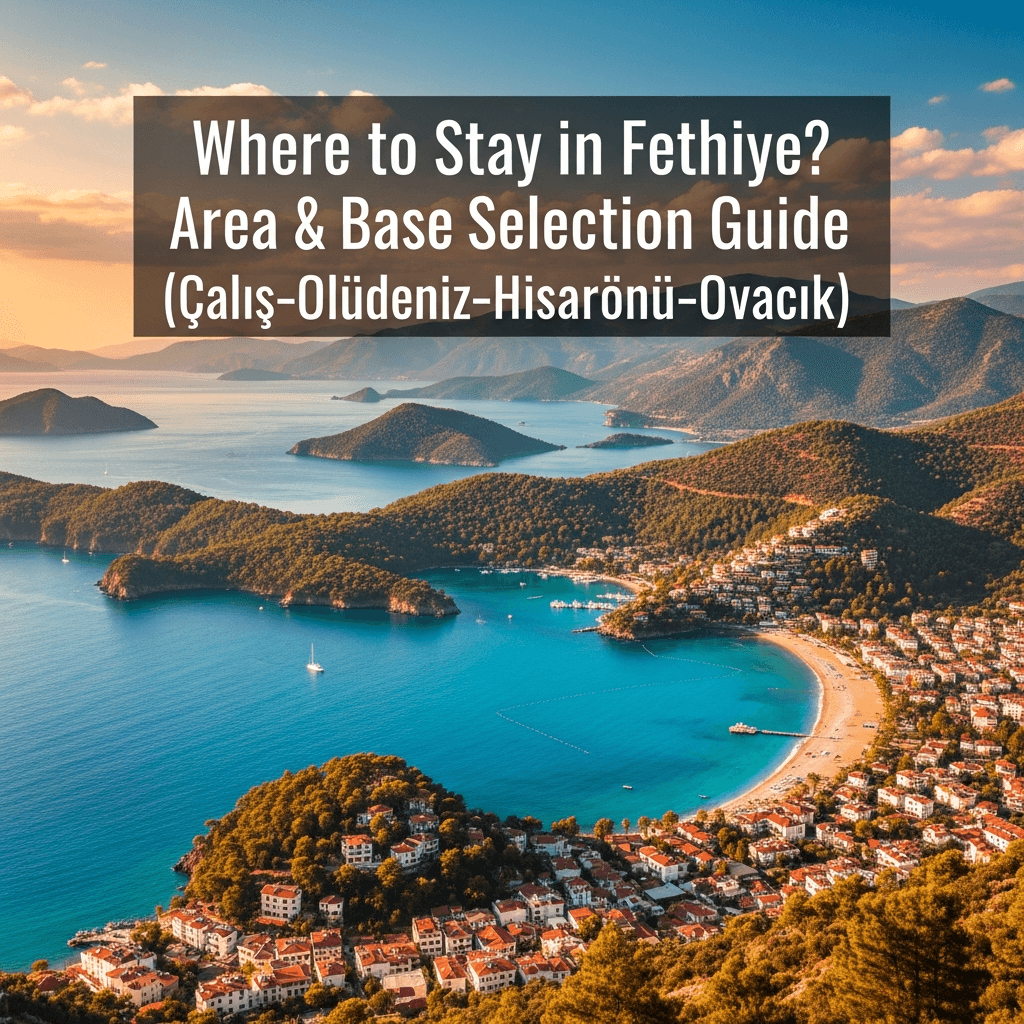
Fethiye’de Nerede Kalınır? Bölge Bölge Base Seçim Rehberi (Çalış–Ölüdeniz–Hisarönü–Ovacık)
Fethiye tatilinde doğru bölgeyi seçmenin püf noktaları. Çalış plajı, Ölüdeniz, Hisarönü, Ovacık ve Merkez detaylı analiz. Kapsamlı tatil rehberi.
Bu rehber işinize yaradı mı?
bölgesindeki daha fazla gizli cenneti keşfetmek için diğer rehberlerimize göz atın.
Tüm Rehberleri Keşfet