How to Get the Best All-Inclusive Value from the UK (Timing + Room Types)
TR Pasif.
Hızlı Özet
- • bölgesinde gezilecek en iyi yerler
- •Yerel restoran ve kafe önerileri
- •Konaklama seçenekleri ve fiyat aralıkları
- •Ulaşım bilgileri ve ipuçları
İçindekiler
How to Get the Best All-Inclusive Value from the UK (Timing + Room Types)
- Travel timing: Best value for Turkey all‑inclusive is typically late April–early June and late September–mid October from UK airports.
- Departure airports: Compare prices from Manchester, Birmingham, Gatwick and Stansted; regional airports sometimes give cheaper packages outside school holidays.
- Regions: For good value all‑inclusive, consider Antalya (Lara Beach, Belek, Side), Dalaman area (Ölüdeniz, Hisarönü, Sarigerme) and Bodrum Peninsula (Gümbet, Bitez, Turgutreis).
- Room types: Standard rooms give strongest value; sea‑view, swim‑up and family suites add cost but can make sense for specific needs.
- Flight times: Early morning outbound flights and late evening returns often stretch your all‑inclusive days without adding nights.
- Local transport: Use dolmuş routes like Antalya–Side or Bodrum–Turgutreis to explore cheaply instead of paying for extra excursions.
- Food & drink value: Check if Turkish specialities like gözleme, simit and pide are included, plus local drinks such as ayran; imported spirits usually cost extra.
- Booking strategy: For peak August and school holidays, booking 6–9 months ahead typically beats last‑minute deals.
If you are travelling from the UK and want maximum value from an all‑inclusive holiday in Turkey, focus on shoulder‑season dates, smart departure airports, and the right room type for your group, then use local transport and simple on‑the‑ground tricks to stretch what is included in your wristband.
Why Timing and Room Type Matter So Much for UK Travellers
For UK residents, the cost of a Turkey all‑inclusive is mainly driven by three things: flight price, season, and room configuration. The base all‑inclusive concept (meals, selected drinks, snacks) is surprisingly similar across many large resorts, especially in Antalya and along the Aegean. Where you really win or lose value is:
- When you travel – school holidays and high summer inflate flight prices from UK airports.
- Which part of Turkey you choose – some regions have heavy UK charter capacity, which can lower per‑person prices.
- What room you pick – paying for a sea‑view, private pool or large suite can erase the savings of going all‑inclusive.
Simple rule: decide your ideal travel window and minimum room comfort first, then compare regions and airports to fit your budget.
Best Times of Year for All‑Inclusive Value from the UK
Understanding Turkey’s Holiday Seasons
Most Turkish coastal resorts (Antalya, Muğla, Izmir provinces) follow a clear pattern:
- Low season: late October–March (limited flights from the UK, cooler weather, some resorts closed).
- Shoulder season: late April–early June, late September–mid October (good weather, more availability, often strong value).
- High season: late June–early September (school holidays, hottest weather, highest demand from UK and Europe).
Best Value Windows for UK Travellers
For all‑inclusive specifically, shoulder season often gives the best combination of price, weather and resort atmosphere:
- Late April to early June: Along Lara Beach, Belek and Side, daytime temperatures are usually warm enough for the pool, but flights from Gatwick, Manchester or Birmingham can be significantly lower than in August.
- Late September to mid October: Around Bodrum’s Gümbet and Bitez bays, or Marmaris and İçmeler, the sea is still warm, but families have largely returned home, easing prices.
Many UK travellers find that a week in Side or Ölüdeniz in May can cost noticeably less than the same resort in early August, even though the all‑inclusive food and drink offering is largely unchanged.
School Holidays vs Off‑Peak for UK Families
If you are tied to UK school holidays, your strategy changes slightly:
- May half‑term: Often a better value than late July. Regions like Sarigerme (near Dalaman) and Side (east of Antalya) can offer warm weather without full peak pricing.
- Late August: In some years, the final week of August into the first days of September dips a little in price compared with late July or early August. Check flexible date calendars from your departure airport.
- October half‑term: Antalya area (especially Lara Beach and Belek) usually keeps pools and outdoor restaurants open longer than some Aegean resorts like Bodrum or Kusadası due to slightly warmer autumn weather.
UK‑friendly tip: use flexible search (±3 days) around your preferred half‑term dates from your nearest airports (for example, Bristol, Leeds Bradford, East Midlands) and compare with Gatwick or Manchester; packages can differ markedly.
Choosing the Right Turkish Region for All‑Inclusive Value
Antalya Coast: Lara Beach, Belek and Side
The Antalya region is heavily geared towards all‑inclusive, which can mean competitive package prices from UK cities. Key bases include:
- Lara Beach: Close to Antalya Airport, meaning short transfers (often 20–30 minutes along the D400). Good for maximising time on resort if you have a late arrival or early departure.
- Belek: Known for golf and large resort complexes; many UK travellers enjoy the extensive pool and spa facilities here.
- Side (Çolaklı, Kumköy, Evrenseki): Slightly longer transfer (around 60–75 minutes), but often sharp pricing and family‑friendly beaches.
From Antalya city, dolmuş minibuses run eastwards along the D400 towards Side and Manavgat, with marked stops near the main road. This keeps independent day trips affordable even if you are on all‑inclusive.
Dalaman Area: Ölüdeniz, Hisarönü, Fethiye, Marmaris and Sarigerme
Dalaman Airport serves a string of resorts that UK travellers use for both all‑inclusive and more flexible stays:
- Ölüdeniz & Hisarönü: Popular with UK guests. Dolmuş services run between Fethiye otogar (bus station on Ölüdeniz Caddesi) and Ölüdeniz beach, passing through Hisarönü, ideal for mixing beach, lagoon and nightlife.
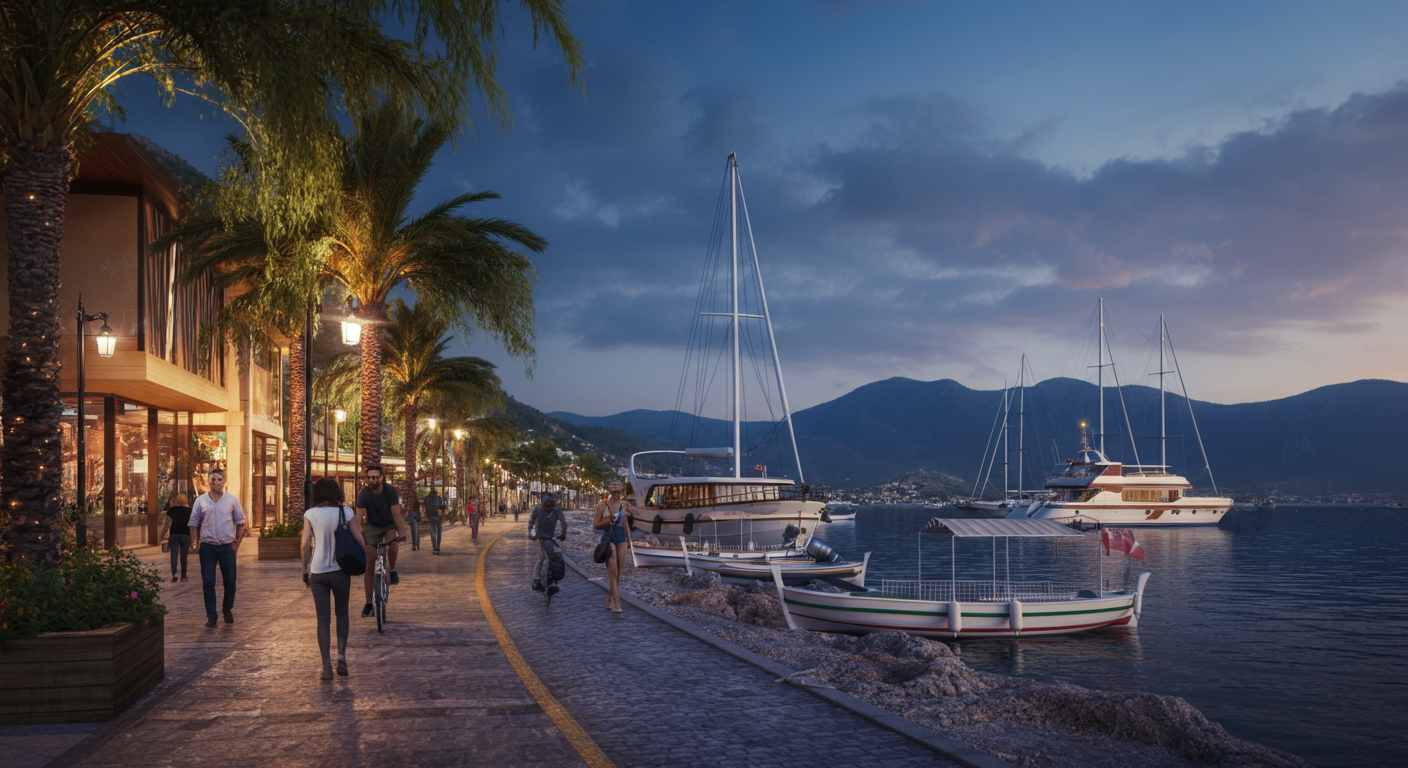
- Marmaris & İçmeler: The coastal road from Marmaris down to İçmeler is served by frequent dolmuş, making it easy to access the marina, Barlar Sokağı (Bar Street) and the seafront promenade.
- Sarigerme: Closer to Dalaman Airport than many other resorts, which can cut transfer time and cost.
Many travellers find Dalaman‑area all‑inclusive stays particularly good value in May and early June before high‑summer demand from multiple European countries spikes prices.
Bodrum Peninsula: Gümbet, Bitez, Turgutreis and Torba
The Bodrum Peninsula gives a mix of nightlife, small family‑run places and larger all‑inclusive resorts:
- Gümbet: Just over the hill from Bodrum town via Turgutreis Caddesi; popular with younger UK travellers and groups who want nightlife plus inclusive food and drink.
- Bitez: Calmer than Gümbet with a long, shallow bay. Families often like the flat seafront walkway along Atatürk Bulvarı.
- Turgutreis: At the western end of the peninsula; sunset views over the islands can be impressive.
- Torba and Türkbükü: Generally quieter, with some stylish seafront areas that appeal to couples.
Dolmuş routes fan out from Bodrum bus station on Cevat Şakir Caddesi. You can pick up minibuses labelled "Gümbet", "Bitez", "Turgutreis" and others, paying a modest fare in Turkish lira. This means even if you stay all‑inclusive, you can still explore local bakeries for simit or stop at a lokanta for a bowl of mercimek çorbası (lentil soup) without needing taxis everywhere.
Room Types: Where the Real Value Lies
Standard Rooms: The Core Value Option
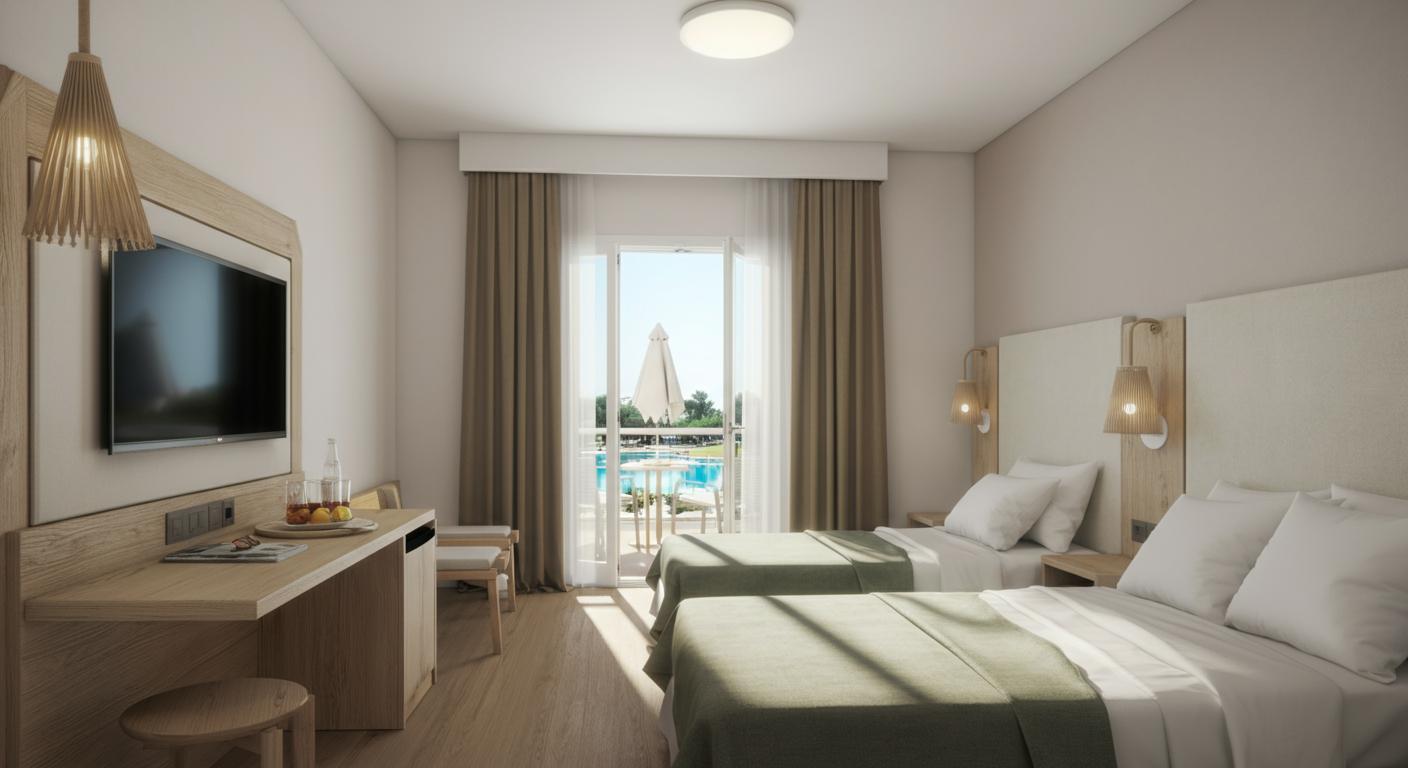
For most UK travellers, a standard double or twin room offers the strongest all‑inclusive value. You are paying mainly for:
- Your meal plan (buffet breakfast, lunch, dinner, snacks).
- Selected drinks (usually local spirits, wine, beer, soft drinks, tea, Turkish coffee in some venues).
- On‑site facilities (pools, some water slides, kids’ clubs, fitness rooms, evening shows).
View and room extras do not change the buffet or bar offering, so if your priority is value, the standard room is usually where you should start.
Sea‑View, Side Sea‑View and Pool‑View Rooms
Upgrading your view affects price and enjoyment differently:
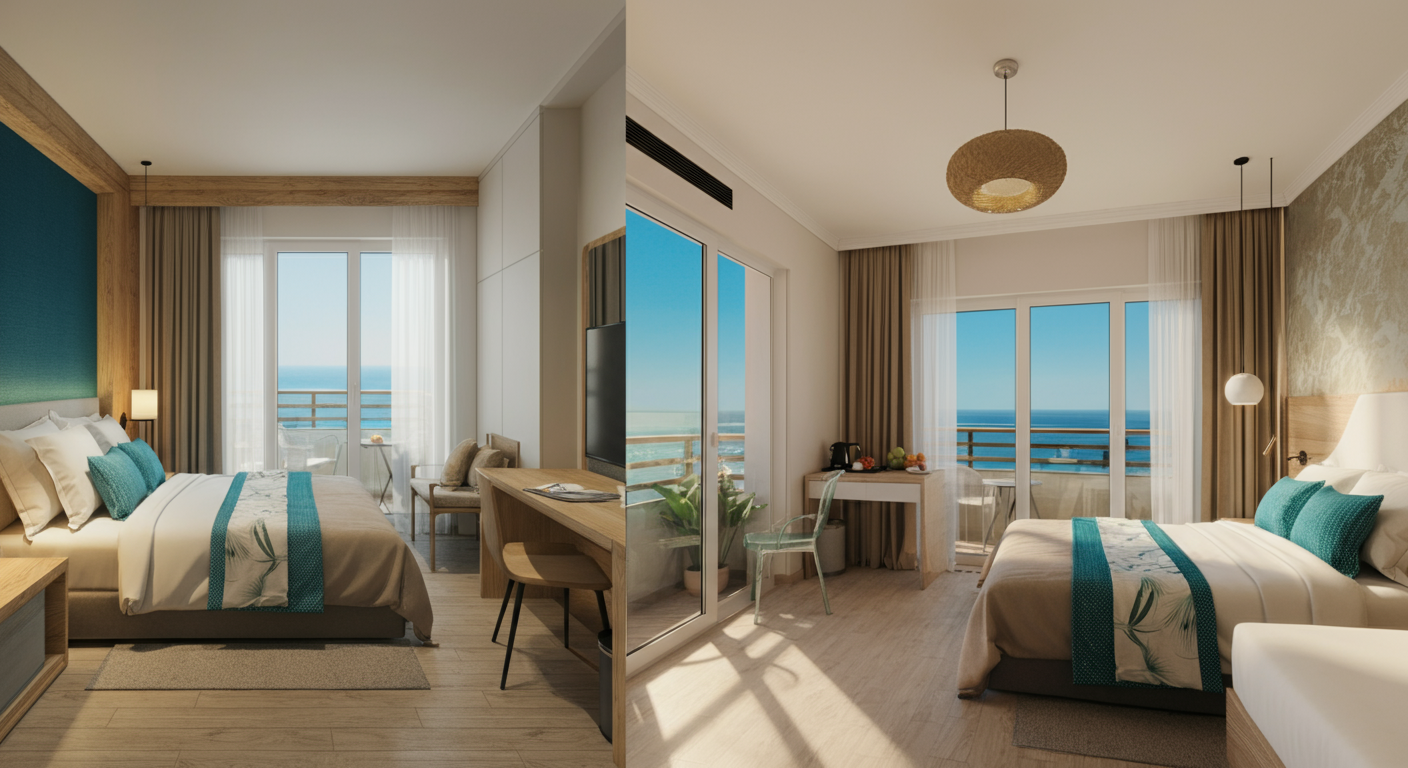
- Sea‑view / full sea‑view: Often worthwhile in bays like Ölüdeniz or Turgutreis where sunsets are a big part of the experience. However, expect a noticeable nightly supplement.
- Side sea‑view: Sometimes a modestly priced upgrade that partly faces the sea and partly the land.
- Pool‑view: Can be noisier, especially where there is late‑night entertainment or daytime music.
Simple rule: if you plan to spend most of your time on the terrace, beach promenade or by the pool bar, a base room without full sea‑view can be the better value choice.
Family Rooms, Interconnecting Rooms and Suites
For families and groups from the UK, room layout becomes as important as price:
- Family rooms: Typically offer a main sleeping area for adults and a separate or partially divided space for children, sometimes with bunk beds.
- Interconnecting rooms: Two standard rooms linked by a door; useful for older children or multi‑generation groups wanting both privacy and proximity.
- Junior suites / one‑bedroom suites: A lounge area plus bedroom, often with a sofa‑bed for children.
If you have teenagers, paying extra for an interconnecting arrangement can significantly improve the holiday, while still using the same all‑inclusive facilities. For younger children who go to sleep early, having a separate space means adults can sit up with the balcony light on without disturbing them.
Swim‑Up Rooms and Private Pool Options
Swim‑up rooms and private pool suites have become more common in areas such as Belek, Lara Beach and parts of the Bodrum Peninsula. These look attractive in photos, but they carry a premium.
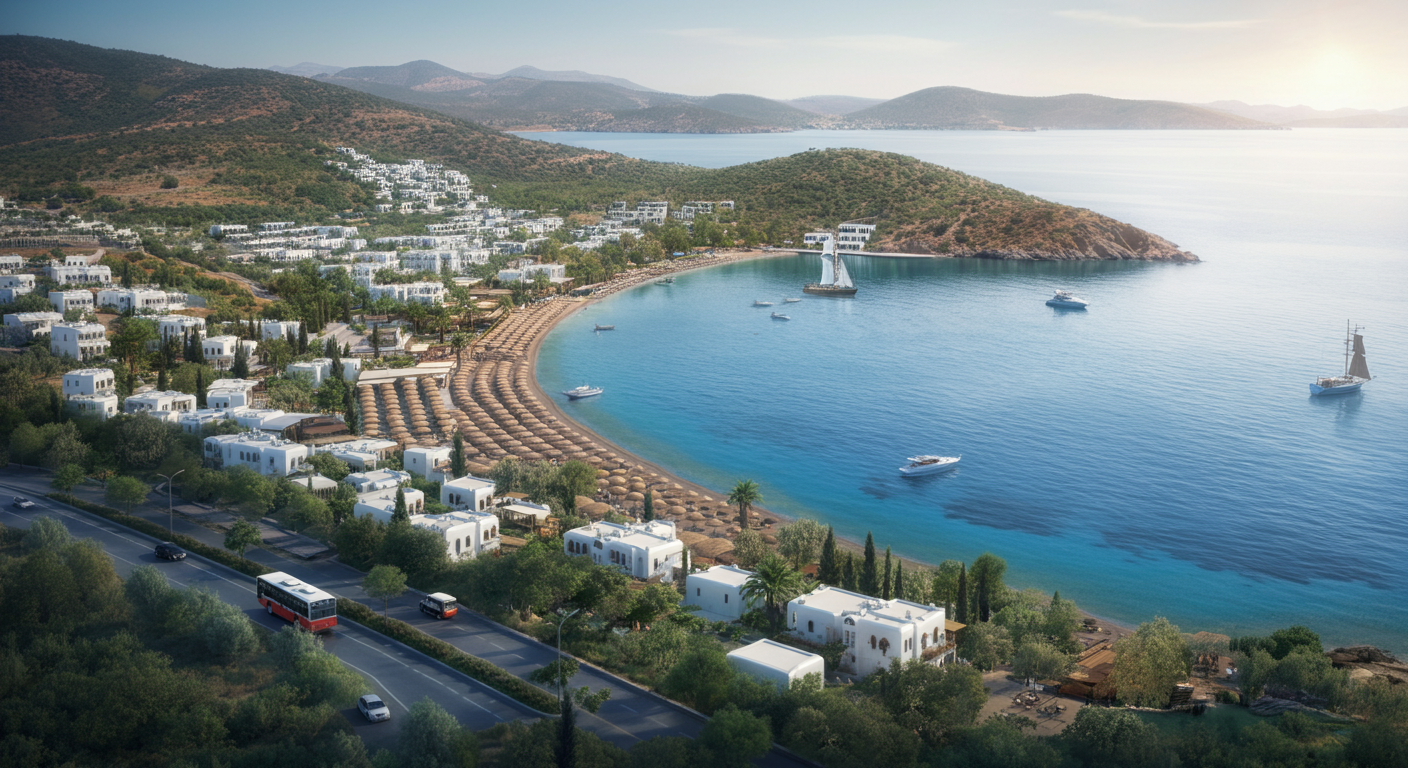
They can be worth it when:
- You are celebrating a special occasion (honeymoon, milestone birthday).
- You strongly prefer quiet, direct water access instead of busy main pools with music and activities.
- You are travelling in high summer and want shade plus a quick dip without hunting for sunbeds.
However, if you intend to spend much of the day at the main pool bar, on the beach or taking dolmuş trips into nearby towns, a standard or family room usually offers better overall value.
Maximising Value with Flight Times and Transfers
Choosing Flight Times from the UK
Flight times can quietly change how many meals and drinks you actually consume within your all‑inclusive stay.
- Early morning outbound flights: Arriving into Antalya, Dalaman or Bodrum before midday often means you can use the lunch buffet and afternoon snacks on arrival day.
- Late evening return flights: If your wristband is valid until check‑out, you can often still have breakfast and sometimes lunch before heading to the airport.
- Night flights: Cheaper in some cases, but you may lose the first evening’s use of the facilities if you arrive very late.
UK‑friendly tip: when comparing two packages, roughly estimate how many main meals you will practically get. A slightly higher package price with well‑timed flights can work out better value than a cheaper deal that wastes your first day.
Transfer Times: Short vs Long
Transfer length is another value factor:
- Lara Beach from Antalya Airport: Typically 20–30 minutes, mostly along the D400 coastal highway.
- Belek: Often 35–45 minutes.
- Side / Manavgat area: Around 60–75 minutes depending on hotel location near the coastal road or inland.
- Ölüdeniz from Dalaman Airport: Around 60–90 minutes via the mountain road past Ovacık and Hisarönü.
- Marmaris from Dalaman Airport: Usually 90–120 minutes along the D400 towards Muğla.
- Bodrum town / Gümbet from Bodrum Airport (Milas): About 35–45 minutes along the Milas–Bodrum highway.
Shorter transfers are particularly valuable on 7‑night breaks, where losing half a day in each direction can feel noticeable.
On‑Resort: Food, Drink and What “All‑Inclusive” Usually Covers
Typical Food Inclusions
While each property differs, UK travellers can expect most large Turkish all‑inclusive resorts to include:
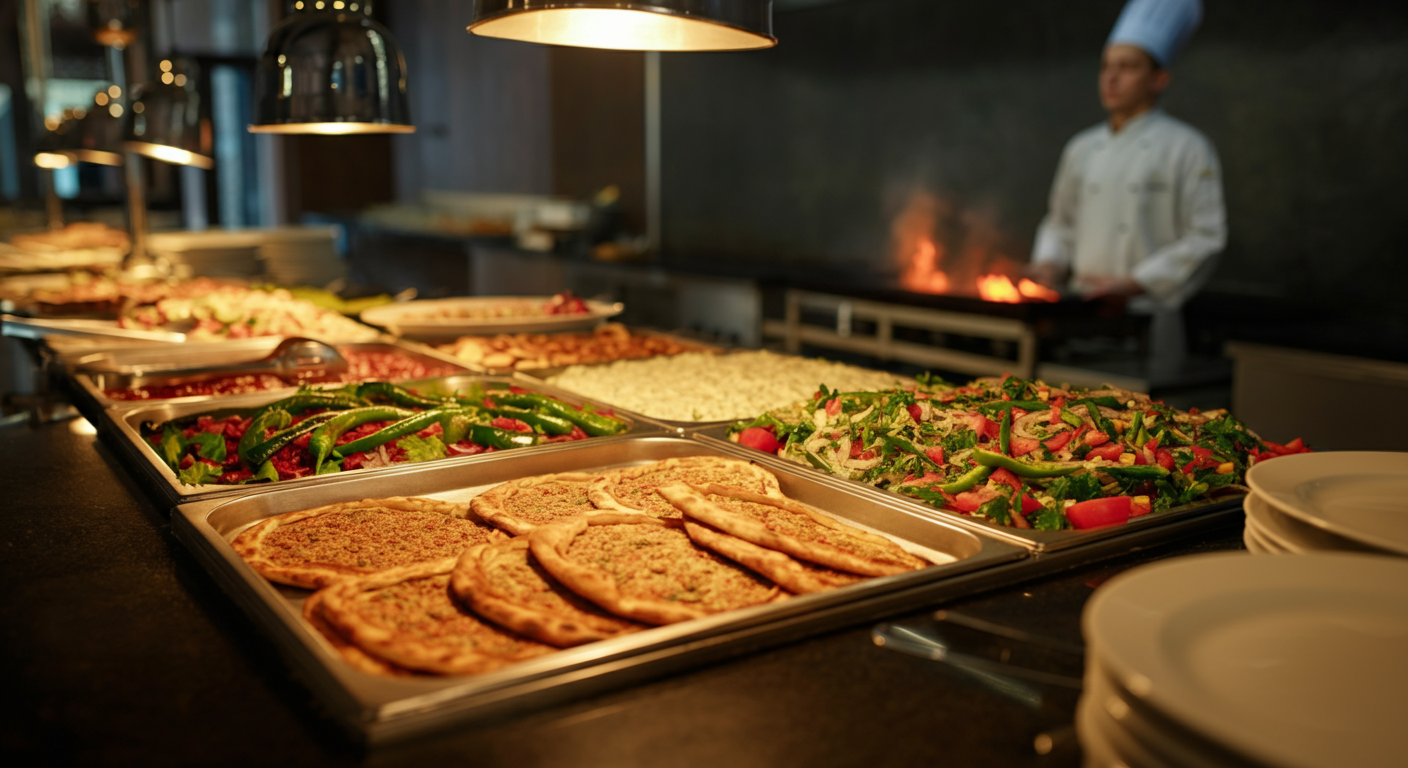
- Buffet breakfast: Often with eggs, cheeses, bread, olives, tomatoes, cucumbers, jams, cereals and sometimes menemen (Turkish scrambled eggs with tomato and pepper).
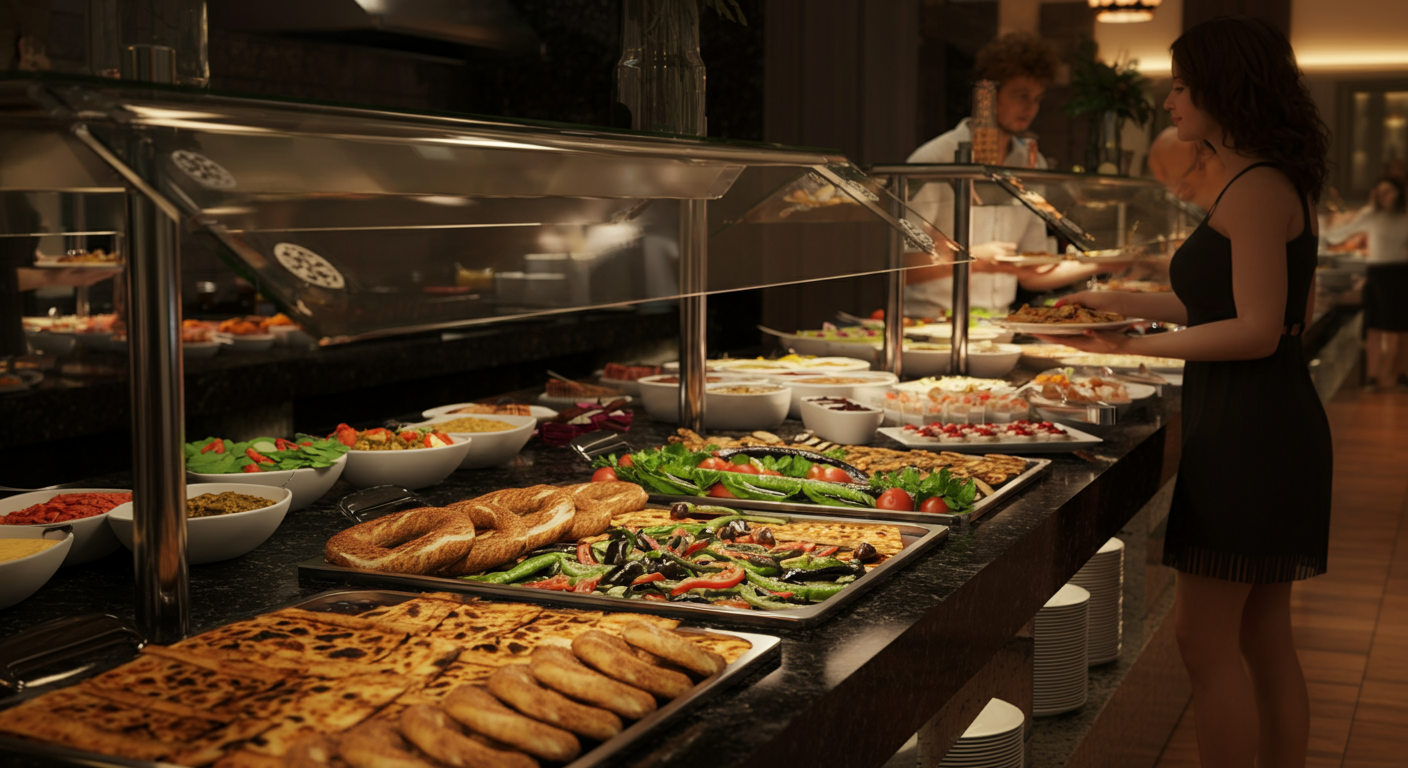
- Lunch and dinner buffets: With a mix of grilled meats, stews, meze salads and pasta. Look out for pide (Turkish flatbread pizza‑style dishes) and freshly made gözleme (thin dough filled with cheese, spinach or potato, cooked on a sac griddle).
- Snack times: Often including burgers, chips, gözleme or simit (ring‑shaped bread with sesame seeds) in a snack bar near the pool or beach.
- Late‑night soup or snacks: Common in bigger complexes, especially in Antalya and Belek.
Value tip: Buffets can vary in quality. Many travellers report that resorts near major towns like Fethiye or Bodrum often feature more local dishes, especially grilled fish nights and meze using produce from surrounding villages.
Drinks: What’s Usually Included
All‑inclusive often covers:
- Local draught beer and house wine (red, white, sometimes rosé).
- Local spirits (rakı, gin, vodka, brandy equivalents) in mixed drinks.
- Soft drinks, tea, Turkish tea, instant coffee, and sometimes basic espresso‑style coffee.
Imported spirits, premium cocktails, bottled wines and fresh‑squeezed juices usually carry a surcharge. Always check the bar menu or wristband information when you arrive.
Speciality Restaurants and Reservations
Many large resorts in Antalya, Belek or around Marmaris offer à la carte restaurants (for example, seafood, Ottoman‑style, Italian). These may be:
- Included once per stay, with a booking required via reception or a lobby kiosk.
- Charged at a fixed supplement per person.
To maximise value, ask at check‑in how many à la carte visits are complimentary and book promptly—prime nights (e.g. Friday and Saturday) fill quickly in school holidays.
Leaving the Resort: Using Dolmuş and Local Food for Extra Value
Dolmuş: Cheap and Flexible Local Transport
Dolmuş minibuses are one of the most cost‑effective ways for UK tourists to explore while based at an all‑inclusive resort:
- In Antalya, minibuses run from the city centre along Atatürk Caddesi and the D400 towards Lara Beach and further east. There are also frequent services linking Antalya’s main bus station (Otogar) to Konyaaltı Beach.
- In Bodrum, most dolmuş services depart from the bus station on Cevat Şakir Caddesi, heading to Gümbet via Turgutreis Caddesi, to Bitez, Ortakent and Turgutreis.
- In Marmaris, minibuses run along the main coastal road, connecting the marina area, the central bazaar and İçmeler beach.
- In Fethiye, dolmuş lines from the central otogar along Ölüdeniz Caddesi pass through Ovacık and Hisarönü and end at Ölüdeniz beach front.
Fares are usually paid in cash (Turkish lira) to the driver; prices are modest compared with taxis. Routes and prices can change, so check at local kiosks or with reception.
If you are staying near Gümbet, taking the dolmuş from Turgutreis Caddesi into Bodrum marina for an evening stroll along Neyzen Tevfik Caddesi and a Turkish coffee by the harbour can cost a fraction of a taxi, while giving you a much richer sense of place.
Local Breads and Street Snacks Worth Trying
Even if you are on all‑inclusive, sampling local bakeries can add a lot of flavour to your trip with minimal extra cost. Look out for:
- Simit: Sesame‑crusted bread rings sold from red street carts in many towns, particularly around central squares and seafront promenades.
- Pide: Long boat‑shaped flatbreads topped with cheese, mince or vegetables, available in pide salons along streets like Atatürk Caddesi in Fethiye or near Bodrum’s bus station.
- Lavaş and somun ekmek: Soft flatbreads and loaves served with grilled meats in lokantas and kebab houses.
A quick lunch of pide and ayran (a salty yoghurt drink) in a local lokanta on a side street off Antalya’s İsmetpaşa Caddesi can be good value and a welcome change from the buffet.
Budgeting: Typical Costs and What to Check in Advance
Indicative Price Ranges
Exact prices change with exchange rates and demand, but many UK travellers report the following patterns (per person, based on shared rooms):
- Shoulder‑season week (late April–May, late Sept–mid Oct): Often noticeably cheaper than July–August from the same UK airport.
- Peak‑season fortnight in August: Can be significantly higher, especially from London and Manchester, and for family rooms.
- Private transfers: Usually more than shared coach transfers, but can be worthwhile for families landing late at night.
For current package and flight prices, use live comparison tools and cross‑check with different UK departure airports. For any visa or entry fee requirements for British nationals, always check official UK and Turkish government sites, as rules can change.
What to Confirm Before You Book
To avoid unexpected extra spending, try to confirm:
- Which drinks brands are included, and hours of operation for bars.
- If ice creams, fresh juices and speciality coffees are part of the package or charged separately.
- How many à la carte restaurant visits are included, and how to reserve.
- Opening dates of water slides, kids’ clubs and beach facilities, especially if travelling in April or October.
- Exact check‑in / check‑out times and wristband policies for arrival and departure days.
Simple rule: the more you know about inclusions before departure, the easier it is to judge whether a higher package price is actually better value.
Booking Strategy from the UK: When and How to Lock in Value
Advance Booking vs Last‑Minute
Your best approach depends on your flexibility:
- Families tied to school terms: Many travellers find booking 6–9 months in advance for late July and August gives more choice of family rooms, especially in Antalya and Dalaman areas.
- Couples and flexible travellers: If you can travel in May or early June, or late September, you may consider waiting for offers, but availability of specific room types, such as swim‑ups, can still be limited.
Using price alerts from multiple UK departure airports (for example, Newcastle vs Manchester, or Luton vs Gatwick) can show where capacity is strongest for Turkey and where value is best.
Comparing All‑Inclusive with Other Board Bases
Occasionally, a half‑board or bed‑and‑breakfast stay in towns like Bodrum or Fethiye, combined with eating at local lokantas, can rival all‑inclusive prices. However, in areas with resort‑style layouts (Lara Beach, Belek, some parts of Side), all‑inclusive often works out better because:
- Restaurants outside the complexes may be limited within walking distance.
- Taxis to and from town centres can add up quickly.
- On‑site snack and drink prices for non‑inclusive guests can be relatively high.
UK‑friendly tip: for Antalya and Belek, all‑inclusive usually makes sense. For Bodrum town, Fethiye centre or Kaş, consider comparing all‑inclusive with other board types via a flexible search. See also: Antalya vs Bodrum for family holidays.
Safety, Culture and Simple On‑the‑Ground Etiquette
Money and Payments
In tourist zones, you will see prices in both Turkish lira and foreign currencies. Many UK travellers prefer to:
- Use a fee‑free card for cash withdrawals in ATMs on central streets such as Atatürk Caddesi in many towns.
- Keep some small lira notes for dolmuş fares, market purchases and tips.
Always decline “dynamic currency conversion” on card terminals if offered; choose to pay in Turkish lira instead.
Respectful Behaviour Around Resorts and Towns
Resort areas are relaxed, but when visiting town centres, bazaars or mosques:
- Dress more modestly on streets like Kaleiçi’s narrow lanes in Antalya old town or around Bodrum’s Merkez Camii (central mosque).
- Cover shoulders and knees if entering religious sites.
- Ask before photographing people, particularly in markets.
This small effort is appreciated and helps maintain a positive welcome for UK visitors.
Example 7‑Night All‑Inclusive Strategy from the UK
To illustrate how timing and room choices interact, imagine:
- A UK family of four (two adults, two children) flying from Birmingham to Dalaman in late May.
- They choose a family room in Ölüdeniz rather than two separate doubles.
- Outbound flight arrives mid‑morning; return flight leaves late evening.
This schedule allows them to:
- Use the lunch buffet and pool from the arrival afternoon.
- Enjoy breakfast and possibly lunch on check‑out day.
- Take two affordable dolmuş trips from Hisarönü down to Fethiye, walking along the harbour near Çarşı Caddesi and trying pide at a local bakery.
Compared with peak August dates, they gain similar sunshine, calmer resort atmosphere, and potentially substantial savings, even after adding a few off‑resort meals and boat trips from Fethiye marina.
If you like variety and can manage your own transfers, some UK travellers fly into Dalaman, spend a few nights all‑inclusive near Sarigerme, then take a coach via Ortaca to Fethiye for a bed‑and‑breakfast stay. This mixes resort comfort with evenings out along Fethiye’s Kordon (waterfront promenade).
Related Guides You May Find Useful
- Antalya vs Bodrum for family holidays
- Guide to all‑inclusive holidays in the Dalaman region
- How to use dolmuş minibuses in Turkey
- What to eat on a Turkish all‑inclusive holiday
FAQ
When is the best time of year for value on Turkey all‑inclusive holidays from the UK?
Many UK travellers find that late April to early June and late September to mid October offer the best trade‑off between price and weather. School summer holidays (late July–August) are usually the most expensive, especially from major airports like Gatwick and Manchester.
Which Turkish regions normally give the best value for all‑inclusive?
Areas with a high concentration of resort complexes and strong UK flight capacity often have sharper pricing. These include Lara Beach, Belek and Side in the Antalya region, as well as parts of the Dalaman and Bodrum areas such as Marmaris, Ölüdeniz, Gümbet and Bitez. Value depends on season and demand, so always compare multiple regions.
Is a swim‑up room in Turkey worth paying extra for?
It depends on how you use your time. Swim‑up rooms and private pool suites in places like Belek or around the Bodrum Peninsula are appealing if you want quiet space, celebrate a special occasion or plan to stay in the resort most days. If you expect to spend a lot of time at the main pool, beach or on dolmuş trips, a standard or family room usually gives better overall value.
Do Turkish all‑inclusive resorts include local food like gözleme and pide?
Many large all‑inclusive complexes in Antalya, Dalaman and Bodrum regions include Turkish favourites such as gözleme and pide at buffet stations or snack bars, especially at lunchtime. However, the variety and authenticity differ. If you want more local flavour, you can also try pide salons and bakeries in nearby towns, for example along Atatürk Caddesi in Fethiye or near Bodrum’s marina.
How can I make the most of my all‑inclusive wristband on travel days?
Try to choose early morning flights from the UK and late evening returns, and confirm check‑in/check‑out times. If your room is not ready on arrival, many resorts will still let you use the buffet and pool while you wait. On departure day, ask reception how long your wristband remains valid; often you can have breakfast and sometimes lunch before heading to the airport.
Are dolmuş minibuses easy for UK travellers to use?
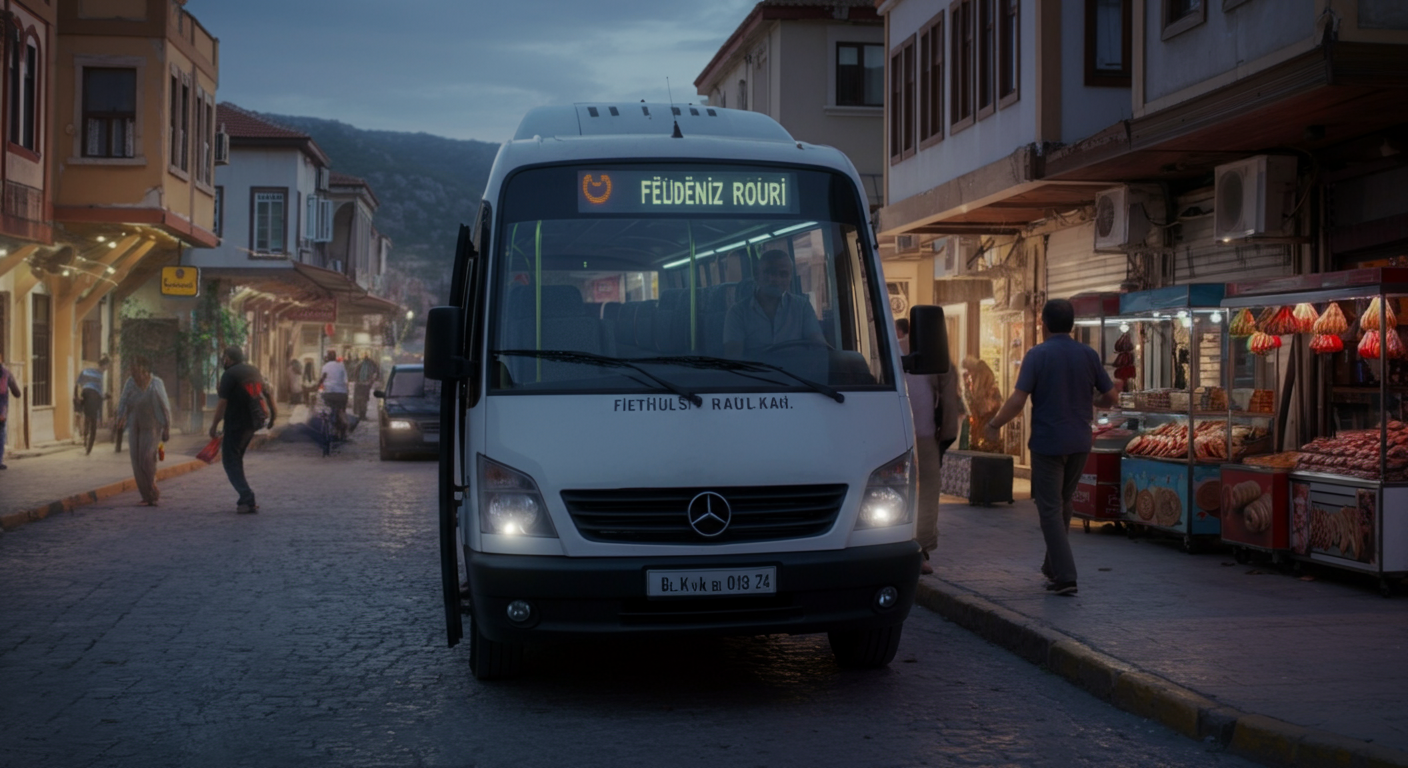
Dolmuş minibuses are widely used by locals and visitors along Turkey’s coasts. Routes are usually written on the front of the vehicle, fares are inexpensive, and you can get on or off at signed stops or, in some places, by signalling to the driver. Common dolmuş routes for tourists include Antalya–Konyaaltı, Bodrum–Gümbet–Bitez–Turgutreis, Marmaris–İçmeler, and Fethiye–Ölüdeniz via Hisarönü.

Selin Aktaş
Editör"Ege köylerine ve butik otellere olan tutkusuyla tanınan Selin, 10 yılı aşkın süredir Türkiye'nin gizli kalmış rotalarını keşfediyor."
Hakkında Rehberler
İstanbul’da Ulaşım Rehberi: İstanbulkart, Metro/Tramvay/Feribot Mantığı (Kafası Karışanlara)
İstanbul'da ulaşım karmaşasına son verin! İstanbulkart, metro, tramvay, otobüs ve feribot gibi toplu taşıma ağlarını kolayca anlayın.
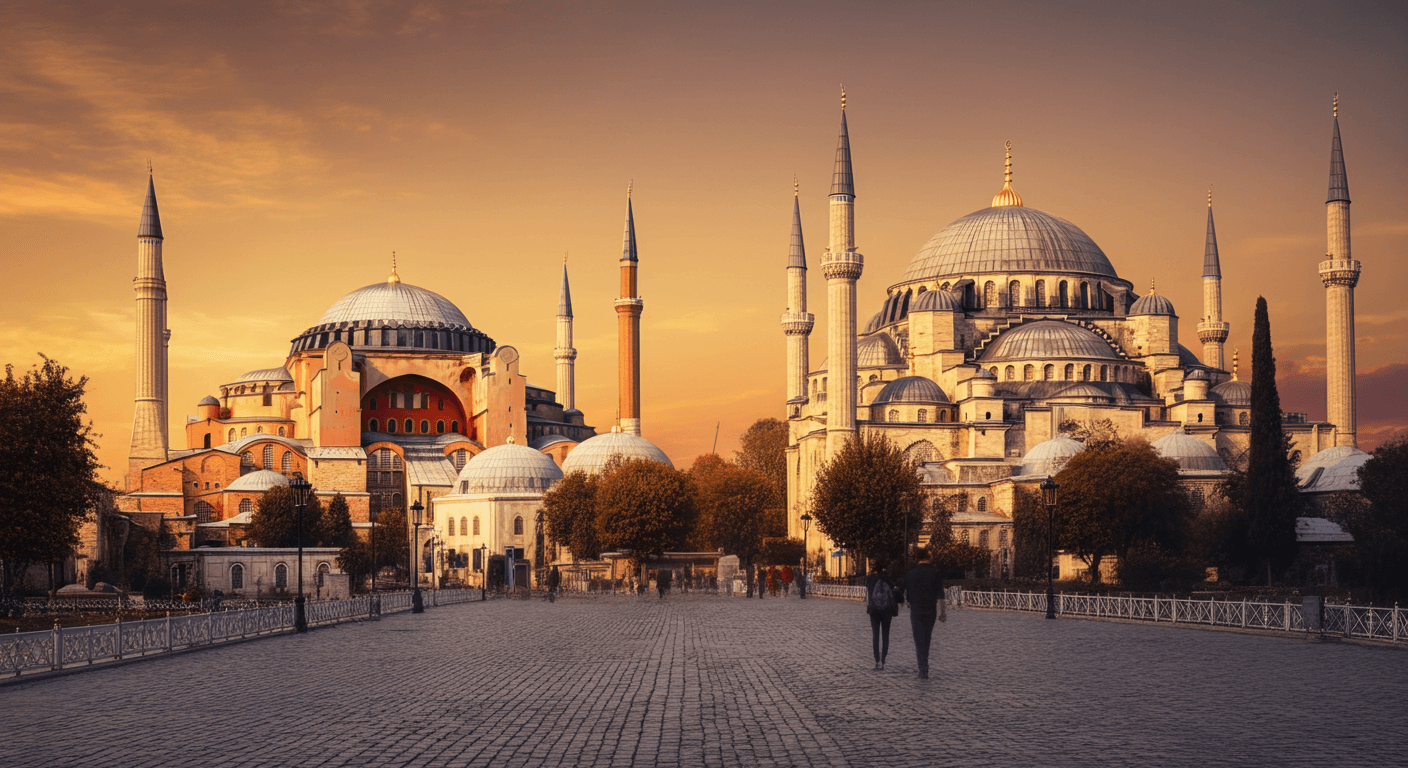
İstanbul’da En İyi Fotoğraf/İçerik Rotası: 1 Günde Viral Kareler (Işık Saatleri + Kalabalık Stratejisi)
İstanbul'un en viral fotoğraf noktalarını keşfedin! Boğaz, Galata ve Tarihi Yarımada'da 1 günde, ışık saatleri ve kalabalık stratejileriyle mükemmel kareler yakalayın.
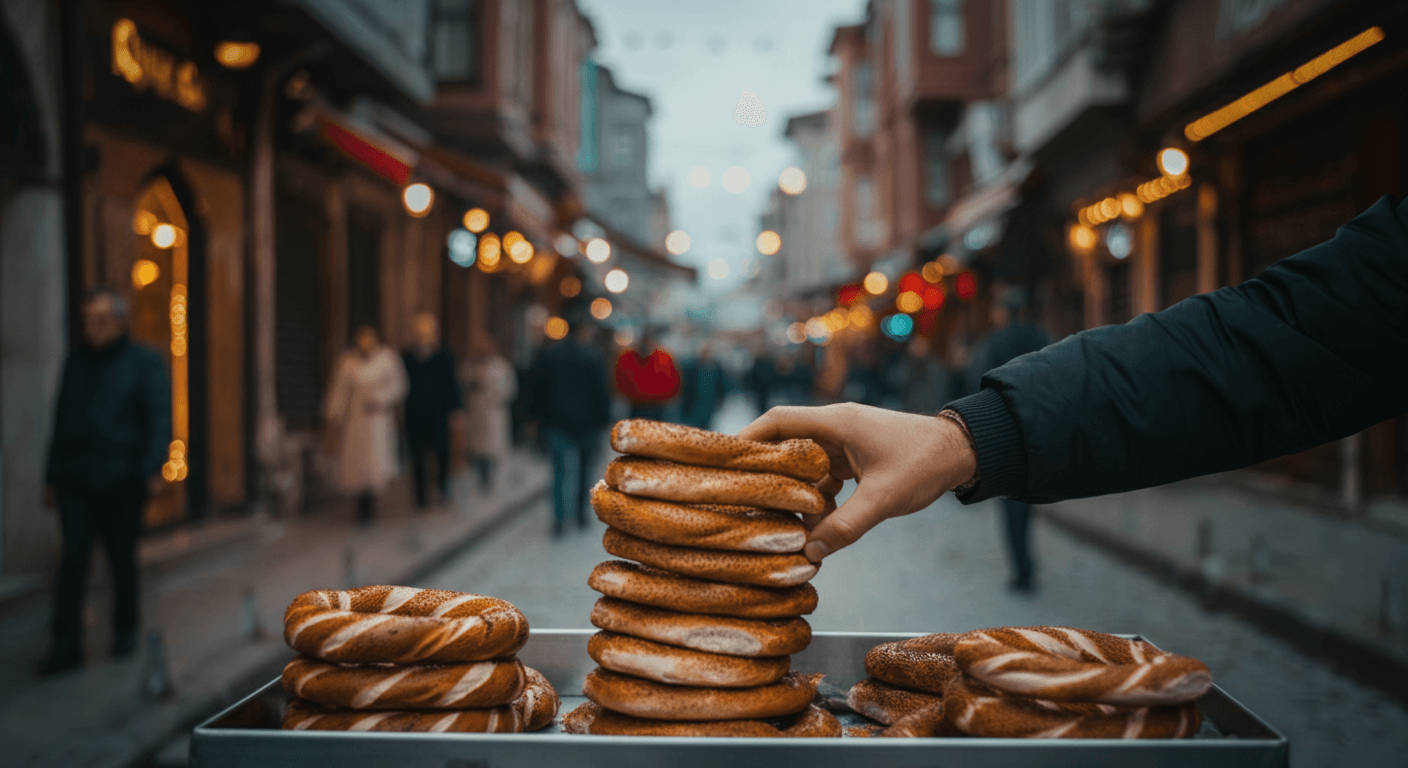
İstanbul Bütçe Planlayıcı: Ekonomik/Dengeli/Rahat Mod (Fiyat Vermeden Harcama Mantığı)
İstanbul gezinizi bütçenize uygun planlayın! Ekonomik, dengeli veya rahat modlarla harcama mantığını keşfederek şehri doyasıya yaşayın.
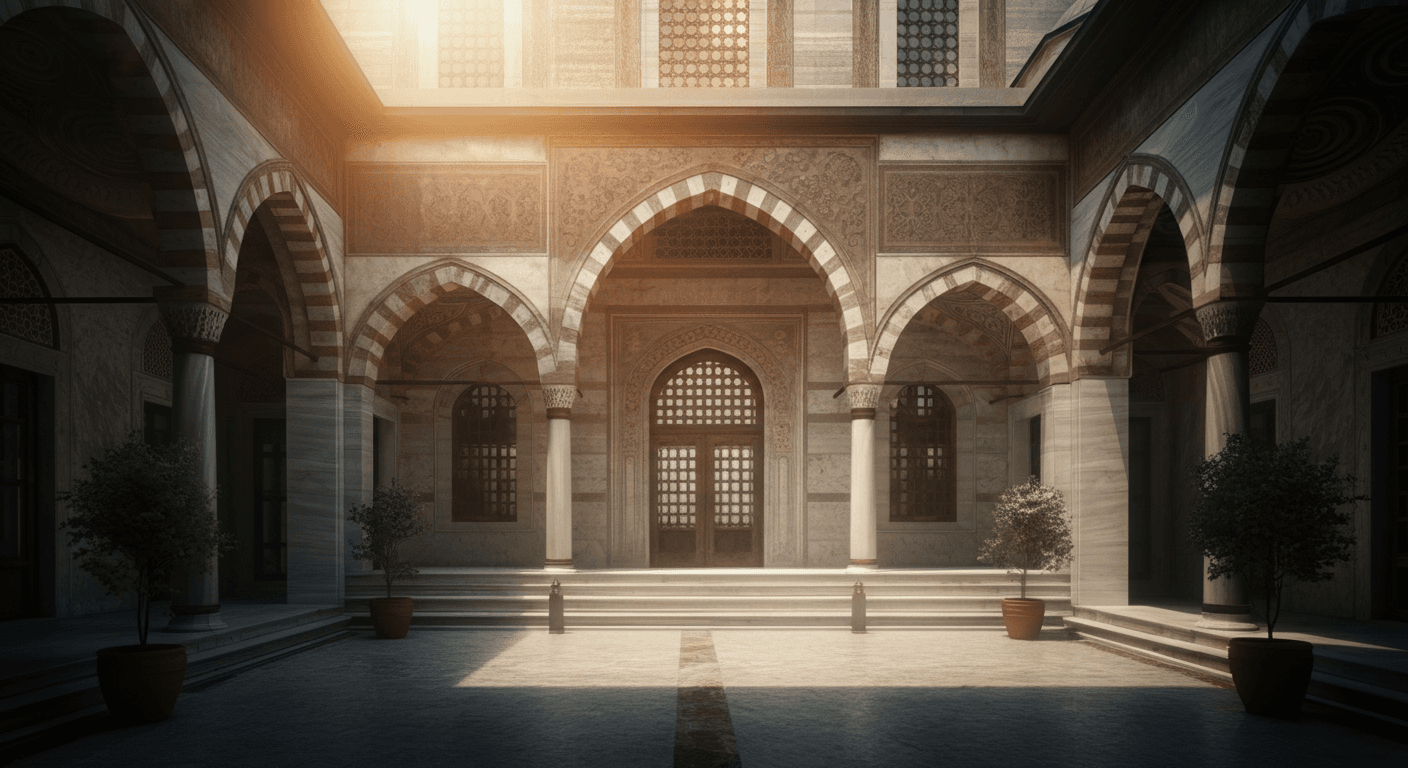
İstanbul’da Çocukla Gezi: Bebek/Çocuk Checklists + Öğle Sıcağı/Yağmur Planı
İstanbul'da çocukla gezmek artık çok kolay! Bebek/çocuk kontrol listeleri ve öğle sıcağı/yağmur için özel İstanbul gezi planları bu rehberde.
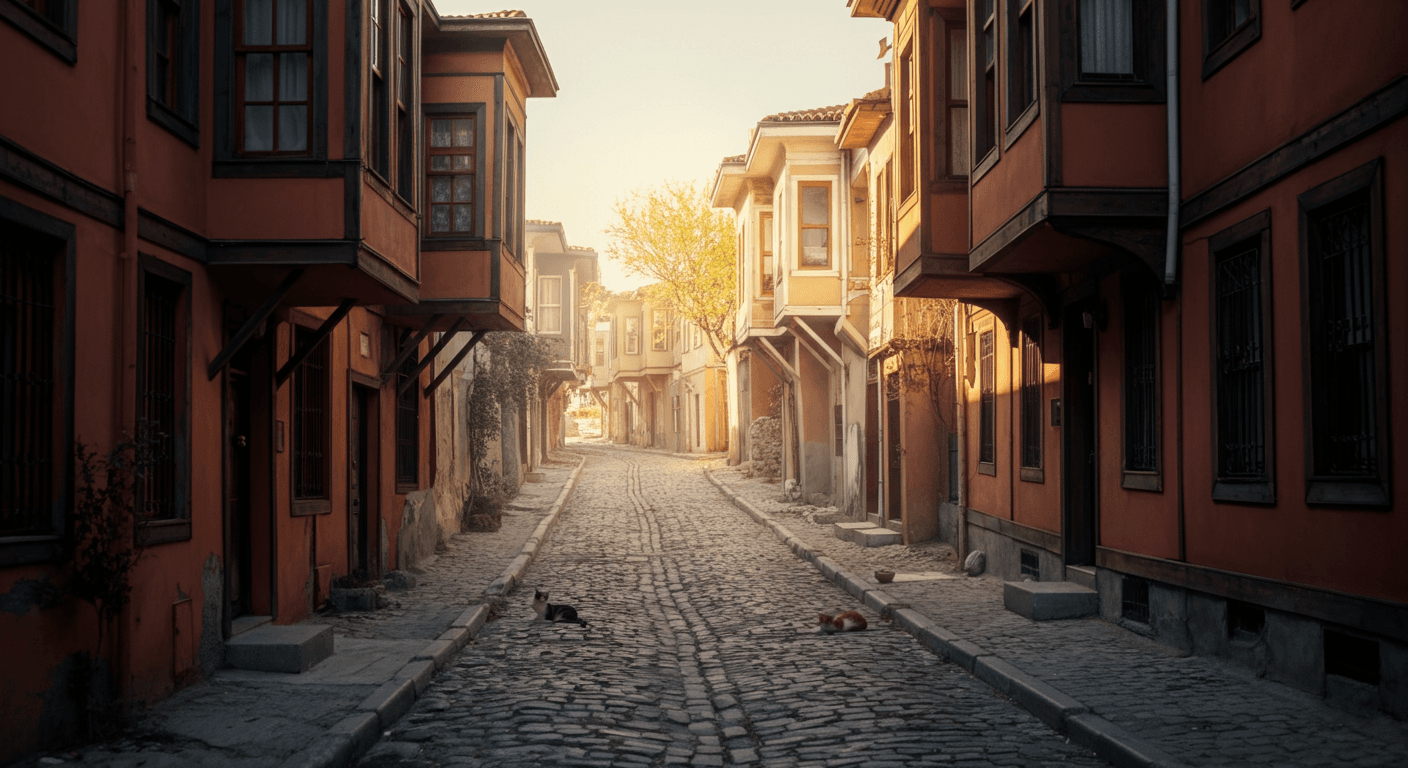
İstanbul’da “Yürüyerek Gezilecek” Semtler: 2–3 Saatlik Mini Rotalar (Harita Mantığıyla)
İstanbul'un en güzel semtlerini yürüyerek keşfedin! Tarihi yarımada ve Boğaz çevresindeki 2-3 saatlik mini rotalarla şehri deneyimleyin.

İstanbul’da Camii Ziyareti Rehberi: Giyim, Saat, Fotoğraf Kuralları (Turist İçin Basit Anlatım)
İstanbul camilerini ziyaret edecek turistler için giyim, saat ve fotoğraf kuralları rehberi. Cami ziyaretinizden önce bilmeniz gereken tüm detayları basitçe öğrenin.
İstanbul’da Dolandırılmadan Değil, “Sürpriz Yaşamadan” Gezmek: Basit Kurallar (Taksi, Menü, Tur)
İstanbul'da taksi, menü ve tur sürprizleri yaşamadan güvenle gezmek için basit kuralları keşfedin. Dolandırılmadan keyifli bir İstanbul deneyimi için ipuçları burada.
İstanbul’da “Akşam Ne Yapılır?” Rehberi: Aile/Çift/Tek Kişi İçin Güvenli ve Keyifli Plan
İstanbul'da akşam ne yapılır? Aile, çift veya tek kişi için Boğaz turu, tarihi mekanlar ve güvenli eğlence seçenekleriyle dolu rehberimizi keşfedin.
İstanbul’da Yağmurlu Gün Planı: Kapalı Mekân Rotaları (Müze + Çarşı + Kafe Akışı)
İstanbul'da yağmurlu havalarda sıkılmayın! Müzeler, tarihi çarşılar ve şirin kafelerle dolu kapalı mekan rotalarıyla keyifli bir gün geçirin.
İstanbul’da Gün Batımı Noktaları: Kalabalıksız Saatler + En İyi “Sunset Walk” Rotaları
İstanbul'da kalabalıktan uzak gün batımı noktaları ve Boğaz'da eşsiz sunset walk rotalarıyla şehrin büyüsüne kapılın.
İstanbul’da 1 Günde 2 Kıta: Avrupa → Anadolu Rotası (Saat Saat + Yürüme Seviyesi)
İstanbul'da bir günde Avrupa'dan Anadolu'ya geçiş rotasını keşfedin! Saat saat planlanmış bu eşsiz gezi rehberiyle iki kıtayı yürüme seviyenize göre deneyimleyin.

Sabiha Gökçen’den Şehre En Kolay Ulaşım: Seçenekler ve Hangi Saatte Hangisi Mantıklı?
Sabiha Gökçen (SAW) havalimanından İstanbul şehir merkezine en kolay ulaşım (metro, Havabüs, taksi) seçeneklerini ve saatinize göre en mantıklı yolu keşfedin.

İstanbul Havalimanı (IST) Transfer Seçimi: Taksi mi Metro mu Özel Transfer mi? (Gece Varışı Planı)
İstanbul Havalimanı (IST) gece varışı için taksi, metro veya özel transfer mi? İstanbul'a en hızlı ve konforlu ulaşım seçeneğini keşfedin.

İstanbul’da Ulaşım Rehberi: İstanbulkart, Metro/Tramvay/Feribot Mantığı (Kafası Karışanlara)
İstanbul'da ulaşımı çözün! Turistler için İstanbulkart nasıl alınır, T1 Tramvay, M2 Metro ve vapur kullanımı, taksi tuzaklarından korunma rehberi.

İstanbul’a İlk Kez Gelenler: 3–5–7 Günlük Hazır Rota (Yormayan Plan + Esnek Günler)
İstanbul'u yorulmadan ve kaybolmadan gezmek isteyenler için saat saat planlanmış, en verimli 3 günlük, 5 günlük ve 7 günlük hazır turistik gezi rotası.

İstanbul’da Nerede Kalınır? Bölge Bölge Base Seçim Rehberi (İlk Kez Gelenler İçin)
İstanbul'da ilk kez nerede kalınır? Sultanahmet, Karaköy, Taksim, Beşiktaş ve Kadıköy bölgelerinin detaylı, artı-eksi analizli, ulaşım odaklı konaklama rehberi.

Fethiye İçerik ve Instagram Fotoğraf Rotası: En İyi Çekim Noktaları Haritası
Fethiye'nin en iyi Instagram fotoğrafı nerede çekilir? Kelebekler vadisi seyir zirvesi, Babadağ sonsuzluk terası ve SEO odaklı şemsiyeli sokak ışık rehberi.
Fethiye Bütçe Planlayıcı: Tam Fiyat ve Maliyet Kalemleri Analizi
Fethiye ne kadar pahalı? 2024 ve 2025 yemek fiyatları, Dolmuş ücreti, Tekne turu ve ucuz villa otel maliyetleri hakkındaki en eksiksiz SEO tatil bütçe hesaplayıcısı.
Fethiye’de Çocukla Tatil: Güvenli Aile Otelleri ve Plajlar SEO Rehberi
Fethiye çocukla tatile gidilir mi? Bebekli ve küçük çocuklu aileler için sığ Ölüdeniz kumsalları, puset dostu Çalış sahil otelleri ve SEO etkinlik rehberi.
Fethiye'ye Ne Zaman Gidilir? Aydan Aya Hava Durumu ve En İyi Zamanlama Rehberi
Fethiye tatili için en iyi aylar. Yaz sıcaklıkları, Eylül Ekim sonbahar sükuneti ve İlkbahar deniz suyu sıcaklıkları Fethiye SEO iklim ve bavul rehberi.
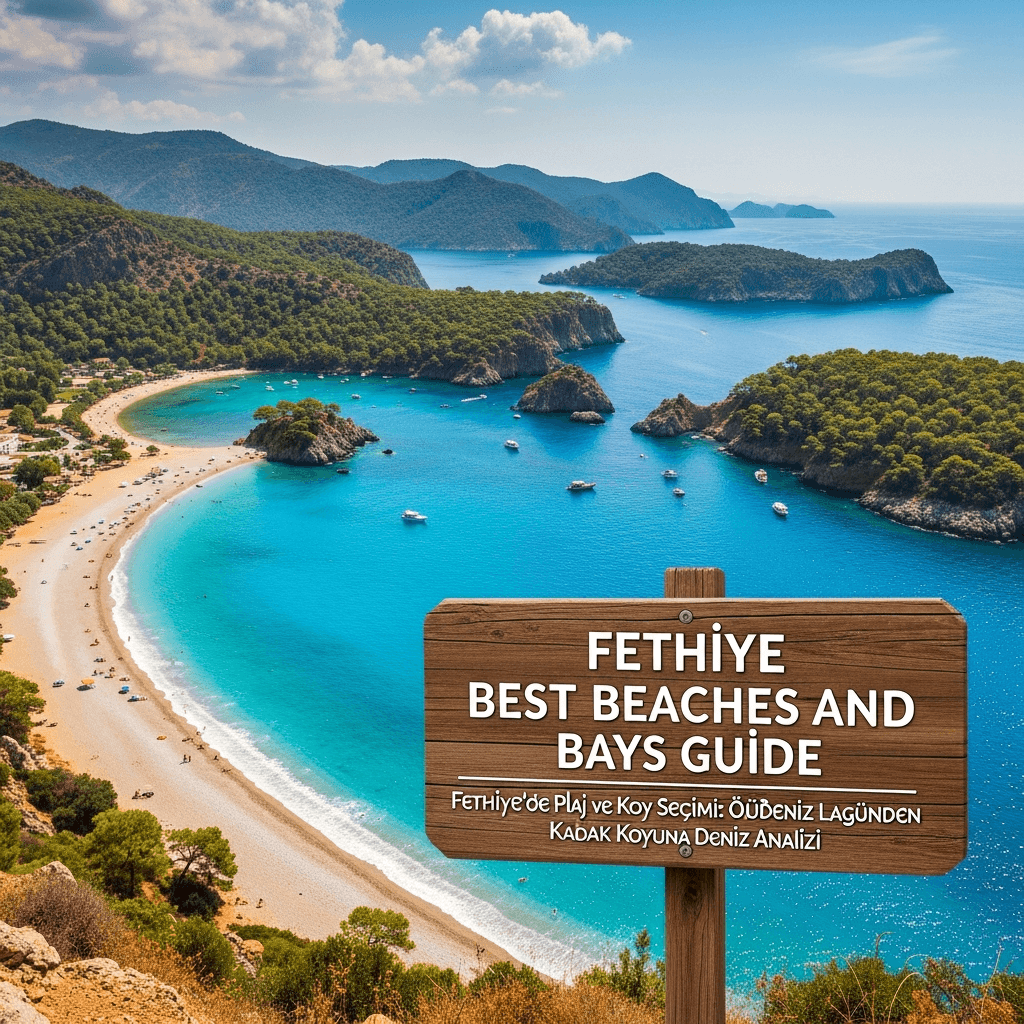
Fethiye'de Plaj ve Koy Seçimi: Ölüdeniz Lagünden Kabak Koyuna Deniz Analizi
Fethiye ve Ölüdeniz'in en iyi plajları nasıl seçilir? Mavi lagün, Belcekız, Çalış kumsalı ve Kıdrak/Kabak koylarında yüzme, dalga ve SEO çocuk uygunluk rehberi.
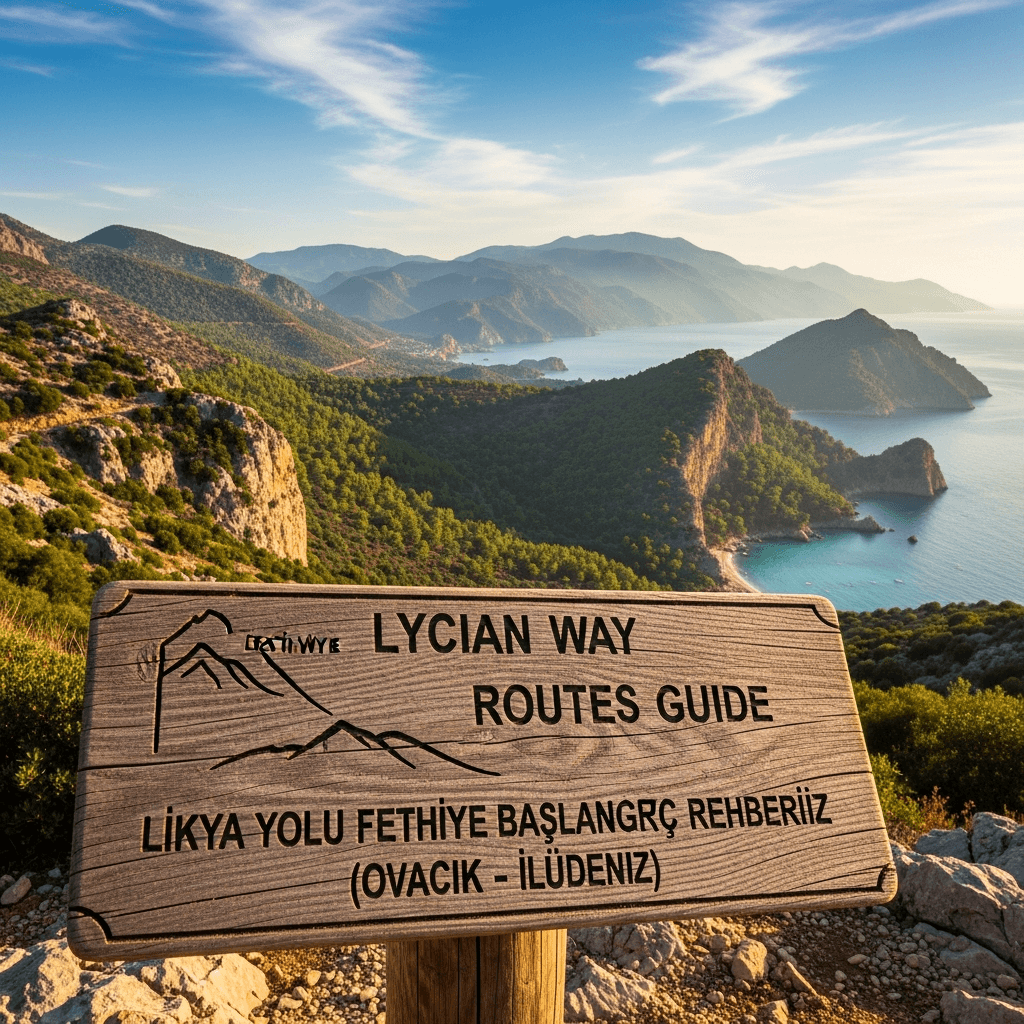
Likya Yolu Fethiye Başlangıç Parkuru Rehberi (Ovacık - Ölüdeniz)
Fethiye'den başlayan Likya yolu etapları (Ovacık, Faralya, Kayaköy). Günübirlik yürüyüş rotaları, sarı çizgi işaretleri ve dev ekipman tablolu SEO doğa rehberi.
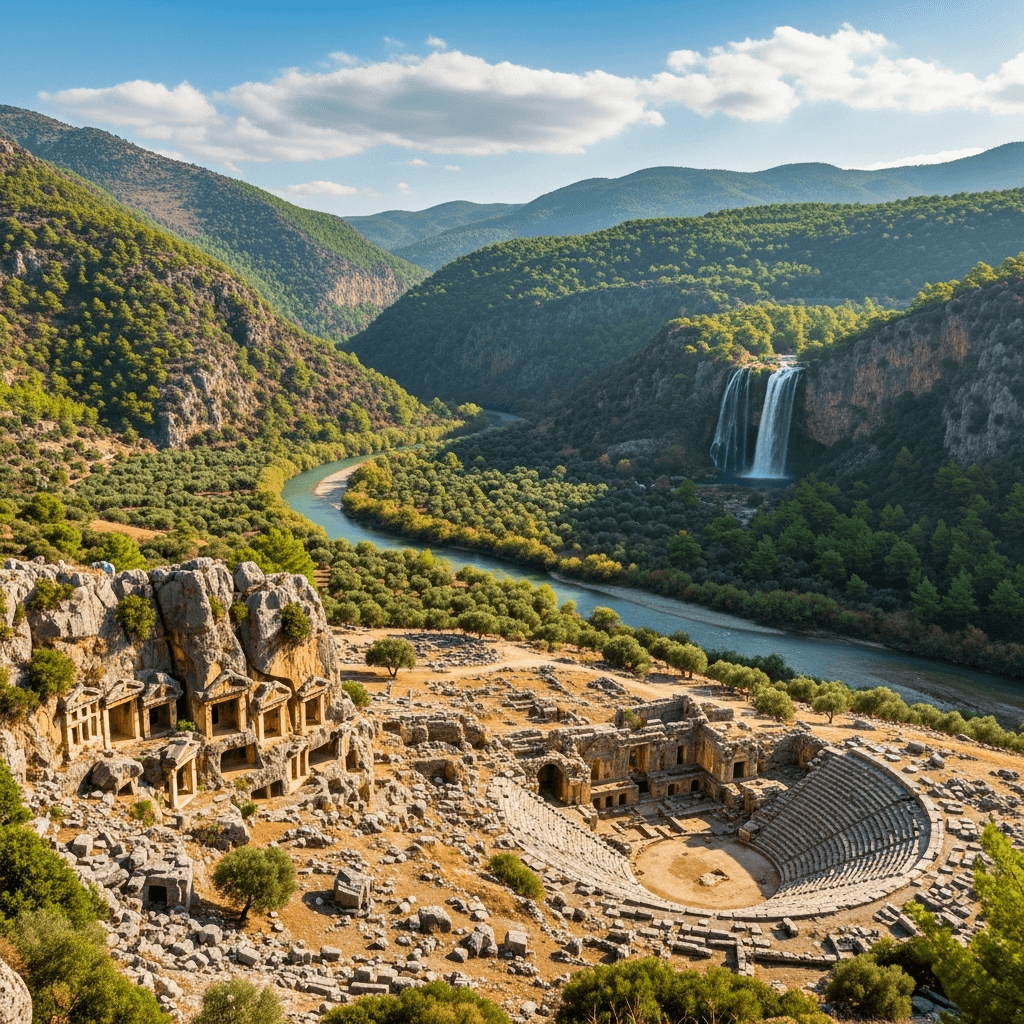
Fethiye Tlos Antik Kenti ve Yakapark Şelalesi: Saklıkent Kombinasyonu
Fethiye'de bir gün: Sabah Tlos antik kenti ve kaya mezarları gezisi, öğlen Yakapark şelalesi alabalık molası ve akşamüstü Gizlikent kanyonu. Tam gün eşsiz SEO rehberi.
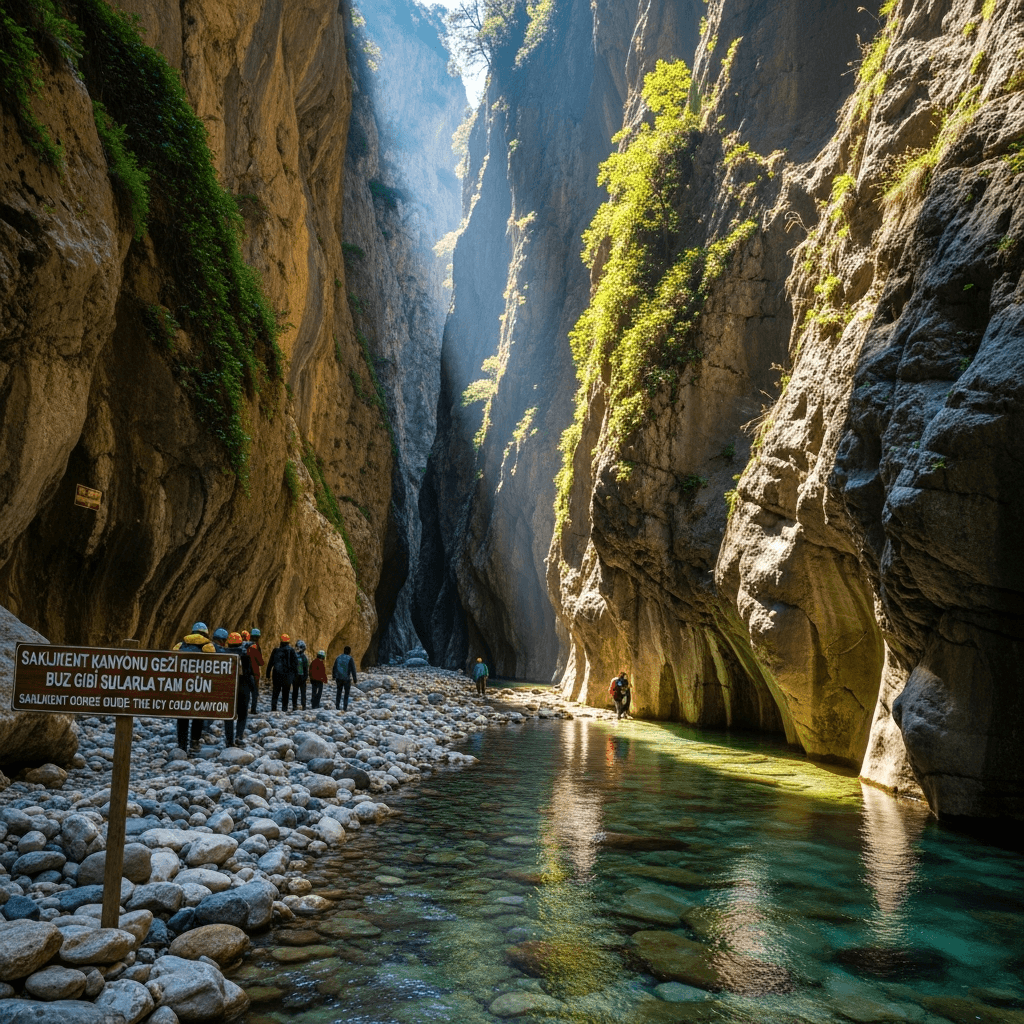
Saklıkent Kanyonu Gezi Rehberi: Buz Gibi Sularla Tam Gün
Fethiye Saklıkent kanyonu giriş ve gezi rehberi. Nehir yürüyüşü, çamur banyosu ve restoran fiyatları. Gizlikent mi Saklıkent mi kıyaslaması.
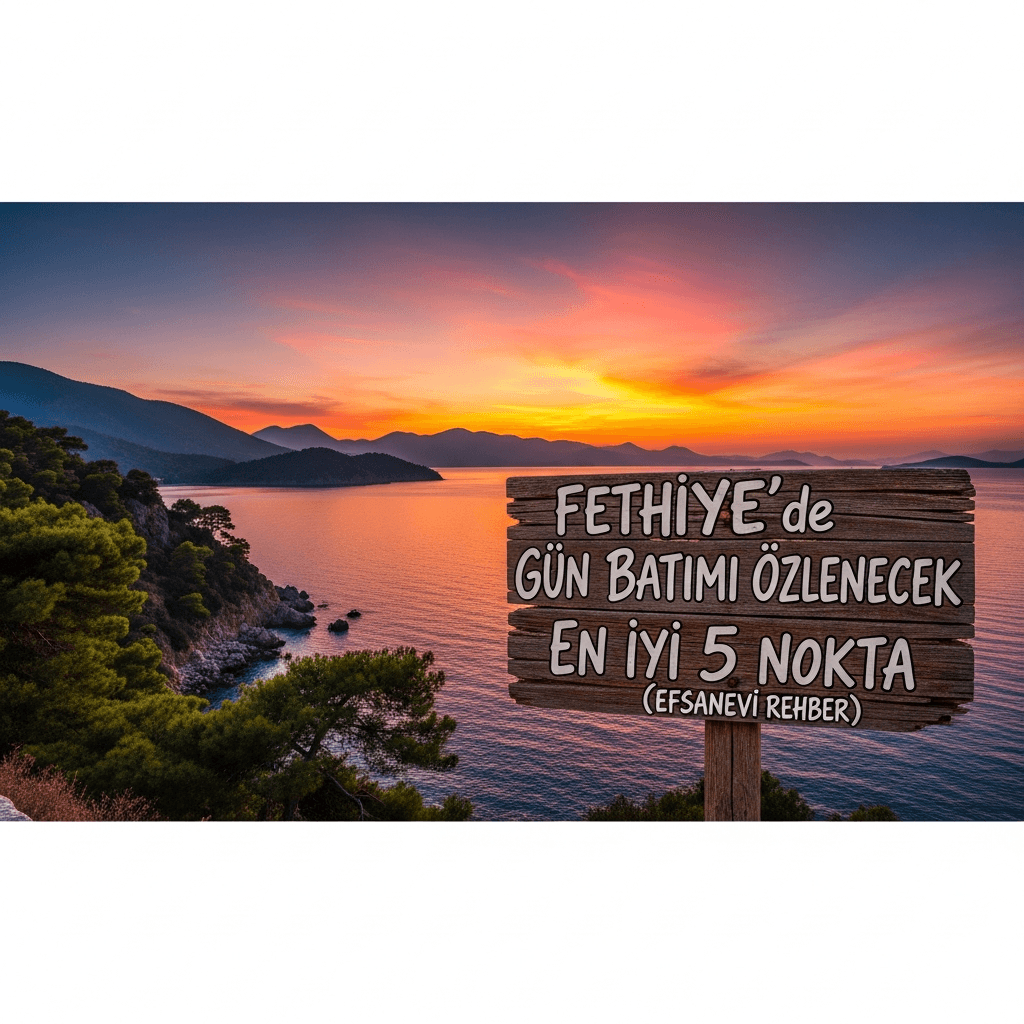
Fethiye'de Gün Batımı İzlenecek En İyi 5 Nokta (Efsanevi Rehber)
Fethiye'de gün batımı nerede izlenir? Çalış plajı, Babadağ 1700m seyir terası, Şövalye adası ve Gemiler koyu için tablolu tam SEO akşamüstü romantik rehberi.
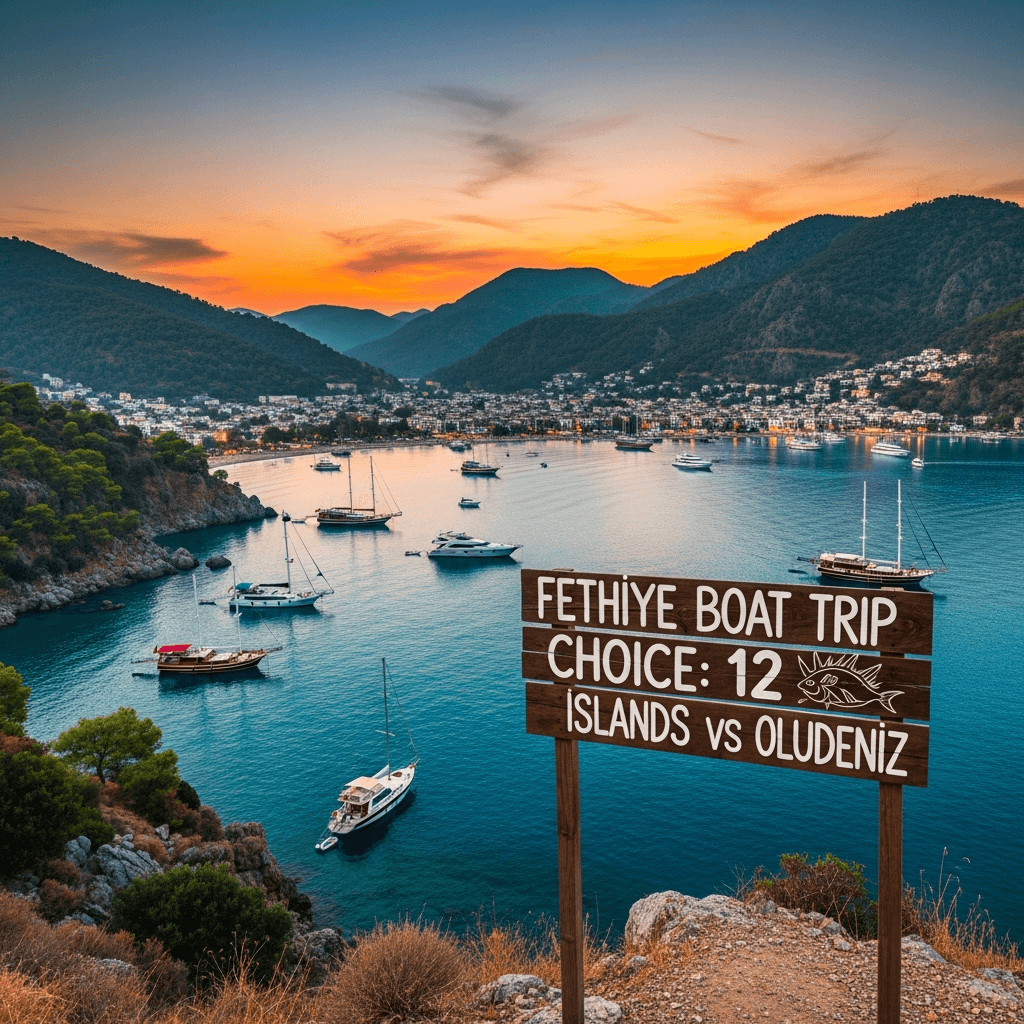
Fethiye Tekne Turu Seçme Rehberi: 12 Adalar Mı Ölüdeniz mi?
Fethiye tatilinde 12 Adalar tekne turu ile Ölüdeniz Kelebekler vadisi turu arasındaki farklar. Hangi gemi size uygun? Kıyaslama tabloları ve deniz tutması önlemleri.
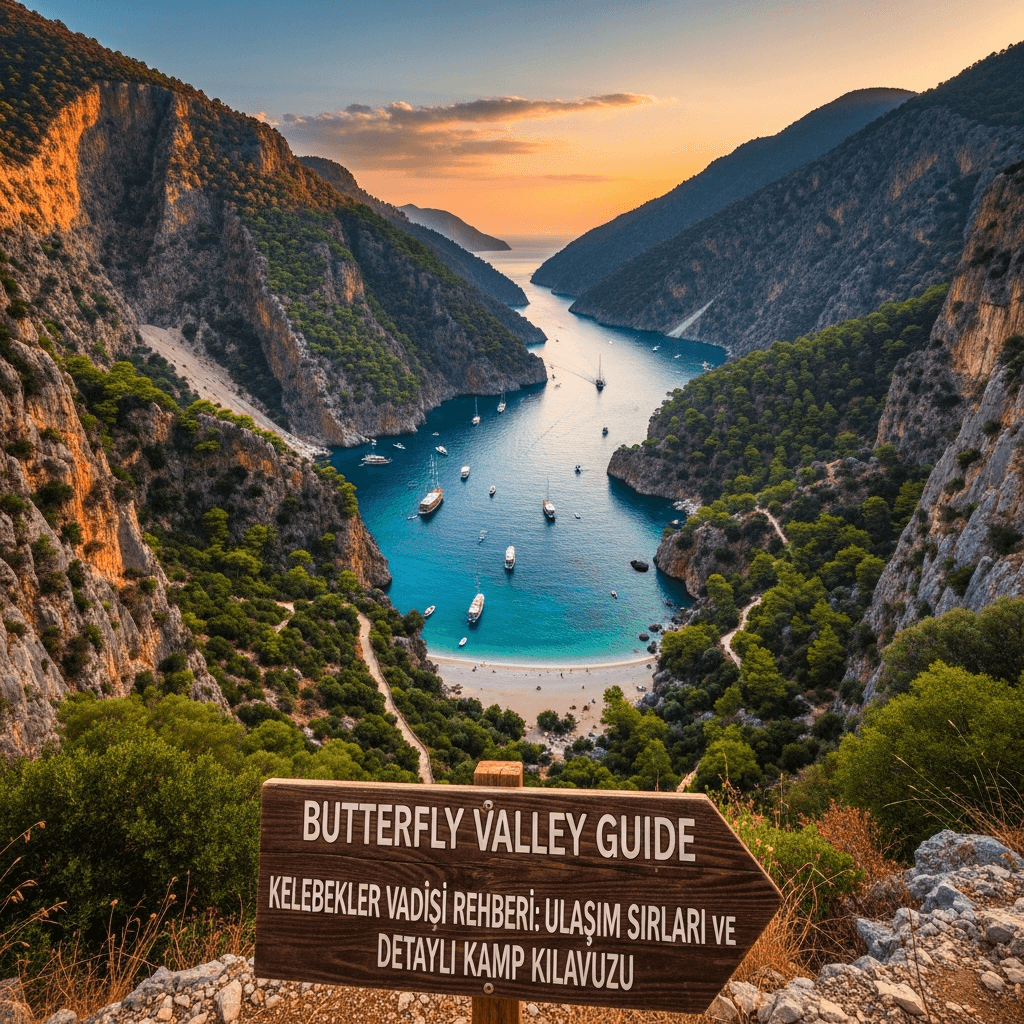
Kelebekler Vadisi Rehberi: Ulaşım Sırları ve Detaylı Kamp Kılavuzu
Fethiye Kelebekler Vadisine nasıl gidilir? Tekne ile mi karadan mı? Kamp ve şelale yürüyüşü için tablo ve maddelerle tam SEO uyumlu dev gezi planı rehberi.
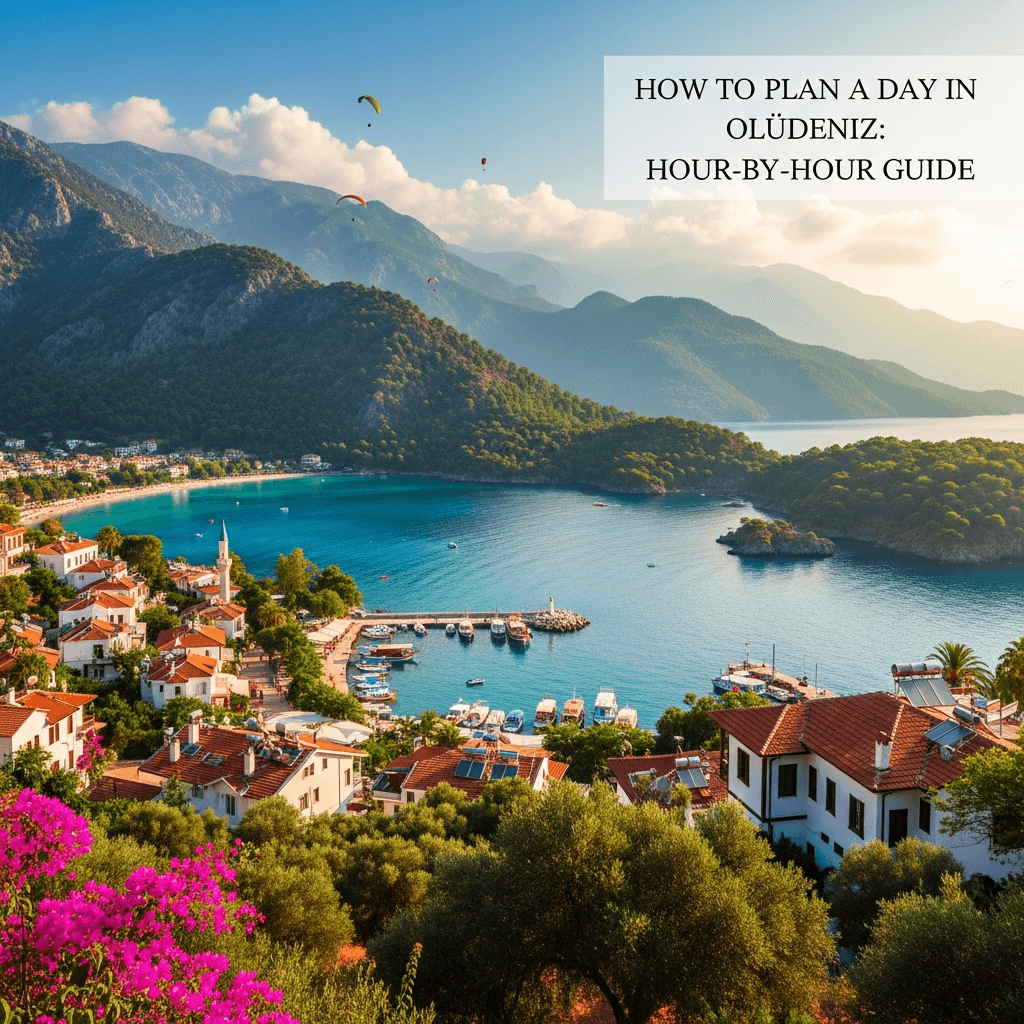
Ölüdeniz Günü Nasıl Planlanır? Kusursuz Bir Gün İçin Saat Saat Akış
Ölüdeniz, Kumburnu lagünü, Belcekız plajı ve Babadağ teleferik turu için tablo ve maddelerle tam SEO uyumlu saat saat gezi planı ve tatil rehberi.
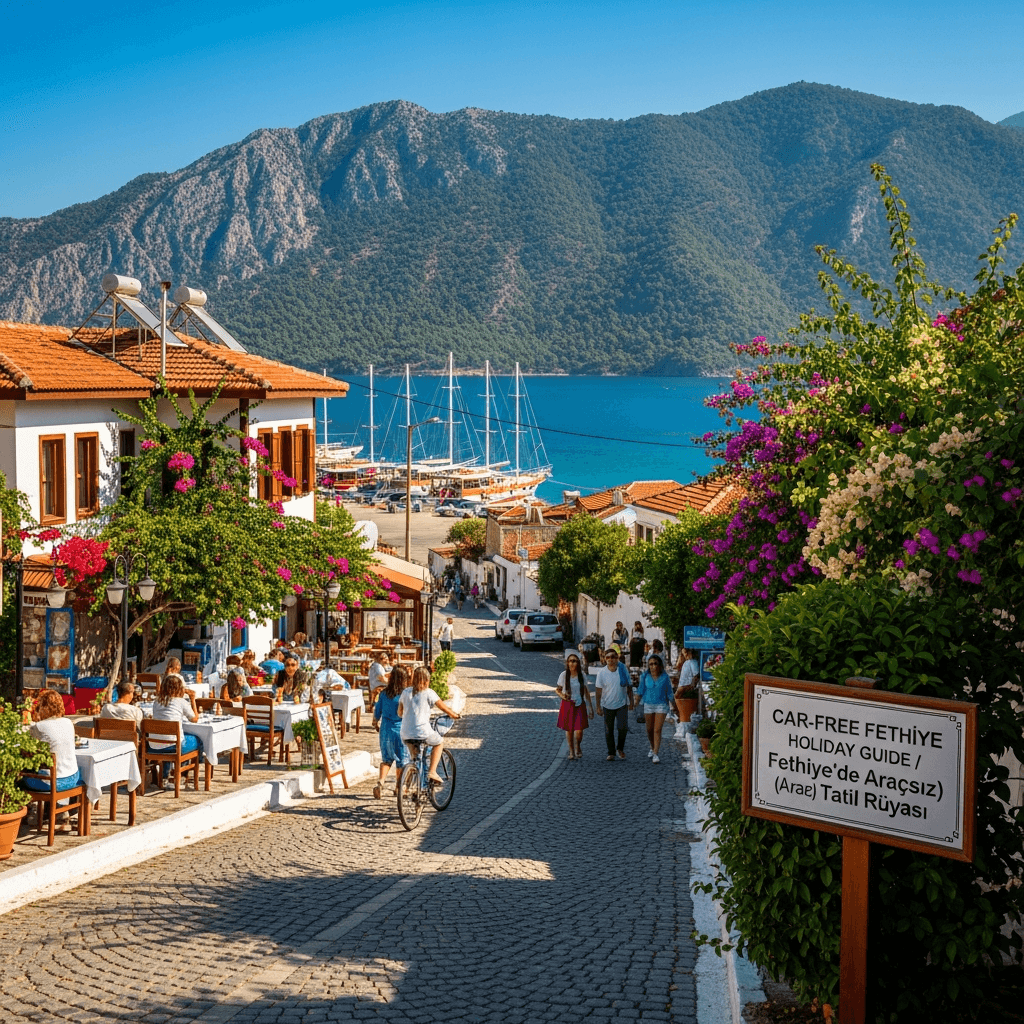
Fethiye’de Araçsız (Arabasız) Tatil Rüyası: Özgürlük, Rahatlık ve Konforun Formülü
Fethiye'de araba kiralamadan harika bir tatil yapmak mümkün. Dolmuşlar, su taksileri ve yürüyüş yollarıyla eşsiz rotalara ulaşım rehberi.
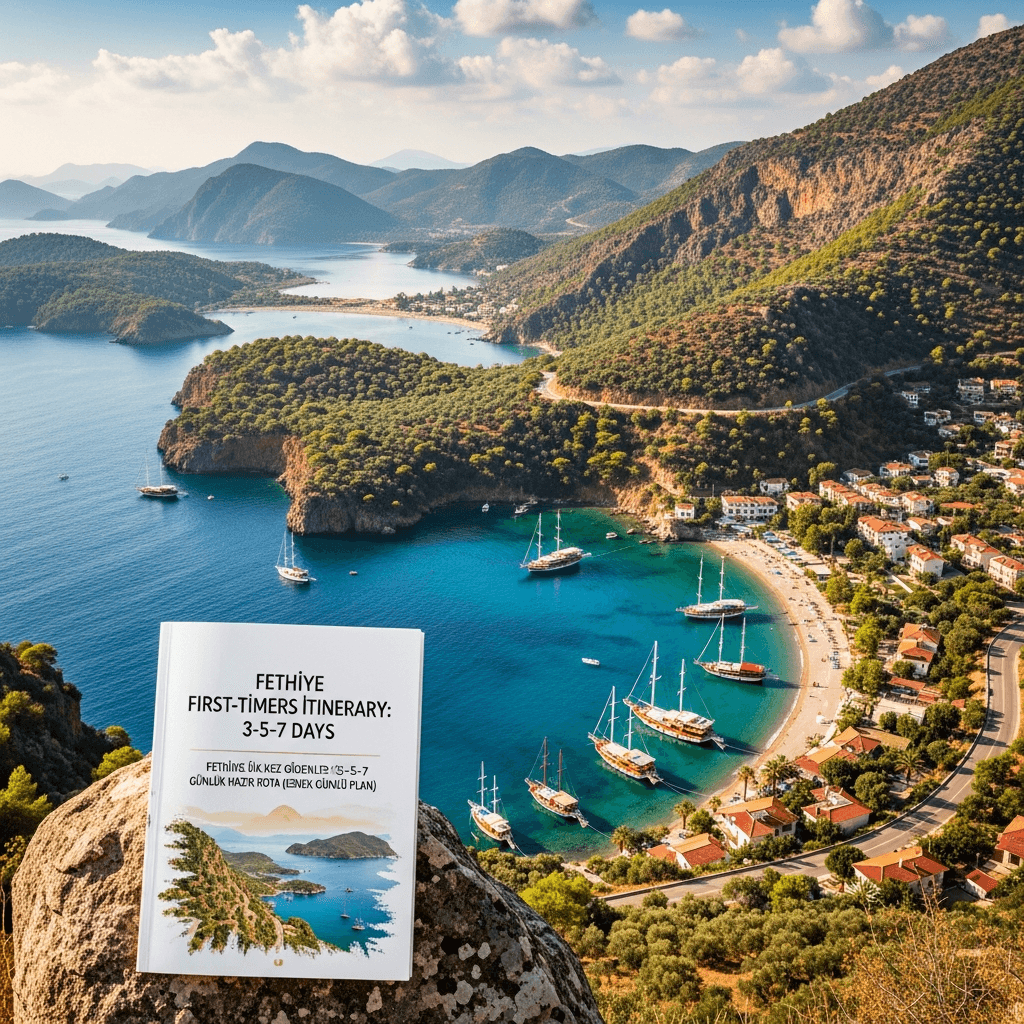
Fethiye İlk Kez Gidenler İçin: 3–5–7 Günlük Hazır Rota (Esnek Günlü Plan)
Fethiye'ye ilk defa gidenler için özenle hazırlanmış tam kapsamlı 3, 5 ve 7 günlük mükemmel tatil rotası. Ölüdeniz, Kelebekler, Saklıkent.
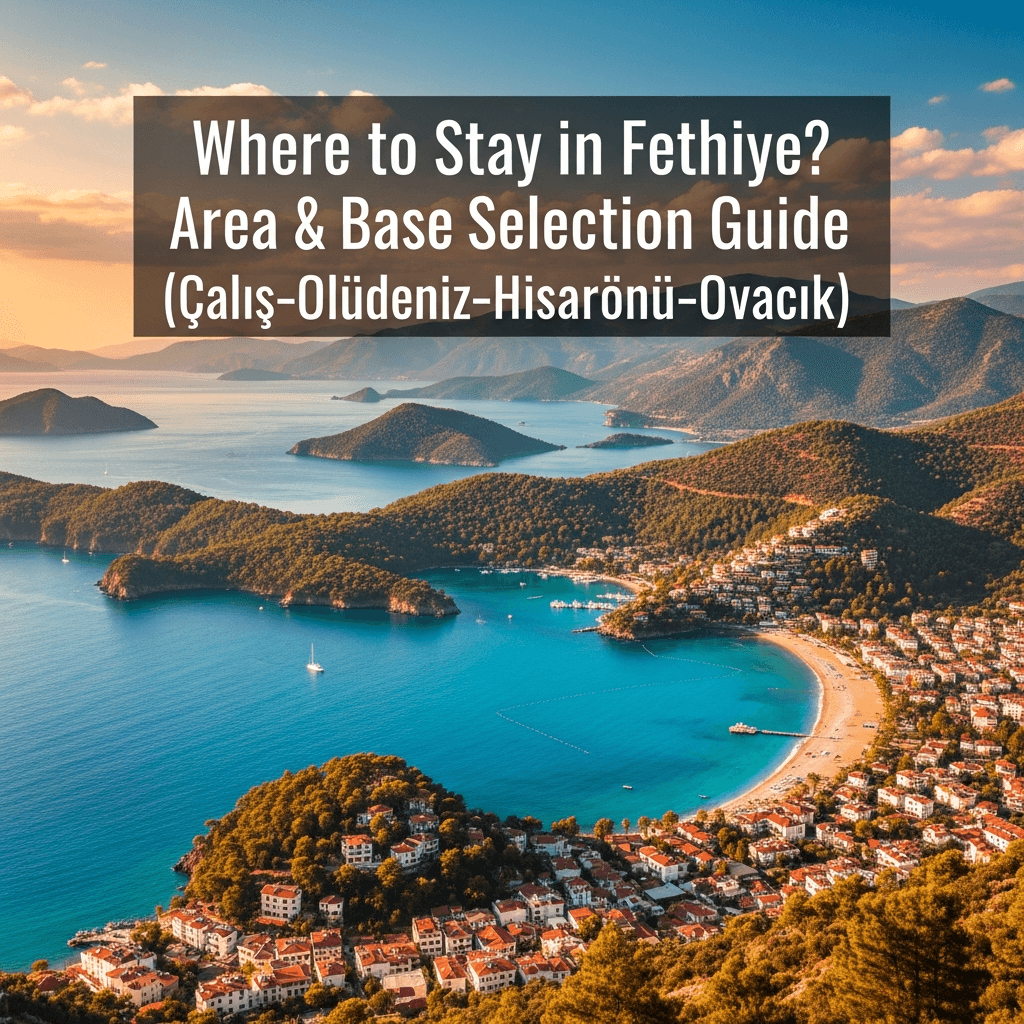
Fethiye’de Nerede Kalınır? Bölge Bölge Base Seçim Rehberi (Çalış–Ölüdeniz–Hisarönü–Ovacık)
Fethiye tatilinde doğru bölgeyi seçmenin püf noktaları. Çalış plajı, Ölüdeniz, Hisarönü, Ovacık ve Merkez detaylı analiz. Kapsamlı tatil rehberi.
Bu rehber işinize yaradı mı?
bölgesindeki daha fazla gizli cenneti keşfetmek için diğer rehberlerimize göz atın.
Tüm Rehberleri Keşfet