Shopping in Turkey: Guide to Receipts, Returns and Stress-Free Buying for UK Travellers
TR Pasif.
Hızlı Özet
- • bölgesinde gezilecek en iyi yerler
- •Yerel restoran ve kafe önerileri
- •Konaklama seçenekleri ve fiyat aralıkları
- •Ulaşım bilgileri ve ipuçları
İçindekiler
Shopping in Turkey: Guide to Receipts, Returns and Keeping It Stress-Free
- Receipts matter: always ask for a proper receipt (fatura) for jewellery, carpets, leather and electronics.
- Returns are not automatic: policies differ by shop and bazaar stall; get any promise written and stamped.
- Cards widely used: contactless is common on Istiklal Caddesi (Istanbul), Bodrum Marina and Antalya seafronts, but carry cash for bazaars and dolmuş.
- Haggling is normal in markets like the Grand Bazaar and Manavgat pazar, but usually not in supermarkets and malls.
- VAT refunds exist in many larger stores; look for “Tax Free Shopping” signs and keep stamped forms and receipts.
- Simple rule: if you cannot get a clear receipt and written terms, assume the sale is final.
Shopping in Turkey can be excellent value for UK travellers, particularly for leather, carpets, textiles, spices and gold. To keep it stress‑free, treat returns as a bonus, not a guarantee, insist on proper receipts for anything valuable, and avoid large impulse buys from stalls that cannot document the sale.
How Shopping in Turkey Differs from the UK
Turkey combines traditional bazaars with modern shopping streets and malls. Consumer rights exist, but they work differently from the UK and can be hard to use from abroad.
Where UK Travellers Typically Shop
- Istanbul
- Grand Bazaar (Kapalıçarşı) – alleys like Kalpakçılar Caddesi for gold and Kuyumcular Çarşısı for jewellery.
- Spice Bazaar (Mısır Çarşısı) by Eminönü for spices, nuts and lokum.
- Istiklal Caddesi from Taksim Square towards Galata for fashion and tech.
- Antalya region
- Kaleiçi old town lanes like Hesapçı Sokak for carpets, silver and souvenirs.
- Lara and Konyaaltı beachfront promenades for casual clothing and beach gear.
- Manavgat pazar for textiles and everyday bargains.
- Aegean coastal resorts
- Bodrum – Neyzen Tevfik Caddesi by the marina and Cumhuriyet Caddesi for leather, jewellery and clothes.
- Fethiye – Paspatur old town around Çarşı Caddesi and the Tuesday market.
- Marmaris – Uzunyalı beachfront and side streets off Atatürk Caddesi.
UK‑friendly tip: Think of bazaars like a cross between a car boot sale and an antiques fair – great finds, but fewer formal return options.
Receipts in Turkey: What to Ask For
For small items (bread, fruit, a magnet), you may not get a printed receipt unless you ask. For anything over roughly £20–£30, especially valuables, insist on proof of purchase.
Main Receipt Types
- Fatura (official invoice)
- Essential for jewellery, carpets, leather jackets, electronics and high‑value clothing.
- Should show shop name, address, tax number (Vergi No), date, item description and amount.
- Ask to add your name if you may claim a VAT refund or need warranty support.
- Fiş (till receipt)
- Standard printed slip from small shops, cafés and mini‑markets.
- Often enough for simple exchanges if the retailer allows them.
- Hand‑written note with stamp
- Common in traditional carpet shops around Sultanahmet’s Küçük Ayasofya Caddesi or Bodrum’s Eski Çarşı.
- Accept only if it includes a shop stamp, full address and phone number, and ideally a signature.
Simple rule: for anything you might want to return, insure or ship, do not pay until you see a fiscal receipt or stamped invoice.
Useful Phrases
- “Fatura alabilir miyim?” – Can I have an invoice?
- “Garanti belgesi var mı?” – Is there a warranty document?
- “İade veya değişim mümkün mü?” – Is refund or exchange possible?
In areas like Beşiktaş Çarşı, Kadıköy’s Bahariye Caddesi or Antalya’s İsmet Gökşen Caddesi, many staff speak some English, so you can also just say, “Receipt with tax number, please.”
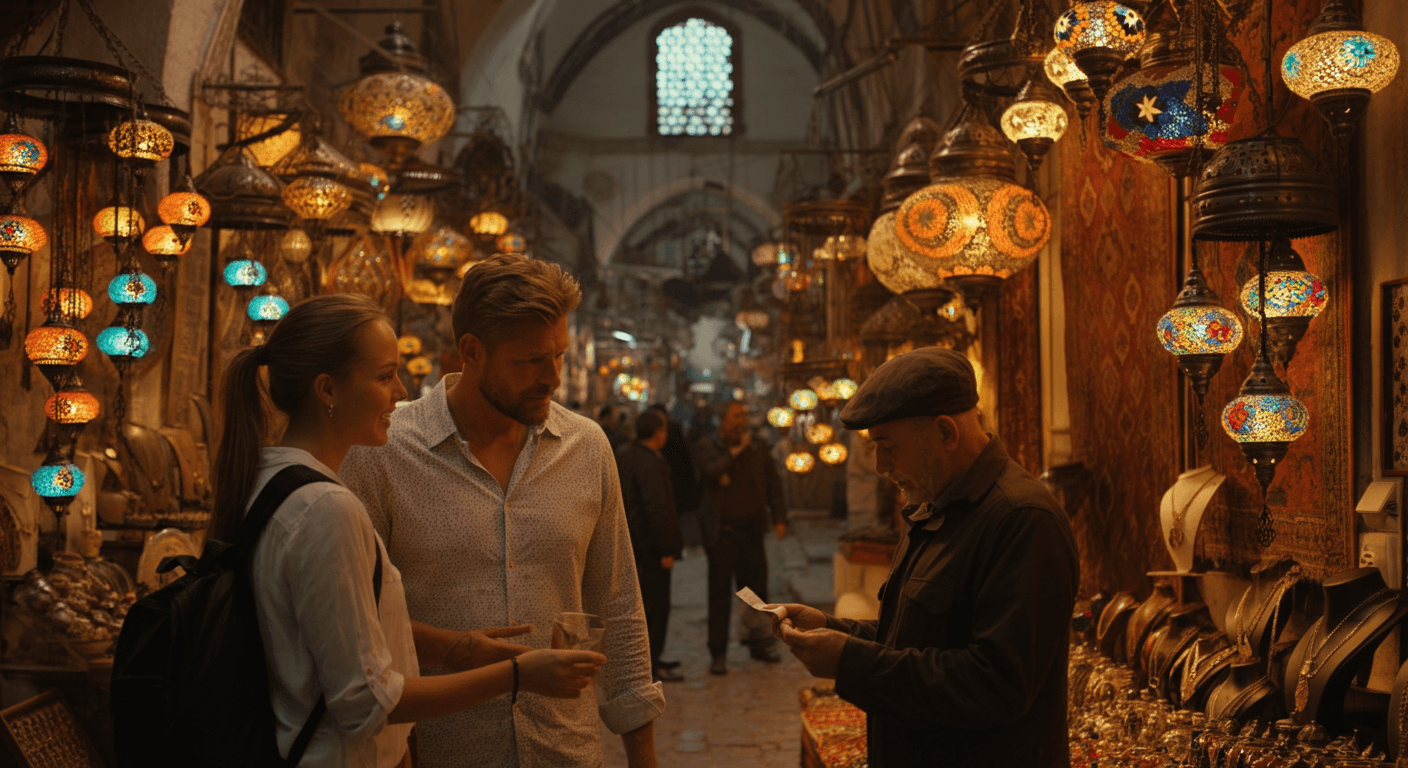
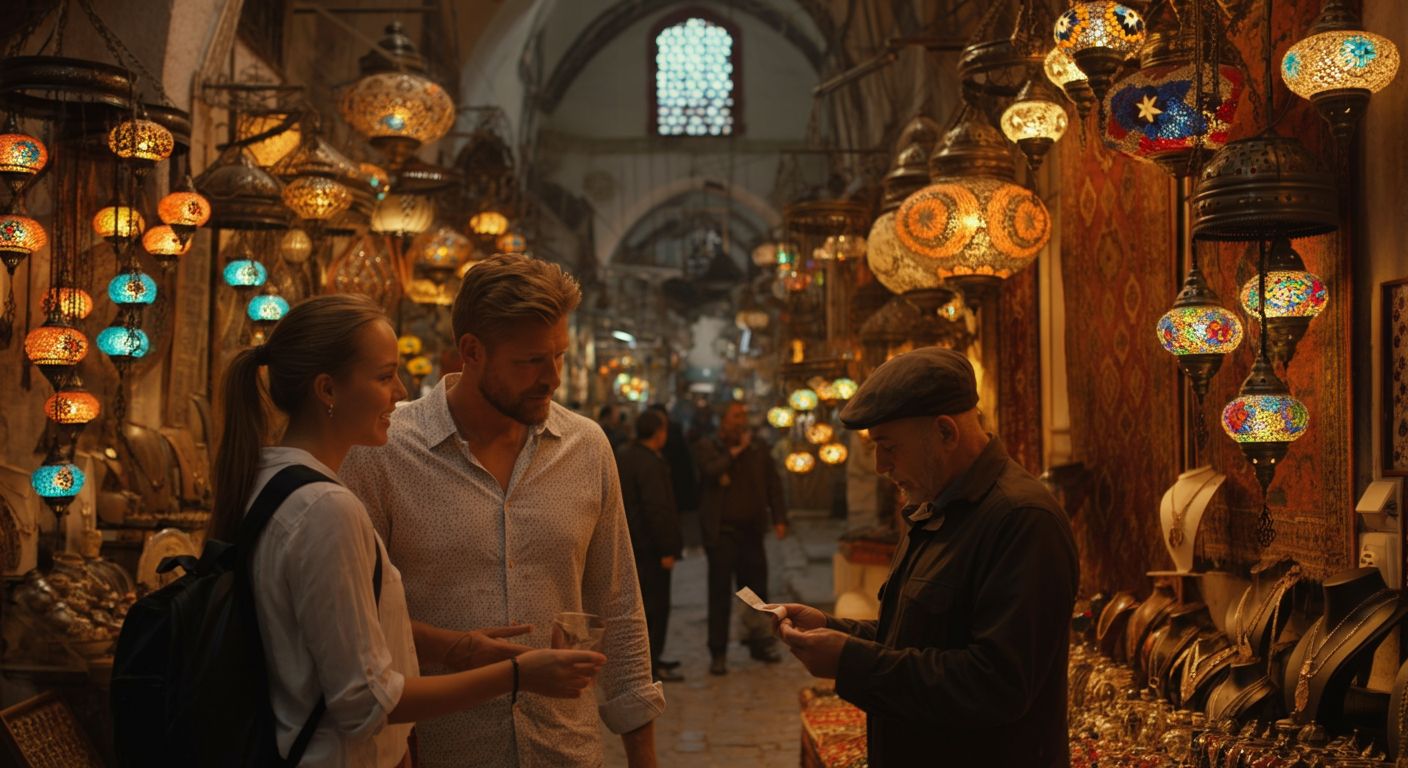
For carpets in the Grand Bazaar, gold on Kalpakçılar Caddesi or leather along Bodrum’s Atatürk Caddesi, politely say you will pay once you see a printed receipt with the tax number and item details. Serious merchants expect this.
Returns and Exchanges: What to Realistically Expect
Do not assume UK‑style no‑quibble returns. Policies are set by each business and can vary even within the same street.
Typical Situations
- Modern malls (e.g. around Istanbul’s E‑5 or Antalya’s Kepez)
- Policies often similar to European chains for clothing and footwear.
- Look for printed “iade ve değişim” notices or terms on receipts.
- Commonly 7–14 days for exchanges; refunds may be restricted.
- Independent boutiques on Istiklal Caddesi, Kaleiçi and Bodrum Marina
- Many offer exchange only, sometimes marked “sadece değişim” on your receipt.
- Sale items are often strictly non‑returnable.
- Bazaars and weekly markets
- In the Grand Bazaar, Manavgat pazar, Fethiye Tuesday market and similar, assume purchases are final unless you have a clear written promise.
UK‑friendly tip: before you pay, ask “If it doesn’t fit or has an issue, can I return or exchange?” and request the answer (with date and stamp) on the receipt.
If You Need to Return Something
- Go back as soon as possible, ideally within 24–48 hours.
- Take the item in original condition, tags, packaging and receipt.
- Visit at quieter times – avoid Istiklal Caddesi evenings or Bodrum’s Barlar Sokağı late at night.
- Stay calm but firm, referring to any written promise.
- Be prepared to accept an exchange or store credit rather than a refund.
Once you are back in the UK, resolving disputes with small traders is difficult. For major issues with card payments, speak to your bank about chargeback options and check official guidance.
Paying: Cards, Cash and Contactless
Cards are widely used in cities and resorts, but cash is still important for local transport and small traders.
Where Cards Work Smoothly
- Shops and cafés on Istiklal Caddesi and around Taksim Square.
- Seafront restaurants along Antalya’s Konyaaltı coastal road and Lara beach strip.
- Boutiques on Bodrum’s Neyzen Tevfik Caddesi and marina promenade.
- Supermarkets and chemists on main roads like Istanbul’s Bağdat Caddesi or Antalya’s Güllük Caddesi.
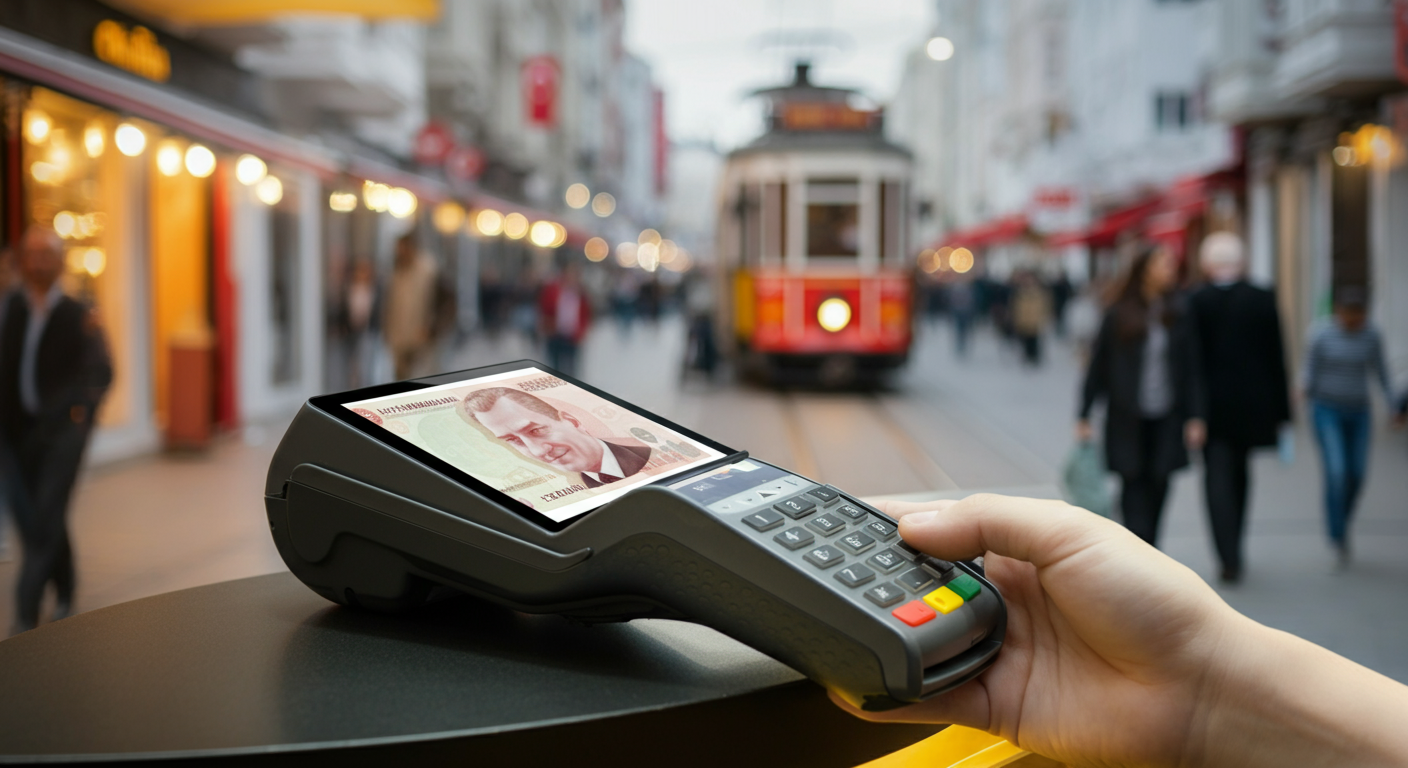
Visa, Mastercard and contactless payments are common; mobile wallets work in many places but not everywhere.
Where You Need Cash
- Dolmuş routes such as Antalya – Kemer or Bodrum – Gümbet (pay the driver in lira).
- Stalls at Manavgat pazar, Fethiye Friday fish market and village‑style markets.
- Smaller kiosks in side streets off Istanbul’s Fevzi Paşa Caddesi or Antalya’s Muratpaşa district.
- Public toilets in bus stations (otogar), usually 5–10 TL, payable in coins.
Simple rule: keep a mix of small Turkish lira notes and coins for transport, snacks and tips.
Indicative Everyday Prices (Subject to Change)
Prices can shift quickly with inflation and exchange rates; use these only as rough guides and check locally:
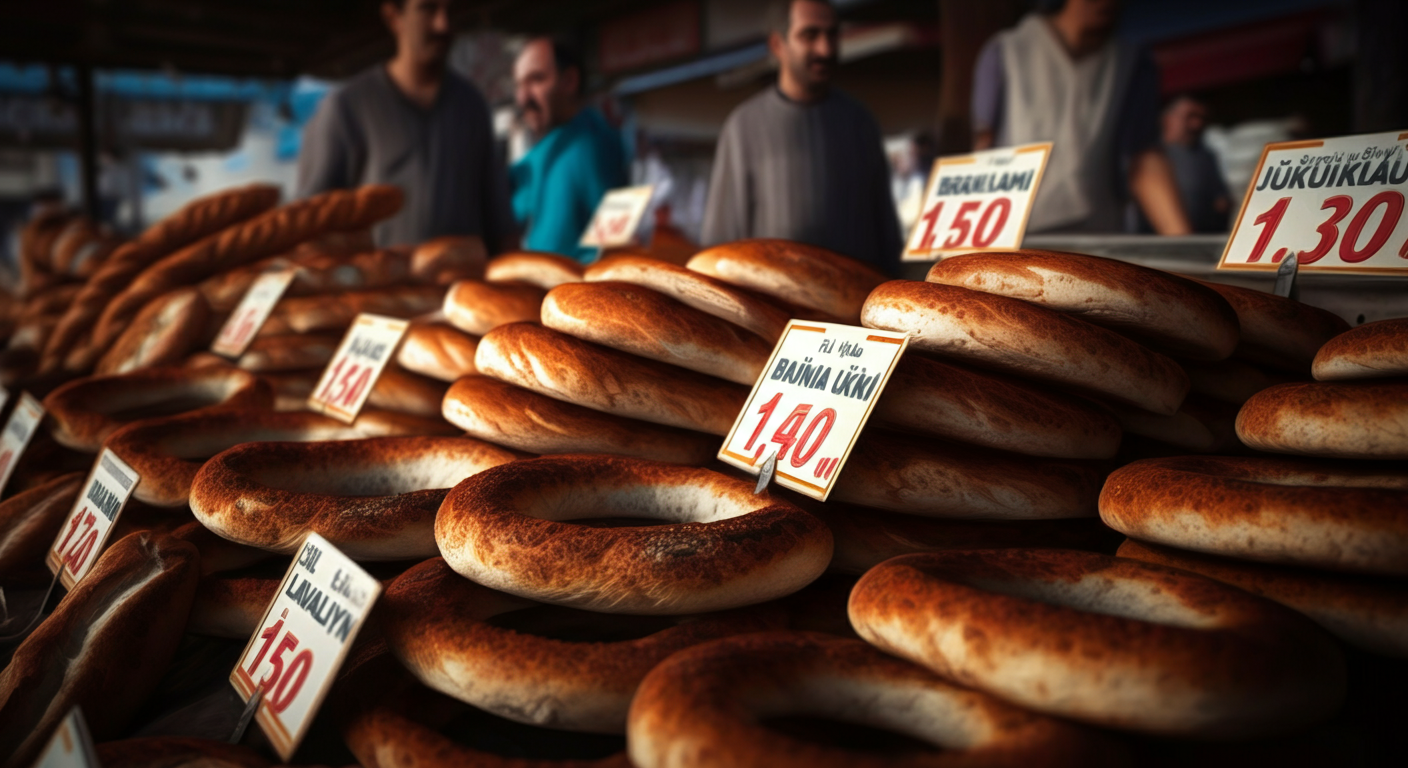
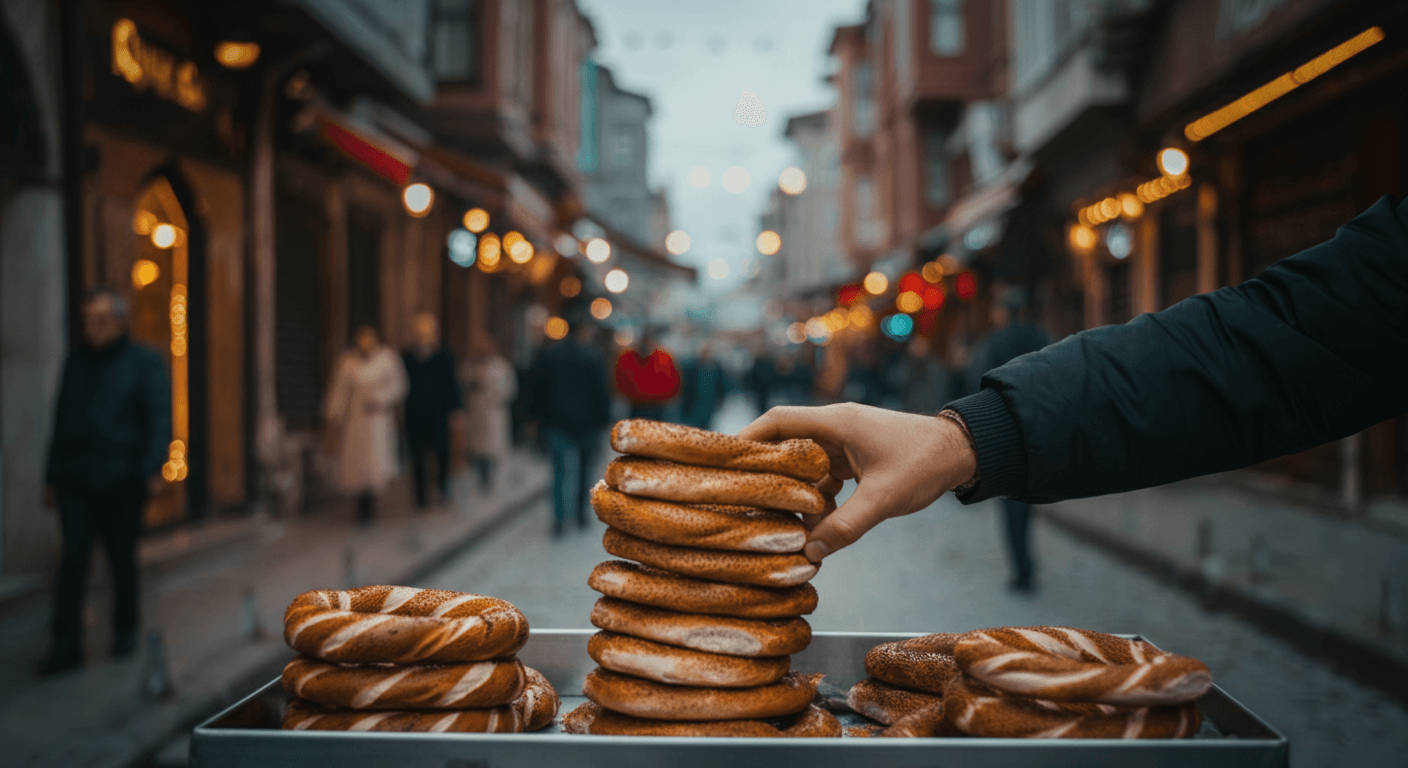
- Fresh simit from a street cart near Istanbul’s Divan Yolu Caddesi: often under £1.
- Dolmuş ride such as Antalya city centre – Lara: usually under £2–£3 equivalent.
- Cotton T‑shirt at a resort market: roughly £4–£15 depending on quality and haggling.
- Leather belt in Bodrum bazaar: often similar to or slightly below UK high‑street levels after bargaining.
Prefer ATMs attached to major banks on main streets like Istanbul’s Büyükdere Caddesi or Antalya’s Aspendos Bulvarı. If offered to be charged in pounds, choose Turkish lira to avoid weaker rates from dynamic currency conversion.
For broader budgeting, see Turkey holiday budget guide for UK travellers.
Haggling Without Hassle
Bargaining is part of the experience in many markets but is unnecessary in fixed‑price shops.
Where Haggling Is Normal
- Grand Bazaar and Spice Bazaar in Istanbul (carpets, lamps, textiles, jewellery).
- Resort markets in Bodrum, Marmaris, Side and Fethiye.
- Souvenir lanes off Bodrum’s Cumhuriyet Caddesi and around Antalya’s Kale Kapısı.
Where Prices Are Usually Fixed
- Supermarkets and chain shops on Bağdat Caddesi in Istanbul or Antalya’s Yıldız Mahallesi.
- Shopping centres and most electronics stores.
- Bakeries selling local breads such as pide, somun and bazlama.
Low‑Stress Haggling Strategy
- Decide your maximum in pounds before starting.
- Expect high opening prices in tourist‑heavy lanes.
- Begin around 30–40% below the first price and move towards a middle ground.
- Keep it friendly; if it drags on, smile, say “too much for my budget” and walk away.
UK‑friendly tip: save your energy for bigger buys; haggling hard over pennies rarely improves the holiday.
Jewellery, Carpets and Leather: Extra Care
These are among the most attractive buys in Turkey, but they require good documentation and a clear understanding of what you are getting.
Jewellery
- Main areas include Kalpakçılar Caddesi in the Grand Bazaar, Nuruosmaniye Caddesi in Istanbul and jewellers’ streets off Antalya’s İsmet İnönü Caddesi.
- Confirm carat (1, 1, 22k), whether stones are natural, and how the price is calculated.
- Ask for a stamped invoice stating metal type and carat, approximate weight, stone type and any certificates.
Carpets and Kilims
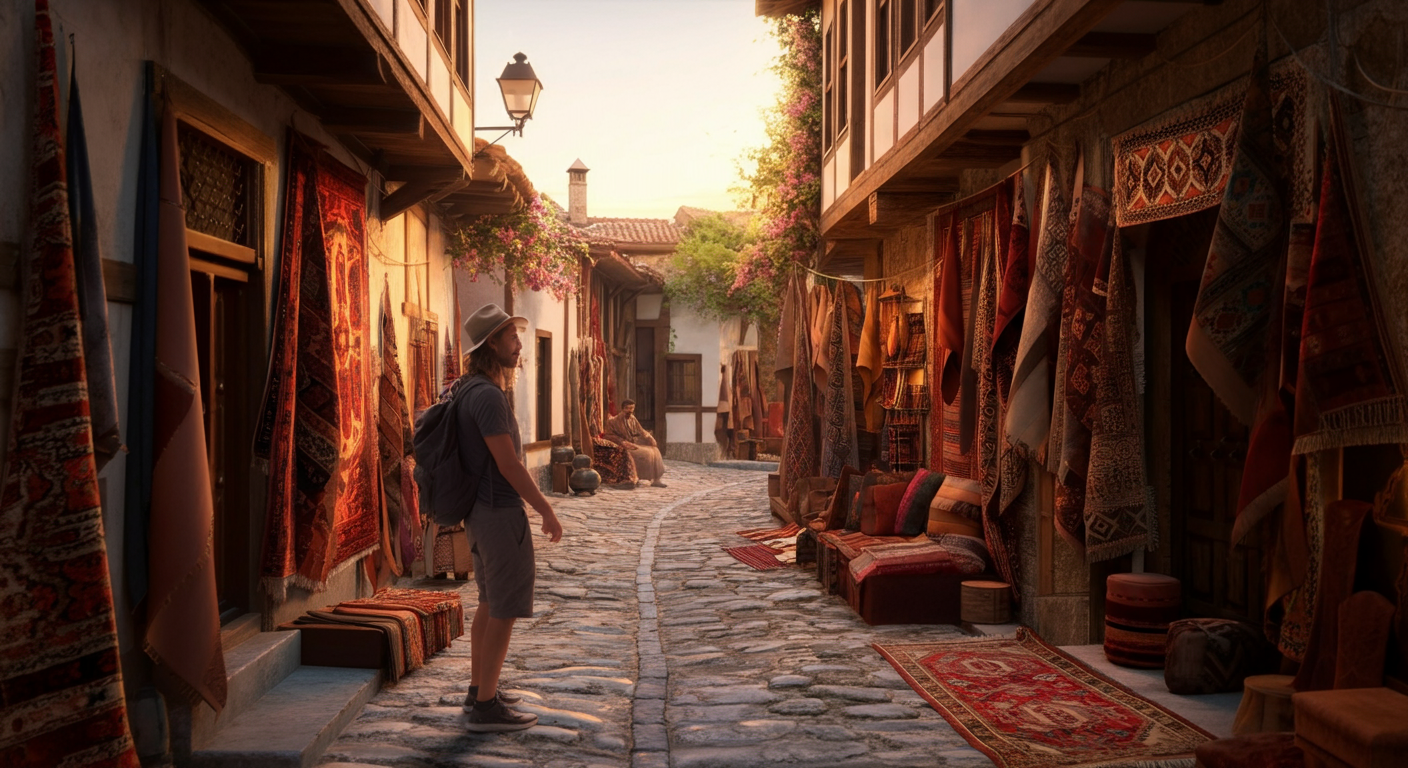
- Common in Sultanahmet, Antalya Kaleiçi and Bodrum’s old streets near Eski Çarşı.
- Clarify if the piece is hand‑knotted or machine‑made, wool, cotton or synthetic.
- Get dimensions, materials, origin and any care advice written on the invoice.
- If shipping to the UK, agree shipping cost, insurance and estimated delivery time in writing.
Leather Jackets and Bags
- Concentrated in coastal resorts and Istanbul streets such as Ordu Caddesi.
- Check stitching and zips in good light; try on over a light jumper for realistic fit.
- Ask whether the leather is treated for rain and how to care for it in UK weather.
Before paying four‑figure sums for carpets in Sultanahmet or gold in Bodrum, advise your bank via app or phone that you are in Turkey. This reduces the chance of a security block at the till.
Everyday Shopping: Food, Markets and Supermarkets
Everyday food shopping is a straightforward way to experience local life without spending a lot.
Local Breads and Snacks to Try
- Simit – sesame ring bread sold from red carts near Istanbul ferry piers like Eminönü and Kadıköy.
- Pide – flatbread from bakeries (fırın) on Antalya backstreets in Kepez and Konyaaltı.
- Lavaş – soft wrap bread, ideal for picnics along Fethiye harbour or Konyaaltı beach park.
- Bazlama – thick village bread often sold at weekly markets, such as Fethiye’s Tuesday pazar.
In supermarkets on streets like Şişli Halaskargazi Caddesi (Istanbul) or Güllük Caddesi (Antalya), look for:
- Turkish tea (çay), coffee and boxed lokum (Turkish delight).
- Sealed spice packets – easier to bring home than loose market spices.
- Ayran (yoghurt drink), juices and local cheeses.
UK‑friendly tip: sealed, commercially packaged food is generally safer to bring back than loose items. Always check current UK import rules.
VAT Refunds and Tax‑Free Shopping
VAT refunds can reduce the cost of bigger purchases, but only when shops and airports participate and you follow the correct process.
How It Typically Works
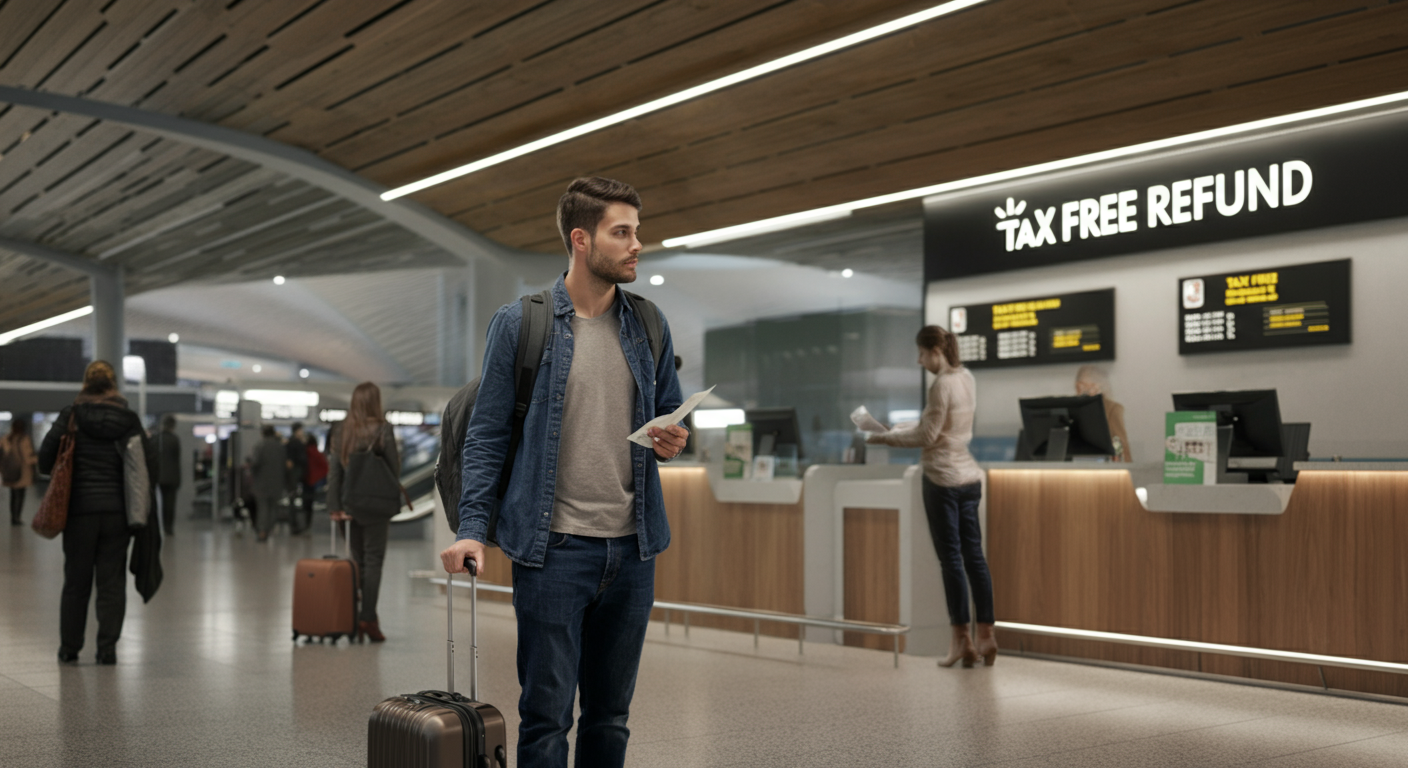
- Look for “Tax Free Shopping” signs in larger stores on Istiklal Caddesi, Nişantaşı’s Abdi İpekçi Caddesi or big malls near the D400 around Antalya.
- Ask at the till whether they offer tax‑free forms and what the minimum spend is (this can change – always check on the day).
- You will usually provide passport details and receive a special form alongside your receipts.
- At airports like Istanbul Airport or Antalya Airport, follow signs to the tax‑free or VAT refund desk, often before check‑in or security if goods need inspection.
- Allow extra time; queues can build up at busy holiday departure times.
Simple rule: tax refunds are most worthwhile for jewellery, leather, carpets and electronics rather than small souvenirs.
For airport timings and queues, see Istanbul airport departure guide for UK travellers.
Staying Organised and Avoiding Stress
Most shopping experiences in Turkey are straightforward. A few habits reduce the chances of issues.
Card and Payment Safety
- Always check the amount on the terminal before tapping and keep the card in sight.
- Ask for a card receipt and keep it until you see the charge correctly on your banking app.
- If the terminal offers to charge in pounds, choose lira for a clearer rate.
Price Transparency and Paperwork
- In tourist bazaars, compare a couple of stalls along the same street (for example, within Manavgat market) to understand realistic prices.
- If no price is shown, ask before trying on multiple items.
- Keep receipts, business cards and any written guarantees until you are home.
For wider planning support, see Practical Turkey travel checklist for UK visitors.
FAQ
Do I have the same consumer rights in Turkey as in the UK?
No. Turkish consumer law is different and can be harder to use once you leave the country. Many travellers rely on clear shop policies, written return terms and paying by card rather than expecting UK‑style protections.
Is it normal not to get a receipt in Turkish markets?
Yes, in small markets and bazaars it is common not to receive a printed receipt for low‑value items unless you ask. For anything you might want to return or insure, always request a proper receipt or invoice.
Can I return a carpet or leather jacket after I fly back to the UK?
This is rarely practical. If you are unhappy, it is much easier to solve it while still in Turkey, ideally within a day or two of purchase and only if you have a clear written agreement.
Is haggling expected everywhere?
No. Haggling is usual in bazaars and tourist markets, but prices are normally fixed in supermarkets, pharmacies, shopping centres and many clothing shops.
Should I pay in pounds or lira in Turkish shops?
Many UK visitors prefer to pay in Turkish lira on their card. If the machine offers a choice, picking lira instead of pounds usually avoids extra conversion fees.
Can I claim VAT back on my shopping?
Often yes for eligible goods from participating shops once you meet the minimum spend and complete tax‑free forms. You then present receipts, forms and sometimes goods at the airport tax‑free desk. Procedures can change, so check locally.
Is it safe to use contactless on public transport?
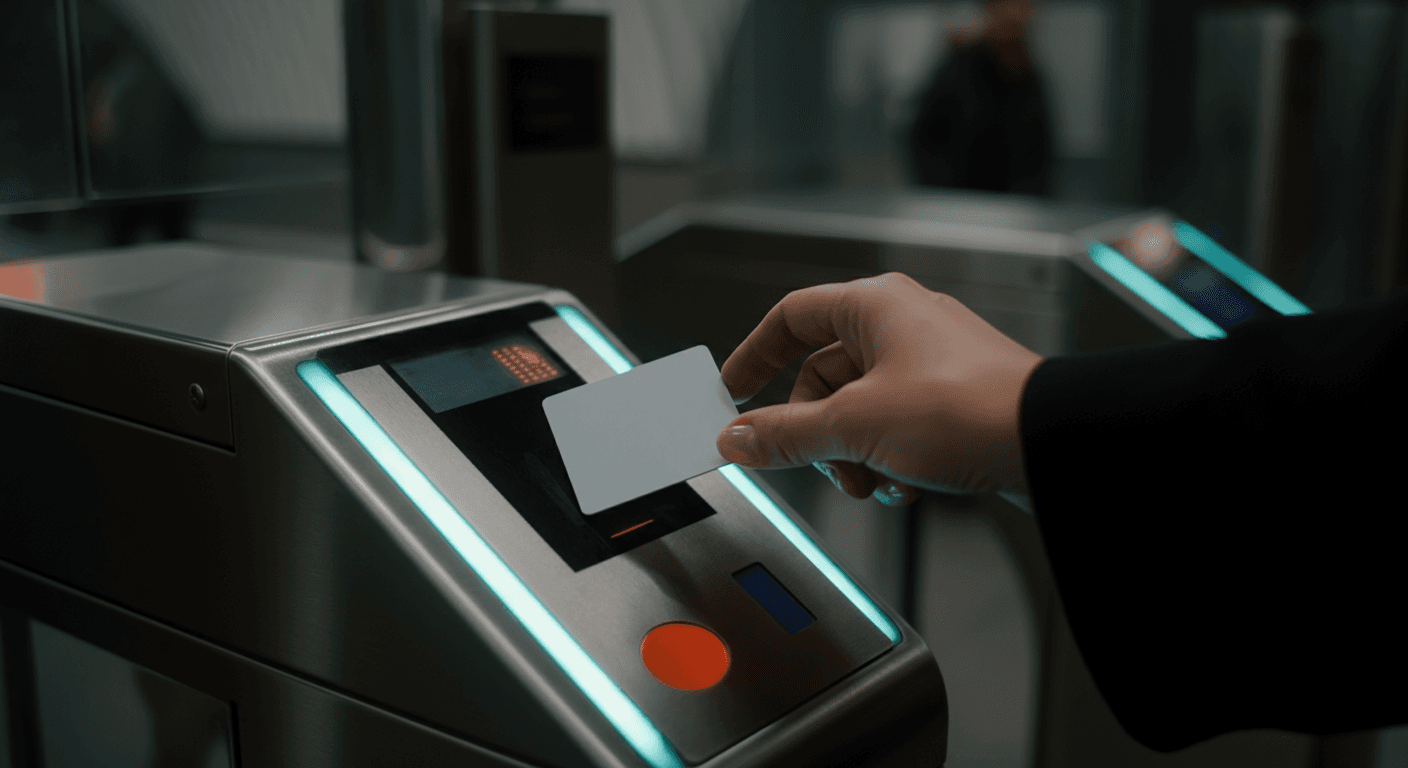
Some systems accept bank cards, but many visitors still load local travel cards such as Istanbulkart at machines along the T1 tram route between Kabataş and Bağcılar to track costs more easily.

Selin Aktaş
Editör"Ege köylerine ve butik otellere olan tutkusuyla tanınan Selin, 10 yılı aşkın süredir Türkiye'nin gizli kalmış rotalarını keşfediyor."
Hakkında Rehberler
İstanbul’da Ulaşım Rehberi: İstanbulkart, Metro/Tramvay/Feribot Mantığı (Kafası Karışanlara)
İstanbul'da ulaşım karmaşasına son verin! İstanbulkart, metro, tramvay, otobüs ve feribot gibi toplu taşıma ağlarını kolayca anlayın.
İstanbul’da En İyi Fotoğraf/İçerik Rotası: 1 Günde Viral Kareler (Işık Saatleri + Kalabalık Stratejisi)
İstanbul'un en viral fotoğraf noktalarını keşfedin! Boğaz, Galata ve Tarihi Yarımada'da 1 günde, ışık saatleri ve kalabalık stratejileriyle mükemmel kareler yakalayın.
İstanbul Bütçe Planlayıcı: Ekonomik/Dengeli/Rahat Mod (Fiyat Vermeden Harcama Mantığı)
İstanbul gezinizi bütçenize uygun planlayın! Ekonomik, dengeli veya rahat modlarla harcama mantığını keşfederek şehri doyasıya yaşayın.
İstanbul’da Çocukla Gezi: Bebek/Çocuk Checklists + Öğle Sıcağı/Yağmur Planı
İstanbul'da çocukla gezmek artık çok kolay! Bebek/çocuk kontrol listeleri ve öğle sıcağı/yağmur için özel İstanbul gezi planları bu rehberde.
İstanbul’da “Yürüyerek Gezilecek” Semtler: 2–3 Saatlik Mini Rotalar (Harita Mantığıyla)
İstanbul'un en güzel semtlerini yürüyerek keşfedin! Tarihi yarımada ve Boğaz çevresindeki 2-3 saatlik mini rotalarla şehri deneyimleyin.

İstanbul’da Camii Ziyareti Rehberi: Giyim, Saat, Fotoğraf Kuralları (Turist İçin Basit Anlatım)
İstanbul camilerini ziyaret edecek turistler için giyim, saat ve fotoğraf kuralları rehberi. Cami ziyaretinizden önce bilmeniz gereken tüm detayları basitçe öğrenin.
İstanbul’da Dolandırılmadan Değil, “Sürpriz Yaşamadan” Gezmek: Basit Kurallar (Taksi, Menü, Tur)
İstanbul'da taksi, menü ve tur sürprizleri yaşamadan güvenle gezmek için basit kuralları keşfedin. Dolandırılmadan keyifli bir İstanbul deneyimi için ipuçları burada.
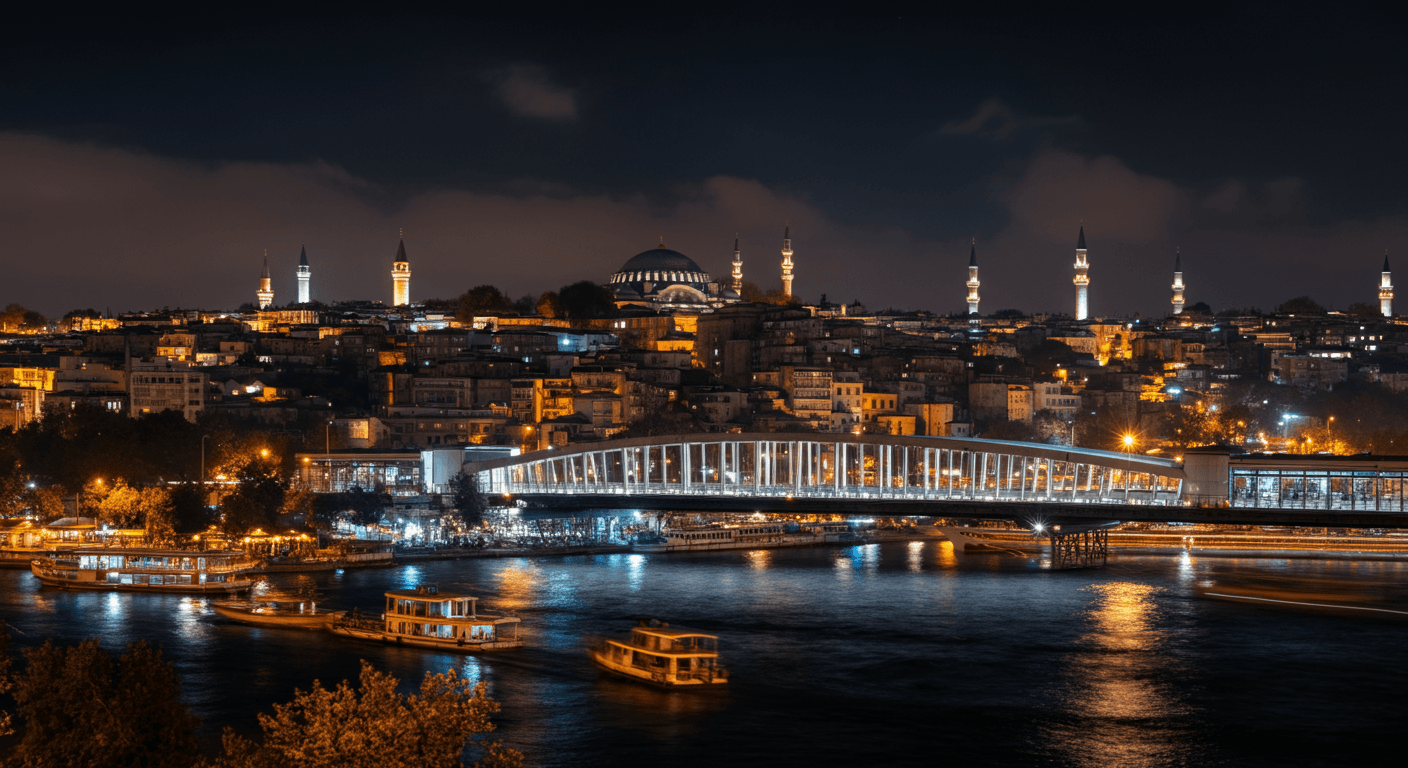
İstanbul’da “Akşam Ne Yapılır?” Rehberi: Aile/Çift/Tek Kişi İçin Güvenli ve Keyifli Plan
İstanbul'da akşam ne yapılır? Aile, çift veya tek kişi için Boğaz turu, tarihi mekanlar ve güvenli eğlence seçenekleriyle dolu rehberimizi keşfedin.
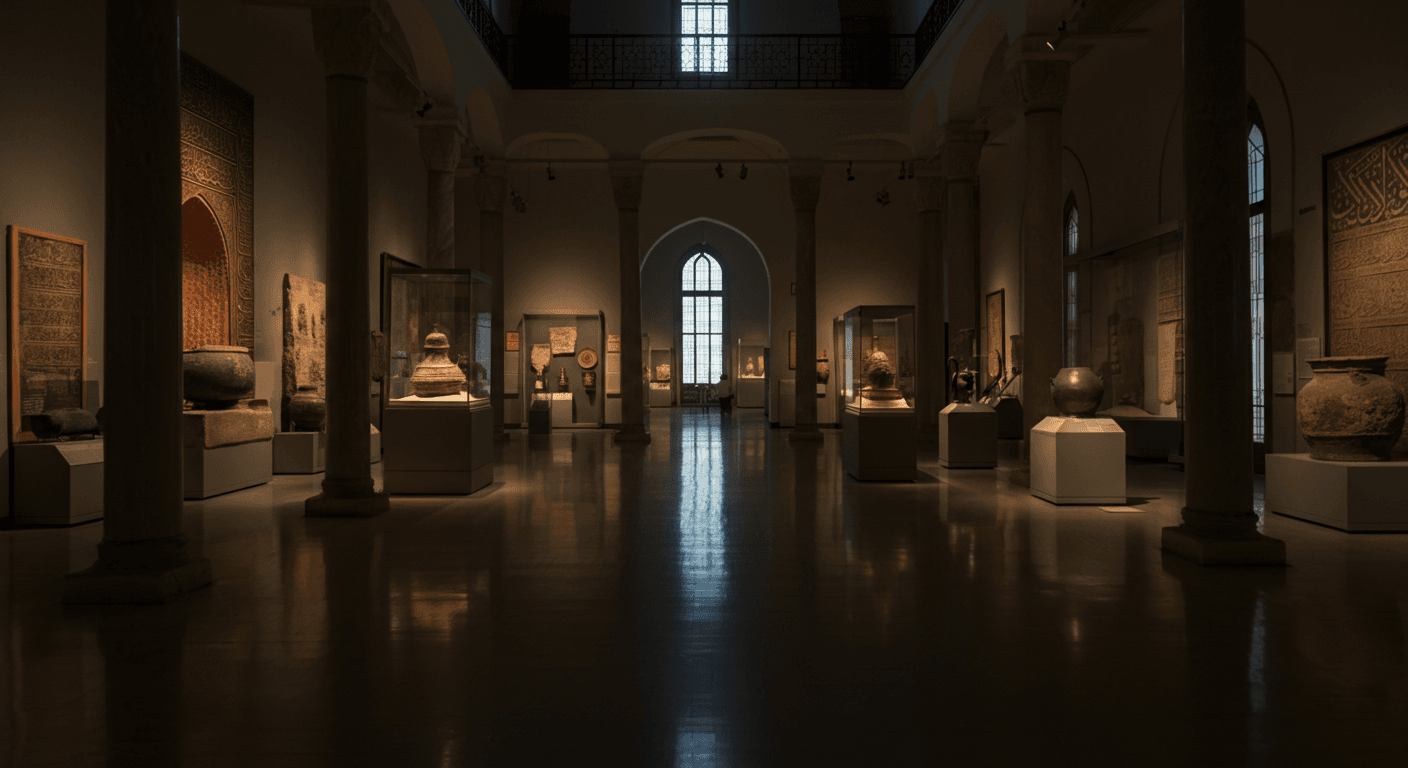
İstanbul’da Yağmurlu Gün Planı: Kapalı Mekân Rotaları (Müze + Çarşı + Kafe Akışı)
İstanbul'da yağmurlu havalarda sıkılmayın! Müzeler, tarihi çarşılar ve şirin kafelerle dolu kapalı mekan rotalarıyla keyifli bir gün geçirin.
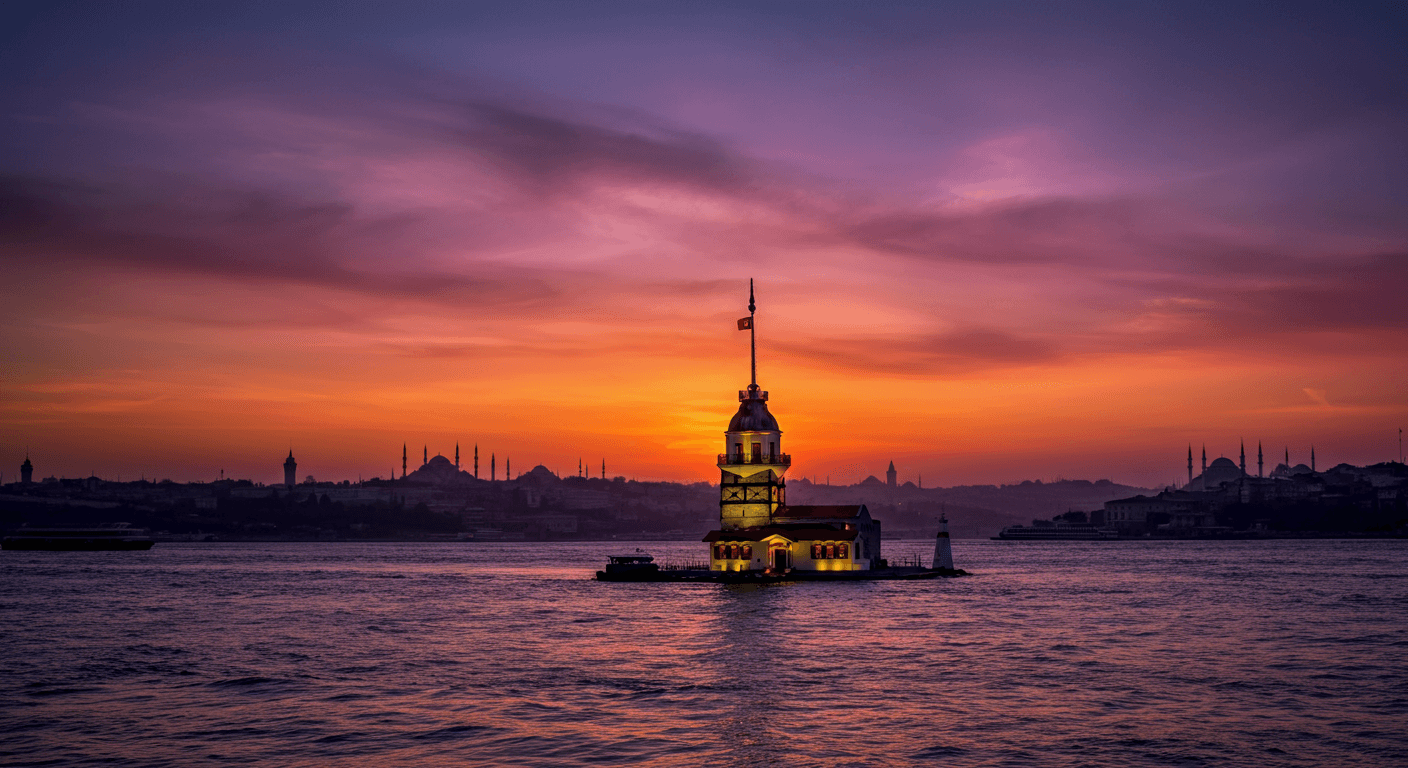
İstanbul’da Gün Batımı Noktaları: Kalabalıksız Saatler + En İyi “Sunset Walk” Rotaları
İstanbul'da kalabalıktan uzak gün batımı noktaları ve Boğaz'da eşsiz sunset walk rotalarıyla şehrin büyüsüne kapılın.
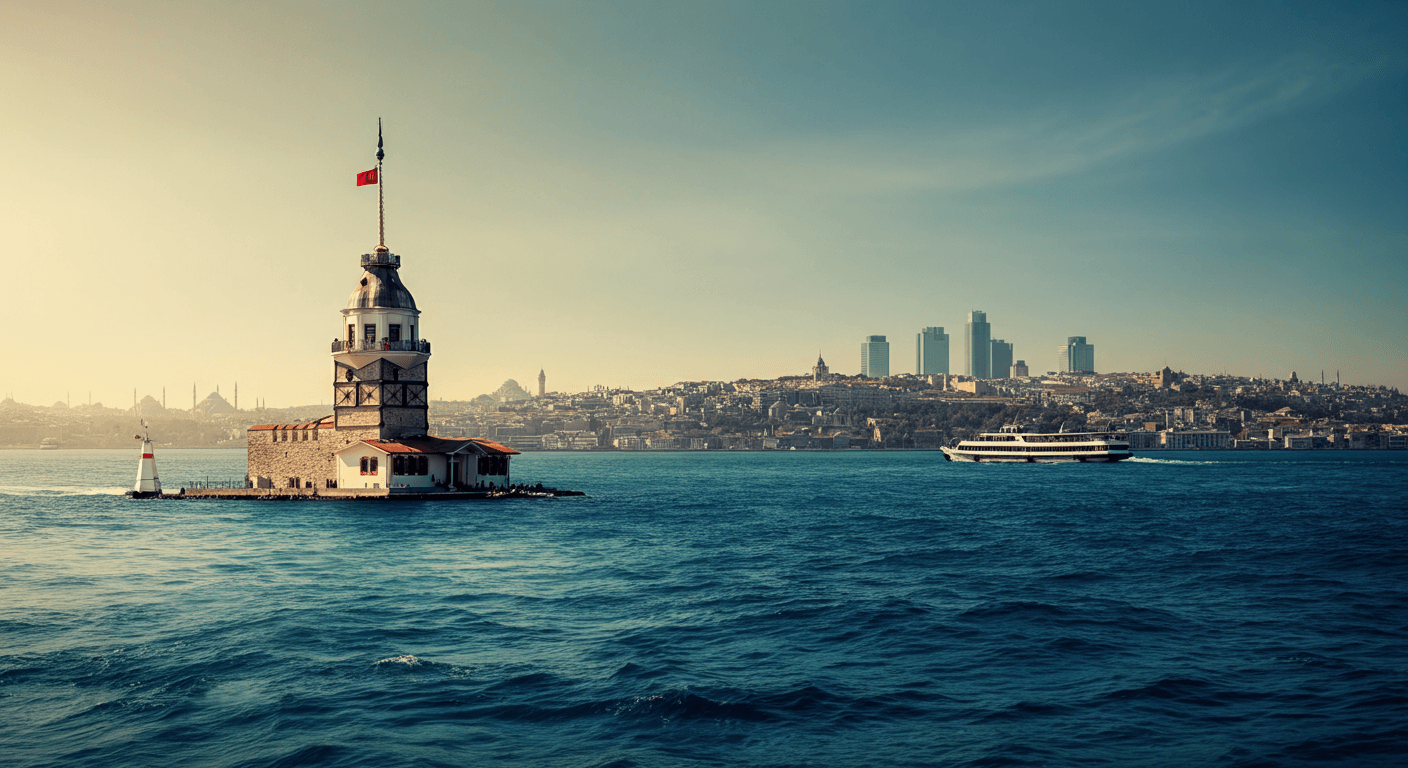
İstanbul’da 1 Günde 2 Kıta: Avrupa → Anadolu Rotası (Saat Saat + Yürüme Seviyesi)
İstanbul'da bir günde Avrupa'dan Anadolu'ya geçiş rotasını keşfedin! Saat saat planlanmış bu eşsiz gezi rehberiyle iki kıtayı yürüme seviyenize göre deneyimleyin.

Sabiha Gökçen’den Şehre En Kolay Ulaşım: Seçenekler ve Hangi Saatte Hangisi Mantıklı?
Sabiha Gökçen (SAW) havalimanından İstanbul şehir merkezine en kolay ulaşım (metro, Havabüs, taksi) seçeneklerini ve saatinize göre en mantıklı yolu keşfedin.

İstanbul Havalimanı (IST) Transfer Seçimi: Taksi mi Metro mu Özel Transfer mi? (Gece Varışı Planı)
İstanbul Havalimanı (IST) gece varışı için taksi, metro veya özel transfer mi? İstanbul'a en hızlı ve konforlu ulaşım seçeneğini keşfedin.

İstanbul’da Ulaşım Rehberi: İstanbulkart, Metro/Tramvay/Feribot Mantığı (Kafası Karışanlara)
İstanbul'da ulaşımı çözün! Turistler için İstanbulkart nasıl alınır, T1 Tramvay, M2 Metro ve vapur kullanımı, taksi tuzaklarından korunma rehberi.

İstanbul’a İlk Kez Gelenler: 3–5–7 Günlük Hazır Rota (Yormayan Plan + Esnek Günler)
İstanbul'u yorulmadan ve kaybolmadan gezmek isteyenler için saat saat planlanmış, en verimli 3 günlük, 5 günlük ve 7 günlük hazır turistik gezi rotası.

İstanbul’da Nerede Kalınır? Bölge Bölge Base Seçim Rehberi (İlk Kez Gelenler İçin)
İstanbul'da ilk kez nerede kalınır? Sultanahmet, Karaköy, Taksim, Beşiktaş ve Kadıköy bölgelerinin detaylı, artı-eksi analizli, ulaşım odaklı konaklama rehberi.
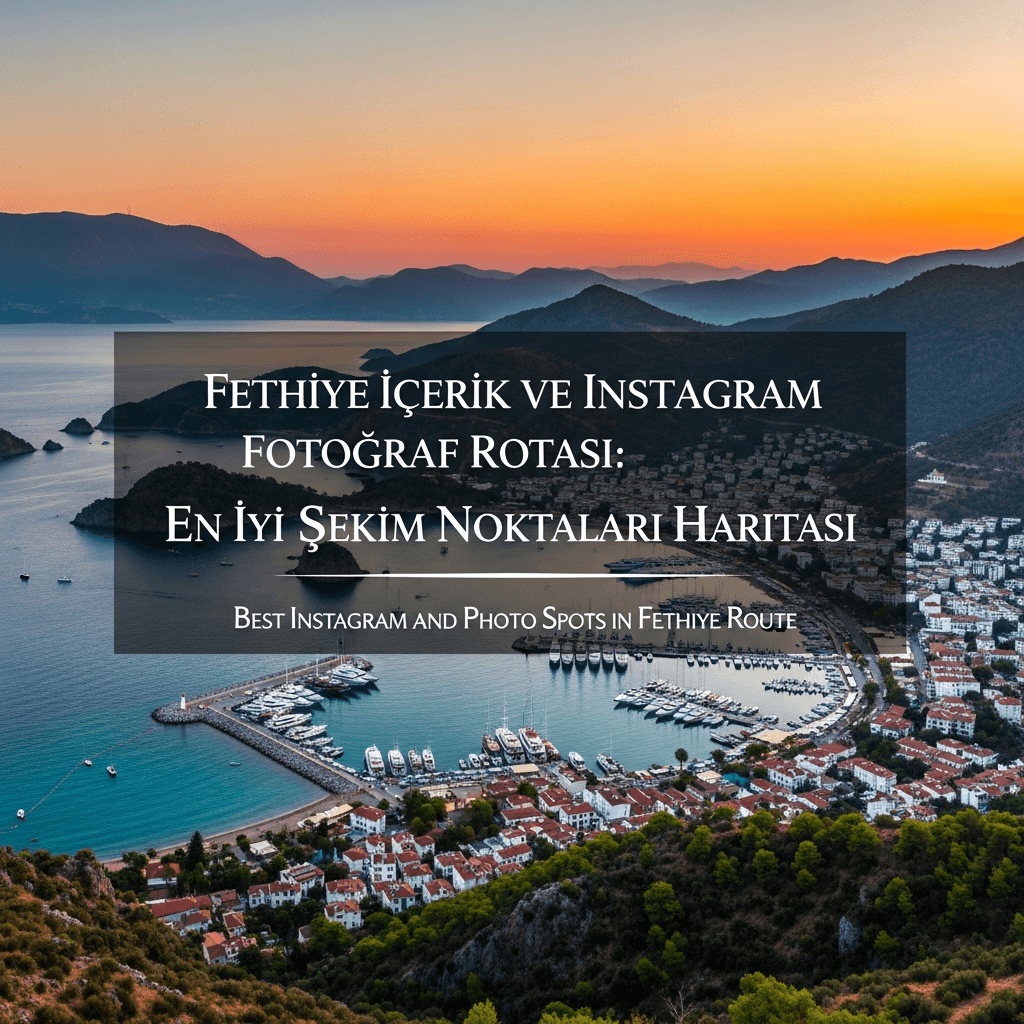
Fethiye İçerik ve Instagram Fotoğraf Rotası: En İyi Çekim Noktaları Haritası
Fethiye'nin en iyi Instagram fotoğrafı nerede çekilir? Kelebekler vadisi seyir zirvesi, Babadağ sonsuzluk terası ve SEO odaklı şemsiyeli sokak ışık rehberi.
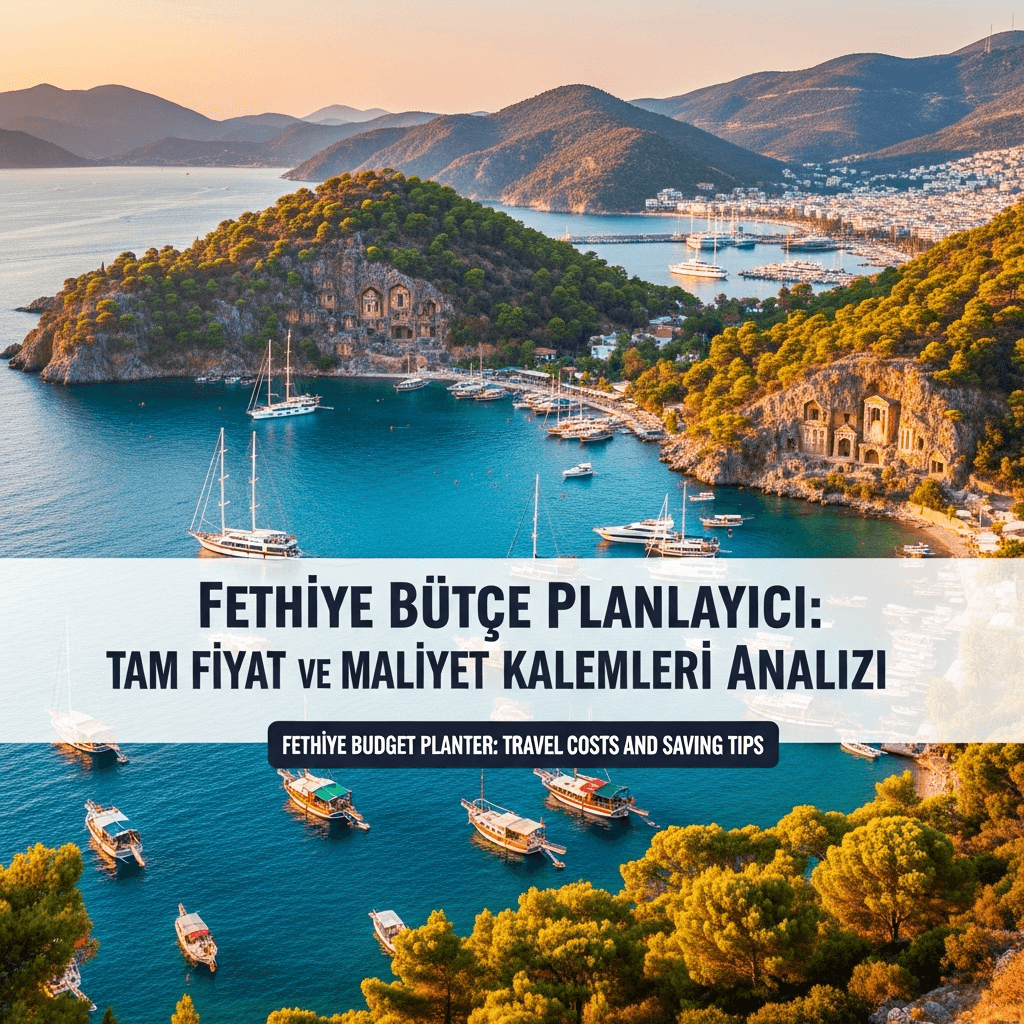
Fethiye Bütçe Planlayıcı: Tam Fiyat ve Maliyet Kalemleri Analizi
Fethiye ne kadar pahalı? 2024 ve 2025 yemek fiyatları, Dolmuş ücreti, Tekne turu ve ucuz villa otel maliyetleri hakkındaki en eksiksiz SEO tatil bütçe hesaplayıcısı.
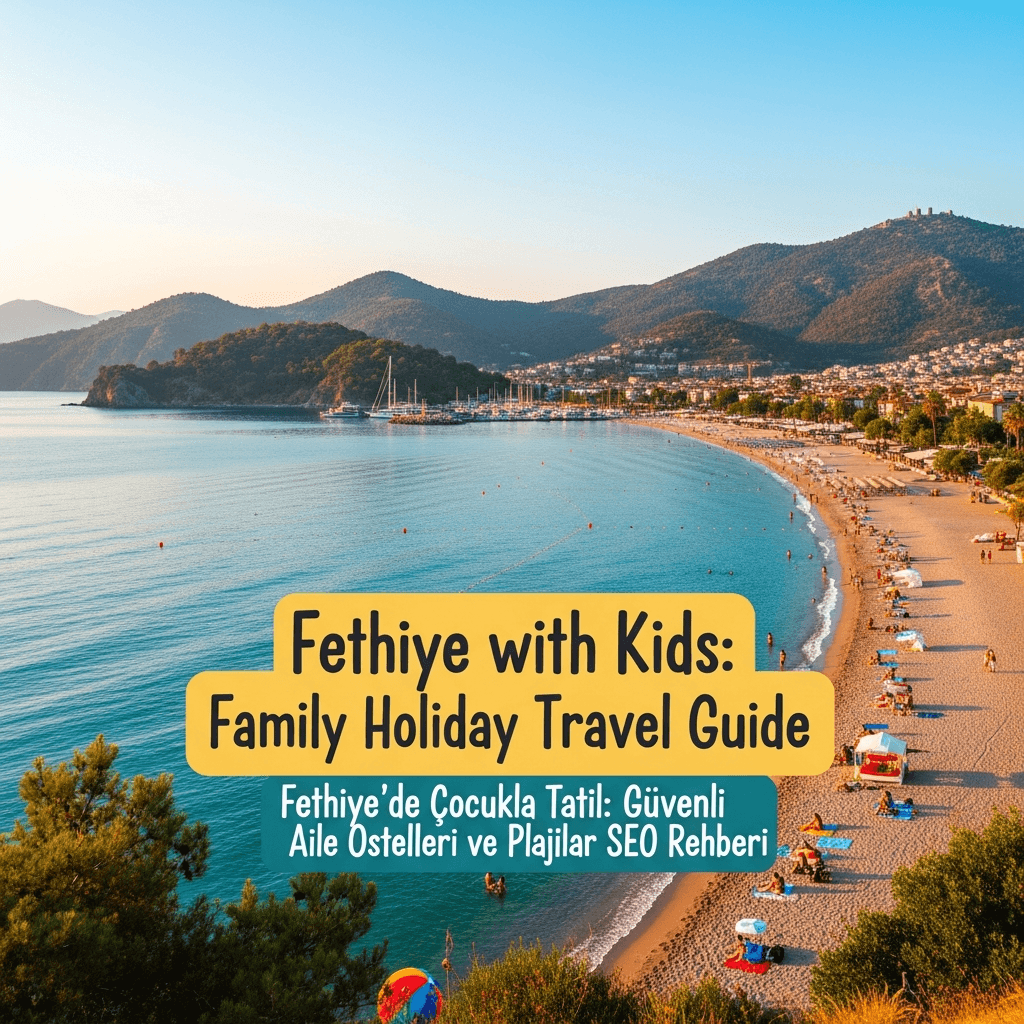
Fethiye’de Çocukla Tatil: Güvenli Aile Otelleri ve Plajlar SEO Rehberi
Fethiye çocukla tatile gidilir mi? Bebekli ve küçük çocuklu aileler için sığ Ölüdeniz kumsalları, puset dostu Çalış sahil otelleri ve SEO etkinlik rehberi.
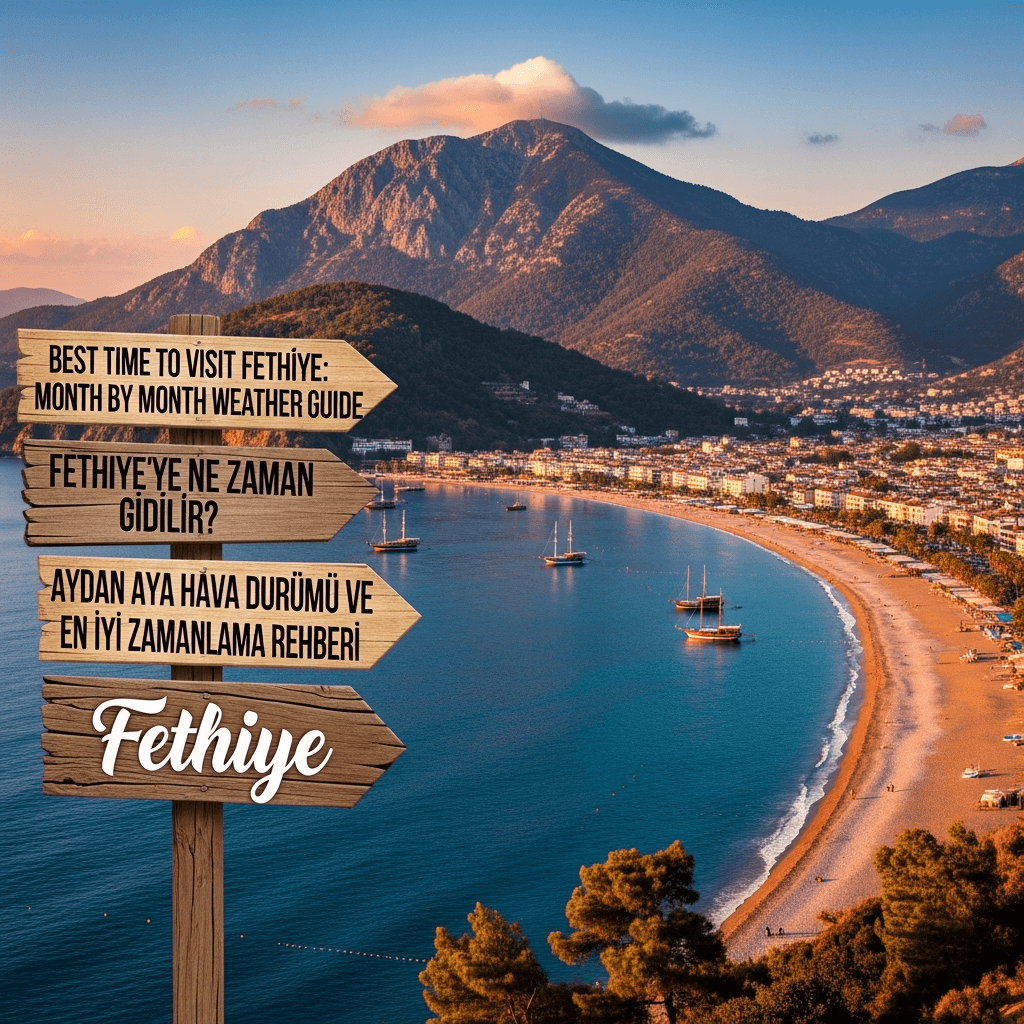
Fethiye'ye Ne Zaman Gidilir? Aydan Aya Hava Durumu ve En İyi Zamanlama Rehberi
Fethiye tatili için en iyi aylar. Yaz sıcaklıkları, Eylül Ekim sonbahar sükuneti ve İlkbahar deniz suyu sıcaklıkları Fethiye SEO iklim ve bavul rehberi.
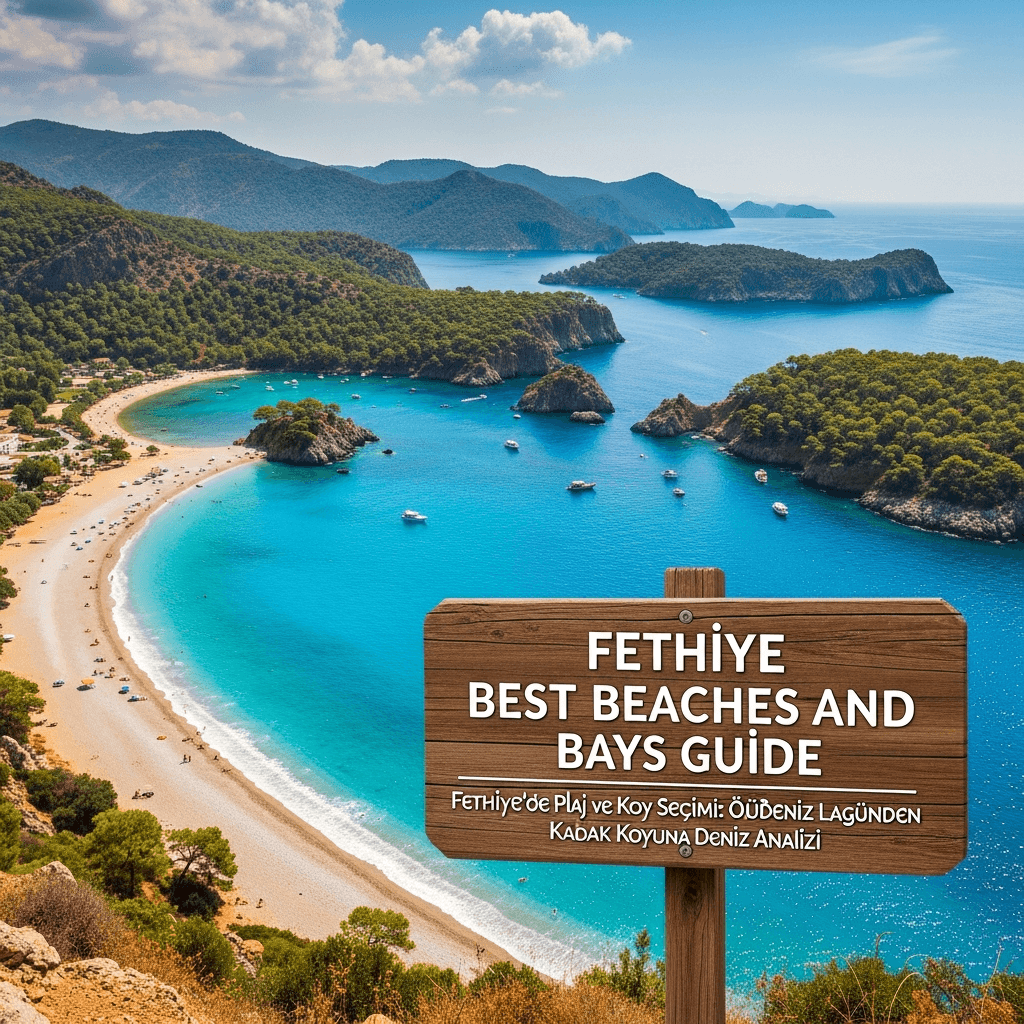
Fethiye'de Plaj ve Koy Seçimi: Ölüdeniz Lagünden Kabak Koyuna Deniz Analizi
Fethiye ve Ölüdeniz'in en iyi plajları nasıl seçilir? Mavi lagün, Belcekız, Çalış kumsalı ve Kıdrak/Kabak koylarında yüzme, dalga ve SEO çocuk uygunluk rehberi.
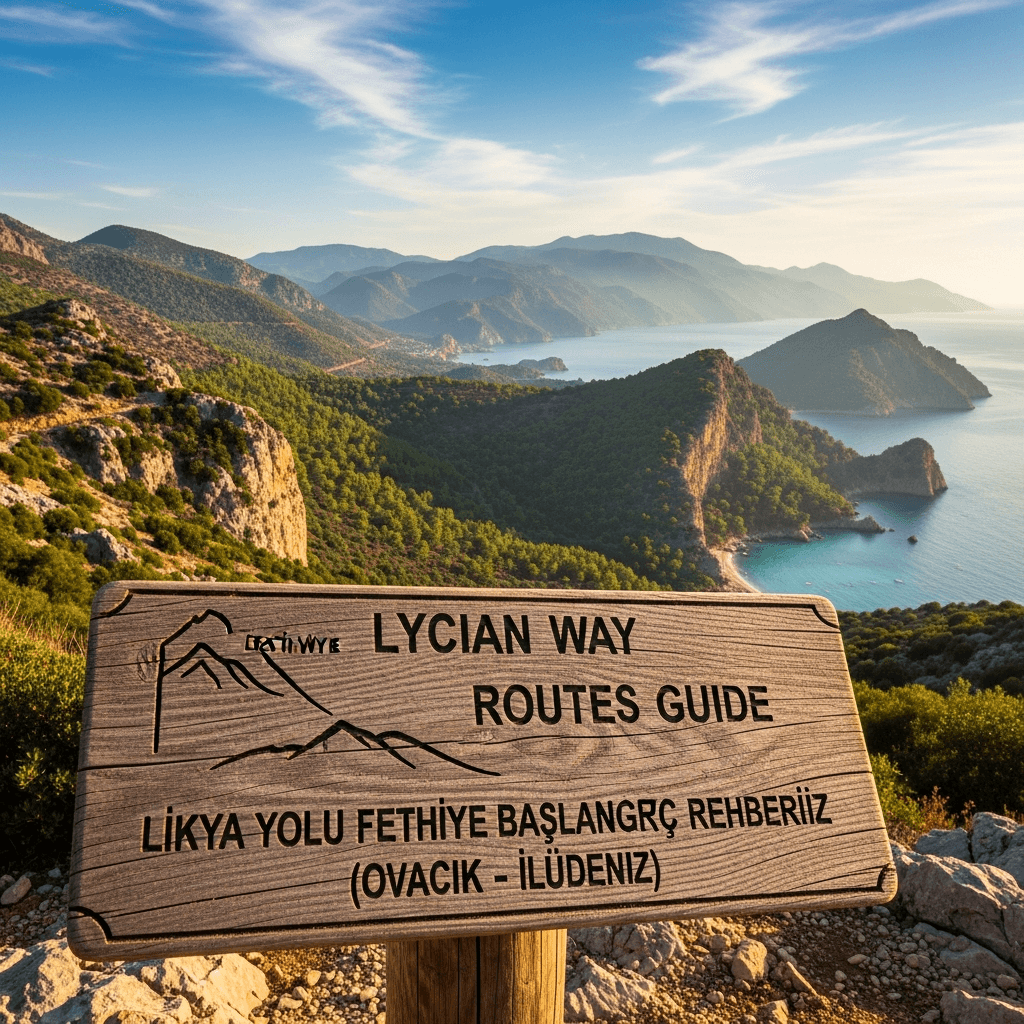
Likya Yolu Fethiye Başlangıç Parkuru Rehberi (Ovacık - Ölüdeniz)
Fethiye'den başlayan Likya yolu etapları (Ovacık, Faralya, Kayaköy). Günübirlik yürüyüş rotaları, sarı çizgi işaretleri ve dev ekipman tablolu SEO doğa rehberi.
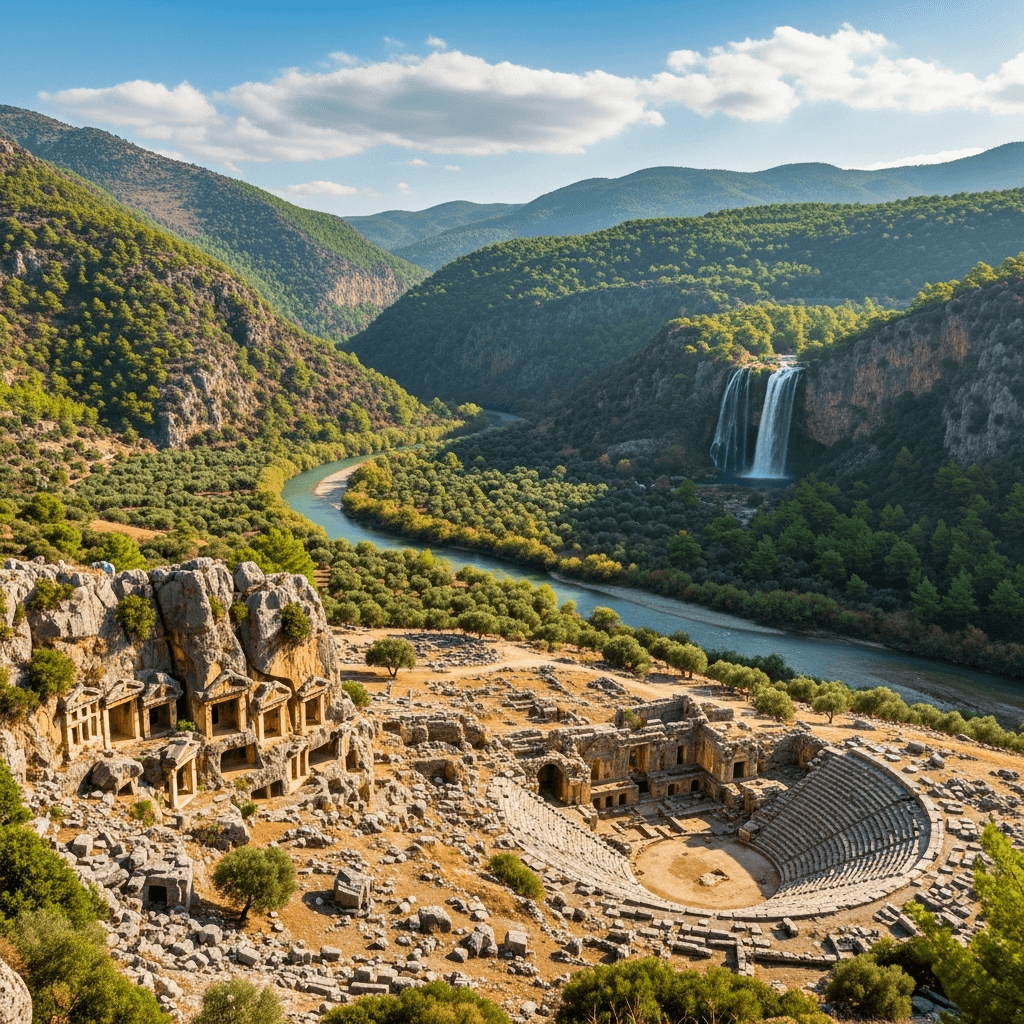
Fethiye Tlos Antik Kenti ve Yakapark Şelalesi: Saklıkent Kombinasyonu
Fethiye'de bir gün: Sabah Tlos antik kenti ve kaya mezarları gezisi, öğlen Yakapark şelalesi alabalık molası ve akşamüstü Gizlikent kanyonu. Tam gün eşsiz SEO rehberi.
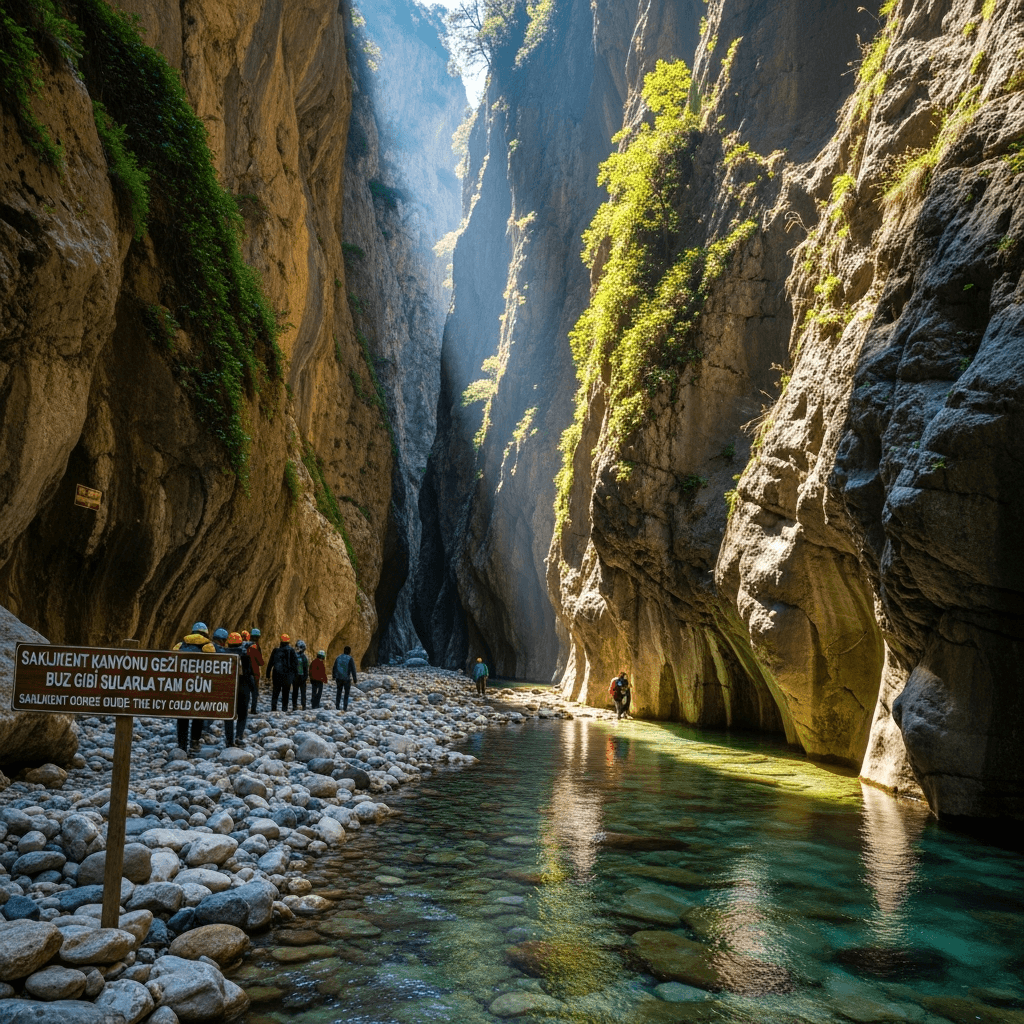
Saklıkent Kanyonu Gezi Rehberi: Buz Gibi Sularla Tam Gün
Fethiye Saklıkent kanyonu giriş ve gezi rehberi. Nehir yürüyüşü, çamur banyosu ve restoran fiyatları. Gizlikent mi Saklıkent mi kıyaslaması.
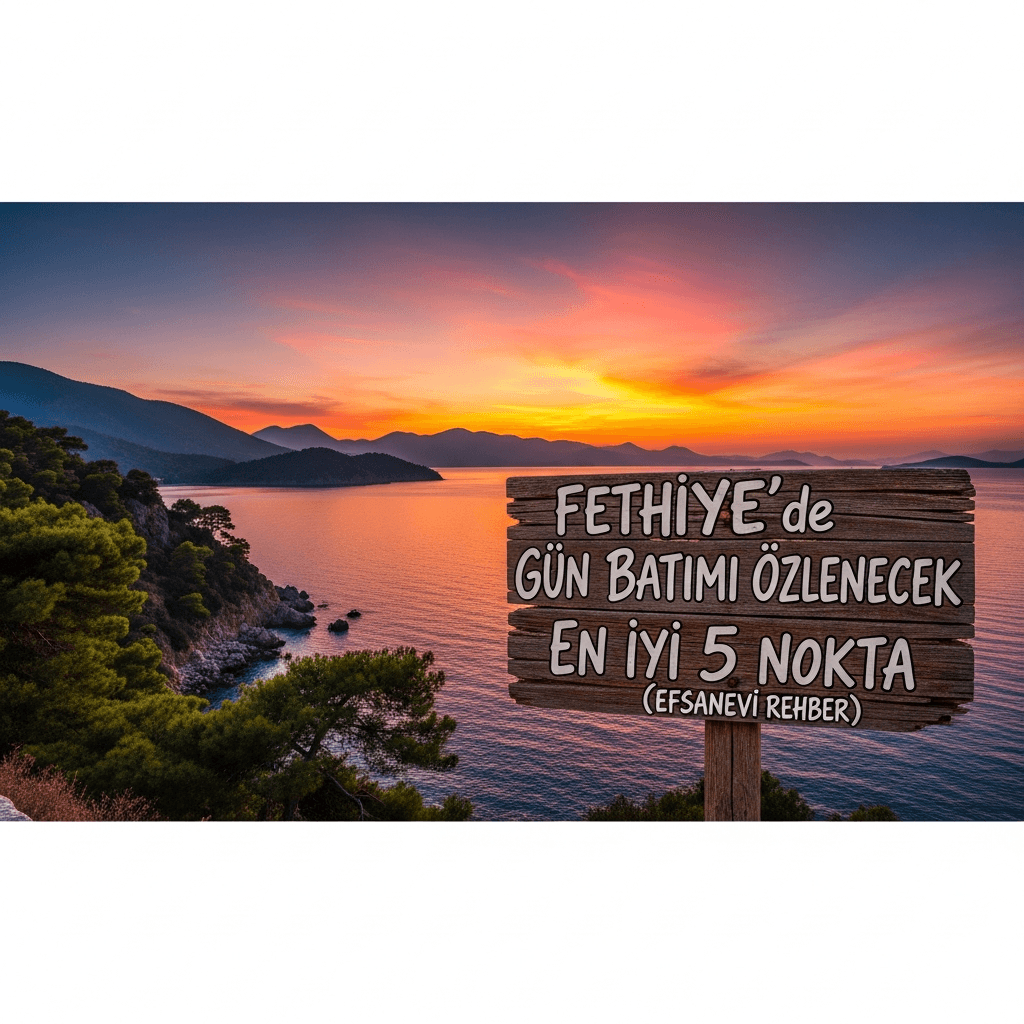
Fethiye'de Gün Batımı İzlenecek En İyi 5 Nokta (Efsanevi Rehber)
Fethiye'de gün batımı nerede izlenir? Çalış plajı, Babadağ 1700m seyir terası, Şövalye adası ve Gemiler koyu için tablolu tam SEO akşamüstü romantik rehberi.
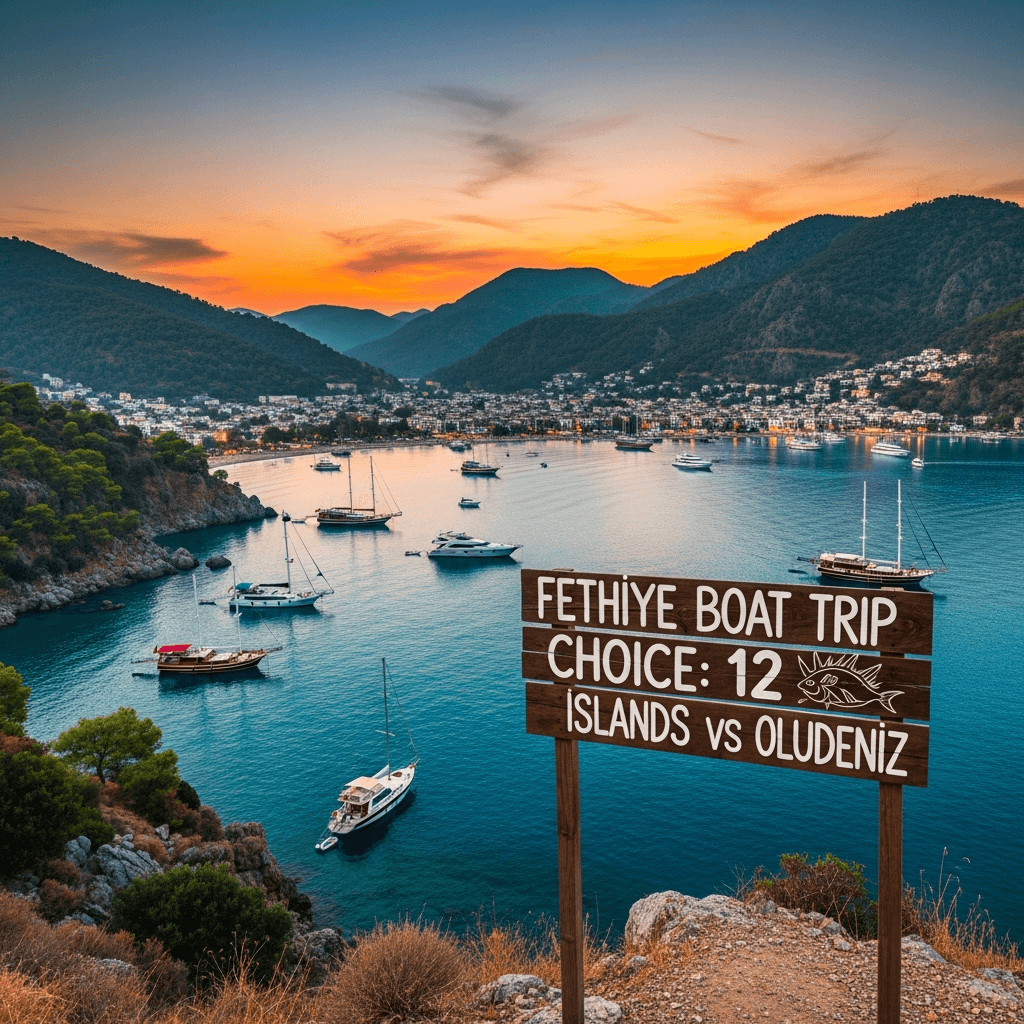
Fethiye Tekne Turu Seçme Rehberi: 12 Adalar Mı Ölüdeniz mi?
Fethiye tatilinde 12 Adalar tekne turu ile Ölüdeniz Kelebekler vadisi turu arasındaki farklar. Hangi gemi size uygun? Kıyaslama tabloları ve deniz tutması önlemleri.
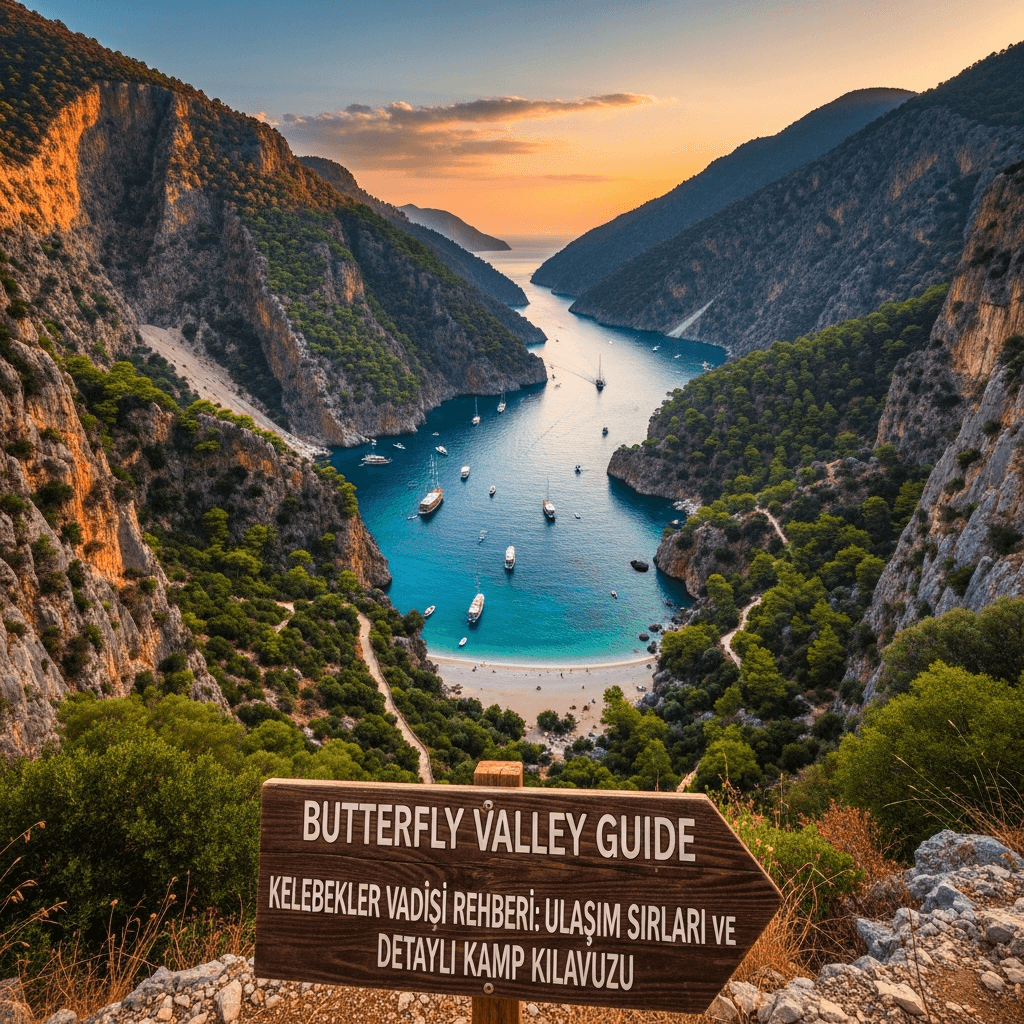
Kelebekler Vadisi Rehberi: Ulaşım Sırları ve Detaylı Kamp Kılavuzu
Fethiye Kelebekler Vadisine nasıl gidilir? Tekne ile mi karadan mı? Kamp ve şelale yürüyüşü için tablo ve maddelerle tam SEO uyumlu dev gezi planı rehberi.
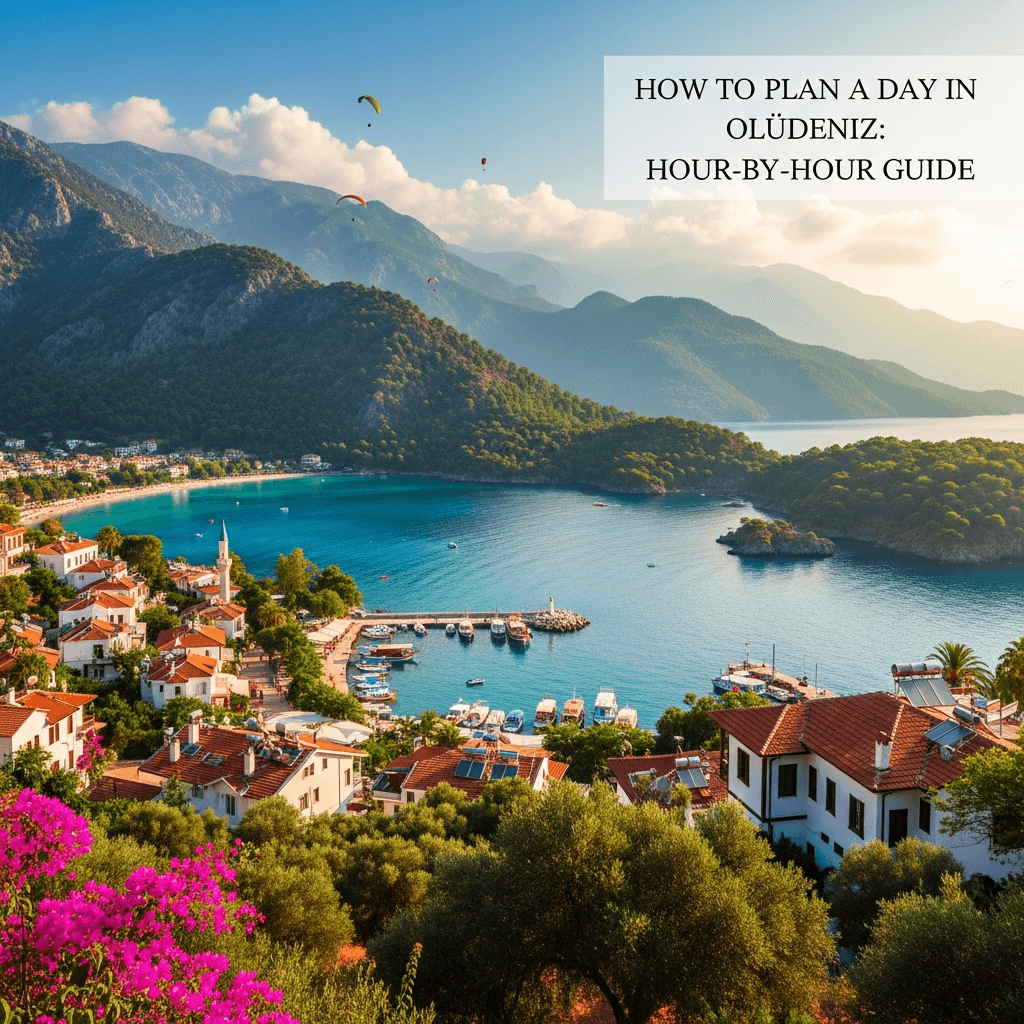
Ölüdeniz Günü Nasıl Planlanır? Kusursuz Bir Gün İçin Saat Saat Akış
Ölüdeniz, Kumburnu lagünü, Belcekız plajı ve Babadağ teleferik turu için tablo ve maddelerle tam SEO uyumlu saat saat gezi planı ve tatil rehberi.
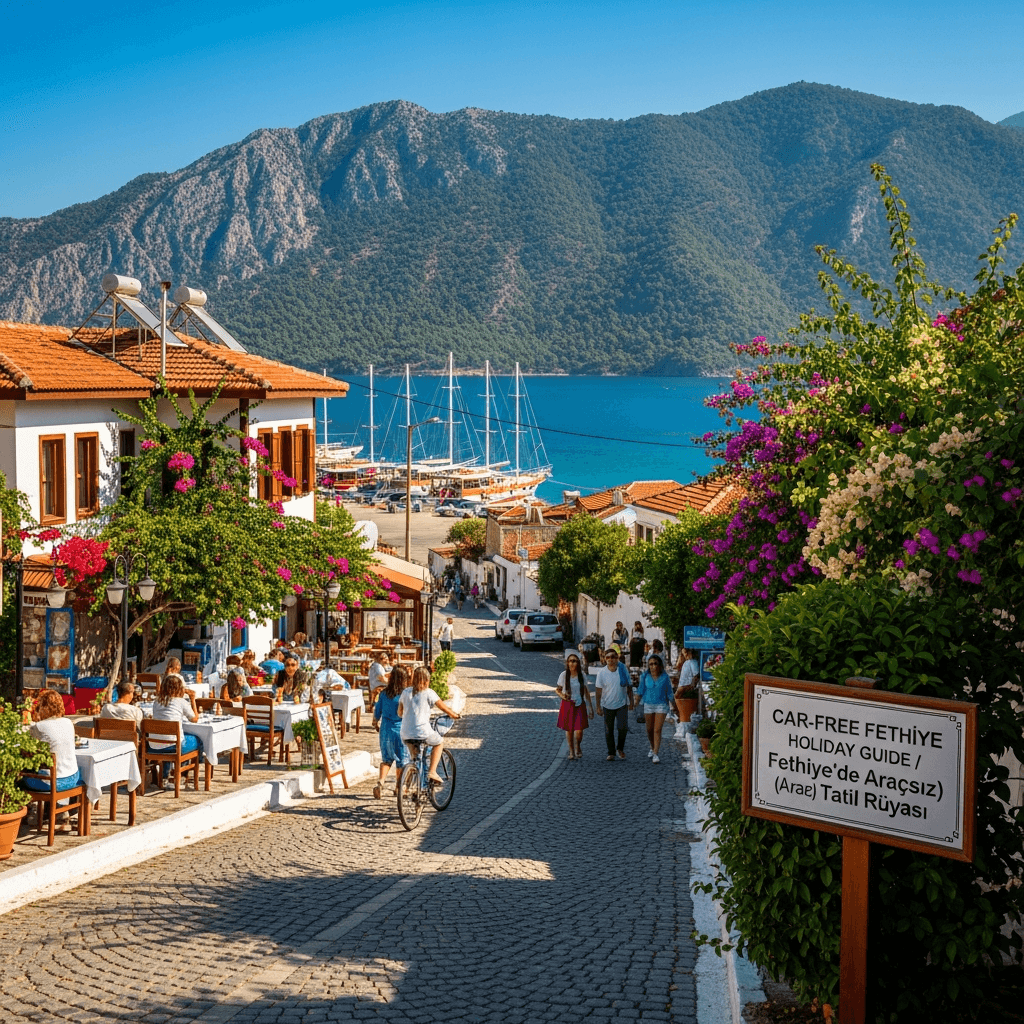
Fethiye’de Araçsız (Arabasız) Tatil Rüyası: Özgürlük, Rahatlık ve Konforun Formülü
Fethiye'de araba kiralamadan harika bir tatil yapmak mümkün. Dolmuşlar, su taksileri ve yürüyüş yollarıyla eşsiz rotalara ulaşım rehberi.
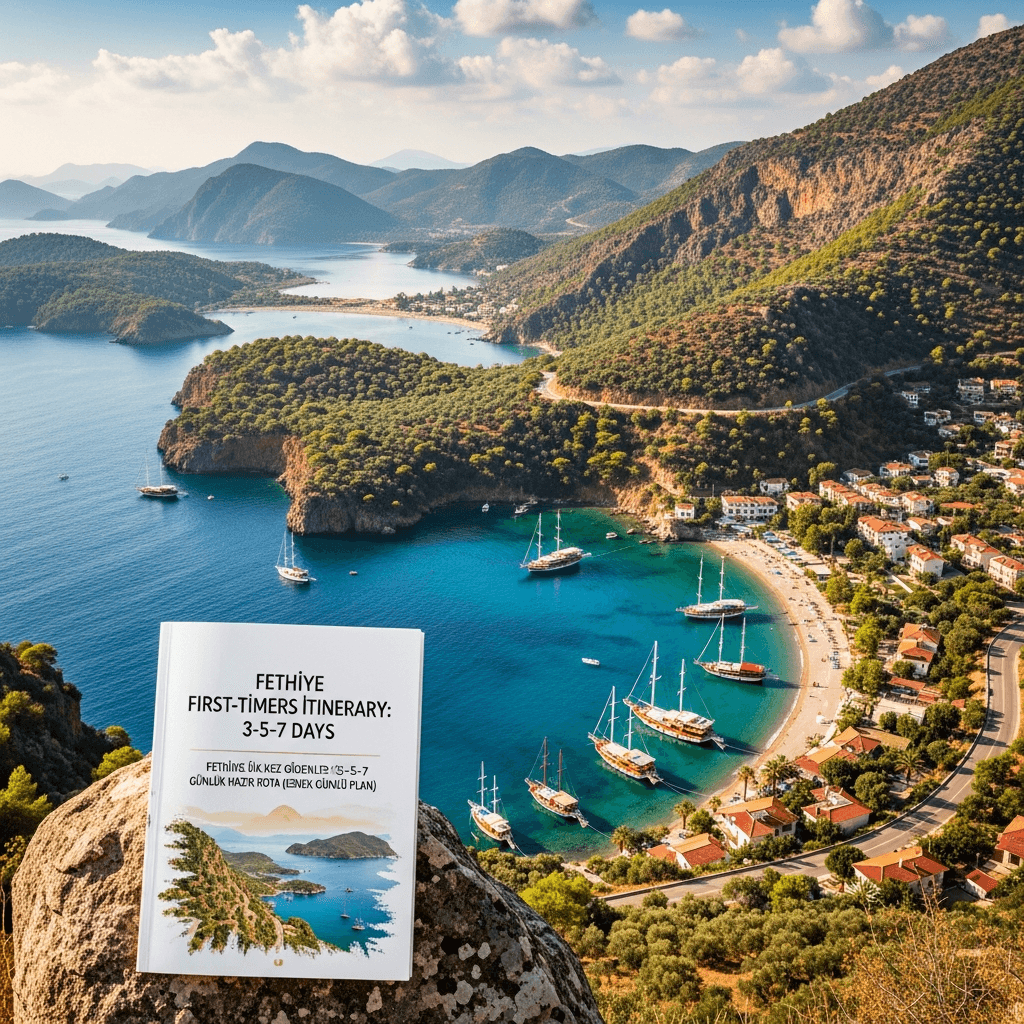
Fethiye İlk Kez Gidenler İçin: 3–5–7 Günlük Hazır Rota (Esnek Günlü Plan)
Fethiye'ye ilk defa gidenler için özenle hazırlanmış tam kapsamlı 3, 5 ve 7 günlük mükemmel tatil rotası. Ölüdeniz, Kelebekler, Saklıkent.
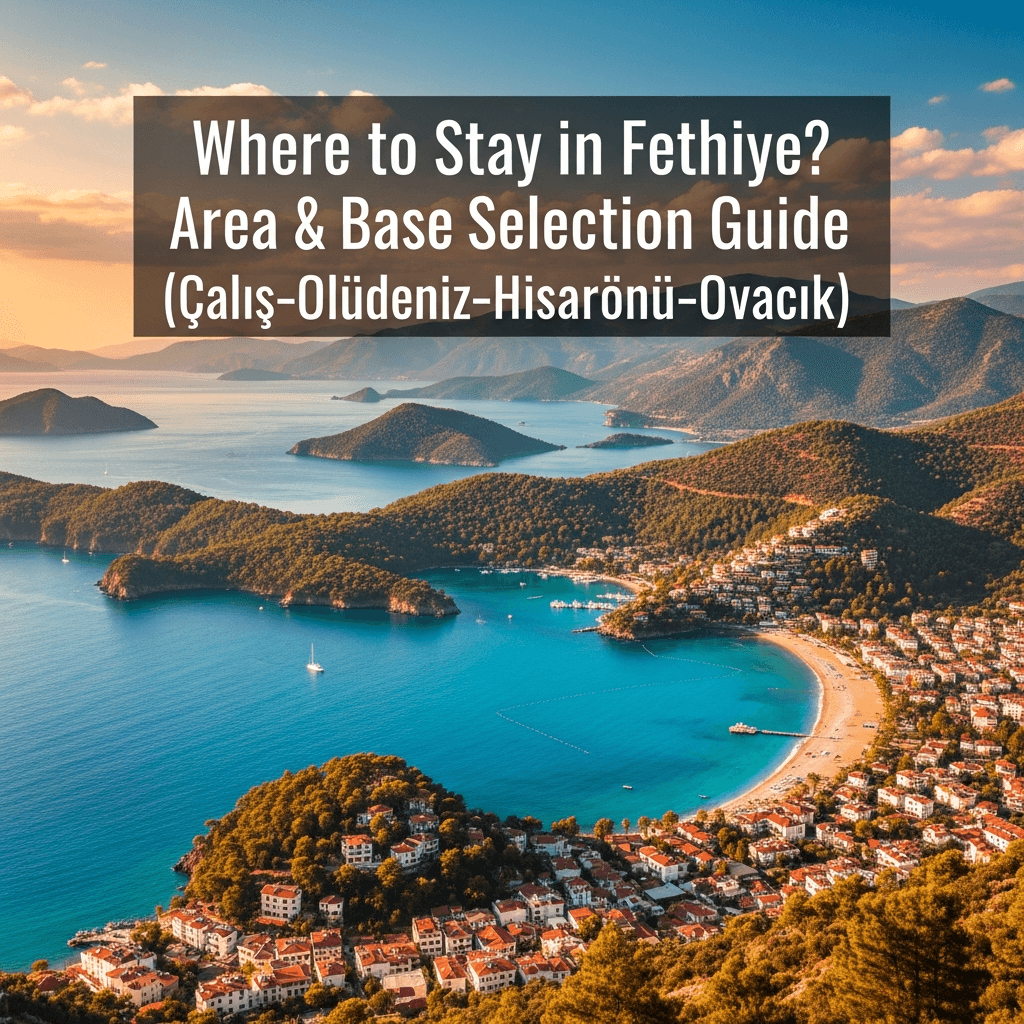
Fethiye’de Nerede Kalınır? Bölge Bölge Base Seçim Rehberi (Çalış–Ölüdeniz–Hisarönü–Ovacık)
Fethiye tatilinde doğru bölgeyi seçmenin püf noktaları. Çalış plajı, Ölüdeniz, Hisarönü, Ovacık ve Merkez detaylı analiz. Kapsamlı tatil rehberi.
Bu rehber işinize yaradı mı?
bölgesindeki daha fazla gizli cenneti keşfetmek için diğer rehberlerimize göz atın.
Tüm Rehberleri Keşfet