Guide to Pickpocket-Proof Travel in Turkey: Simple Habits That Make a Big Difference for UK Visitors
TR Pasif.
Hızlı Özet
- • bölgesinde gezilecek en iyi yerler
- •Yerel restoran ve kafe önerileri
- •Konaklama seçenekleri ve fiyat aralıkları
- •Ulaşım bilgileri ve ipuçları
İçindekiler
Guide to Pickpocket-Proof Travel in Turkey: Simple Habits That Make a Big Difference for UK Visitors
- Focus on habits, not fear: simple routines on trams, bazaars and beaches typically matter more than gadgets.
- Hotspots to stay alert: crowded areas like Istiklal Caddesi in Istanbul, Konyaalti Beach promenade in Antalya, Barlar Sokagi in Bodrum and busy dolmuş routes.
- Use a layered system: small cash in an easy pocket, main cards and passport photocopy in a hidden place, originals locked at your base.
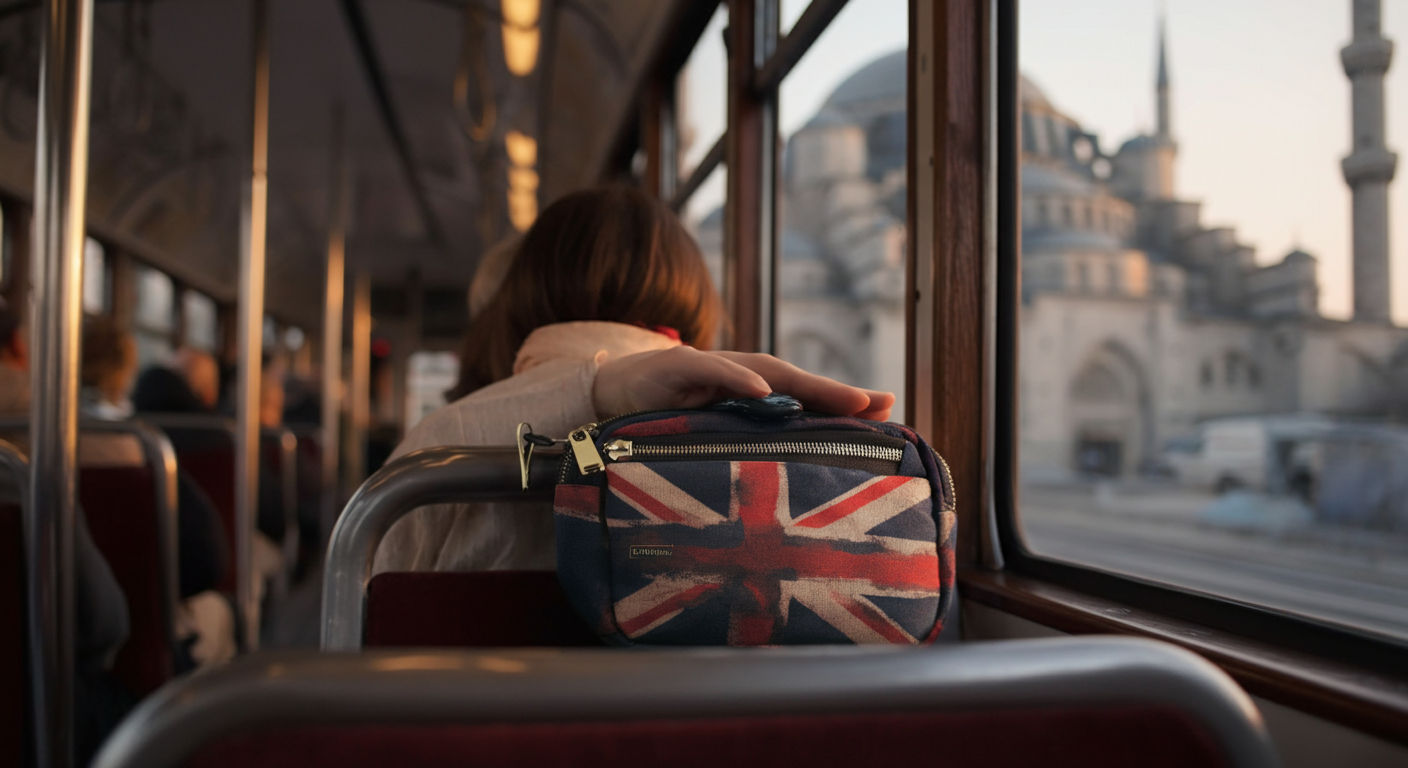
- Public transport habit: on Istanbul trams T1/T2 and Antalya tram lines, keep bags closed, in front of you, with a hand on the zip.
- Beach habit: bring only what you need; share “watch duty” in your group and avoid leaving phones on visible towel edges.
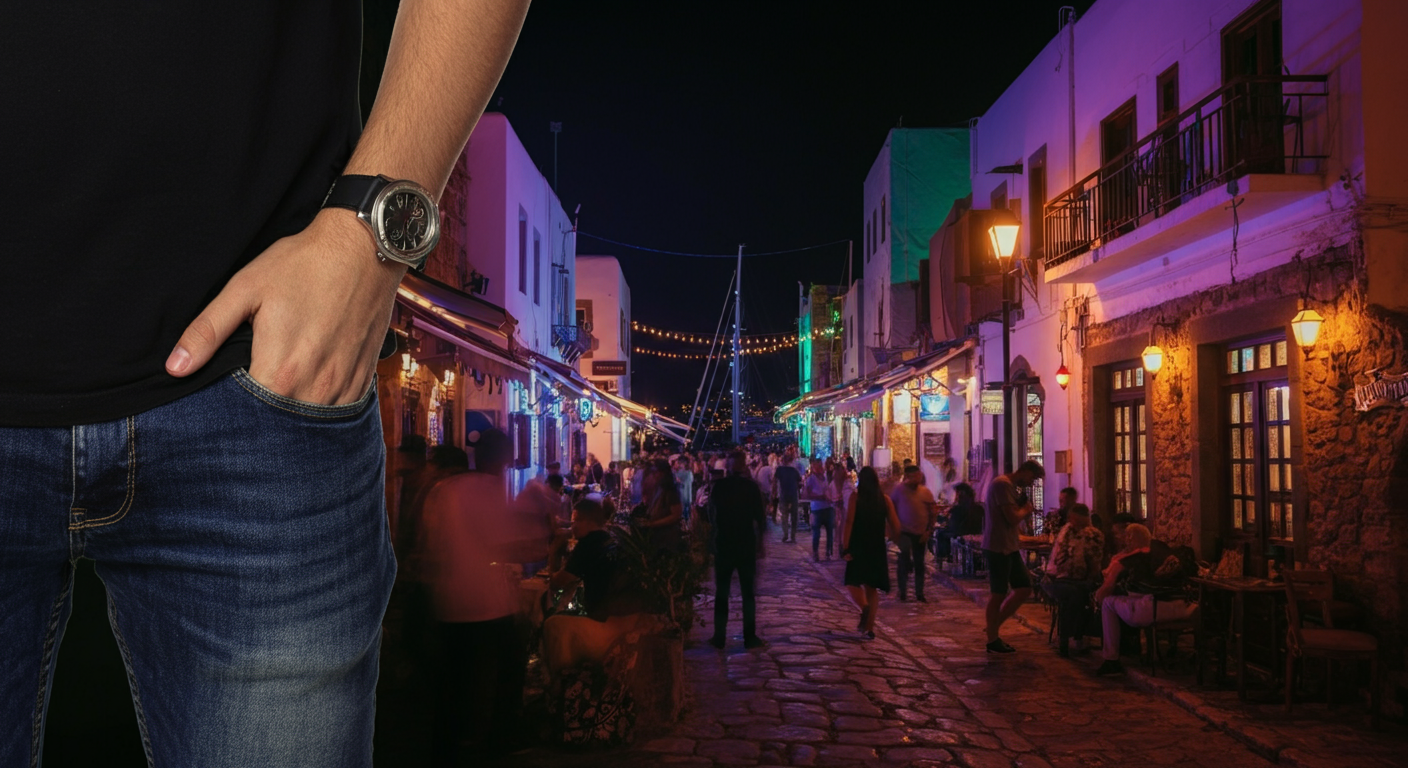
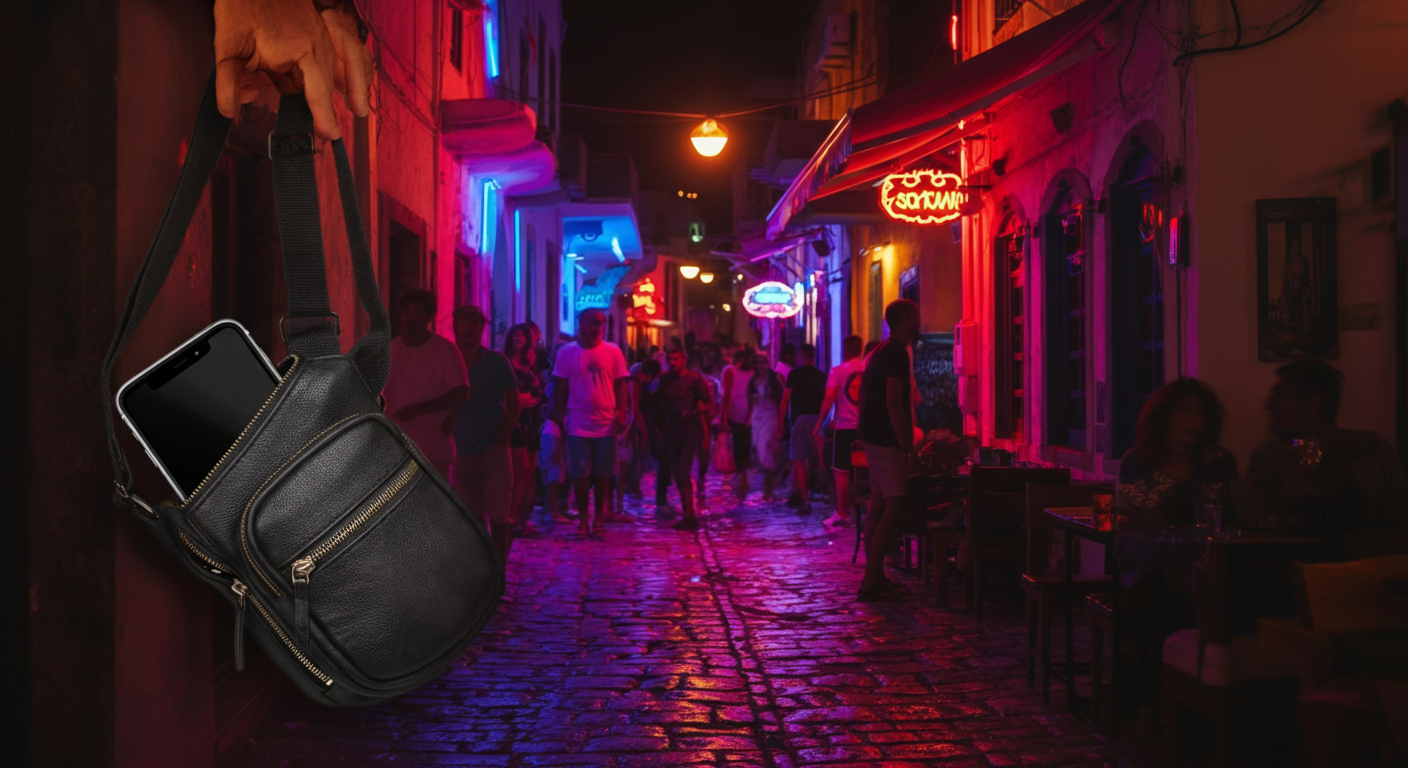
- Night out habit: in areas like Ortaköy (Istanbul), Kaleiçi (Antalya old town) and Bodrum marina, keep wallets in front pockets and never hang bags on chair backs.
- If something goes missing: block cards immediately, report to local police (polis) and contact your travel insurer; many travellers recover costs if they have documentation.
To make your trip to Turkey as smooth as possible, build a few simple habits around where you keep your money and phone, how you stand on trams and in bazaars, and how you organise your day bag. These everyday routines typically matter far more than specialist security gear and will help you move confidently through Istanbul, Antalya, Bodrum, Cappadocia and beyond.
Why Pickpocket Awareness Matters in Turkey (Without the Drama)
Turkey is one of the most popular holiday destinations for UK residents, with busy resorts, historic centres and vibrant bazaars. In these crowded places, pickpocketing and bag tampering can happen, just as in London or Barcelona. The aim is not to worry you, but to help you move around with the calm confidence of someone who looks switched on.
Simple rule: behave as you would on a packed Tube train in central London on a Saturday – alert, but still enjoying yourself.
Know the Real-World Hotspots (By Area and Street)
Rather than vague warnings, it helps to know the types of places – and even specific streets and routes – where it makes sense to be a little more aware.
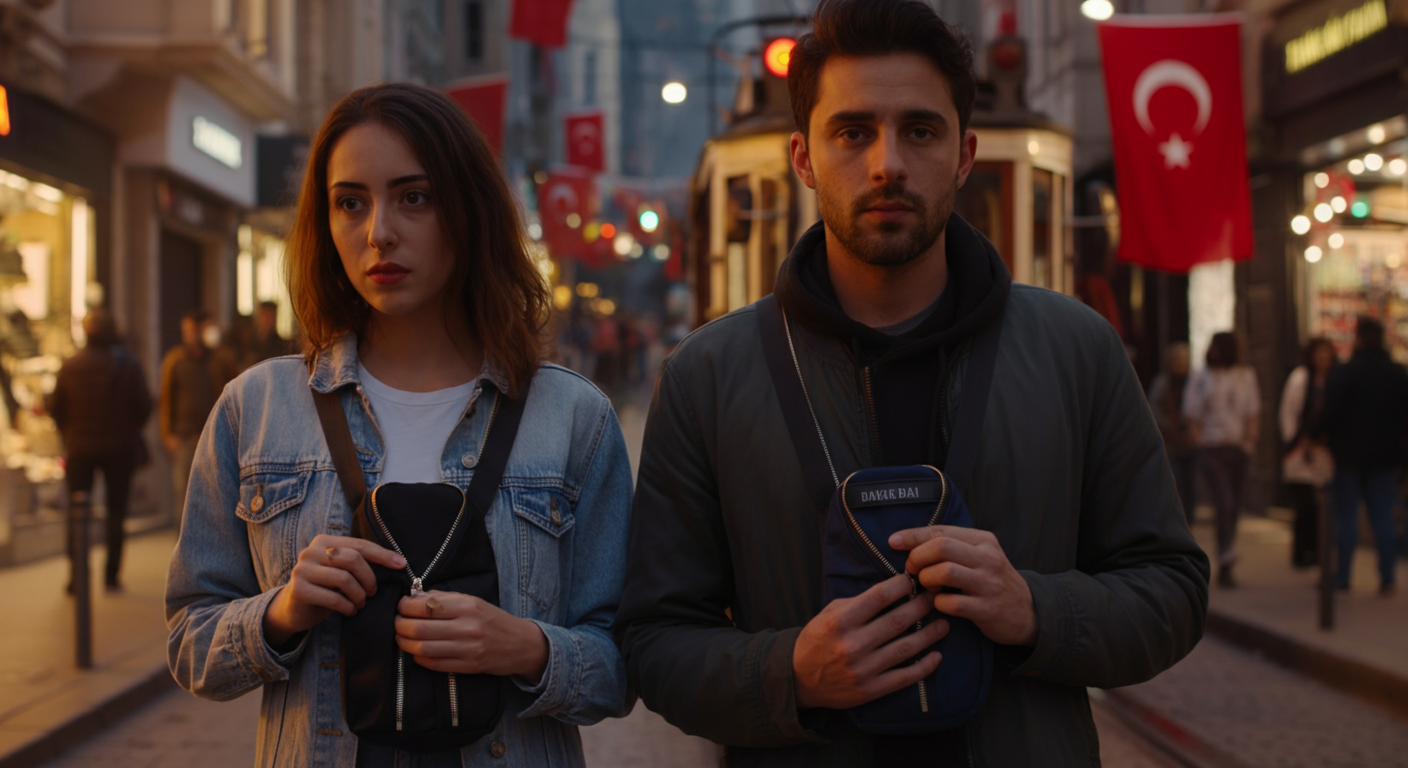
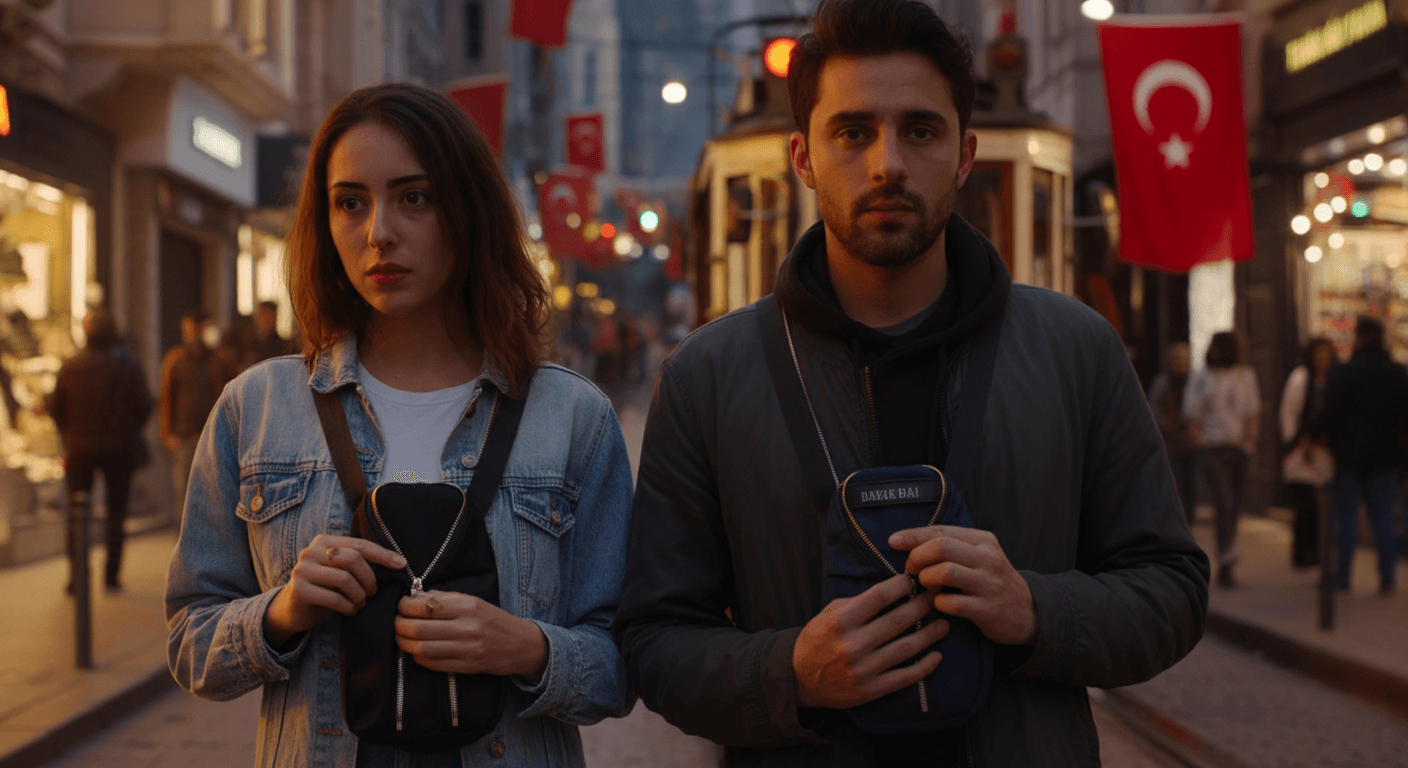
Istanbul: Where to Dial Up Your Awareness
Istanbul is typically very welcoming to visitors, but its busiest spots can attract opportunistic pickpockets, especially where people are distracted by views, photos or shopping.
- Istiklal Caddesi (Beyoğlu): A long pedestrian avenue linking Taksim Square to Tünel. Very crowded in the evenings and at weekends. Watch out around side alleys and busking spots where groups gather.
- T1 tram line between Sultanahmet, Eminönü and Kabataş: These trams can be extremely full; phone snatching from open pockets or bags has been reported by visitors.
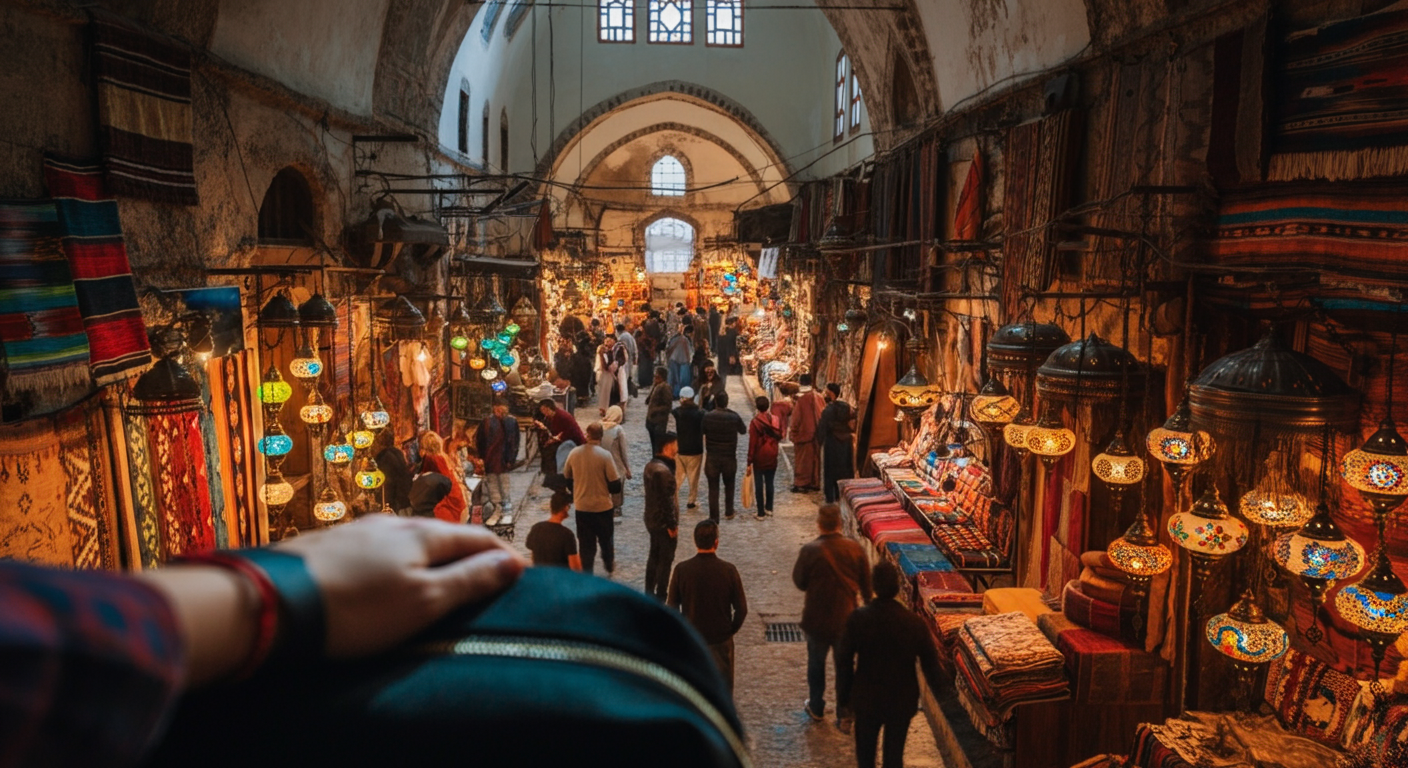
- Grand Bazaar area (Kapalıçarşı): The bazaar’s covered streets, such as Kalpakçılar Caddesi, get congested. Many travellers find a zipped cross-body bag in front of them works well here.
- Spice Bazaar (Mısır Çarşısı) and the nearby Eminönü ferry docks: Pickpockets sometimes take advantage of crowds boarding ferries to Üsküdar or Kadıköy.
- Galata Bridge and the lower walkway: Spectacular views but narrow pavements; keep your phone secure when taking photos.
Antalya: Beachfronts, Trams and Old Town Lanes
Antalya combines city life with beaches, so habits need to adapt from tram to sunbed.
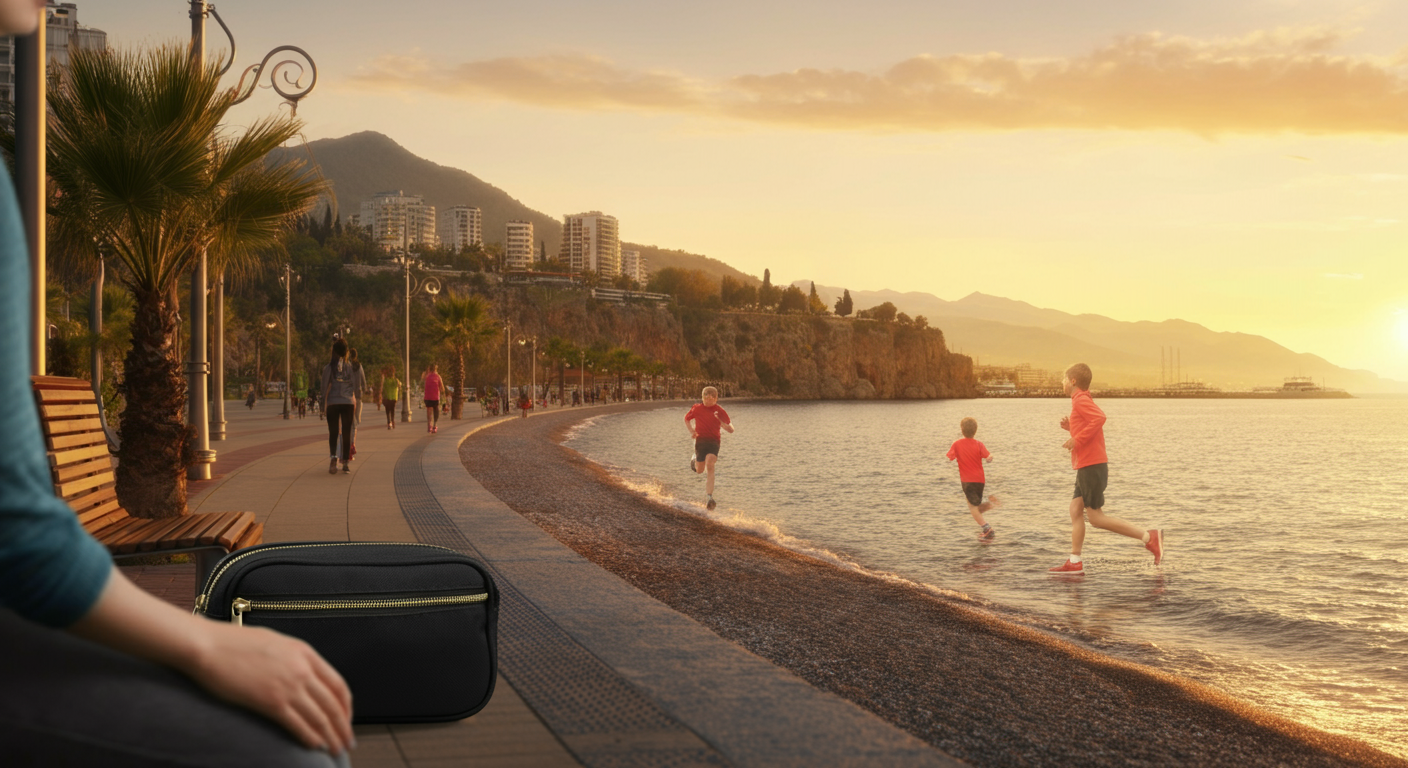
- Konyaalti Beach promenade: The long seafront path, especially near Kent Meydanı and beach parks, is busy at sunset; keep small bags fastened when sitting on benches.
- Lara Beach road around the main shopping stretch: People often carry beach bags and shopping at the same time; avoid open-top bags with wallets on top.
- AntRay tram line, particularly between Muratpaşa and the Otogar (bus station): Rush hours can be crowded; keep rucksacks worn on the front.
- Kaleiçi (Antalya Old Town): Pretty, narrow streets like Hesapçı Sokak and Hamam Sokak are lovely but can be busy at night; keep valuables zipped away when stopping for photos.
Bodrum and Aegean Resorts: Bars, Marinas and Dolmuş Routes
Aegean coastal towns typically feel relaxed, but some nightlife and transport habits are worth fixing in advance.
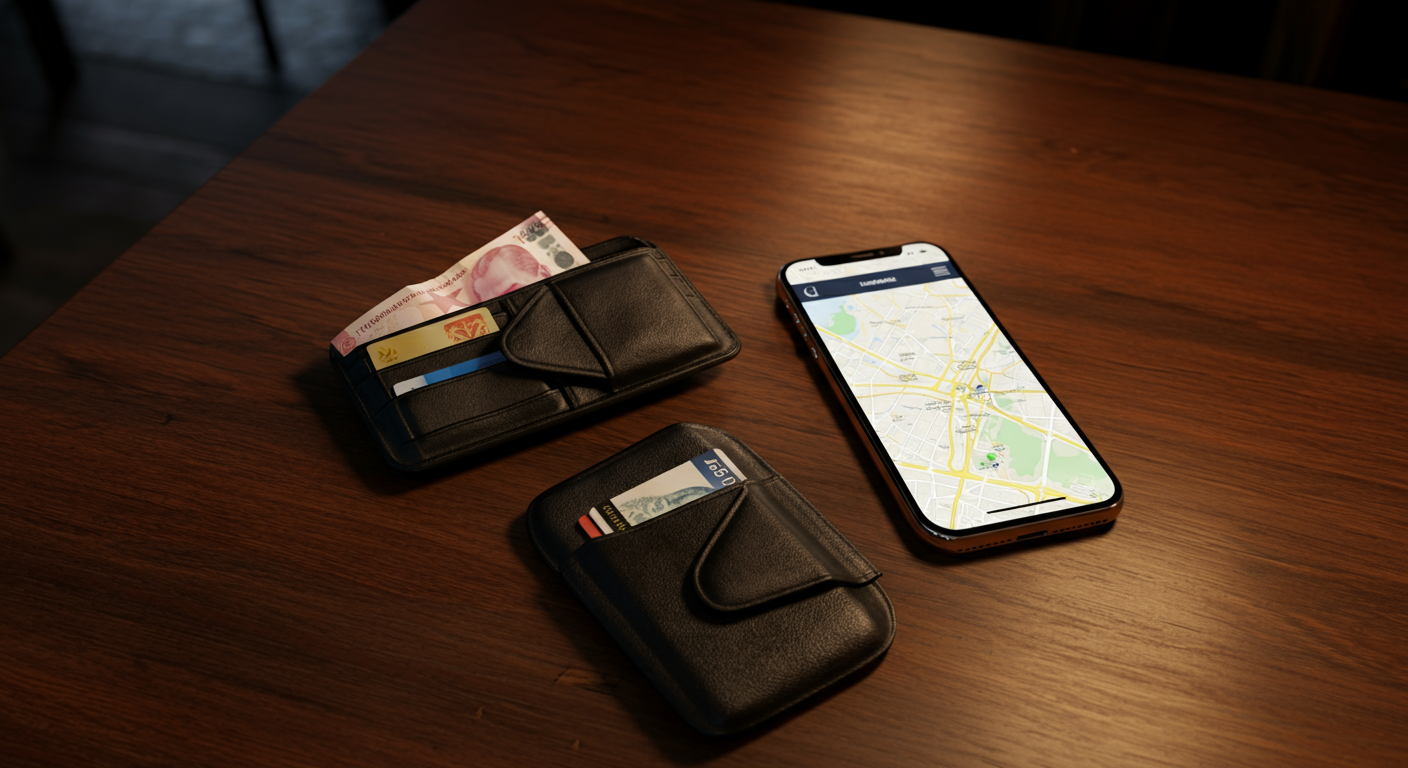
- Bodrum Barlar Sokagi (Bars Street): Loud music, crowds and people dancing in the street. Many travellers keep just a bank card, a bit of cash and a photocopy of their passport here, not the full wallet.
- Bodrum marina promenade from the castle area towards the yacht berths: Cafés along the water are pleasant; just keep bags on your lap rather than hanging on chair backs.
- Dolmuş routes like Bodrum–Gümbet–Bitez: Minibuses can be standing-room only in high season. Keep phones out of back pockets when squeezing past people.
- Other resort town bar streets, such as the nightlife zones in Kuşadası and Marmaris, have similar conditions: loud, crowded, lots of movement.
Cappadocia, Ankara and Elsewhere
- Göreme and Ürgüp: Trailheads and sunrise viewpoints, especially paths approaching Göreme Open Air Museum, get busy when balloons fly. Avoid leaving camera bags unattended on rocks while taking photos.
- Ankara Kızılay Square: Main metro and bus hub. Use the same habits you would in a city centre in the UK.
Build a Layered System for Money, Cards and Passport
A simple “layered” approach greatly reduces the impact if anything does go missing.
Layer 1 – Small, Sacrificial Spending Pocket
This is what you actually use during the day.
- Keep a small amount of Turkish lira (for example 300–600 TRY, depending on your plans) in an easy-to-reach pocket.
- Add one main bank card and possibly your UK driving licence as secondary ID, if you are comfortable with that.
- Use this layer to pay at cafés in Kadıköy, for simits (sesame bread rings) along the Galata Bridge, or ice creams on Konyaalti Beach.
UK-friendly tip: Treat this pocket like contactless use in London – convenient, but not where you keep every card you own.
Layer 2 – Deep Storage on Your Body
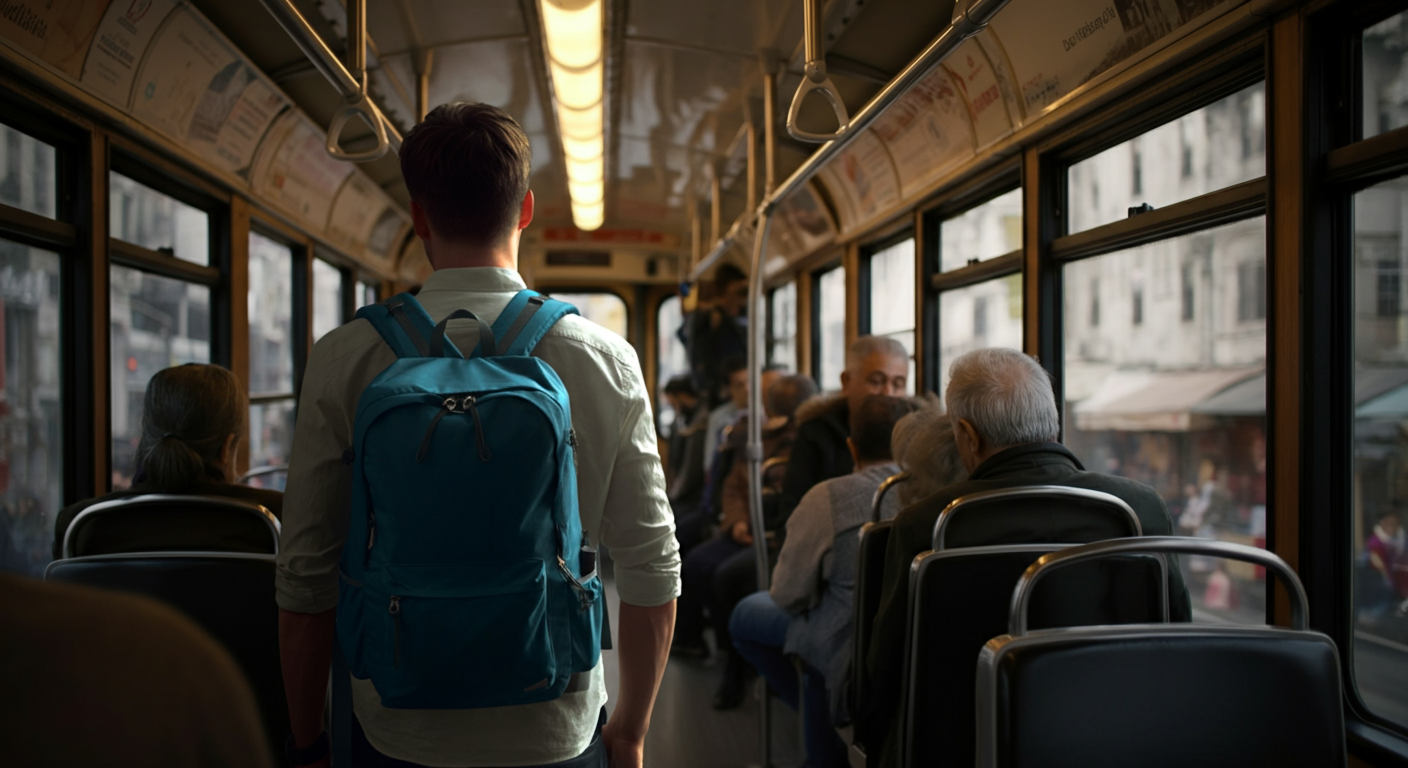
- Use a hidden money belt worn under clothing, or an inner jacket pocket that zips closed.
- Store backup cards, a larger amount of cash and a paper photocopy of your passport photo page.
- On long days (for example sightseeing in Sultanahmet then ferry across to Kadıköy), top up your Layer 1 cash from this secure layer in a quiet café corner.
Layer 3 – At Your Accommodation Base
While you should not name or rely blindly on hotel safes, a simple routine helps:
- Leave your physical passport, extra cards and emergency cash locked away at your base whenever you do not need them.
- Keep a photo of your passport on your phone and cloud storage, but use a PIN or biometric lock.
- Use separate hiding spots in your luggage (e.g. one envelope in a shoe, another in a zipped inner pocket) for true emergency funds.
Pocket and Bag Habits That Work in Turkish Cities
Most incidents reported by travellers involve phones and wallets taken from easy places: open bags, gaping rucksacks, back pockets. Changing how you carry things is often enough.
Best Places to Carry Valuables
- Front trouser pockets for wallets and phones – especially along Istiklal Caddesi, on T1 trams and in crowded dolmuşes.
- Cross-body bags, worn across the chest, main compartment zipped and kept in front of you.
- Inner zipped jacket pockets for passports and backup cards.
Avoid back pockets on trams from Eminönü to Sultanahmet or on the Antalya AntRay during rush hour – these are easy targets in packed carriages.
How to Stand on Trams, Metro and Dolmuş
- On Istanbul’s T1 and M2 lines, stand with your bag’s zip facing your chest, one hand lightly resting on it.
- On Antalya’s tram or Izmir’s İZBAN trains, avoid putting bags on overhead racks in crowded carriages; keep them at your feet with a strap around your ankle if seated.
- On dolmuşes (e.g. Bodrum–Turgutreis, Antalya city routes), keep phones away while boarding and paying – do not place them on seats beside you.
Bazaar, Market and Street Food Etiquette
Bazaars are highlights of a trip to Turkey, especially for UK visitors used to more formal shopping centres. The main adjustment is to keep your hands free and your bag closed.
Istanbul’s Grand Bazaar and Spice Bazaar
- Stick to a cross-body bag with a single main compartment, zipped shut, in front of you as you walk the lanes between Kalpakçılar Caddesi and Yağlıkçılar Caddesi.
- Do not count thick bundles of cash in the middle of an alley; instead, step into a quieter corner or near a pillar to settle payments.
- When buying lokum (Turkish delight) or spices near the Mısır Çarşısı entrances, avoid placing your phone on the counter behind you while you turn to talk.
Local Markets: Antalya, Bodrum and Izmir
- At Antalya’s Cuma Pazarı and Bodrum’s weekly bazaar near Çarşı Mahallesi, keep rucksacks zipped and worn on the front when stalls are shoulder-to-shoulder.
- Carry small notes for buying fresh pide, bazlama or simit so you are not pulling out a thick wallet for every snack.
- Use a reusable tote or simple market bag for goods, but keep money and phone on your person, not in that bag.
Beach, Pool and Boat Trip Habits
Sunny coastal days can lead to relaxed habits that pickpockets occasionally exploit, especially on busy promenades and shared boat trips.
Beaches: Konyaalti, Lara, Bodrum and the Turquoise Coast
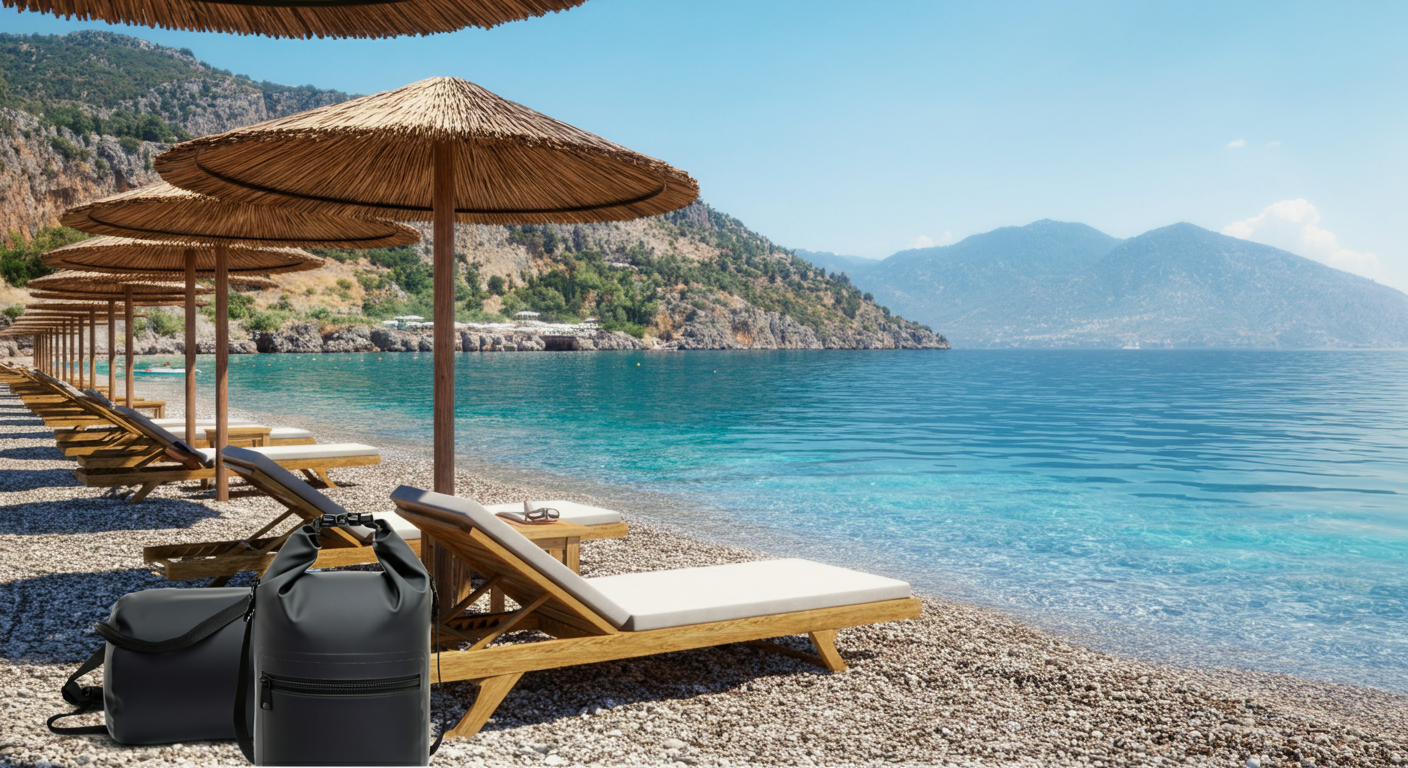
- Bring only what you genuinely need to the beach: one card, limited cash and a phone. Leave passports and spare cards at your base.
- On Konyaalti and Lara beaches, do not leave phones half-exposed at the corner of your towel. Keep them fully hidden in a zipped compartment inside your bag.
- Along Bodrum’s central beach fronts or Marmaris promenade, agree a simple rotation: one person in your group stays lying near the bags when others go for a swim.
Boat Trips and Gulet Cruises
- On shared day trips from Fethiye, Bodrum or Marmaris, take a very small dry bag with only essentials, and keep it clipped to a fixed point when you swim.
- Do not leave wallets and phones in your shoes on the pier at departure points like Bodrum tekne turları iskelesi (day-boat harbour).
- Use a simple waterproof pouch on a lanyard for a single bank card and some cash; store your main wallet back at your base.
Using Taxis, Ride-Hailing and Night Buses
While most taxi and bus journeys are straightforward, the routines below keep you in control.
Taxi and Ride-Hailing Habits
- In Istanbul and Ankara, get in the habit of keeping your phone firmly in hand when checking the route on a map app, not placing it on the seat.
- Pay with smaller notes to avoid opening a wallet full of cash late at night near Taksim or Kadıköy ferry piers.
- When you step out, do a quick three‑item check: phone, wallet, small bag – before the taxi drives off.
Intercity Coaches and Night Buses
- At major bus terminals like Istanbul’s Esenler Otogarı or Antalya Otogar, keep your day bag on your lap while you wait, not on the floor behind your legs.
- On the bus, store large luggage in the hold but keep all money, passport and electronics in a small bag with you.
- If you sleep, wrap a strap from your bag around your arm or leg so any movement wakes you.
Phones, Cards and Digital Safety
Many UK travellers are more concerned about losing smartphones than cash. Combine physical habits with a few digital protections.
Phone Safety on the Go
- On Istiklal Caddesi, near Taksim and around Sultanahmet, avoid holding your phone loosely on the street edge while messaging; step inside a doorway or café entrance if you need to type.
- Use a wrist strap or phone lanyard if you will be taking constant photos (for example in Cappadocia at sunrise or around Pamukkale terraces).
- Enable device‑finder services (iOS “Find My iPhone”, Android equivalents) before travelling.
Card and Banking Precautions
- Split your bank cards between at least two locations: one in your spending pocket, one in deeper storage.
- Use virtual card numbers or app-based cards where possible so you can freeze them instantly.
- Keep 24/7 UK bank emergency numbers saved offline (printed or written in a notebook as well as in your phone).
What to Do If Something Goes Missing
If a wallet or phone disappears in Turkey, staying structured helps you limit damage and support any insurance claim.
Immediate Steps (First Hour)
- Move to a calmer spot: Step into a café or shop away from the crowd (for example, off Istiklal Caddesi into a side street like Asmalımescit).
- List what is actually missing: phone, which cards, any ID, keys.
- Block cards: Use your banking app or call your UK banks. Many travellers keep a printed list of card numbers and contact lines.
- Activate device‑finder and remote wipe if your phone has been taken.
Reporting in Turkey
- Find the nearest polis station (police). In Istanbul’s historic peninsula you will see stations near Sultanahmet Meydanı and Eminönü.
- Explain calmly what happened; translation support is sometimes available, but not guaranteed. Insurance companies typically value a written report even if items are not recovered.
- If your passport is lost, contact the nearest British Embassy or Consulate. For Istanbul and Ankara, check the most current location and opening hours on official UK government sites.
Insurance and Replacement
- Travel insurers often ask for a police report and proof of purchase or IMEI numbers for phones. Note these down before travelling.
- Claims for cash limits can vary; check your own policy for maximum amounts and conditions.
- If your phone is your only navigation tool, consider buying a simple local handset or using printed maps temporarily.
Budgeting, Prices and Practical Numbers
While prices change with exchange rates and inflation, these ranges give you a working idea. Always check recent figures before you travel.
Daily Cash Needs (Approximate)
- City day (trams, casual meals, attractions): many travellers manage with the equivalent of £25–£50 in Turkish lira per day per person.
- Beach resort day with some activities (sunbed hire, snacks, a simple boat trip): roughly £30–£60 per person, depending on choices.
Simple rule: Only carry the cash you reasonably expect to use that day; the rest can stay locked at your base.
Transport Costs (Indicative)
- Istanbul tram/metro/bus journeys with an Istanbulkart typically cost the equivalent of well under £1 per ride.
- Urban dolmuş rides in resort towns are often in the range of a few tens of lira (commuter level fares).
- Intercity coaches can be good value for long distances compared with UK rail; check current prices on operator websites.
For specific visa fees or entry charges, always check official sources, as these can change.
Travelling as a Family, Couple or Solo
Your habits may vary depending on who you are travelling with, but the same principles apply.
Families with Children
- Give older children a basic card with low limits and teach them to keep it in a front pocket.
- Use a designated “family bag” for snacks, suncream and spare clothes; keep money in a separate, adult‑only bag.
- In places like the Grand Bazaar or Antalya old town, agree a simple meeting point (for example a specific fountain or gate) if anyone gets separated.
Couples
- Split important items between you – one person holds both passports at the base, the other holds the backup card.
- When one shops, the other keeps an eye on surroundings and bags.
Solo Travellers
- Stick to the layered system more strictly – especially having an emergency card and some cash hidden at your base.
- At night in busy nightlife areas like Barlar Sokagi or Kaleiçi, keep valuables to a minimum and stay on well‑lit main routes.
Building a Simple Daily Routine (Sample)
Here is how a typical pickpocket‑aware day in Istanbul might look for a UK visitor.
- Morning at your base: Leave passports and spare cards locked away. Load 400–600 TRY and one card into your spending wallet. Put backup card into a money belt.
- On the tram to Sultanahmet (T1): Rucksack worn on your front, one hand on zip. Phone inside bag between stops.
- At lunch near Sultanahmet Meydanı: Sit where you can see your bag. Wallet returns to front pocket immediately after paying.
- Shopping around the Grand Bazaar: Switch to cross‑body bag, firmly zipped. Top up small change from a note in a quiet side lane.
- Evening on Istiklal Caddesi: Carry the bare minimum: one card, some cash, phone. Keep everything in front pockets or cross‑body bag.
- Back at your base: Return any unused cash and card to deeper storage; quickly check that all main items are where you expect.
UK-friendly tip: If a habit feels excessive in a quiet area – for example a sleepy back street in Göreme – you can relax it slightly. But when you enter a tram, bazaar, ferry queue or bar street, always switch your “city mode” back on.
Suggested Related Reads on yeriniayir.com
- How to Use Public Transport in Istanbul: A Clear Guide for UK Visitors
- Planning a Family Holiday in Antalya: Areas, Beaches and Practical Tips
- Bodrum Nightlife vs Quiet Corners: Where to Stay and Go Out
- How to Plan a Hot Air Balloon Trip in Cappadocia from the UK
- Using Money, Cards and ATMs in Turkey: A UK Traveller’s Guide
FAQ
Is Turkey generally safe for UK tourists when it comes to pickpocketing?
Most UK visitors travel through Turkey without any incidents, especially when they use normal big‑city awareness. The key is to stay alert in busy places such as Istiklal Caddesi, the Grand Bazaar, Konyaalti promenade, dolmuş routes and bar streets, and to keep valuables in front pockets or zipped cross‑body bags rather than open rucksacks or back pockets.
Should I use a money belt in Turkey?
A money belt can be useful as part of a layered system. Many travellers keep backup cards, extra cash and a passport photocopy in the belt, while daily spending money stays in a normal wallet. The belt should be discreet and worn under clothing, not used as a wallet you access in public.
Can I carry my passport with me in Istanbul and Antalya?
You usually need some form of ID, but you do not always need your physical passport on you. Many travellers keep passports locked at their base and carry a photocopy or digital photo plus a driving licence. If a local authority specifically requests your passport, you can return to your base to retrieve it.
Are Istanbul trams and metros safe from pickpockets?
Trams and metros in Istanbul are widely used and typically orderly, but packed carriages on lines like T1 or M2 can create opportunities for pickpockets. Keep rucksacks on your front, use front pockets for wallets and phones, and avoid getting distracted near doors where people push to get off quickly.
What should I do if my phone or wallet is stolen in Turkey?
Move to a calm place, list what is missing and immediately block any bank cards via your app or emergency numbers. Activate phone tracking or remote wipe if available. Then report the incident to the nearest polis station and request a written report for insurance purposes. For lost passports, also contact the nearest British Embassy or Consulate and your travel insurer.
Is it safe to use ATMs in Turkey?
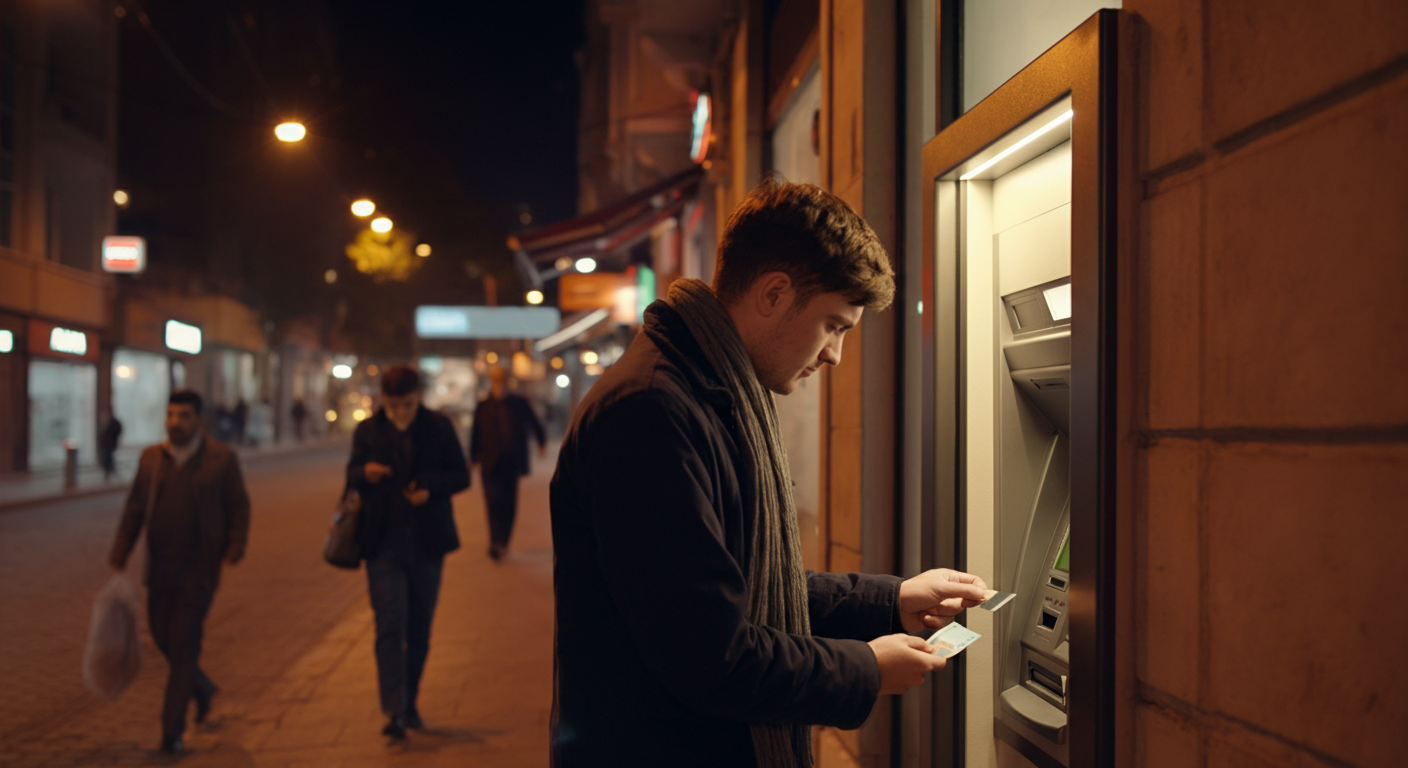
Many UK travellers use ATMs in Turkey without problems, especially those attached to major banks or located in well‑lit, busy streets such as the main roads in Kadıköy, Konyaalti or central Bodrum. As in the UK, shield your PIN, avoid machines that look tampered with and put cash away discreetly before walking off.
Do I need special anti‑theft bags or clothing?
Special anti‑theft gear can help, but it is not essential. Simple adjustments – front pockets, zipped cross‑body bags worn in front, money split between pockets and base, and keeping phones out of back pockets – typically make the biggest difference.

Melis Yıldız
Editör"Modern konfor ve estetik detaylara önem veren Melis, lüks oteller ve tasarım butik konaklamalar üzerine uzmanlaşmıştır."
Hakkında Rehberler
İstanbul’da Ulaşım Rehberi: İstanbulkart, Metro/Tramvay/Feribot Mantığı (Kafası Karışanlara)
İstanbul'da ulaşım karmaşasına son verin! İstanbulkart, metro, tramvay, otobüs ve feribot gibi toplu taşıma ağlarını kolayca anlayın.
İstanbul’da En İyi Fotoğraf/İçerik Rotası: 1 Günde Viral Kareler (Işık Saatleri + Kalabalık Stratejisi)
İstanbul'un en viral fotoğraf noktalarını keşfedin! Boğaz, Galata ve Tarihi Yarımada'da 1 günde, ışık saatleri ve kalabalık stratejileriyle mükemmel kareler yakalayın.
İstanbul Bütçe Planlayıcı: Ekonomik/Dengeli/Rahat Mod (Fiyat Vermeden Harcama Mantığı)
İstanbul gezinizi bütçenize uygun planlayın! Ekonomik, dengeli veya rahat modlarla harcama mantığını keşfederek şehri doyasıya yaşayın.
İstanbul’da Çocukla Gezi: Bebek/Çocuk Checklists + Öğle Sıcağı/Yağmur Planı
İstanbul'da çocukla gezmek artık çok kolay! Bebek/çocuk kontrol listeleri ve öğle sıcağı/yağmur için özel İstanbul gezi planları bu rehberde.
İstanbul’da “Yürüyerek Gezilecek” Semtler: 2–3 Saatlik Mini Rotalar (Harita Mantığıyla)
İstanbul'un en güzel semtlerini yürüyerek keşfedin! Tarihi yarımada ve Boğaz çevresindeki 2-3 saatlik mini rotalarla şehri deneyimleyin.

İstanbul’da Camii Ziyareti Rehberi: Giyim, Saat, Fotoğraf Kuralları (Turist İçin Basit Anlatım)
İstanbul camilerini ziyaret edecek turistler için giyim, saat ve fotoğraf kuralları rehberi. Cami ziyaretinizden önce bilmeniz gereken tüm detayları basitçe öğrenin.
İstanbul’da Dolandırılmadan Değil, “Sürpriz Yaşamadan” Gezmek: Basit Kurallar (Taksi, Menü, Tur)
İstanbul'da taksi, menü ve tur sürprizleri yaşamadan güvenle gezmek için basit kuralları keşfedin. Dolandırılmadan keyifli bir İstanbul deneyimi için ipuçları burada.
İstanbul’da “Akşam Ne Yapılır?” Rehberi: Aile/Çift/Tek Kişi İçin Güvenli ve Keyifli Plan
İstanbul'da akşam ne yapılır? Aile, çift veya tek kişi için Boğaz turu, tarihi mekanlar ve güvenli eğlence seçenekleriyle dolu rehberimizi keşfedin.
İstanbul’da Yağmurlu Gün Planı: Kapalı Mekân Rotaları (Müze + Çarşı + Kafe Akışı)
İstanbul'da yağmurlu havalarda sıkılmayın! Müzeler, tarihi çarşılar ve şirin kafelerle dolu kapalı mekan rotalarıyla keyifli bir gün geçirin.
İstanbul’da Gün Batımı Noktaları: Kalabalıksız Saatler + En İyi “Sunset Walk” Rotaları
İstanbul'da kalabalıktan uzak gün batımı noktaları ve Boğaz'da eşsiz sunset walk rotalarıyla şehrin büyüsüne kapılın.
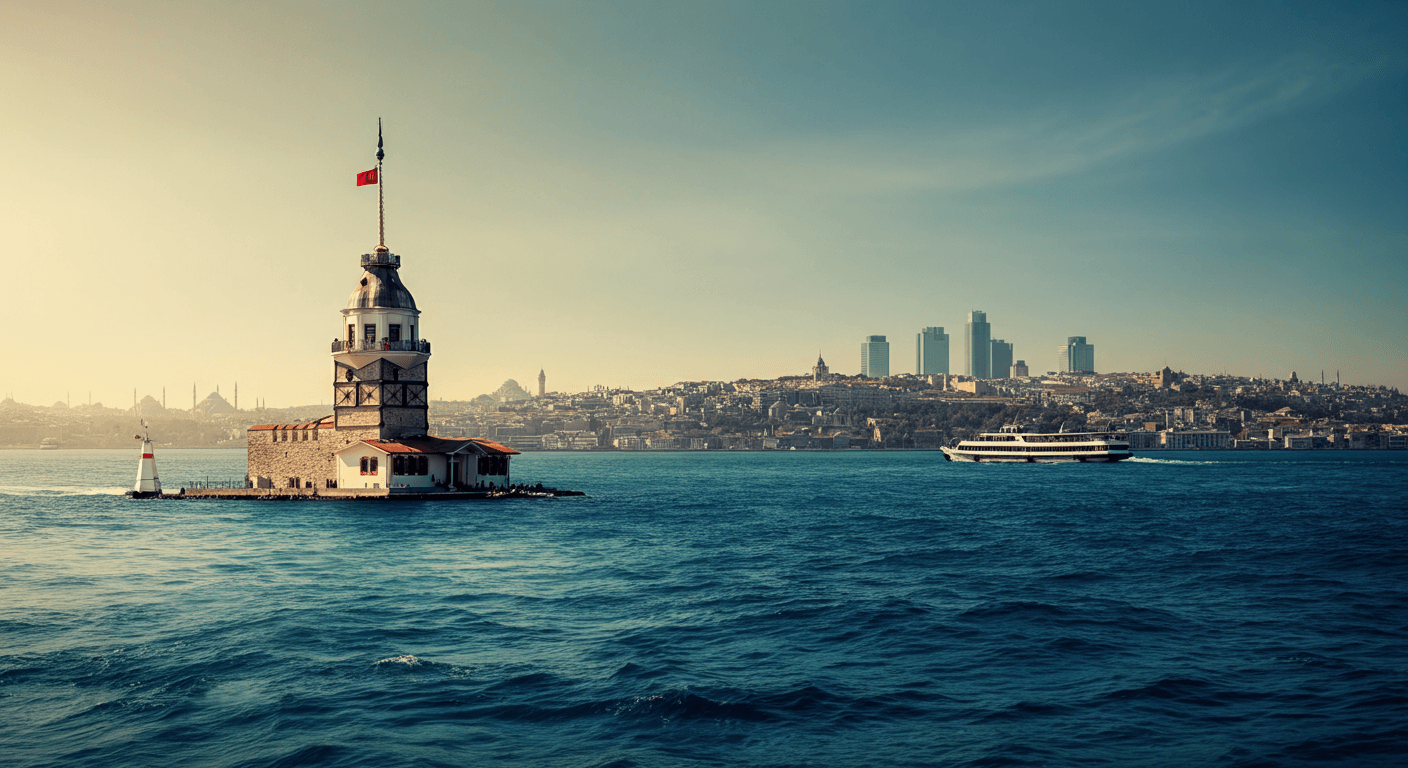
İstanbul’da 1 Günde 2 Kıta: Avrupa → Anadolu Rotası (Saat Saat + Yürüme Seviyesi)
İstanbul'da bir günde Avrupa'dan Anadolu'ya geçiş rotasını keşfedin! Saat saat planlanmış bu eşsiz gezi rehberiyle iki kıtayı yürüme seviyenize göre deneyimleyin.

Sabiha Gökçen’den Şehre En Kolay Ulaşım: Seçenekler ve Hangi Saatte Hangisi Mantıklı?
Sabiha Gökçen (SAW) havalimanından İstanbul şehir merkezine en kolay ulaşım (metro, Havabüs, taksi) seçeneklerini ve saatinize göre en mantıklı yolu keşfedin.
İstanbul Havalimanı (IST) Transfer Seçimi: Taksi mi Metro mu Özel Transfer mi? (Gece Varışı Planı)
İstanbul Havalimanı (IST) gece varışı için taksi, metro veya özel transfer mi? İstanbul'a en hızlı ve konforlu ulaşım seçeneğini keşfedin.

İstanbul’da Ulaşım Rehberi: İstanbulkart, Metro/Tramvay/Feribot Mantığı (Kafası Karışanlara)
İstanbul'da ulaşımı çözün! Turistler için İstanbulkart nasıl alınır, T1 Tramvay, M2 Metro ve vapur kullanımı, taksi tuzaklarından korunma rehberi.

İstanbul’a İlk Kez Gelenler: 3–5–7 Günlük Hazır Rota (Yormayan Plan + Esnek Günler)
İstanbul'u yorulmadan ve kaybolmadan gezmek isteyenler için saat saat planlanmış, en verimli 3 günlük, 5 günlük ve 7 günlük hazır turistik gezi rotası.

İstanbul’da Nerede Kalınır? Bölge Bölge Base Seçim Rehberi (İlk Kez Gelenler İçin)
İstanbul'da ilk kez nerede kalınır? Sultanahmet, Karaköy, Taksim, Beşiktaş ve Kadıköy bölgelerinin detaylı, artı-eksi analizli, ulaşım odaklı konaklama rehberi.
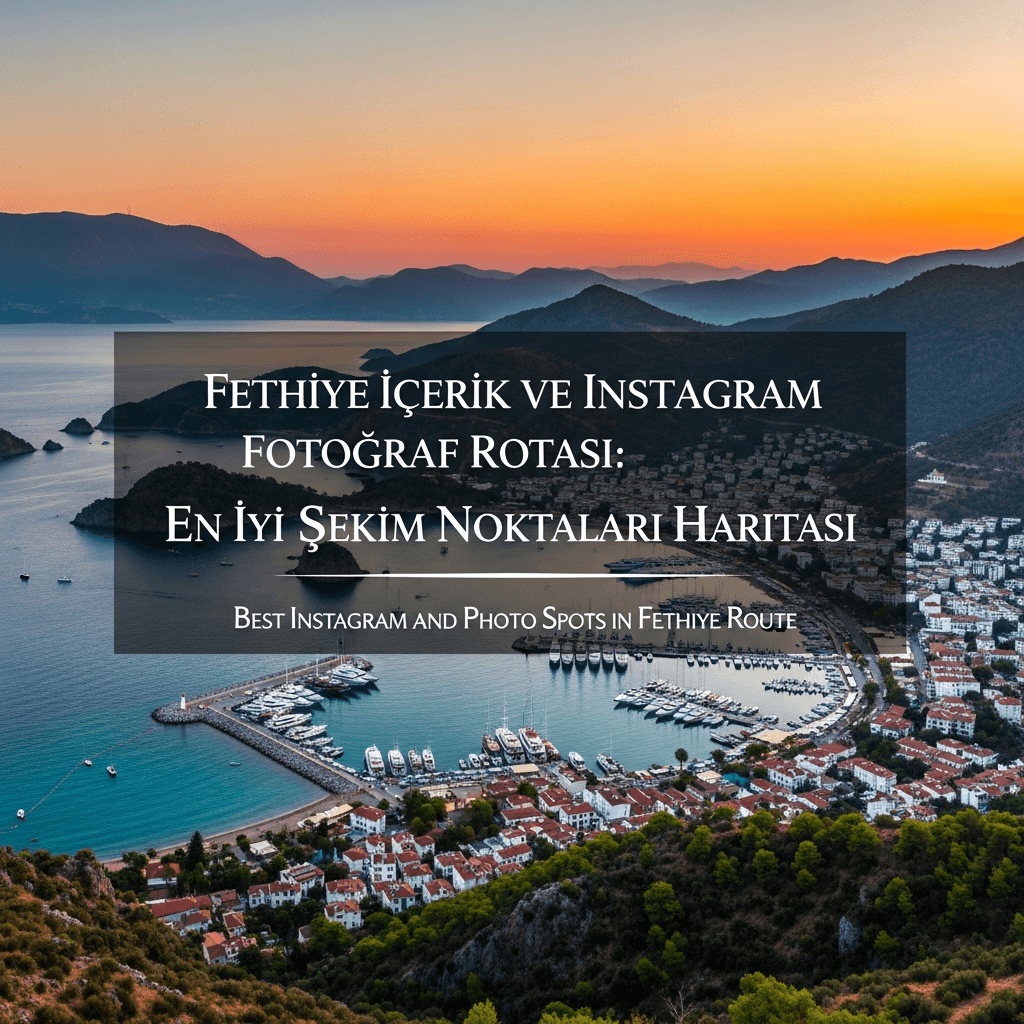
Fethiye İçerik ve Instagram Fotoğraf Rotası: En İyi Çekim Noktaları Haritası
Fethiye'nin en iyi Instagram fotoğrafı nerede çekilir? Kelebekler vadisi seyir zirvesi, Babadağ sonsuzluk terası ve SEO odaklı şemsiyeli sokak ışık rehberi.
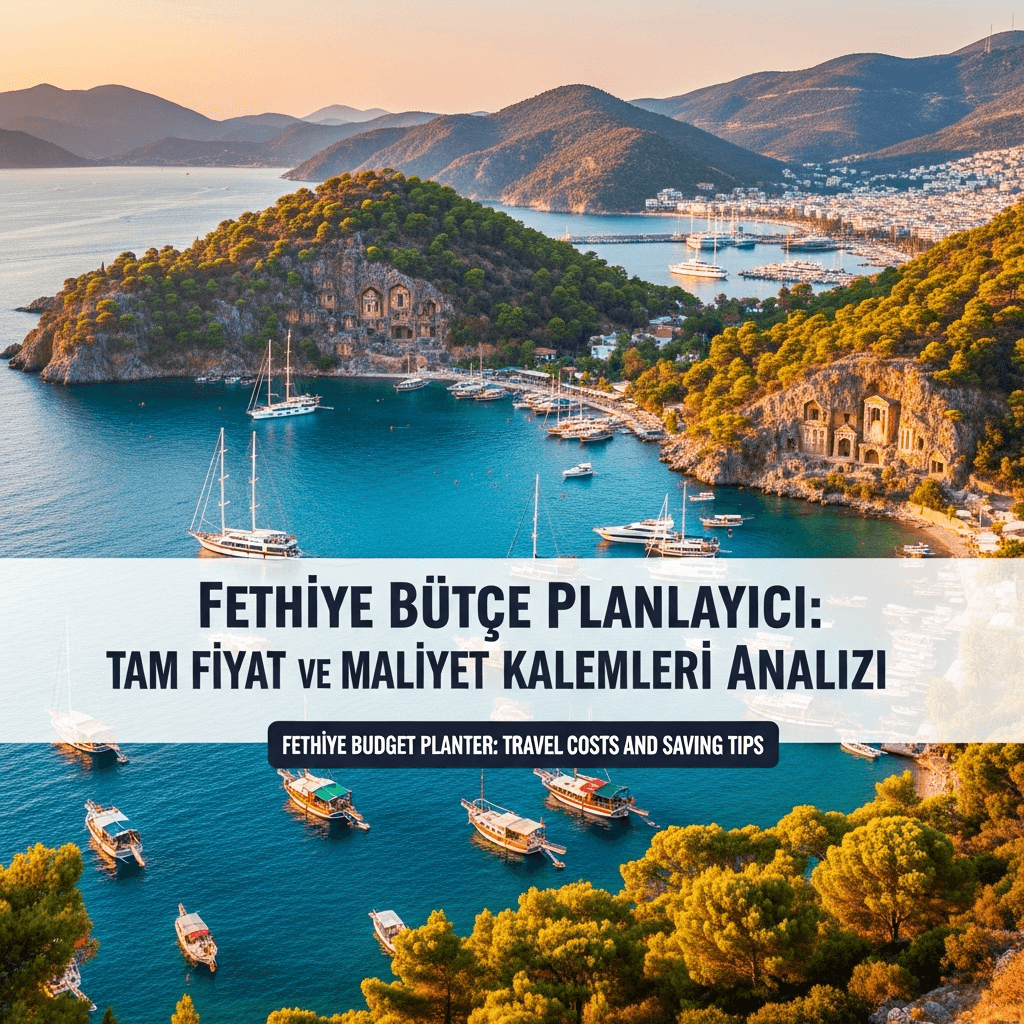
Fethiye Bütçe Planlayıcı: Tam Fiyat ve Maliyet Kalemleri Analizi
Fethiye ne kadar pahalı? 2024 ve 2025 yemek fiyatları, Dolmuş ücreti, Tekne turu ve ucuz villa otel maliyetleri hakkındaki en eksiksiz SEO tatil bütçe hesaplayıcısı.
Fethiye’de Çocukla Tatil: Güvenli Aile Otelleri ve Plajlar SEO Rehberi
Fethiye çocukla tatile gidilir mi? Bebekli ve küçük çocuklu aileler için sığ Ölüdeniz kumsalları, puset dostu Çalış sahil otelleri ve SEO etkinlik rehberi.
Fethiye'ye Ne Zaman Gidilir? Aydan Aya Hava Durumu ve En İyi Zamanlama Rehberi
Fethiye tatili için en iyi aylar. Yaz sıcaklıkları, Eylül Ekim sonbahar sükuneti ve İlkbahar deniz suyu sıcaklıkları Fethiye SEO iklim ve bavul rehberi.
Fethiye'de Plaj ve Koy Seçimi: Ölüdeniz Lagünden Kabak Koyuna Deniz Analizi
Fethiye ve Ölüdeniz'in en iyi plajları nasıl seçilir? Mavi lagün, Belcekız, Çalış kumsalı ve Kıdrak/Kabak koylarında yüzme, dalga ve SEO çocuk uygunluk rehberi.
Likya Yolu Fethiye Başlangıç Parkuru Rehberi (Ovacık - Ölüdeniz)
Fethiye'den başlayan Likya yolu etapları (Ovacık, Faralya, Kayaköy). Günübirlik yürüyüş rotaları, sarı çizgi işaretleri ve dev ekipman tablolu SEO doğa rehberi.
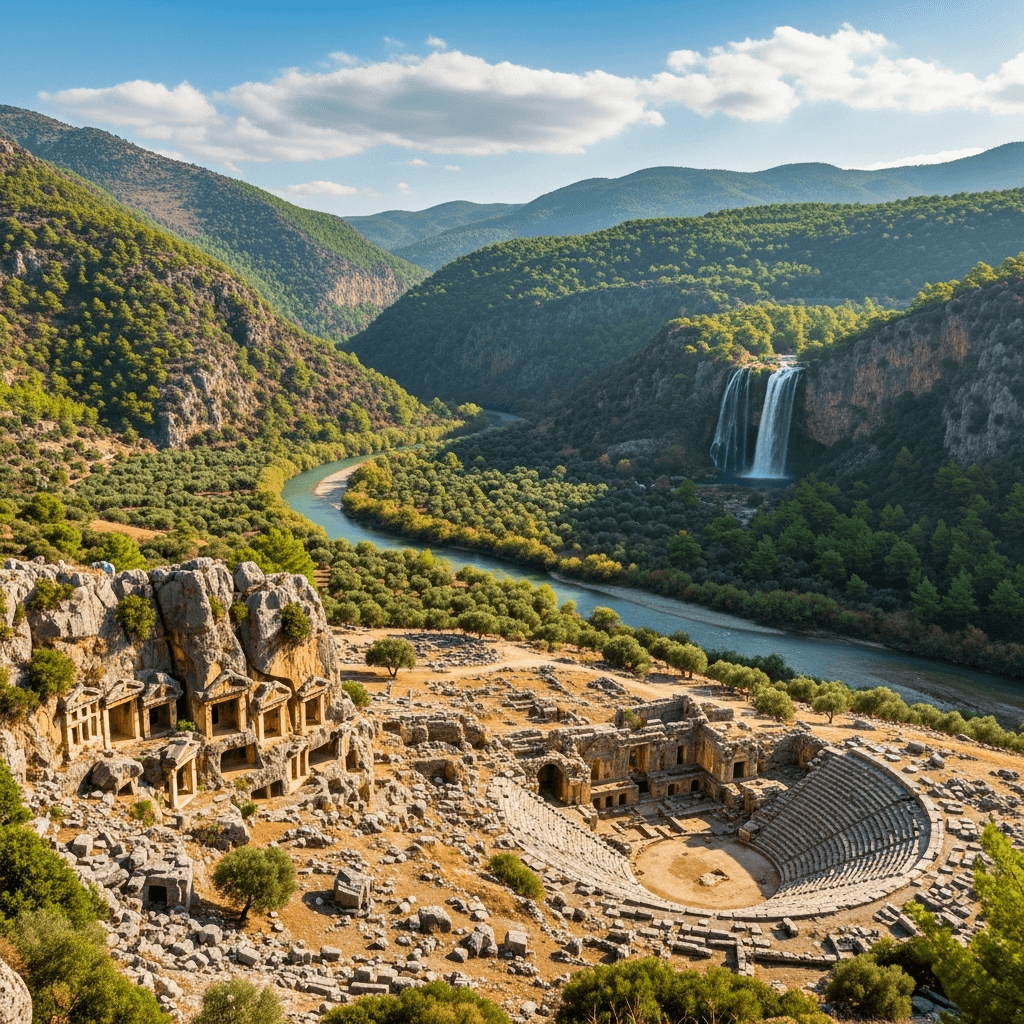
Fethiye Tlos Antik Kenti ve Yakapark Şelalesi: Saklıkent Kombinasyonu
Fethiye'de bir gün: Sabah Tlos antik kenti ve kaya mezarları gezisi, öğlen Yakapark şelalesi alabalık molası ve akşamüstü Gizlikent kanyonu. Tam gün eşsiz SEO rehberi.
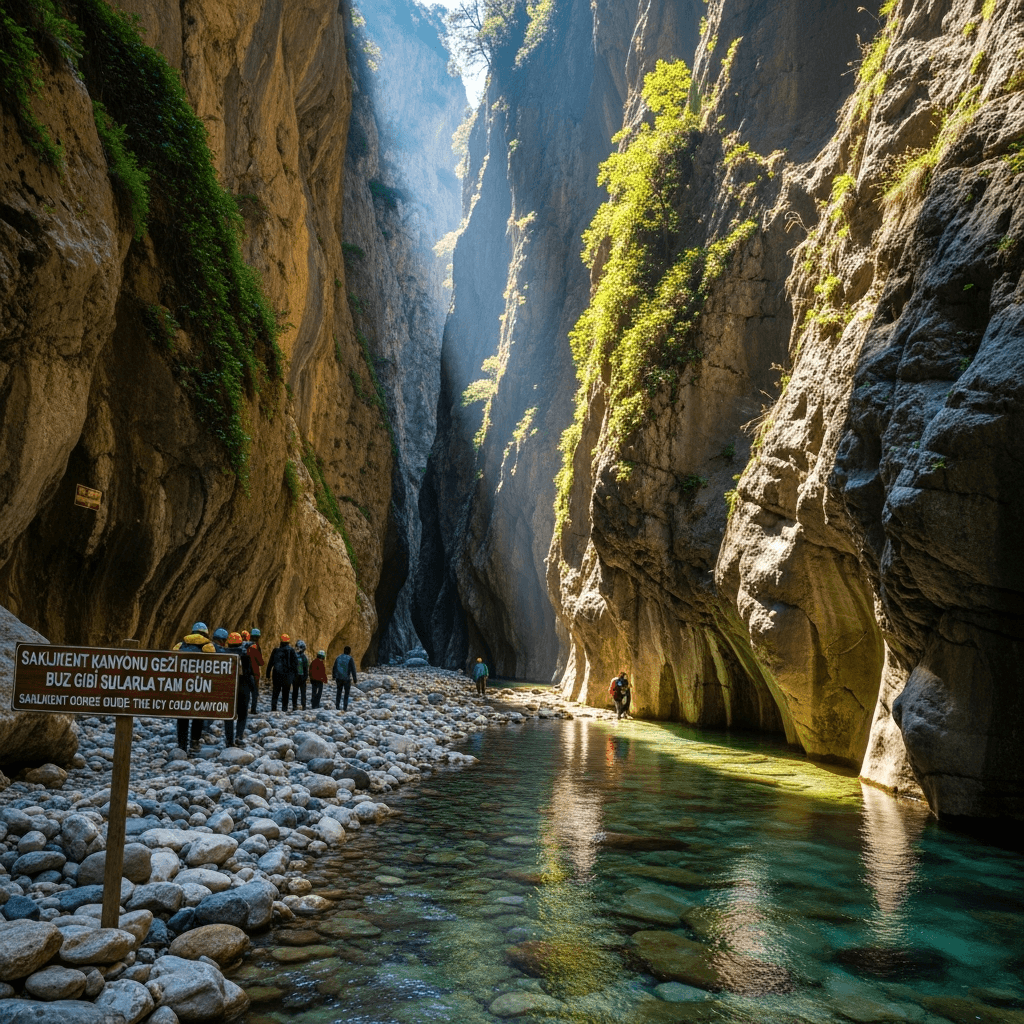
Saklıkent Kanyonu Gezi Rehberi: Buz Gibi Sularla Tam Gün
Fethiye Saklıkent kanyonu giriş ve gezi rehberi. Nehir yürüyüşü, çamur banyosu ve restoran fiyatları. Gizlikent mi Saklıkent mi kıyaslaması.
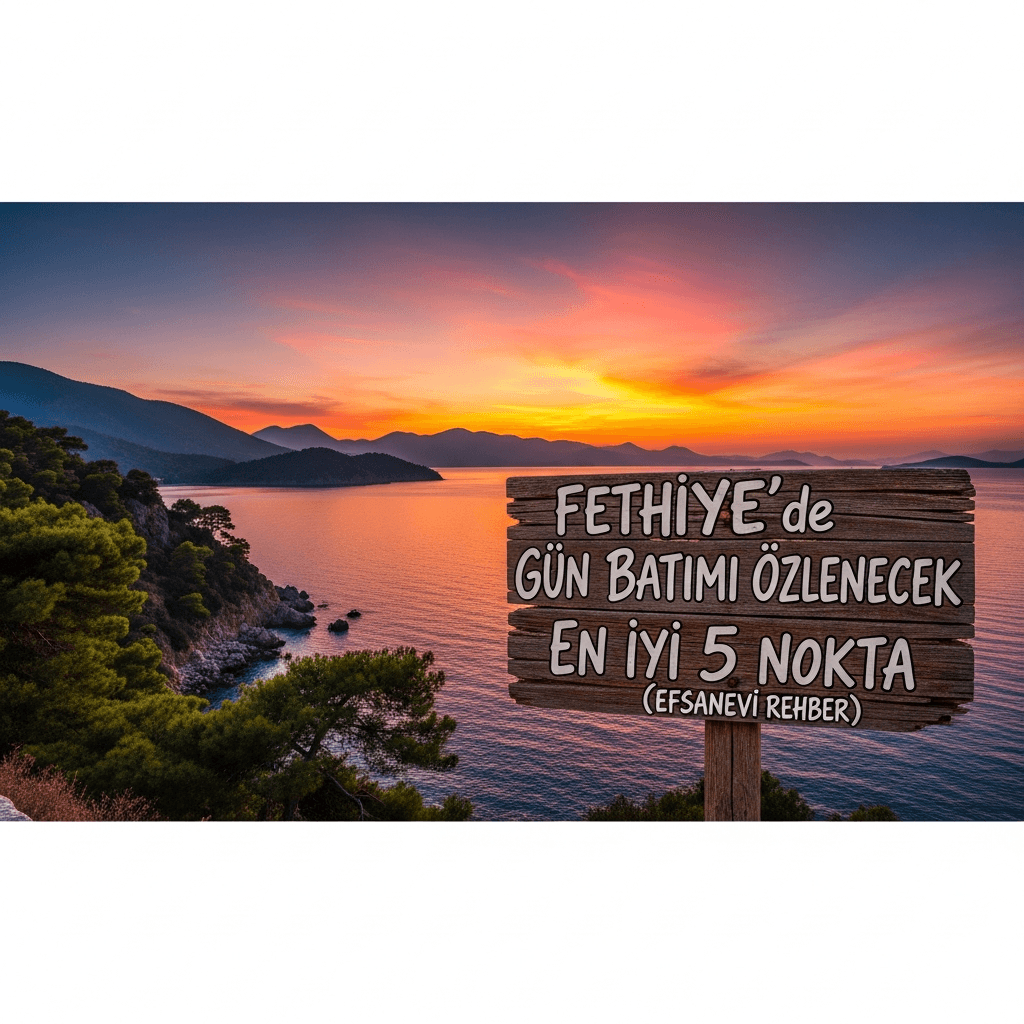
Fethiye'de Gün Batımı İzlenecek En İyi 5 Nokta (Efsanevi Rehber)
Fethiye'de gün batımı nerede izlenir? Çalış plajı, Babadağ 1700m seyir terası, Şövalye adası ve Gemiler koyu için tablolu tam SEO akşamüstü romantik rehberi.
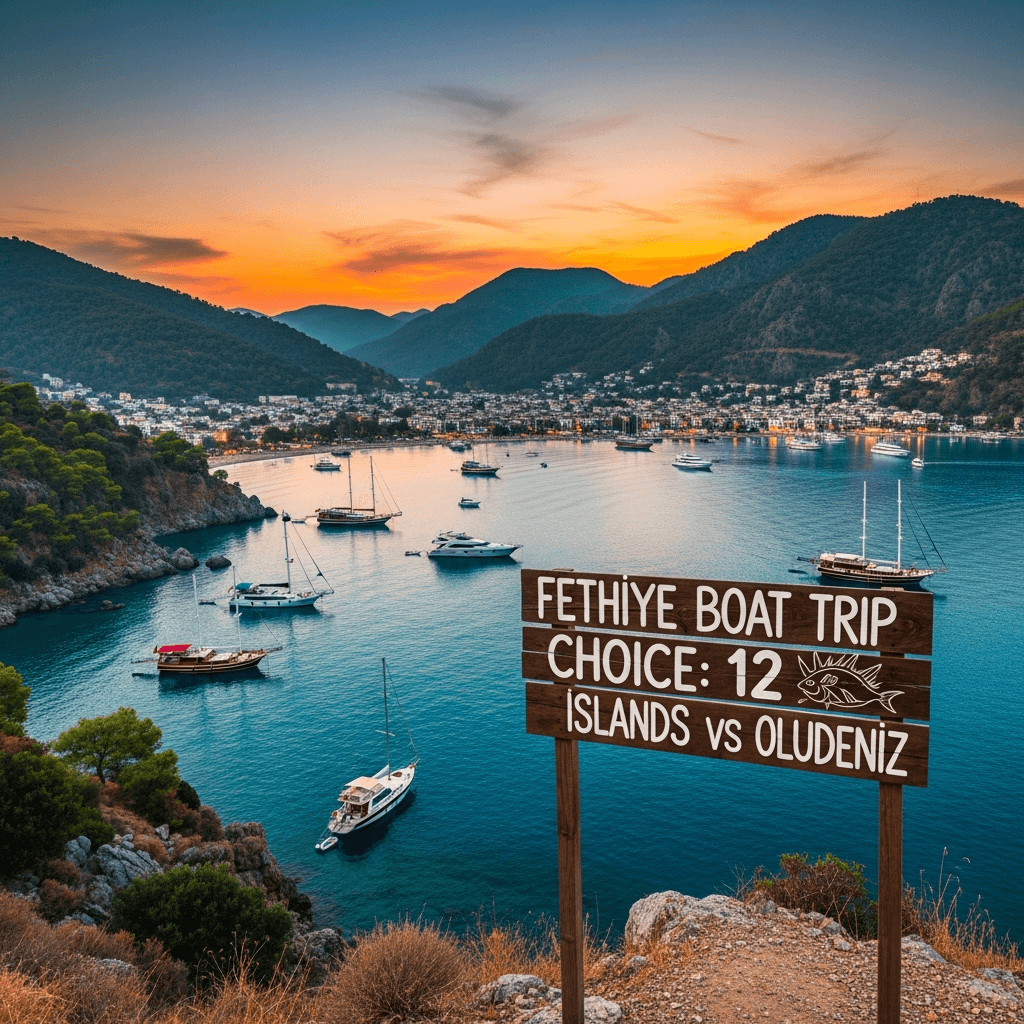
Fethiye Tekne Turu Seçme Rehberi: 12 Adalar Mı Ölüdeniz mi?
Fethiye tatilinde 12 Adalar tekne turu ile Ölüdeniz Kelebekler vadisi turu arasındaki farklar. Hangi gemi size uygun? Kıyaslama tabloları ve deniz tutması önlemleri.
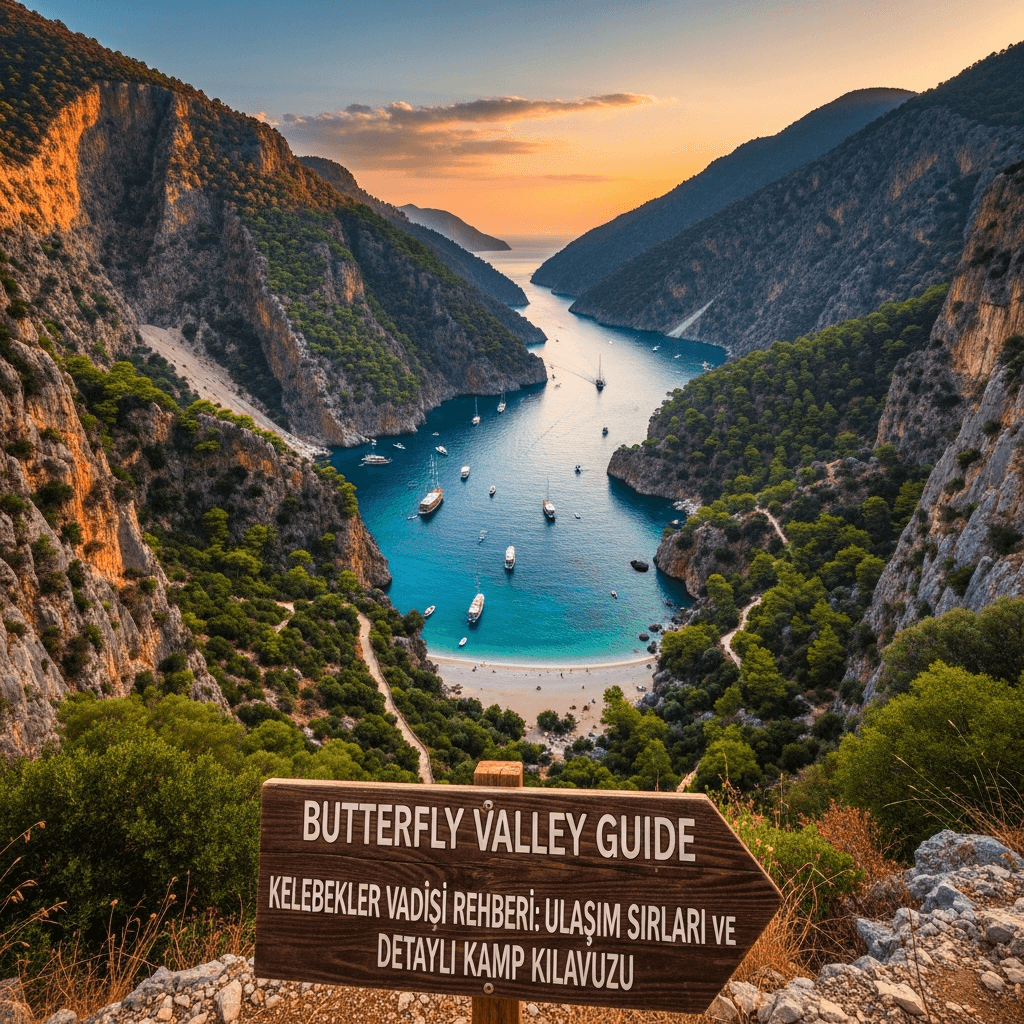
Kelebekler Vadisi Rehberi: Ulaşım Sırları ve Detaylı Kamp Kılavuzu
Fethiye Kelebekler Vadisine nasıl gidilir? Tekne ile mi karadan mı? Kamp ve şelale yürüyüşü için tablo ve maddelerle tam SEO uyumlu dev gezi planı rehberi.
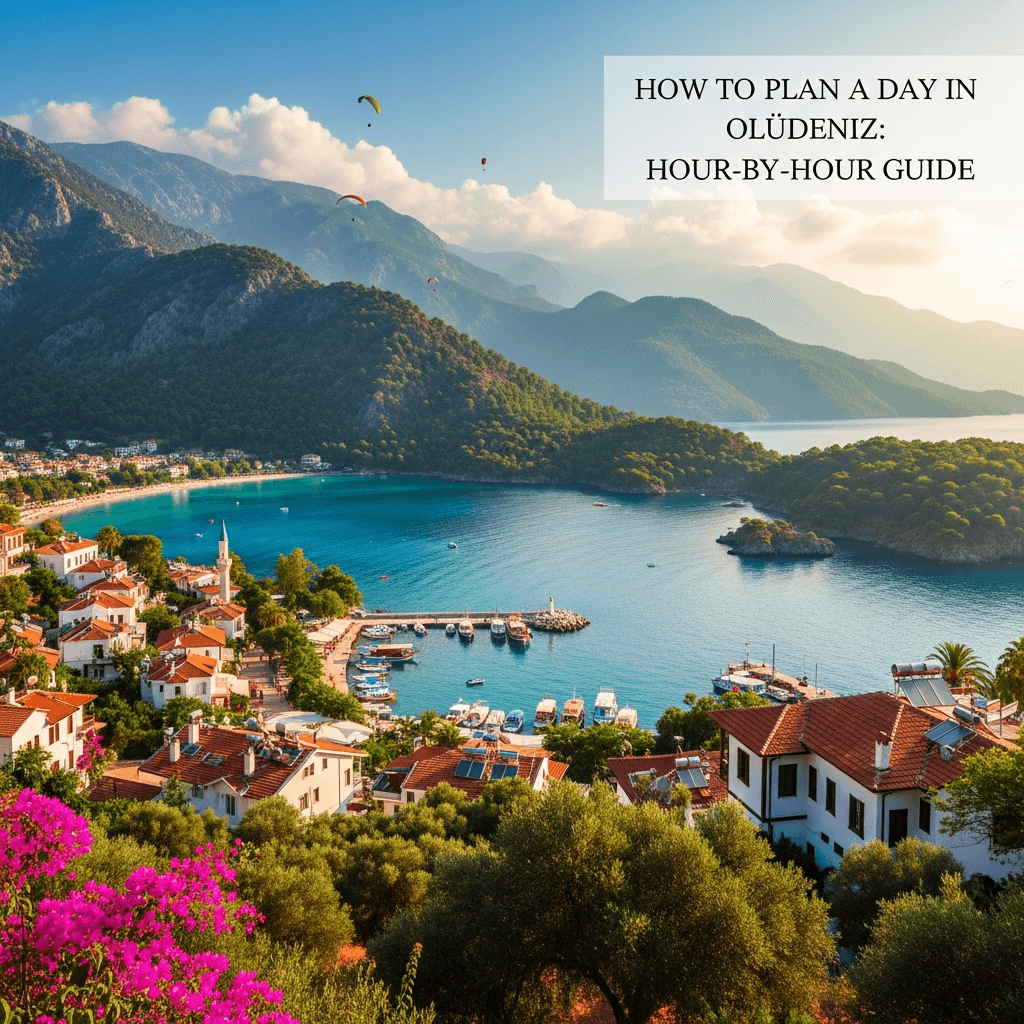
Ölüdeniz Günü Nasıl Planlanır? Kusursuz Bir Gün İçin Saat Saat Akış
Ölüdeniz, Kumburnu lagünü, Belcekız plajı ve Babadağ teleferik turu için tablo ve maddelerle tam SEO uyumlu saat saat gezi planı ve tatil rehberi.
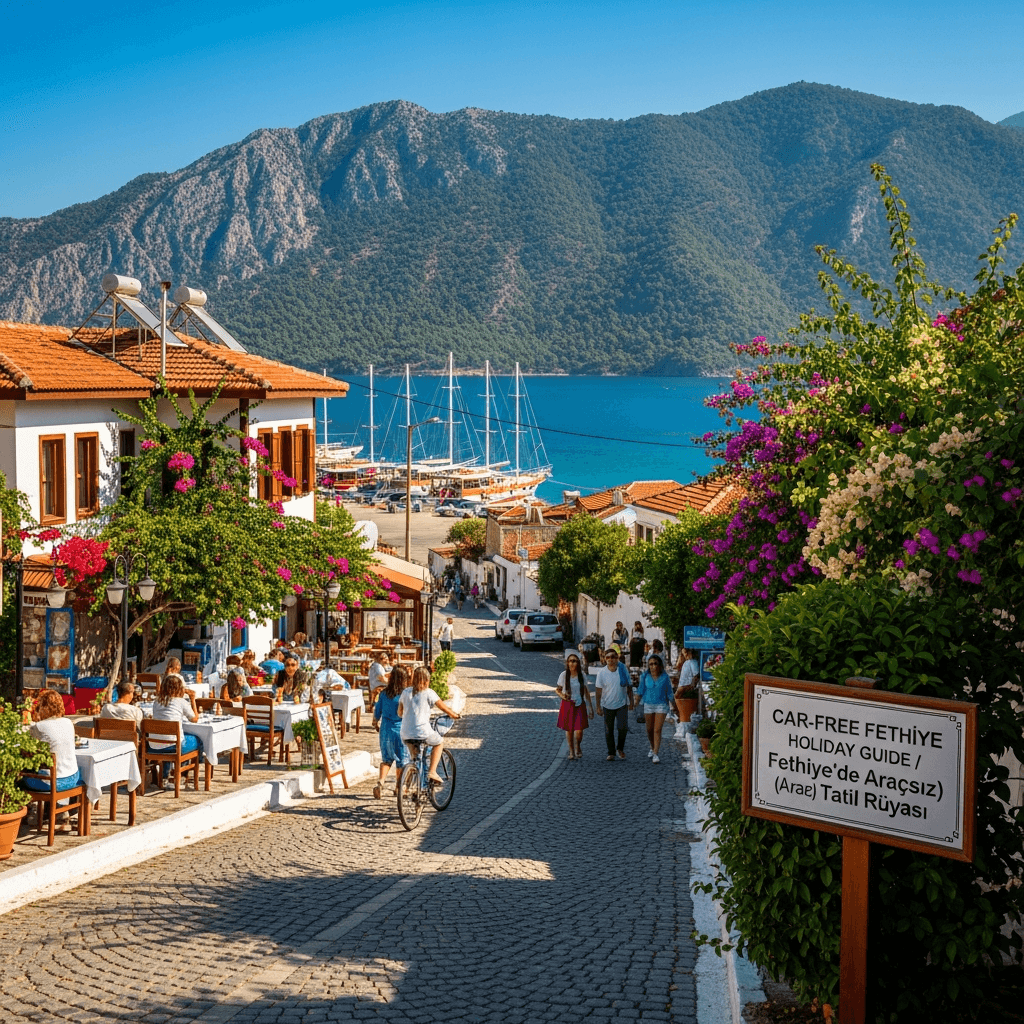
Fethiye’de Araçsız (Arabasız) Tatil Rüyası: Özgürlük, Rahatlık ve Konforun Formülü
Fethiye'de araba kiralamadan harika bir tatil yapmak mümkün. Dolmuşlar, su taksileri ve yürüyüş yollarıyla eşsiz rotalara ulaşım rehberi.
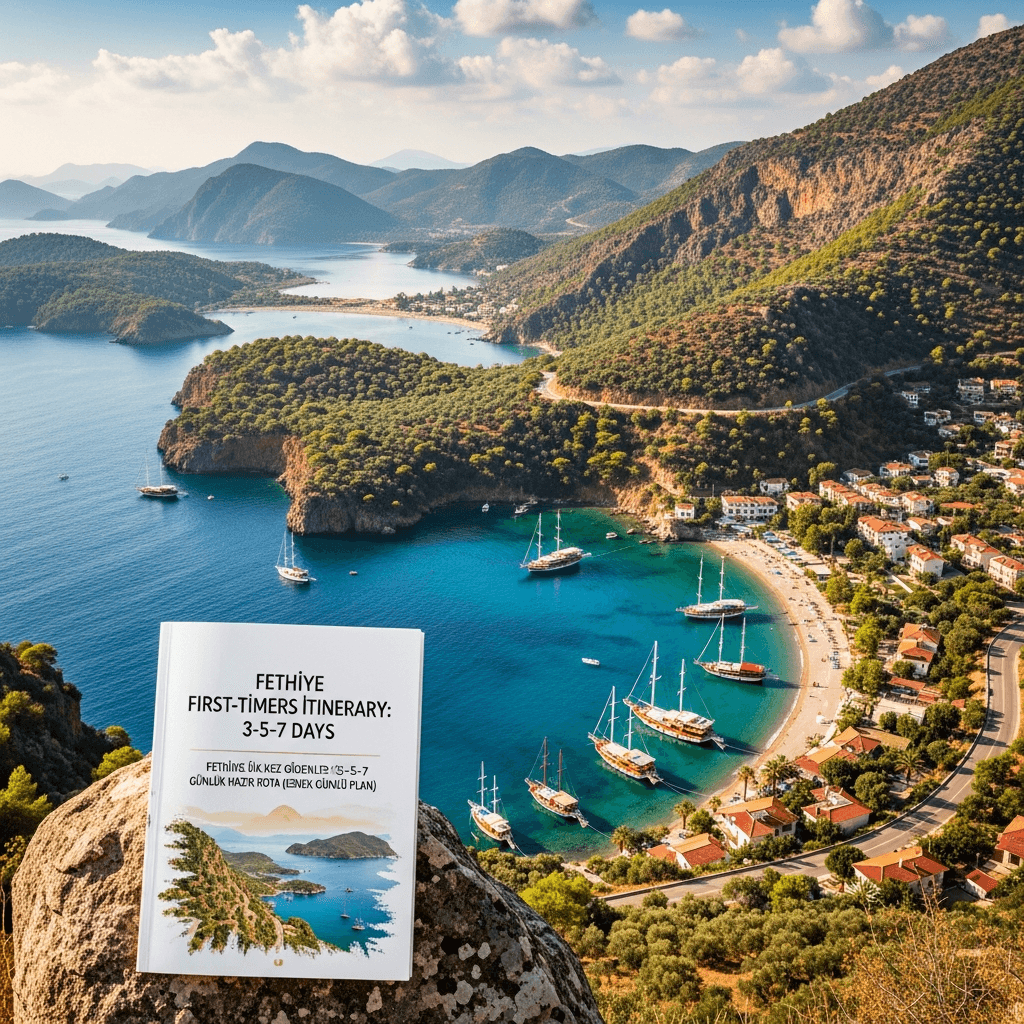
Fethiye İlk Kez Gidenler İçin: 3–5–7 Günlük Hazır Rota (Esnek Günlü Plan)
Fethiye'ye ilk defa gidenler için özenle hazırlanmış tam kapsamlı 3, 5 ve 7 günlük mükemmel tatil rotası. Ölüdeniz, Kelebekler, Saklıkent.
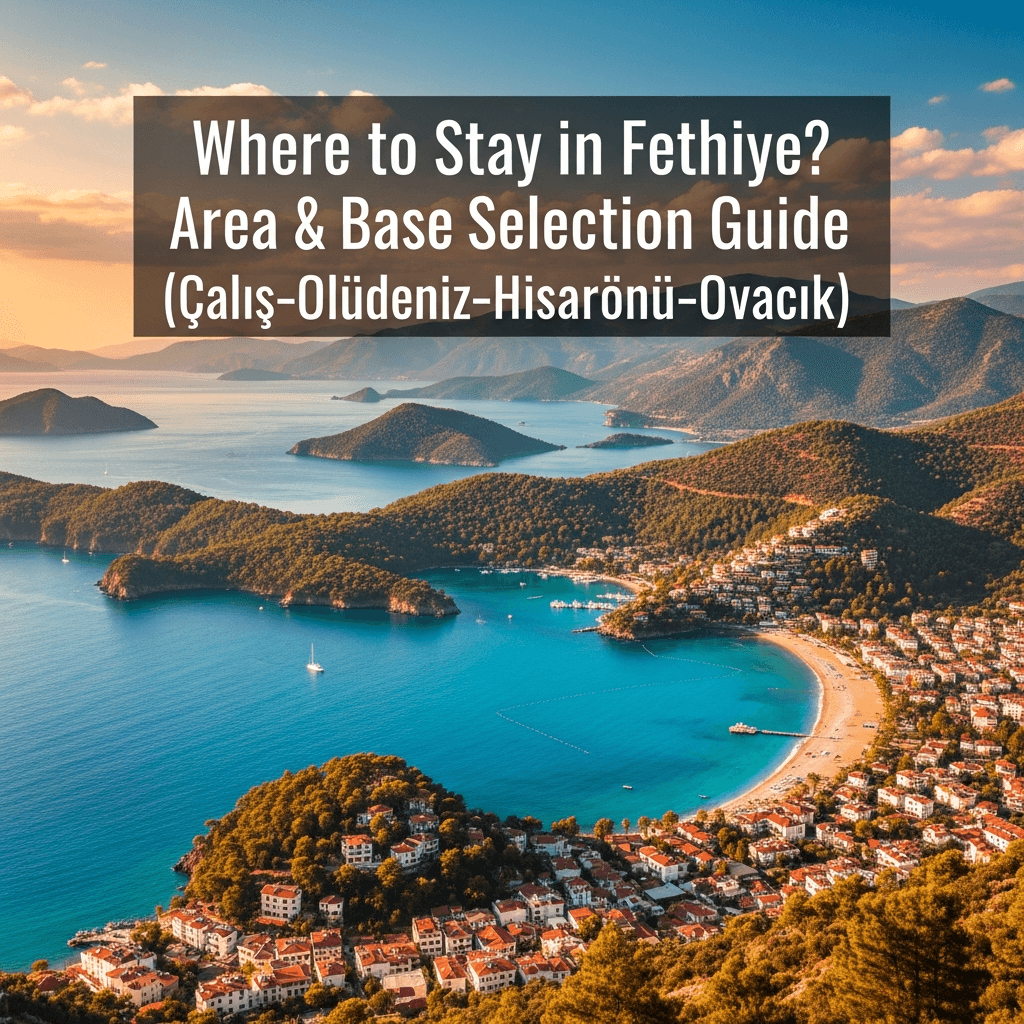
Fethiye’de Nerede Kalınır? Bölge Bölge Base Seçim Rehberi (Çalış–Ölüdeniz–Hisarönü–Ovacık)
Fethiye tatilinde doğru bölgeyi seçmenin püf noktaları. Çalış plajı, Ölüdeniz, Hisarönü, Ovacık ve Merkez detaylı analiz. Kapsamlı tatil rehberi.
Bu rehber işinize yaradı mı?
bölgesindeki daha fazla gizli cenneti keşfetmek için diğer rehberlerimize göz atın.
Tüm Rehberleri Keşfet