Local Laws & Etiquette in Turkey for Brits: Simple Rules to Avoid Awkward Moments
TR Pasif.
Hızlı Özet
- • bölgesinde gezilecek en iyi yerler
- •Yerel restoran ve kafe önerileri
- •Konaklama seçenekleri ve fiyat aralıkları
- •Ulaşım bilgileri ve ipuçları
İçindekiler
Local Laws & Etiquette in Turkey for Brits: Simple Rules to Avoid Awkward Moments
- Carry your passport or a photocopy and your UK driving licence details; Turkish police can ask for ID, especially around main roads and coastal promenades.
- Alcohol is legal but regulated: no drinking on many public beaches and parks, and sales stop at 22:00 in shops across Turkey.
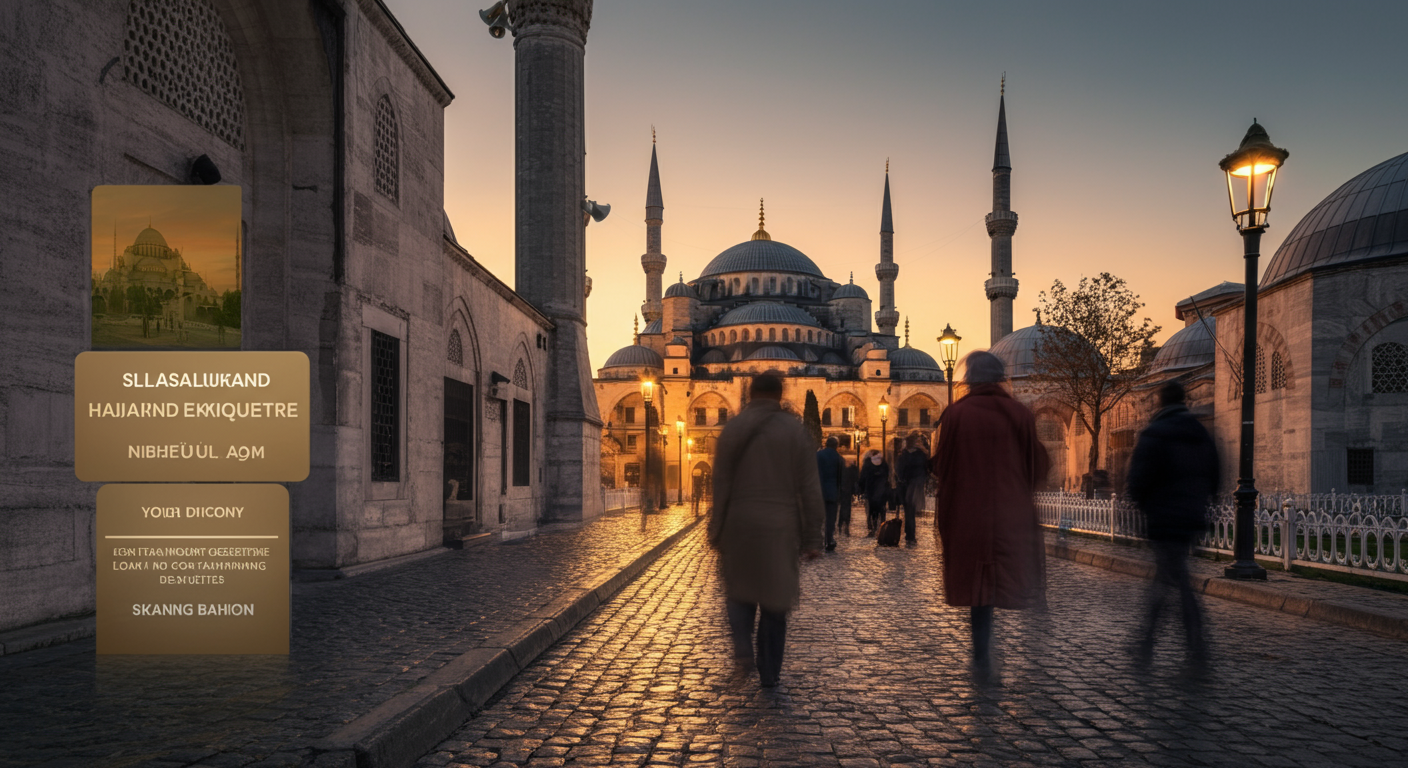
- Dress more modestly in old town areas and when visiting mosques (e.g. around Sultanahmet Square in Istanbul or Kaleiçi in Antalya).
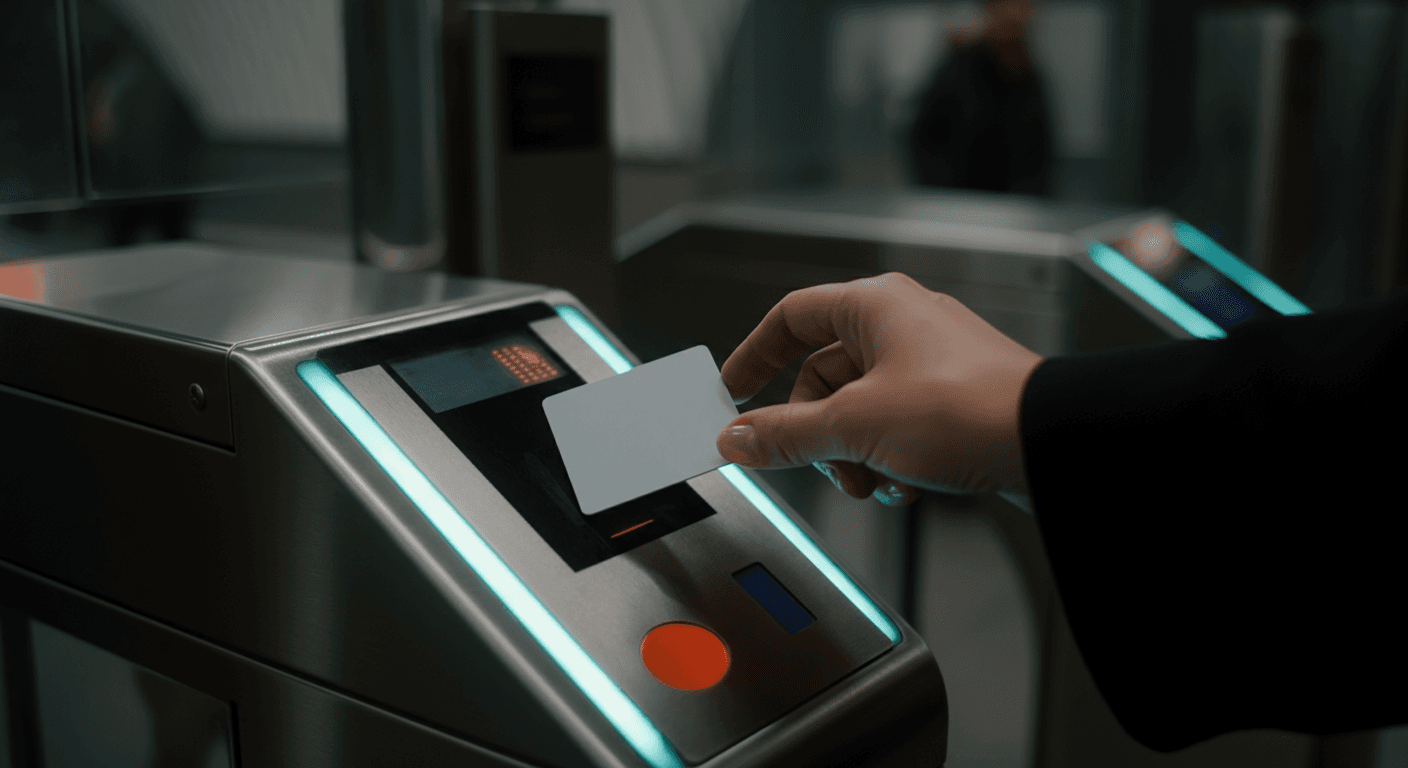
- Public transport etiquette matters: offer seats to older people, keep voices low and tap your Istanbulkart or Antalyakart correctly at barriers.
- Respect religious customs; during the call to prayer (ezan) avoid loud music or shouting near mosques on streets like Divan Yolu Caddesi in Istanbul.
- Tipping is normal in restaurants, on guided tours and with taxi drivers; 5–10% is usually fine unless a service charge is clearly added.
- Public displays of affection are common in tourist resorts but can feel inappropriate in conservative districts and village centres.
- Drugs are strictly illegal; penalties can be severe – far harsher than in the UK. Do not carry or buy any illegal substances.
- Always wear seat belts in cars and helmets on scooters; traffic rules are enforced more strictly in cities and along roads like the D400 coastal route.
- Bargaining is accepted in bazaars and some shops, but not in supermarkets, official kiosks, or on municipal buses and trams.
UK travellers in Turkey can usually avoid awkward moments by following a few simple rules: carry identification, respect religious customs and modest dress codes in traditional areas, follow alcohol and public behaviour laws, tip modestly, and be especially careful with traffic rules and any issues involving drugs. The same friendly manners you would use in the UK, plus a little extra modesty in public, typically go a long way.
Introduction: Why Local Laws & Etiquette Matter in Turkey
Turkey feels familiar to many UK visitors – beach holidays, lively seafront promenades and modern shopping streets – yet local law and etiquette are shaped by both European and Middle Eastern traditions. Understanding how to behave in places like Istanbul’s Istiklal Caddesi, Antalya’s Kaleiçi, Fethiye’s harbour or Bodrum’s marina can save you from minor embarrassment and occasional legal trouble.
This guide focuses on practical, real-world situations UK holidaymakers actually face: what to wear in mosques, how to behave on a dolmuş between Gümbet and Bodrum, where you can drink alcohol, and how to show respect on streets like Atatürk Caddesi in Antalya or Cumhuriyet Caddesi in Bodrum.
1. Identification, Police Checks & Everyday Law
1.1 Carrying ID: What Brits Should Know
Turkish law requires people to be able to identify themselves when requested by police or other authorised officers. As a visitor, you will very rarely be stopped, but checks can happen near busy junctions, coastal roads or ferry ports.
- Simple rule: Keep your passport in your accommodation safe and carry a clear photocopy.
- Take a photo of your passport identity page and entry stamp on your phone (with a passcode).
- Have a copy of your travel insurance details and your yeriniayir.com booking confirmation accessible.
On main roads like the D400 near Antalya and in resort towns such as Marmaris and Bodrum, it is not unusual to see roadside police checks, especially in the evening. Tour coaches and some hire cars may be briefly stopped – usually this is routine.
1.2 Interactions with Police & Officials
Police stations are called “polis merkezi”. Tourist police may be present in areas such as Sultanahmet Square in Istanbul or near Konyaaltı Beach in Antalya.
- Stay calm, be polite, and speak slowly in English.
- Show your passport copy and answer simple questions about where you are staying.
- If anything serious happens, contact the UK consulate or embassy; keep their number noted in your phone and on paper.
2. Dress Code & Mosque Etiquette
2.1 General Dress in Resorts vs Traditional Areas
In coastal resorts like Bodrum, Marmaris, Fethiye or along Antalya’s Lara Beach, dress is relaxed – shorts, summer dresses and T-shirts are common. However, in older town centres and inland cities, modesty is appreciated.
- On streets such as Cumhuriyet Caddesi in Bodrum or Atatürk Caddesi in Fethiye, casual summer wear is fine, but beachwear only (bikini tops, bare chests) can feel out of place away from the seafront.
- In traditional districts – for example, Kadıköy’s residential backstreets in Istanbul or Konya’s central avenues near Alaaddin Hill – shoulders and thighs should ideally be covered.
- UK-friendly tip: Pack one lightweight outfit that would be acceptable for visiting a British cathedral; it will work very well in Turkey’s old quarters.
2.2 Visiting Mosques: Sultanahmet to Local Neighbourhood Mosques
Major mosques such as the Blue Mosque (Sultanahmet Camii) near Sultanahmet Square, Süleymaniye Mosque above the Golden Horn, and smaller neighbourhood mosques on streets like Fevzi Çakmak Caddesi in Antalya are active places of worship.
- Clothing:
- Women: Cover shoulders, cleavage and knees. A light scarf for the head is expected; many larger mosques lend scarves at the entrance.
- Men: Avoid sleeveless tops and very short shorts.
- Footwear: Remove shoes before entering the prayer area and place them on racks at the entrance. Socks are fine.
- Behaviour: Keep voices low, do not walk in front of people who are praying, and avoid laughing or phone calls inside.
- Photography: Ask permission before photographing people. Avoid flash and be discreet during prayer times.
3. Alcohol, Smoking & Public Behaviour
3.1 Alcohol Laws: Where & When Can You Drink?
Alcohol is widely available in Turkey, especially in tourist areas such as Bodrum marina, Fethiye harbour and along Antalya’s Atatürk Caddesi near the old town. However, there are clear rules.
- Sales hours: Shops cannot sell alcohol after 22:00. Bars and restaurants may serve later, depending on local rules.
- Public drinking: Drinking on many public beaches, children’s parks and some public squares is restricted or discouraged. For example, avoid open bottles on Konyaaltı Beach’s promenade or in city parks off Gazi Bulvarı in Antalya.
- Drunk behaviour: Being very drunk and disruptive in public can lead to police involvement, particularly on crowded nightlife streets like Barlar Sokak in Bodrum or the bar-lined lanes off Cumhuriyet Caddesi in Marmaris.
Simple rule: Enjoy alcohol in licensed venues or discreetly on your balcony/terrace; avoid obvious public drinking in daytime family areas.
3.2 Smoking & Vaping
Turkey has smoking restrictions similar to the UK, but enforcement can feel different.
- No smoking inside enclosed public spaces such as shopping centres, buses, trams or indoor sections of cafés.
- On outdoor terraces along streets like İstiklal Caddesi or on the seafront in Kuşadası, smoking is usually allowed unless clearly signed.
- Vaping rules are less clearly communicated; simple rule: treat vaping like smoking and ask if in doubt.
3.3 Public Displays of Affection
In touristy zones – for instance, on the marina promenades in Fethiye or Bodrum – handholding and brief hugs are normal. More intimate behaviour may be frowned upon in conservative towns and village squares.
- Keep affection low-key on busy local streets such as Konya Caddesi in Konya or in residential side streets of Antalya’s Kepez district.
- Same-sex couples may encounter curiosity or discomfort in some areas; many travellers find larger cities and resort districts more relaxed.
4. Respecting Religion & Local Customs
4.1 Call to Prayer & Daily Rhythm
The call to prayer (ezan) is heard five times daily from mosques, including those along the Bosphorus coast road in Istanbul, in Bodrum’s hilltop mosques, and in smaller neighbourhood mosques behind Antalya’s Kaleiçi old town.
- There is no need to stop walking or talking, but many locals lower their voices near mosque entrances.
- Avoid loud music from portable speakers near mosques, especially during sunset prayer.
- During religious festivals, such as the Bayram holidays, government offices and some shops may close or have shorter hours.
4.2 Ramadan (Ramazan) Etiquette for Visitors
During Ramadan, many Muslims fast from sunrise to sunset. In tourist areas such as Ölüdeniz Beach, Güllük Caddesi in Antalya or along the Bodrum–Gümbet coastal road, restaurants still serve food and drink as usual, but sensitivity is appreciated.
- Eating and drinking in public during daylight is not forbidden for non-Muslims, but avoid doing so directly outside mosques or in very traditional districts.
- Evening iftar meals create a festive atmosphere. You may see communal tables set up along streets like Kennedy Caddesi in Istanbul or along riverfronts in smaller towns.
- Traffic and public transport can be busier just before sunset as people rush home for iftar.
5. Getting Around: Dolmuş, Taxis & Road Rules
5.1 Dolmuş Etiquette (Shared Minibuses)
Dolmuş minibuses are a core part of Turkish local transport and an excellent way for UK visitors to travel cheaply between beach areas and town centres.
Common routes include:
- Between Bodrum town and Gümbet along the main road parallel to Adnan Menderes Caddesi.
- From Fethiye town centre (near the dolmuş station off Atatürk Caddesi) to Ölüdeniz Beach via Ovacık and Hisarönü.
- From Antalya’s city centre on Yener Ulusoy Bulvarı to Konyaaltı Beach.
Key etiquette points:
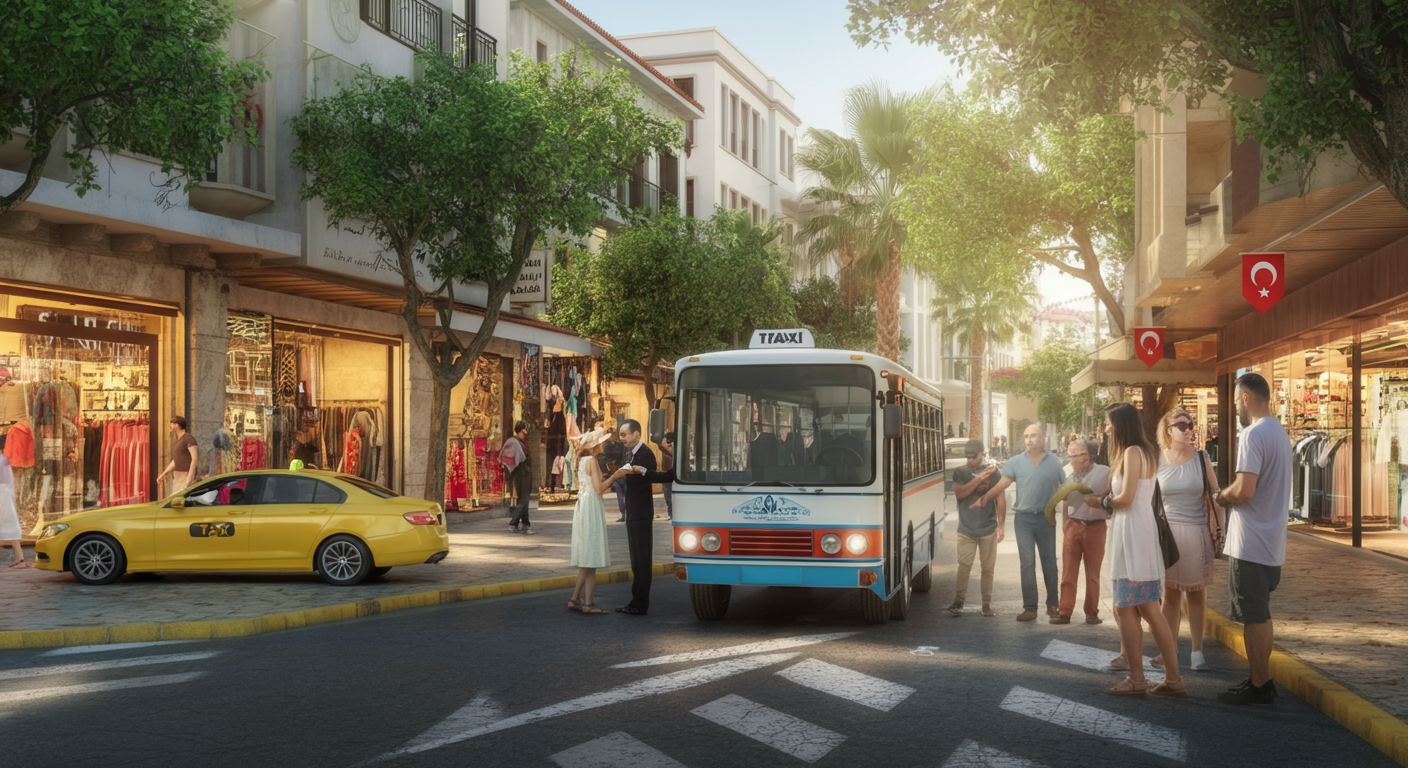
- Flag the dolmuş down from the pavement by raising your hand.
- Tell the driver your destination when boarding (for example, “Ölüdeniz” or “Konyaaltı”).
- Pass your fare forward via other passengers if you are seated at the back – this is completely normal.
- To get off, say “inecek var” (pronounced roughly in-e-check var) or press the stop button if available.
5.2 Taxis: Meters, Short Trips & Etiquette
Yellow taxis operate in all major cities and resorts. You will find ranks on major streets such as Atatürk Caddesi in Antalya, Cumhuriyet Caddesi in Bodrum and near Taksim Square in Istanbul.
- Ensure the meter is switched on at the start; if not, politely say “taksimetre lütfen”.
- For very short trips, drivers may seem reluctant; this is a cultural issue rather than a legal one. Staying patient and polite usually works.
- Tipping: Rounding up to a convenient amount is common (for example, 90 TL fare to 100 TL).
5.3 Road Safety & Traffic Laws
Turkey’s traffic can feel more assertive than in the UK, particularly on urban arteries like the D100 in Istanbul or the multi-lane sections of the D400 near Antalya. However, road safety laws are clear.
- Seat belts are required for front seats and strongly advised for all passengers.
- Helmet use is compulsory on motorcycles and scooters; this includes tourist rentals around coastal roads in Bodrum, Marmaris and Alanya.
- Drink-driving laws are strict and enforced on main routes and coastal roads. If you drink, do not drive.
- Pedestrian crossings on busy roads such as Atatürk Bulvarı in Ankara may not be given the same priority as in the UK. Cross only when it is clearly safe.
6. Money, Tipping & Shopping Etiquette
6.1 Tipping Culture
Tipping (bahşiş) is a normal part of life, particularly in tourism. It is not usually aggressive or forced, but small amounts are appreciated.
- Restaurants & cafés: 5–10% on table service if no service charge is added. On busy streets like İstiklal Caddesi or around Bodrum’s Neyzen Tevfik Caddesi, tipping levels are similar.
- Taxis: Rounding up to the nearest convenient note.
- Guides & excursions: A modest tip per person at the end of a day trip (for example, a boat tour from Fethiye harbour or a day tour to Pamukkale).
- Hotel-style services: For luggage carried to your room or special assistance, a small note is polite.
6.2 Bargaining & Fixed Prices
Bargaining is common in bazaars and some independent shops, but not everywhere.
- Where you can bargain:
- Covered bazaars, such as those around the Spice Bazaar area by Rüstem Paşa Mosque in Istanbul.
- Souvenir stalls near Fethiye fish market off Çarşı Caddesi.
- Street vendors on side streets near Bodrum’s marina.
- Where you should not bargain:
- Supermarkets like those on main streets such as Gazi Bulvarı in Antalya.
- Official ticket offices at tram stops, metro stations or ferry piers.
- Municipal bus fares or dolmuş fares.
Simple rule: If there is a barcoded price and a till receipt, the price is usually fixed.
7. Food, Eating Etiquette & Local Specialities
7.1 Table Manners
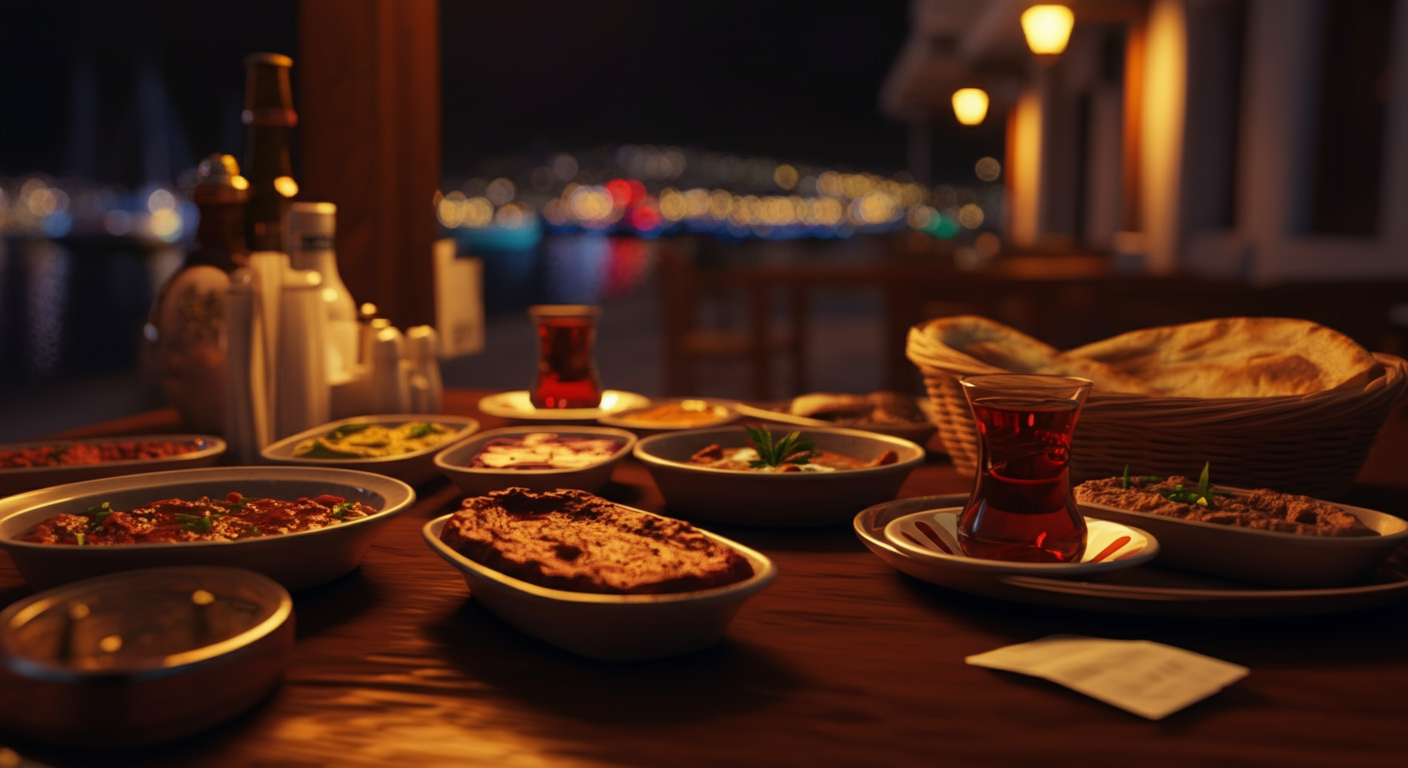
Eating out is central to social life in Turkey, whether on the waterfront of Fethiye’s harbour, at meyhane-style venues along Antalya’s Kaleiçi marina or in simple lokantas on backstreets off Atatürk Caddesi.
- Meals are often shared; dishes may arrive in the centre. It is fine to ask for your own plate if you prefer.
- Bread – commonly soft white loaves or “pide” flatbread – is frequently brought to the table automatically and may be charged as a small cover.
- Leaving a small amount of food is acceptable, but try not to waste large portions.
- Using your right hand for passing dishes is a traditional courtesy, though not rigidly enforced.
7.2 Local Breads & Street Food Etiquette
Turkey is known for its bread culture. Look out for:
- Simit: Sesame-covered bread rings sold from red carts along coastal promenades like those in Kadıköy and on Bodrum’s Kumbahçe sahil yolu.
- Pide: Boat-shaped flatbread often topped with cheese or minced meat, common in family restaurants on side streets off Güllük Caddesi in Antalya.
- Lavaş: Thin flatbread served with kebabs in many local eateries.
When buying street food on Istiklal Caddesi, near Fethiye’s harbour or along Marmaris’ beachfront, queue in an orderly line and pay attention to where locals stand and collect their food.
8. Beach, Nature & Historic Site Etiquette
8.1 Beach Behaviour & Dress
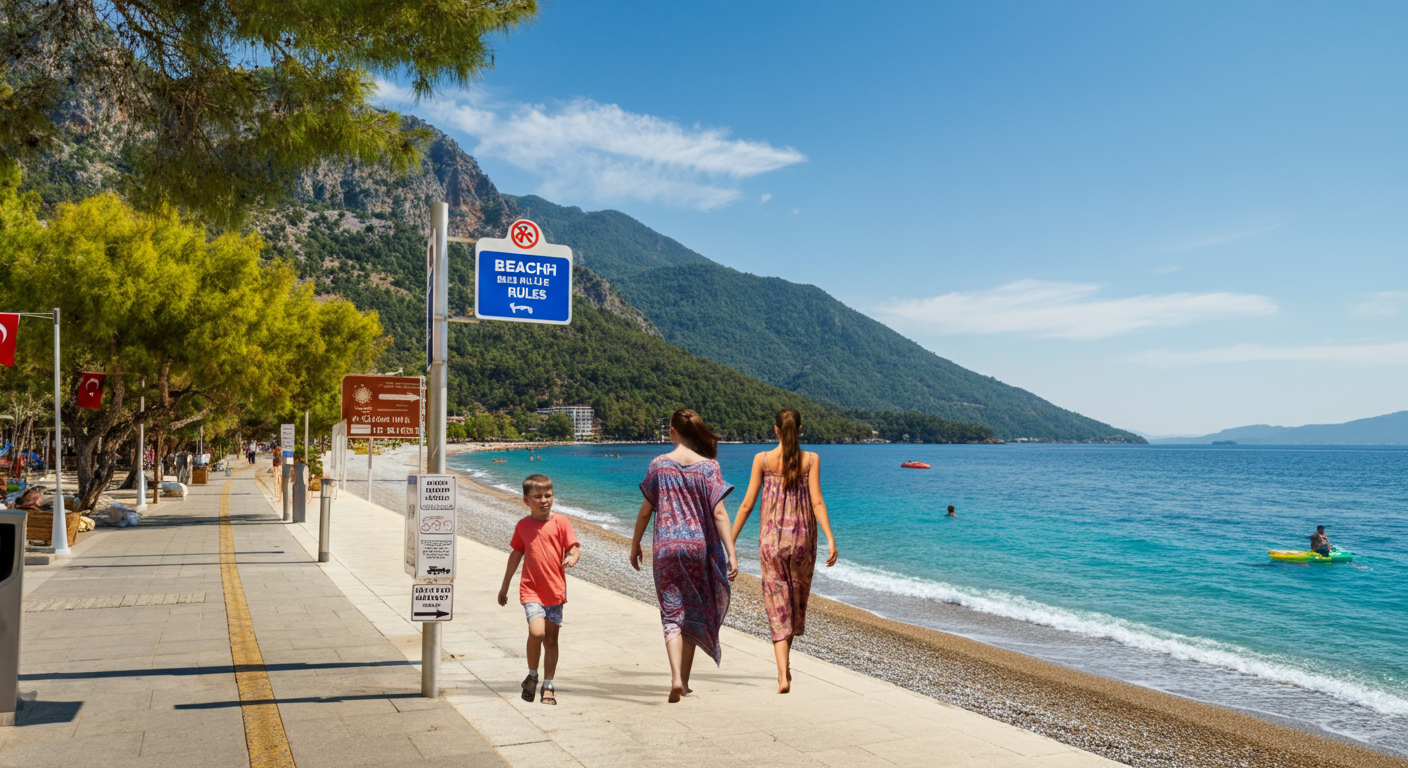
On well-known beaches such as Ölüdeniz, Konyaaltı, Lara and Gumbet, swimwear is perfectly normal on the sand. However, once you step onto nearby streets and public transport, covering up is expected.
- Wear a T-shirt or light cover-up from the beachfront back to the dolmuş stop or car park.
- Topless sunbathing is generally frowned upon, even in tourist resorts.
- Some smaller family beaches near Akyaka or in rural coves may be more conservative – look at what local women are wearing and follow suit.
8.2 Protecting Nature: Turtles & National Parks
Turkey has important natural sites such as the loggerhead turtle nesting beach at İztuzu near Dalyan, and national parks around Kaş, Göcek and the Datça Peninsula.
- Observe signs about turtle nesting zones; avoid using bright torches on the sand at night.
- Do not remove stones or fragments from archaeological sites like Ephesus, the ruins around Side, or the ancient theatre above Kaş harbour.
- Use marked paths in national parks such as those around the Saklıkent Gorge area or on the Lycian Way sections near Faralya and Kaş.
8.3 Historic & Archaeological Sites
Sites like the ancient city of Ephesus near Selçuk, the tomb-covered hills near Kaş, and historic ruins scattered around Fethiye and Bodrum have additional rules.
- Do not climb on fragile walls or statues.
- Drone use is restricted or banned in many historical areas – always check local rules.
- Picnicking may be limited to designated zones.
9. Topics to Avoid & Social Conversation
9.1 Politics, History & Sensitive Subjects
Turkish people are often open and curious about foreign visitors, and many speak at least some English in tourist-friendly areas like Bodrum marina or Antalya’s old town lanes (such as Hesapçı Sokak). However, certain topics are sensitive.
- Political discussions, especially about recent events, are best avoided unless a trusted local brings them up.
- Comments about national symbols – such as the Turkish flag you will see on Adnan Menderes Bulvarı in many towns – should always be respectful.
- Debates about regional history are complex; if you are not deeply informed, listening rather than arguing is usually wiser.
9.2 Photography Etiquette
It is usually fine to photograph scenery, markets and streets such as İstiklal Caddesi, Atatürk Caddesi or marina promenades, but privacy is valued.
- Ask before taking close-up photos of individuals, especially children.
- In smaller villages, people may be shy of the camera – a quick “photo OK?” gesture and a smile help.
- In some security-sensitive areas, you may see signs discouraging photography (for example, around certain government buildings).
10. Drugs, Medication & Legal Risks
10.1 Illegal Drugs
Drug laws in Turkey are strict, and penalties can be severe compared with the UK, including for possession of small amounts.
- Never buy, carry or accept illegal substances, even casually at a bar or club.
- Be wary of strangers offering anything on nightlife streets such as Barlar Sokak in Bodrum or within backstreets off Barlar Sokağı in Marmaris.
- Do not carry items for others through airports or across borders.
10.2 Prescription Medicines
Many UK travellers bring medication for blood pressure, asthma, ADHD or pain management.
- Keep medicines in original packaging with your name visible.
- For strong painkillers or controlled medications, carry a doctor’s letter or copy of your UK prescription.
- Pharmacies (eczane) are common on central streets like Güllük Caddesi in Antalya or Cumhuriyet Bulvarı in İzmir, but equivalent brands may differ.
If you are unsure whether your medication could be restricted, check official UK and Turkish guidance before travel.
11. LGBTQ+ Travellers: What to Expect
Turkey has a mixture of attitudes. In some central Istanbul districts such as Cihangir or parts of Beyoğlu near İstiklal Caddesi, you may find a relatively relaxed vibe. In more conservative cities and rural towns, LGBTQ+ topics are handled more privately.
- Low-key behaviour is advisable outside the more cosmopolitan districts and coastal resorts.
- Online communities and recent travel reports from other LGBTQ+ travellers can provide updated, area-specific advice.
- Avoid overt public displays of affection in very traditional settings, particularly away from main tourist areas.
12. Everyday Phrases & Manners
12.1 Polite Words that Go a Long Way
Using a few Turkish words can dramatically improve interactions – whether on a dolmuş to Ölüdeniz, in a lokanta off Atatürk Caddesi, or in a family-run bakery selling simit near Bodrum’s bus station.
- Merhaba: Hello
- Lütfen: Please
- Teşekkürler / Teşekkür ederim: Thanks / Thank you
- Afiyet olsun: Enjoy your meal (said before or after eating)
- Kolay gelsin: A wish for someone’s work to go smoothly – used to shop staff, cleaners, drivers
UK-friendly tip: Saying “kolay gelsin” to a bus driver on the route from Antalya centre to Lara, or to a shop worker on Cumhuriyet Caddesi in Fethiye, is often met with a genuine smile.
13. Practical Safety & Avoiding Awkward Moments
13.1 Scams & Overcharging (Without Panic)
Like any popular country, Turkey has occasional tourist overcharging. You can usually avoid issues with a few habits.
- Check menus for prices before ordering, especially around heavily touristed streets like Sultanahmet Square or the immediate area around the Galata Bridge.
- Agree the taxi route and ensure the meter is on before setting off from busy hubs like Antalya airport or Bodrum otogar (bus station).
- Count change slowly and politely; if something is wrong, calmly mention it.
13.2 Using Cards, Cash & ATMs
Card payments are widely accepted in city centre restaurants and along resort promenades. Smaller family places, village shops and some dolmuş routes remain cash-based.
- Use ATMs attached to banks on main streets like Atatürk Caddesi or Gazi Bulvarı rather than isolated machines.
- Be wary of the dynamic currency conversion option – paying in Turkish lira is typically more favourable.
- Keep small notes for dolmuş fares, bottled water and tips.
Internal Links You Might Find Helpful
- Best Time to Visit Turkey for UK Travellers
- All-Inclusive vs Self-Catering in Turkey: Which Suits UK Travellers?
- Area Guide to Antalya for Brits: Beaches, Districts & Transport
- First-Time Istanbul Guide for UK Visitors
- Family Holidays in Turkey: Practical Tips for UK Parents
FAQ
Do I need to carry my passport with me at all times in Turkey?
Legally, you should be able to identify yourself, but many UK travellers keep the passport in their accommodation safe and carry a photocopy plus a digital photo. For high-value activities such as hiring a car or exchanging money, you will usually need the original passport.
Is public affection acceptable in Turkey?
Handholding and brief hugs are fine in resort areas and big cities, especially on promenades and marina fronts. In conservative districts and villages, keep affection more discreet to avoid uncomfortable attention.
Can I drink alcohol on the beach in Turkey?
Rules vary by area, but many beaches and promenades discourage or restrict public drinking. It is generally safer to consume alcohol in beach bars, cafés or restaurants adjacent to the sand rather than openly on public sections of the beach.
What should I wear to visit a mosque in Turkey?
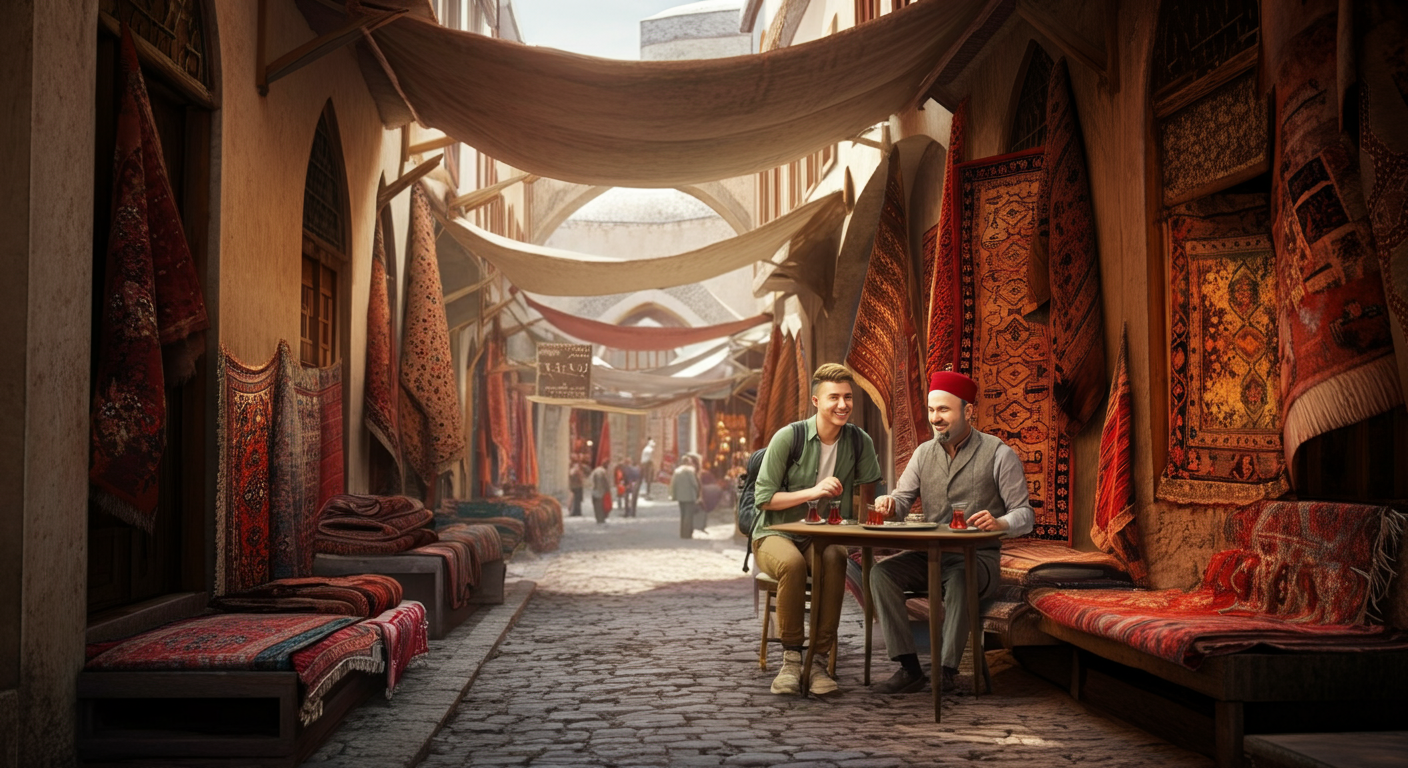
Dress modestly: shoulders and knees covered, with women covering their hair using a scarf. Remove your shoes at the entrance and keep quiet inside. Larger mosques in tourist zones often provide scarves or cover-ups if needed.
Is bargaining normal everywhere in Turkey?
No. Bargaining is normal in bazaars, some souvenir shops and informal markets, but not in supermarkets, public transport, official ticket offices or most chain-style shops. If in doubt, politely ask whether the price is fixed.
How much should I tip in Turkish restaurants?
If there is table service and no service charge added, 5–10% is typical. In simple lokantas or for quick snacks, rounding up to a convenient amount is often enough.
Are there strict laws on drugs in Turkey?
Yes. Laws and penalties for illegal drugs are strict and can be far more severe than in the UK. Do not buy, carry or accept illegal substances under any circumstances.
Is it disrespectful to eat in public during Ramadan?
In tourist areas it is generally accepted, but try to avoid eating or drinking immediately outside mosques or in very traditional neighbourhoods during daylight. Being discreet and considerate is appreciated.
Selin Aktaş
Editör"Ege köylerine ve butik otellere olan tutkusuyla tanınan Selin, 10 yılı aşkın süredir Türkiye'nin gizli kalmış rotalarını keşfediyor."
Hakkında Rehberler
İstanbul’da Ulaşım Rehberi: İstanbulkart, Metro/Tramvay/Feribot Mantığı (Kafası Karışanlara)
İstanbul'da ulaşım karmaşasına son verin! İstanbulkart, metro, tramvay, otobüs ve feribot gibi toplu taşıma ağlarını kolayca anlayın.
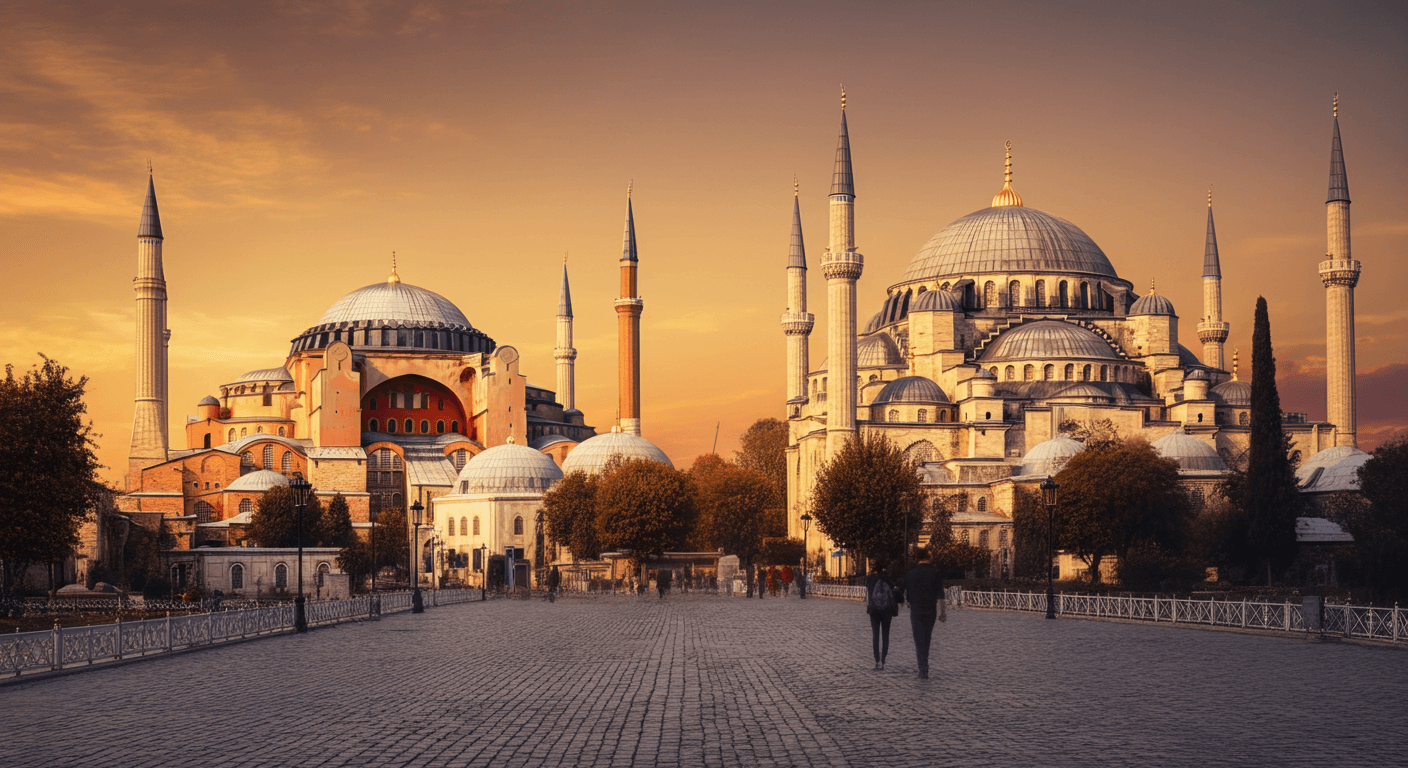
İstanbul’da En İyi Fotoğraf/İçerik Rotası: 1 Günde Viral Kareler (Işık Saatleri + Kalabalık Stratejisi)
İstanbul'un en viral fotoğraf noktalarını keşfedin! Boğaz, Galata ve Tarihi Yarımada'da 1 günde, ışık saatleri ve kalabalık stratejileriyle mükemmel kareler yakalayın.
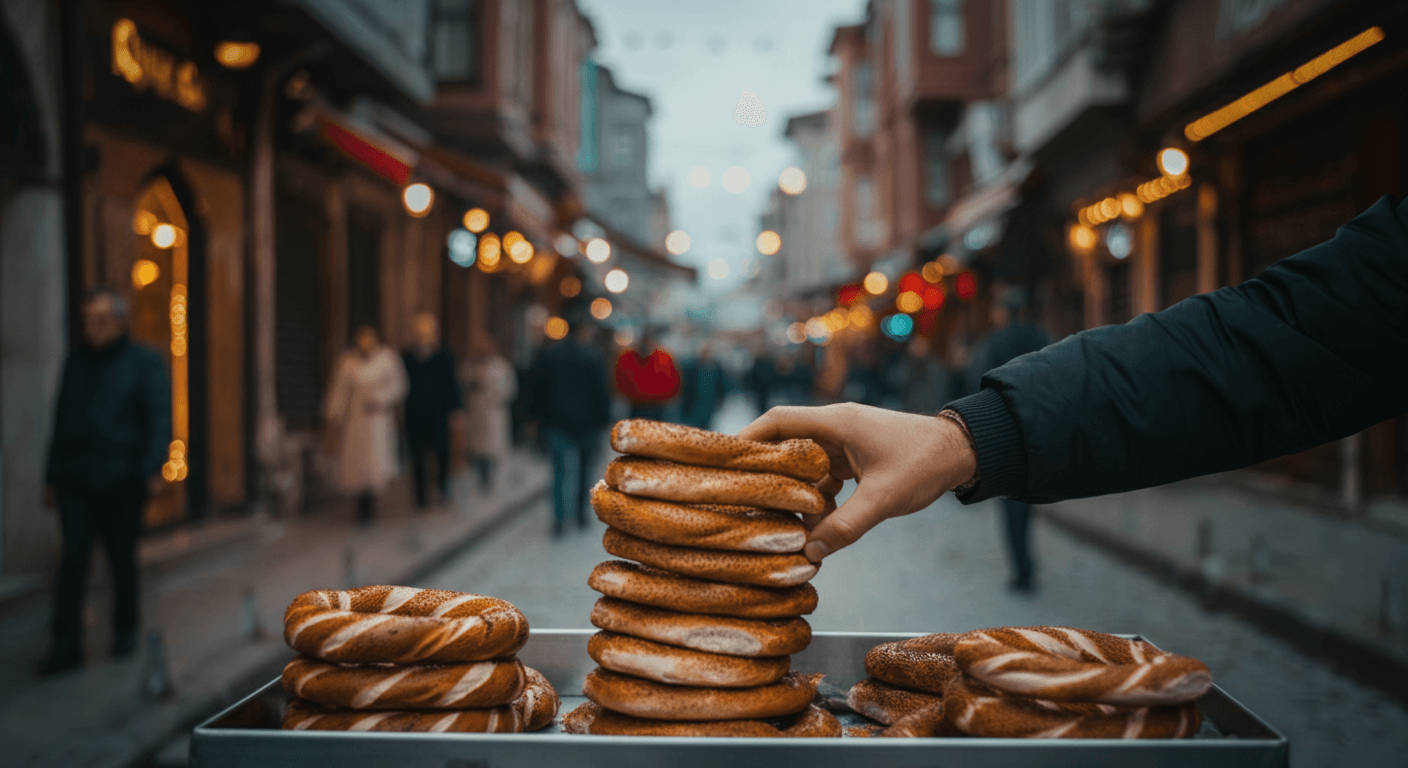
İstanbul Bütçe Planlayıcı: Ekonomik/Dengeli/Rahat Mod (Fiyat Vermeden Harcama Mantığı)
İstanbul gezinizi bütçenize uygun planlayın! Ekonomik, dengeli veya rahat modlarla harcama mantığını keşfederek şehri doyasıya yaşayın.
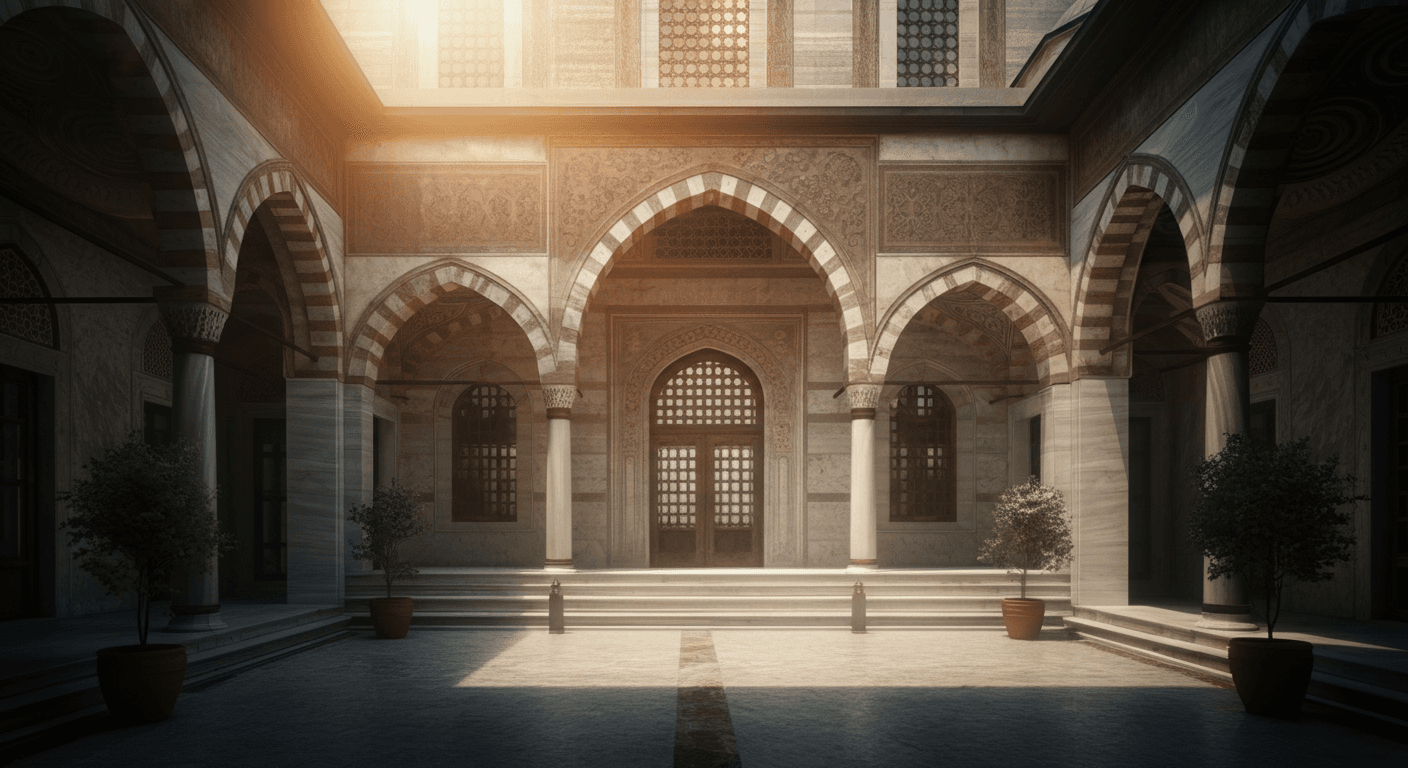
İstanbul’da Çocukla Gezi: Bebek/Çocuk Checklists + Öğle Sıcağı/Yağmur Planı
İstanbul'da çocukla gezmek artık çok kolay! Bebek/çocuk kontrol listeleri ve öğle sıcağı/yağmur için özel İstanbul gezi planları bu rehberde.
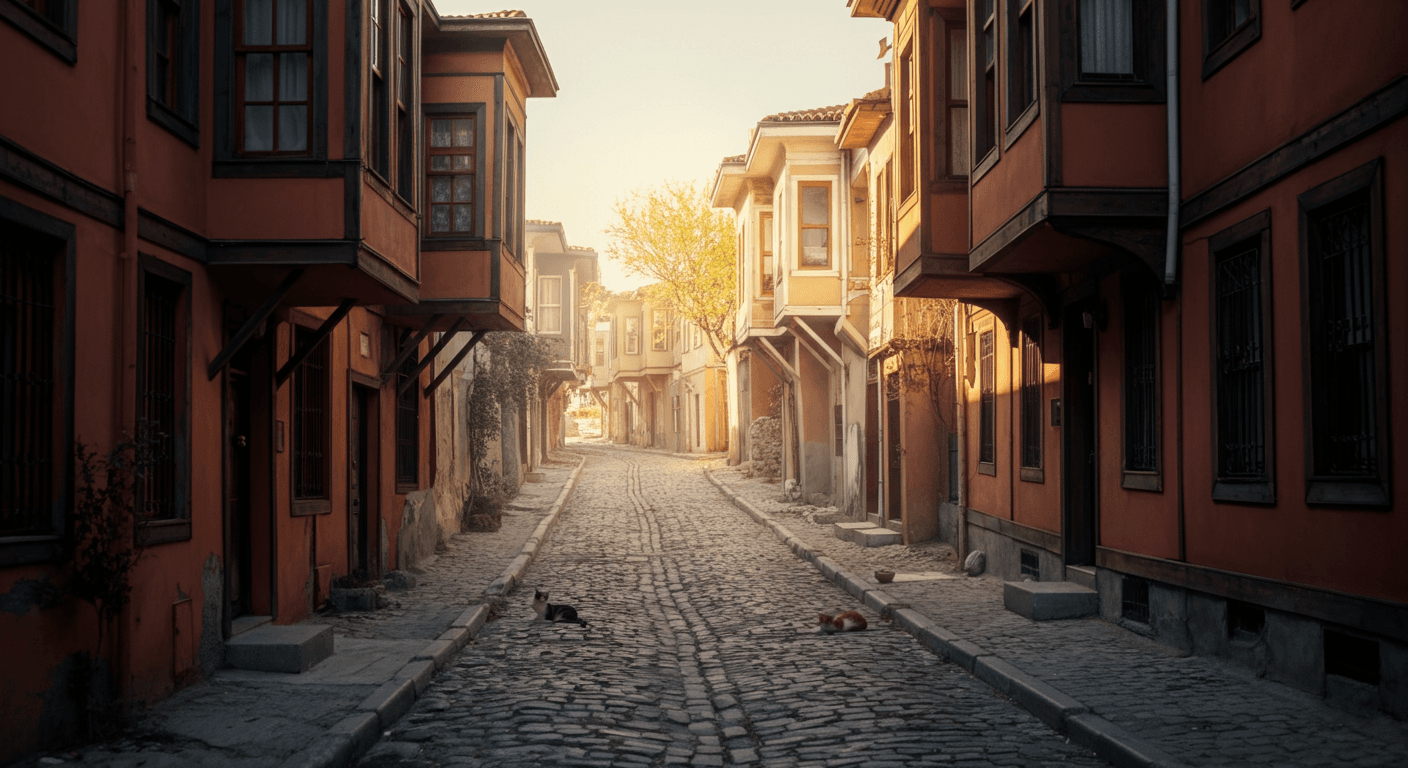
İstanbul’da “Yürüyerek Gezilecek” Semtler: 2–3 Saatlik Mini Rotalar (Harita Mantığıyla)
İstanbul'un en güzel semtlerini yürüyerek keşfedin! Tarihi yarımada ve Boğaz çevresindeki 2-3 saatlik mini rotalarla şehri deneyimleyin.
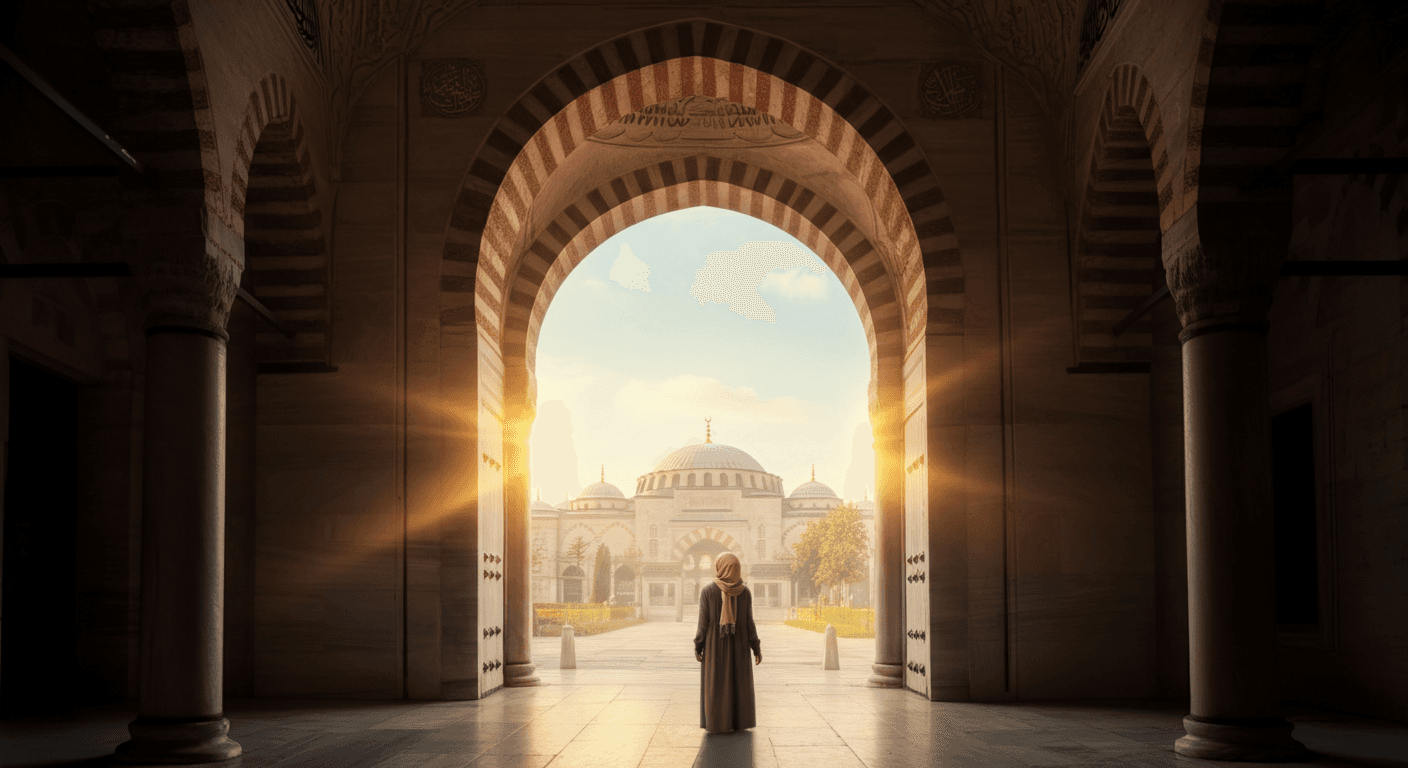
İstanbul’da Camii Ziyareti Rehberi: Giyim, Saat, Fotoğraf Kuralları (Turist İçin Basit Anlatım)
İstanbul camilerini ziyaret edecek turistler için giyim, saat ve fotoğraf kuralları rehberi. Cami ziyaretinizden önce bilmeniz gereken tüm detayları basitçe öğrenin.
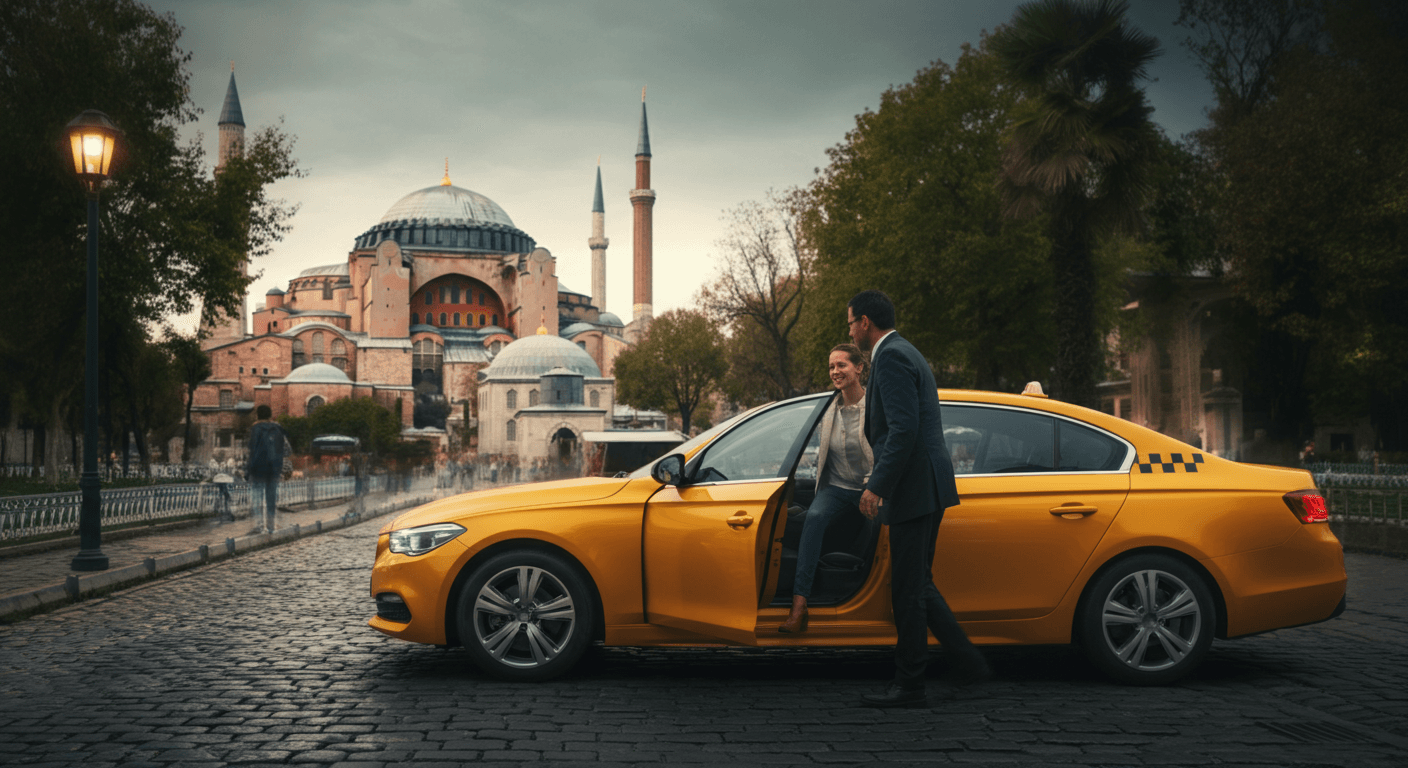
İstanbul’da Dolandırılmadan Değil, “Sürpriz Yaşamadan” Gezmek: Basit Kurallar (Taksi, Menü, Tur)
İstanbul'da taksi, menü ve tur sürprizleri yaşamadan güvenle gezmek için basit kuralları keşfedin. Dolandırılmadan keyifli bir İstanbul deneyimi için ipuçları burada.
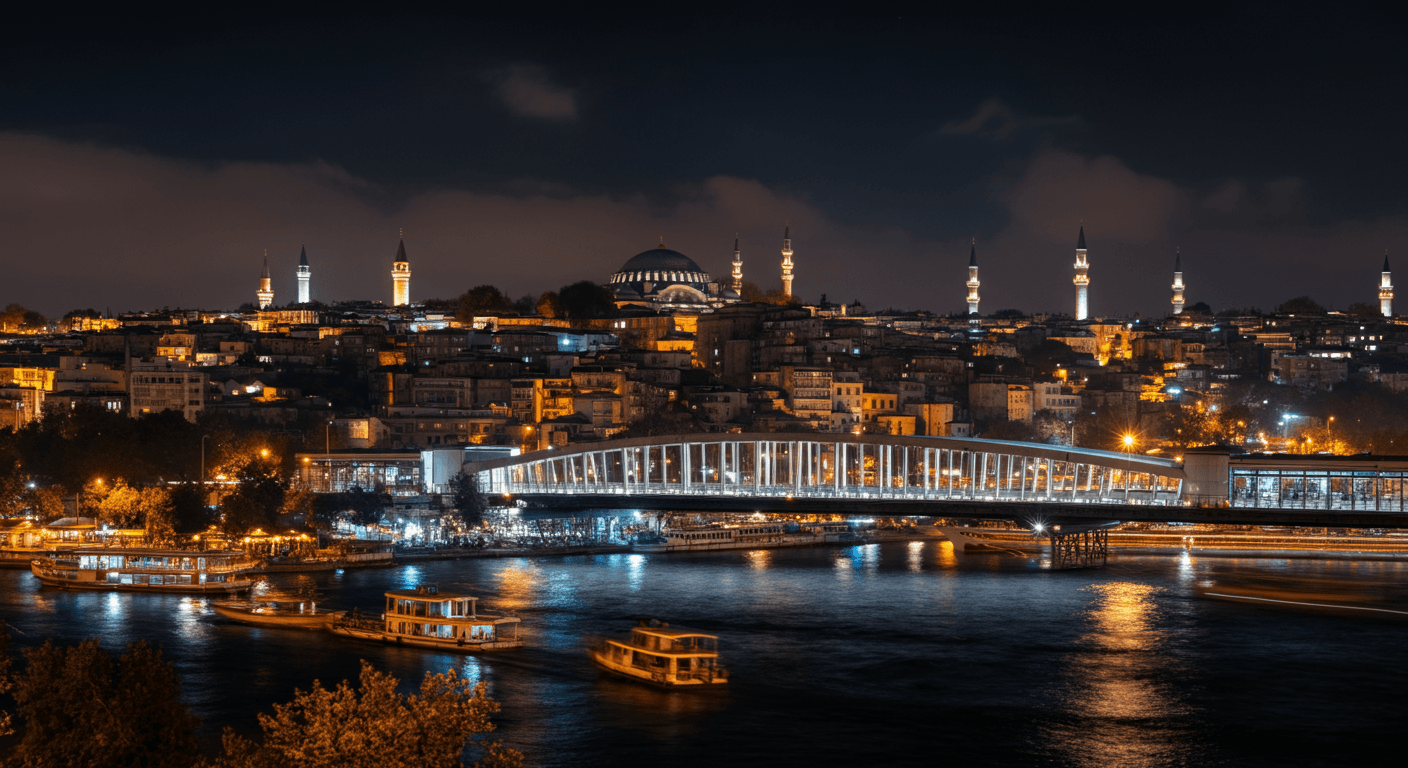
İstanbul’da “Akşam Ne Yapılır?” Rehberi: Aile/Çift/Tek Kişi İçin Güvenli ve Keyifli Plan
İstanbul'da akşam ne yapılır? Aile, çift veya tek kişi için Boğaz turu, tarihi mekanlar ve güvenli eğlence seçenekleriyle dolu rehberimizi keşfedin.
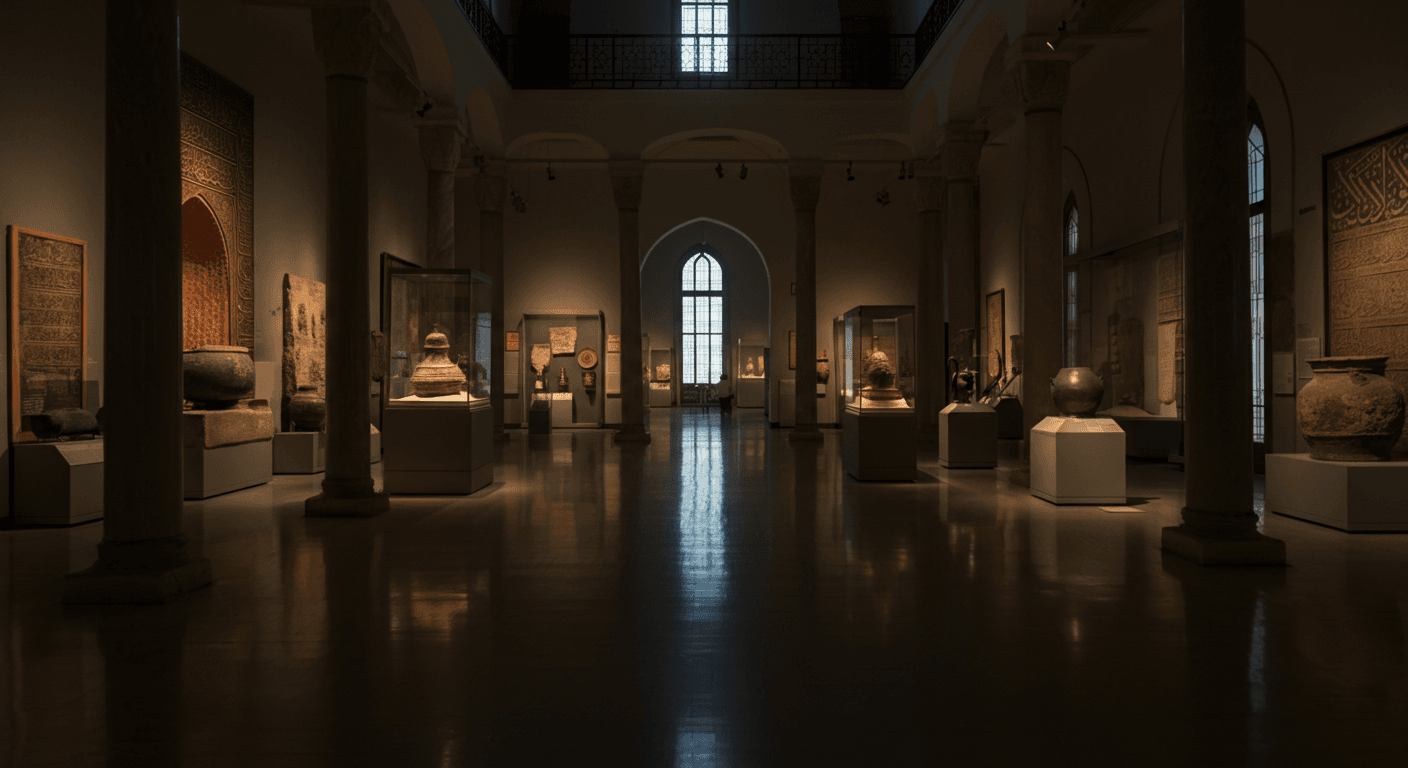
İstanbul’da Yağmurlu Gün Planı: Kapalı Mekân Rotaları (Müze + Çarşı + Kafe Akışı)
İstanbul'da yağmurlu havalarda sıkılmayın! Müzeler, tarihi çarşılar ve şirin kafelerle dolu kapalı mekan rotalarıyla keyifli bir gün geçirin.
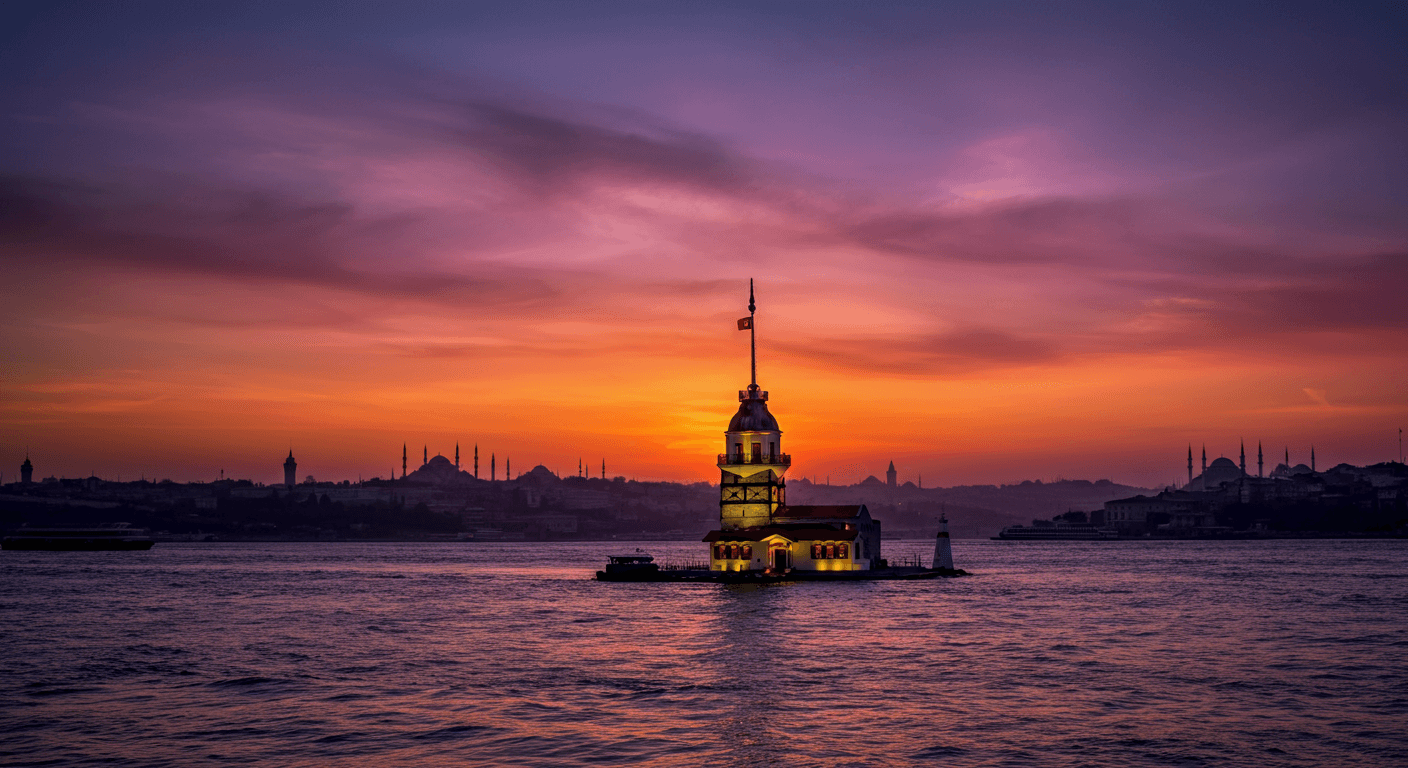
İstanbul’da Gün Batımı Noktaları: Kalabalıksız Saatler + En İyi “Sunset Walk” Rotaları
İstanbul'da kalabalıktan uzak gün batımı noktaları ve Boğaz'da eşsiz sunset walk rotalarıyla şehrin büyüsüne kapılın.
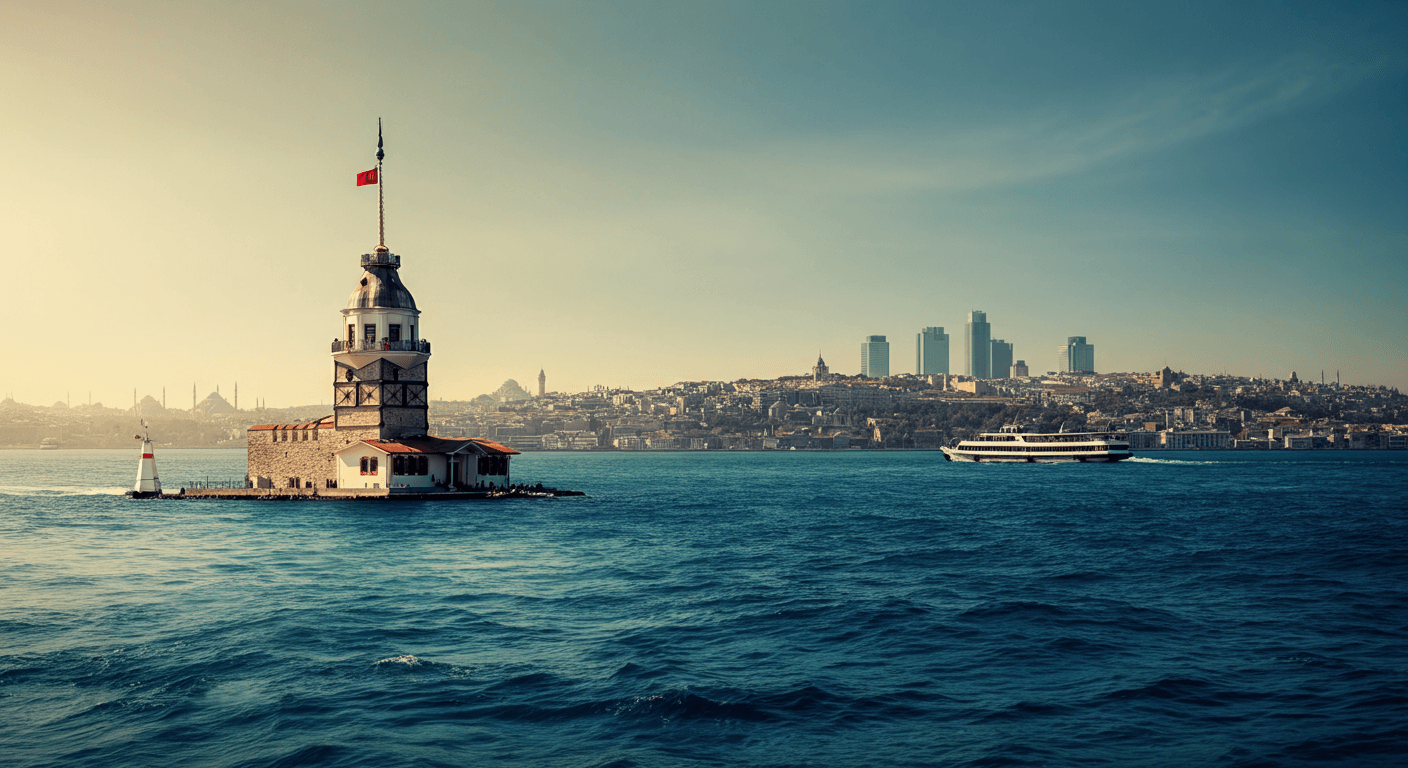
İstanbul’da 1 Günde 2 Kıta: Avrupa → Anadolu Rotası (Saat Saat + Yürüme Seviyesi)
İstanbul'da bir günde Avrupa'dan Anadolu'ya geçiş rotasını keşfedin! Saat saat planlanmış bu eşsiz gezi rehberiyle iki kıtayı yürüme seviyenize göre deneyimleyin.

Sabiha Gökçen’den Şehre En Kolay Ulaşım: Seçenekler ve Hangi Saatte Hangisi Mantıklı?
Sabiha Gökçen (SAW) havalimanından İstanbul şehir merkezine en kolay ulaşım (metro, Havabüs, taksi) seçeneklerini ve saatinize göre en mantıklı yolu keşfedin.
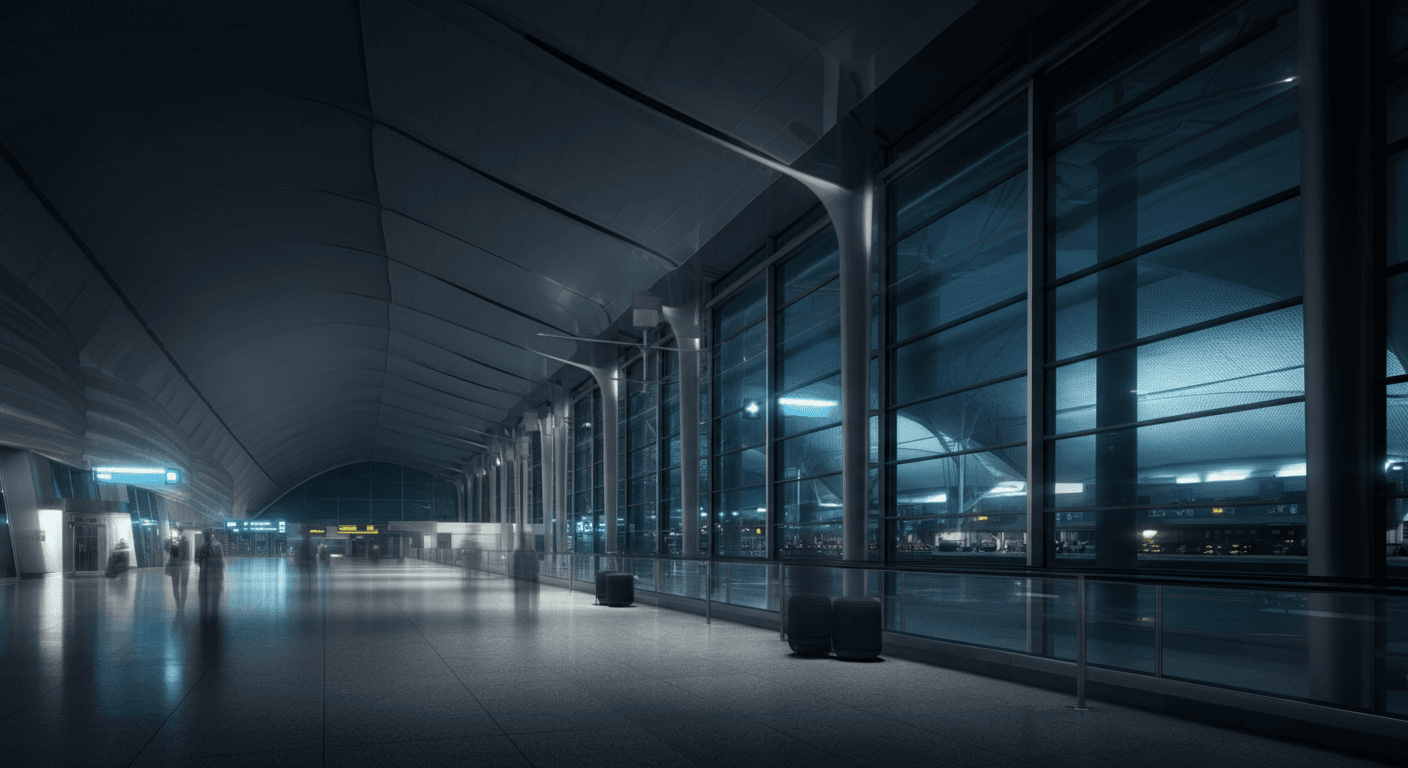
İstanbul Havalimanı (IST) Transfer Seçimi: Taksi mi Metro mu Özel Transfer mi? (Gece Varışı Planı)
İstanbul Havalimanı (IST) gece varışı için taksi, metro veya özel transfer mi? İstanbul'a en hızlı ve konforlu ulaşım seçeneğini keşfedin.

İstanbul’da Ulaşım Rehberi: İstanbulkart, Metro/Tramvay/Feribot Mantığı (Kafası Karışanlara)
İstanbul'da ulaşımı çözün! Turistler için İstanbulkart nasıl alınır, T1 Tramvay, M2 Metro ve vapur kullanımı, taksi tuzaklarından korunma rehberi.

İstanbul’a İlk Kez Gelenler: 3–5–7 Günlük Hazır Rota (Yormayan Plan + Esnek Günler)
İstanbul'u yorulmadan ve kaybolmadan gezmek isteyenler için saat saat planlanmış, en verimli 3 günlük, 5 günlük ve 7 günlük hazır turistik gezi rotası.

İstanbul’da Nerede Kalınır? Bölge Bölge Base Seçim Rehberi (İlk Kez Gelenler İçin)
İstanbul'da ilk kez nerede kalınır? Sultanahmet, Karaköy, Taksim, Beşiktaş ve Kadıköy bölgelerinin detaylı, artı-eksi analizli, ulaşım odaklı konaklama rehberi.
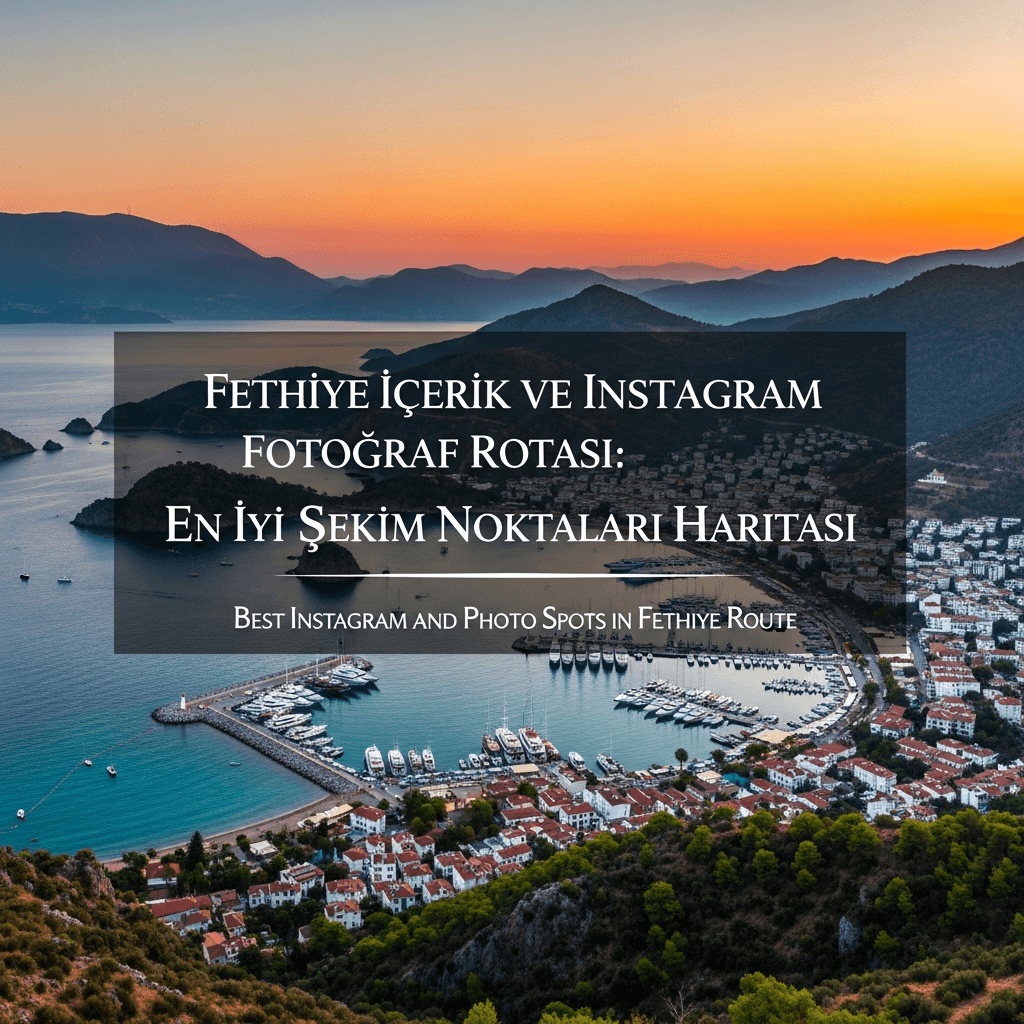
Fethiye İçerik ve Instagram Fotoğraf Rotası: En İyi Çekim Noktaları Haritası
Fethiye'nin en iyi Instagram fotoğrafı nerede çekilir? Kelebekler vadisi seyir zirvesi, Babadağ sonsuzluk terası ve SEO odaklı şemsiyeli sokak ışık rehberi.
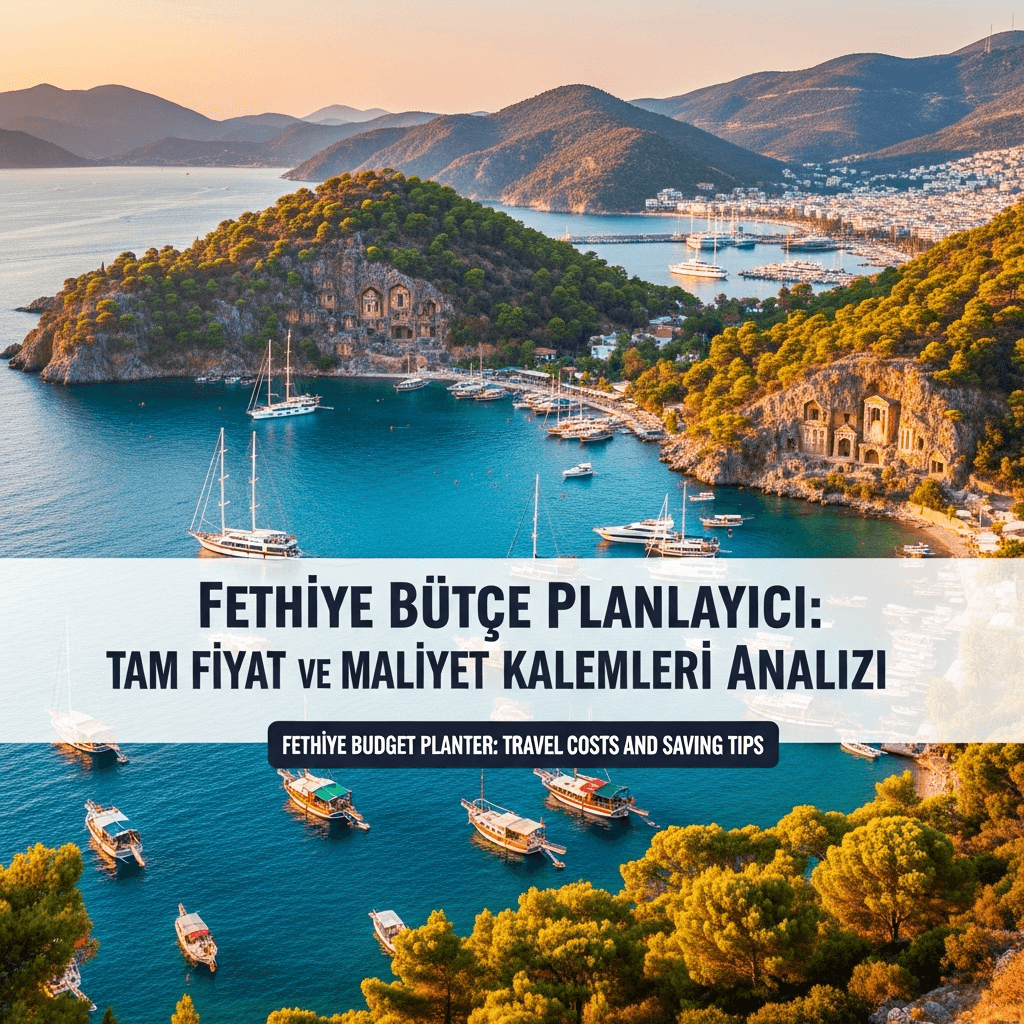
Fethiye Bütçe Planlayıcı: Tam Fiyat ve Maliyet Kalemleri Analizi
Fethiye ne kadar pahalı? 2024 ve 2025 yemek fiyatları, Dolmuş ücreti, Tekne turu ve ucuz villa otel maliyetleri hakkındaki en eksiksiz SEO tatil bütçe hesaplayıcısı.
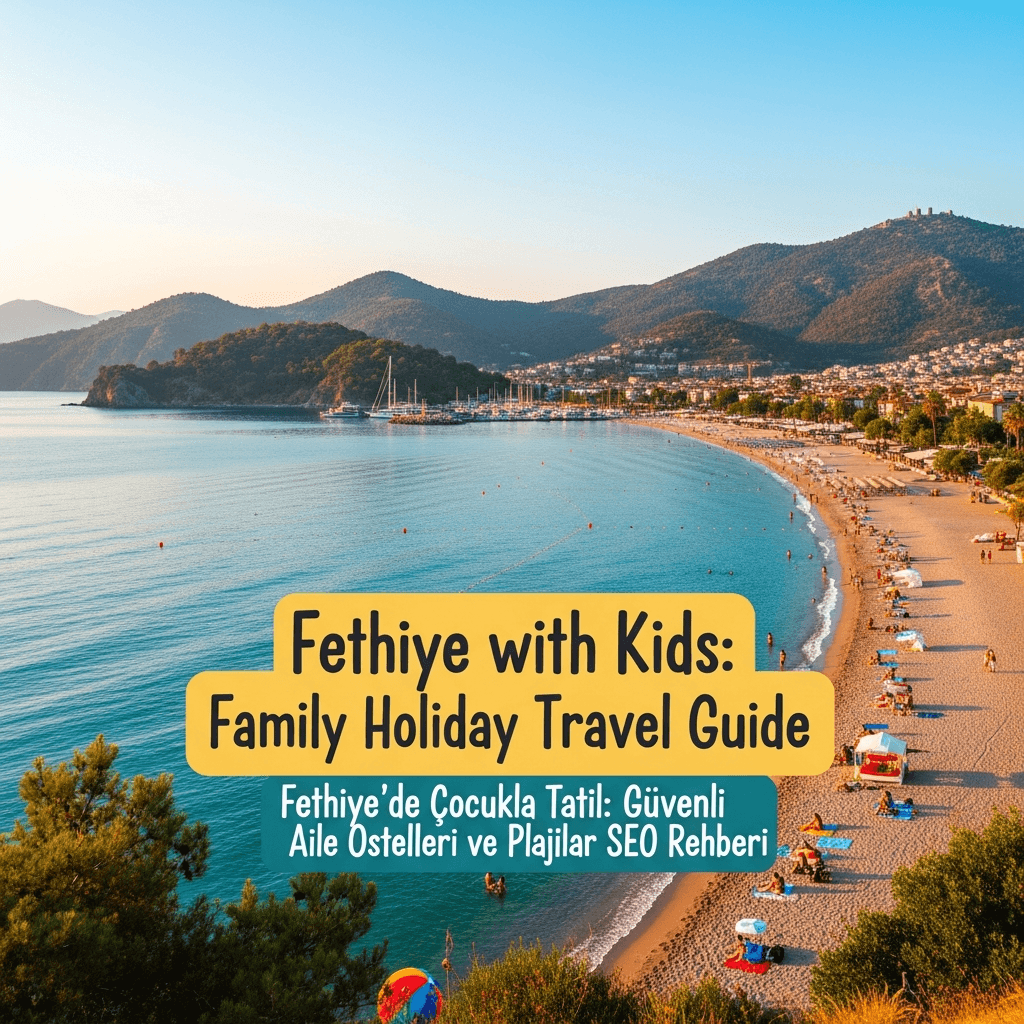
Fethiye’de Çocukla Tatil: Güvenli Aile Otelleri ve Plajlar SEO Rehberi
Fethiye çocukla tatile gidilir mi? Bebekli ve küçük çocuklu aileler için sığ Ölüdeniz kumsalları, puset dostu Çalış sahil otelleri ve SEO etkinlik rehberi.
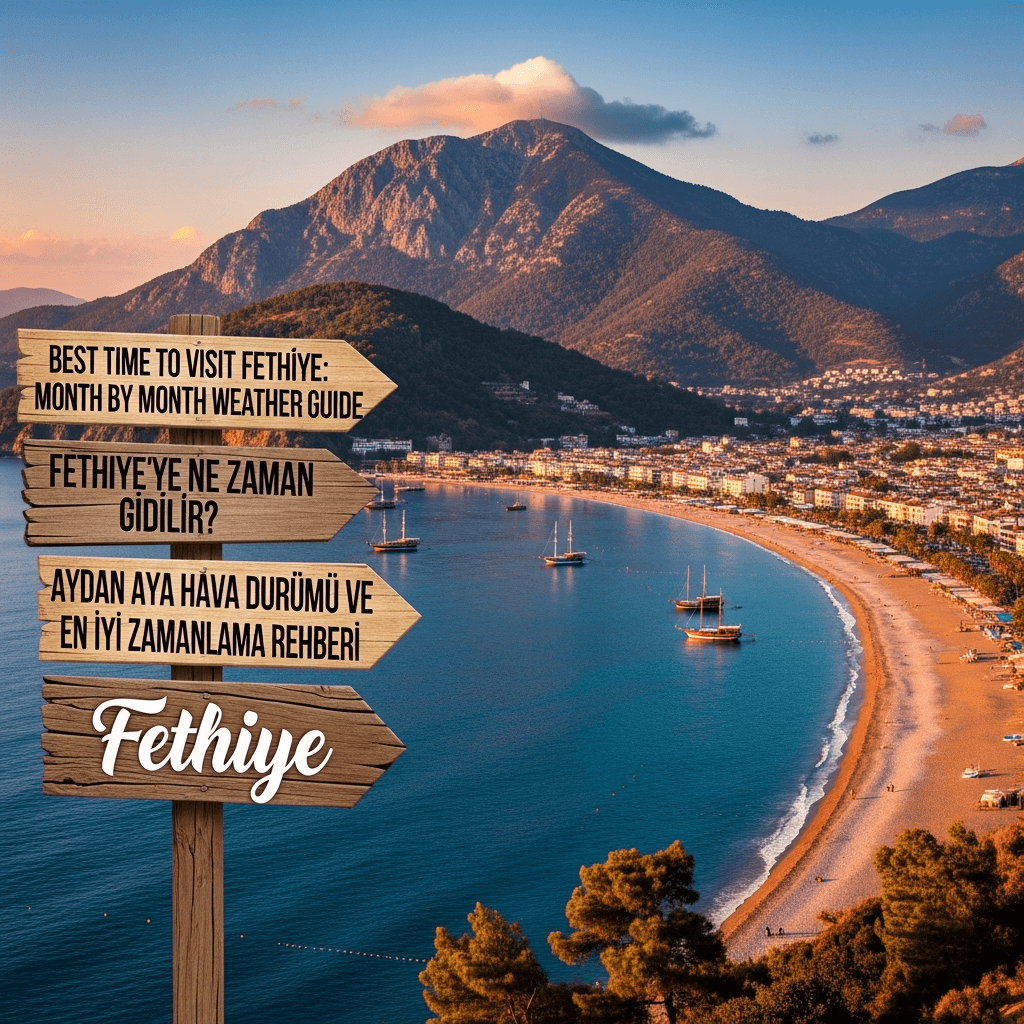
Fethiye'ye Ne Zaman Gidilir? Aydan Aya Hava Durumu ve En İyi Zamanlama Rehberi
Fethiye tatili için en iyi aylar. Yaz sıcaklıkları, Eylül Ekim sonbahar sükuneti ve İlkbahar deniz suyu sıcaklıkları Fethiye SEO iklim ve bavul rehberi.
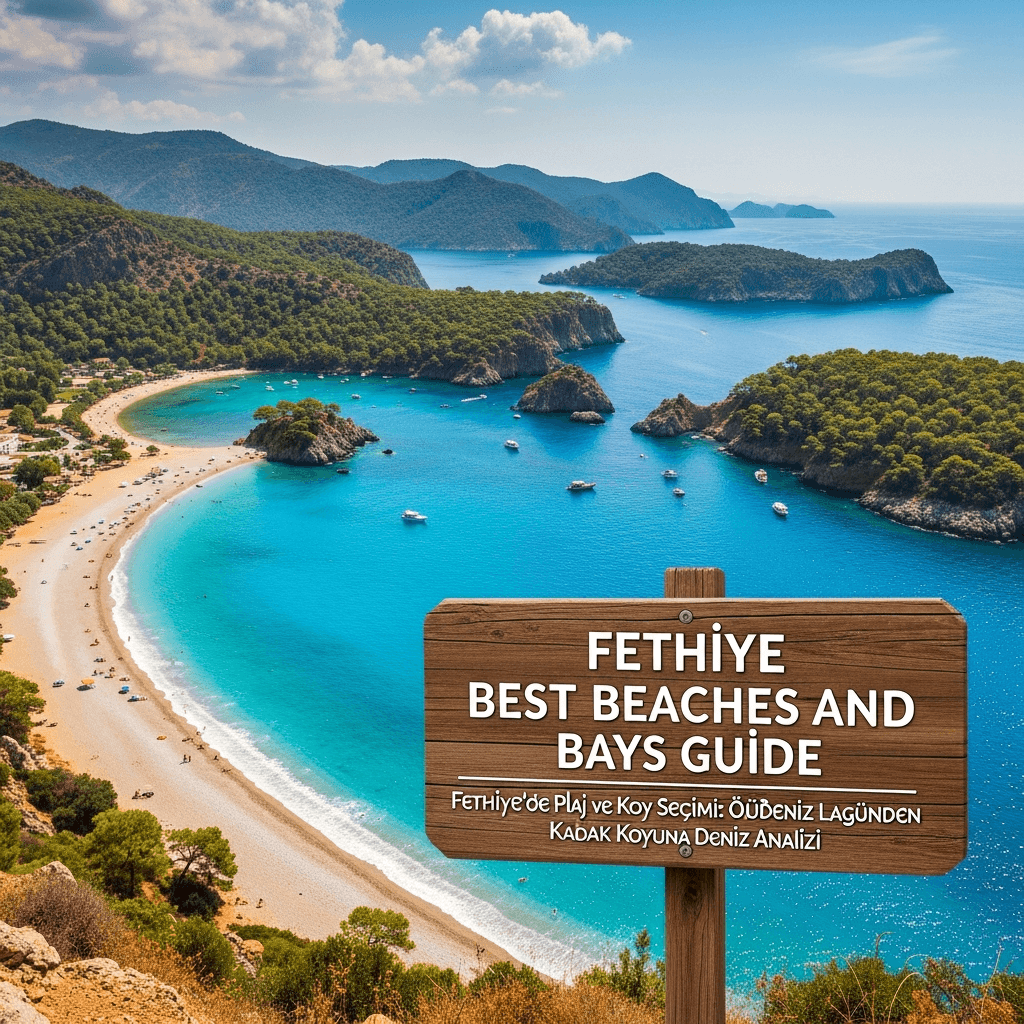
Fethiye'de Plaj ve Koy Seçimi: Ölüdeniz Lagünden Kabak Koyuna Deniz Analizi
Fethiye ve Ölüdeniz'in en iyi plajları nasıl seçilir? Mavi lagün, Belcekız, Çalış kumsalı ve Kıdrak/Kabak koylarında yüzme, dalga ve SEO çocuk uygunluk rehberi.
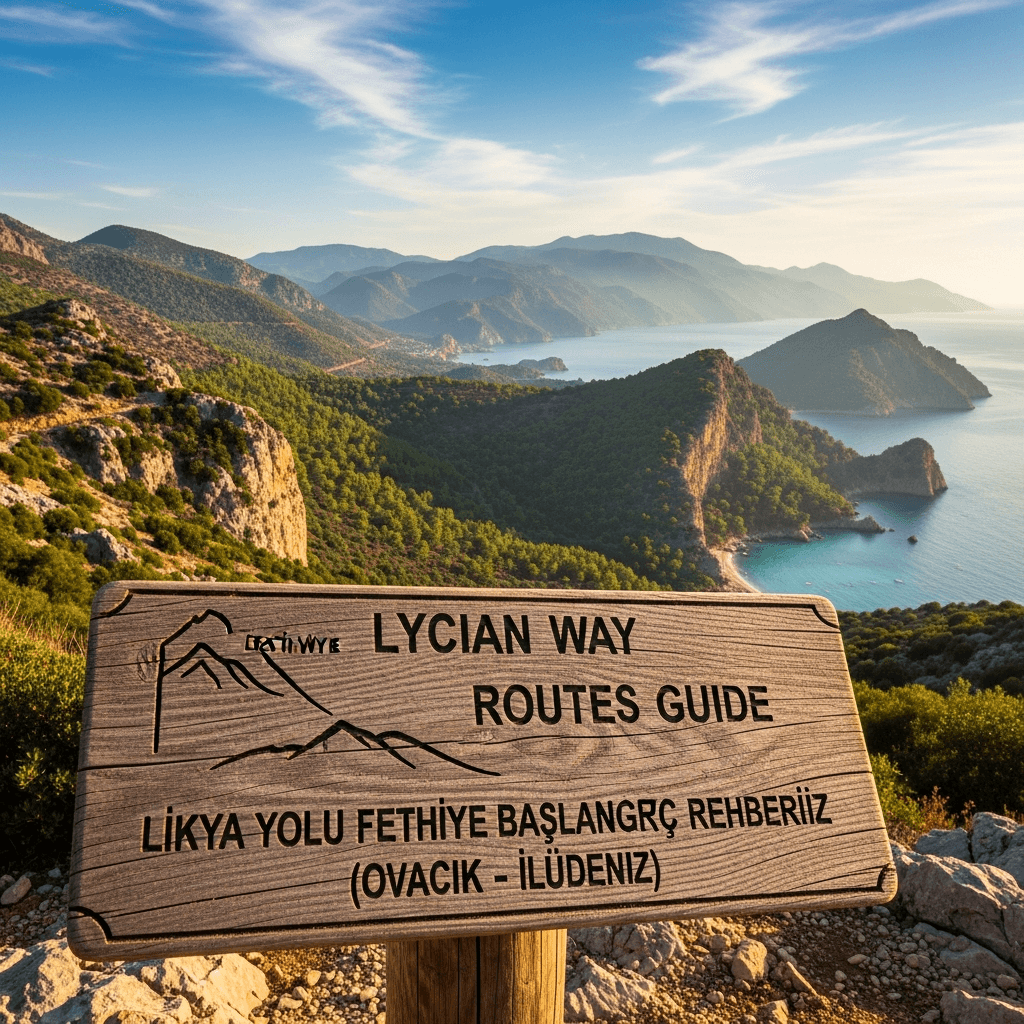
Likya Yolu Fethiye Başlangıç Parkuru Rehberi (Ovacık - Ölüdeniz)
Fethiye'den başlayan Likya yolu etapları (Ovacık, Faralya, Kayaköy). Günübirlik yürüyüş rotaları, sarı çizgi işaretleri ve dev ekipman tablolu SEO doğa rehberi.
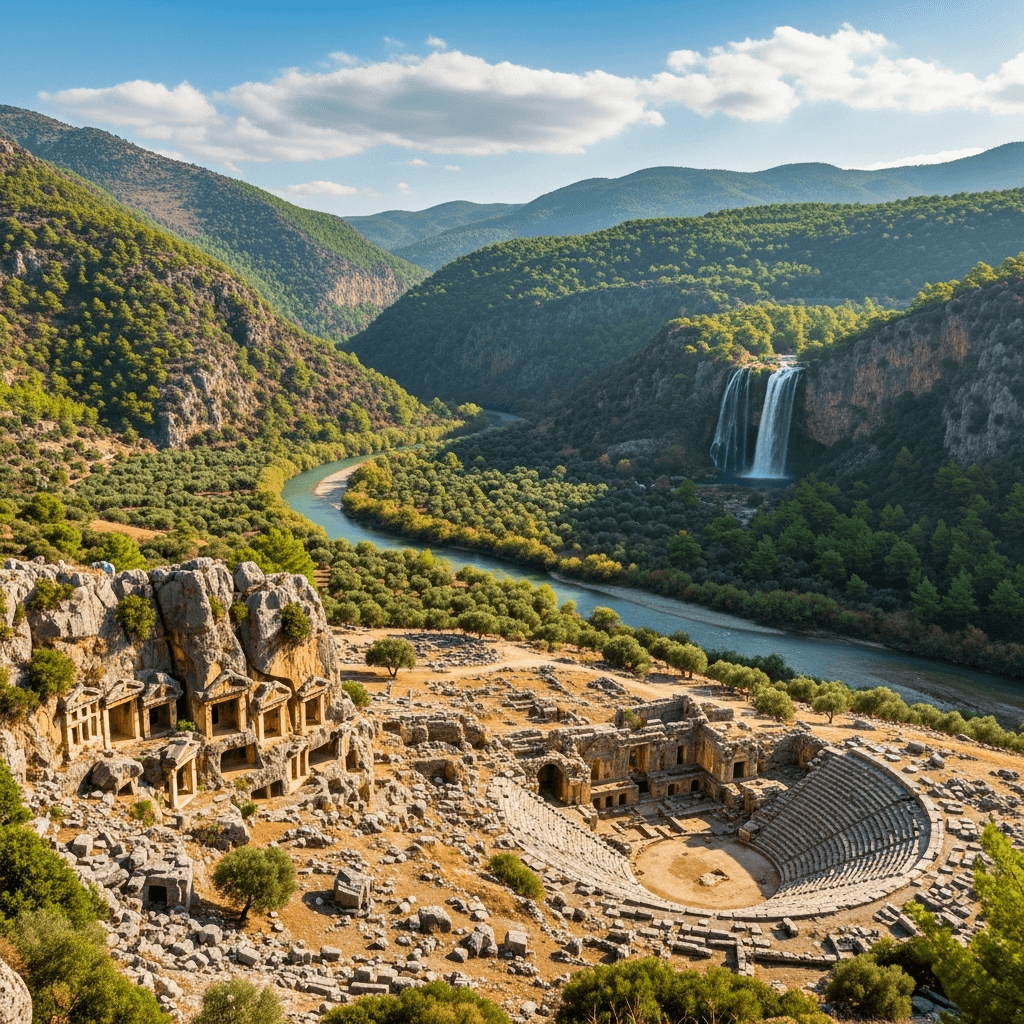
Fethiye Tlos Antik Kenti ve Yakapark Şelalesi: Saklıkent Kombinasyonu
Fethiye'de bir gün: Sabah Tlos antik kenti ve kaya mezarları gezisi, öğlen Yakapark şelalesi alabalık molası ve akşamüstü Gizlikent kanyonu. Tam gün eşsiz SEO rehberi.
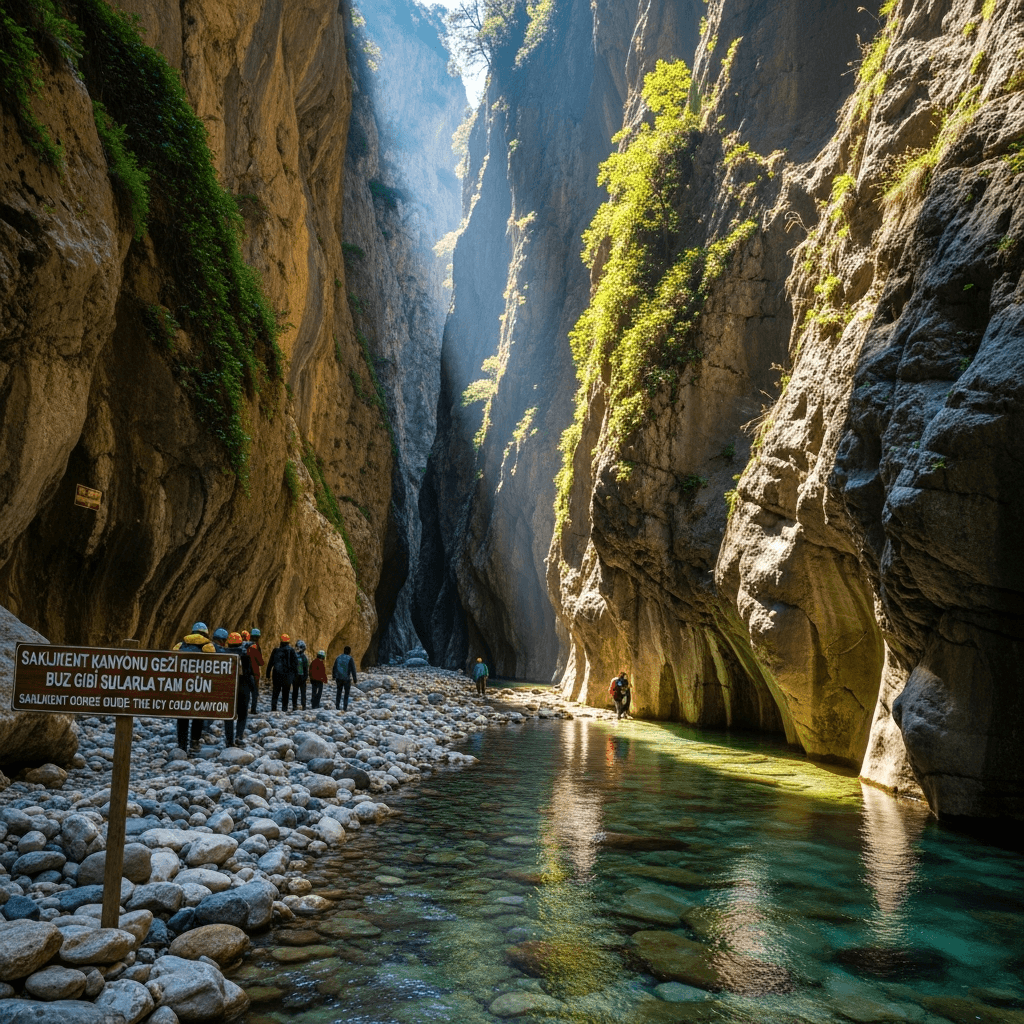
Saklıkent Kanyonu Gezi Rehberi: Buz Gibi Sularla Tam Gün
Fethiye Saklıkent kanyonu giriş ve gezi rehberi. Nehir yürüyüşü, çamur banyosu ve restoran fiyatları. Gizlikent mi Saklıkent mi kıyaslaması.
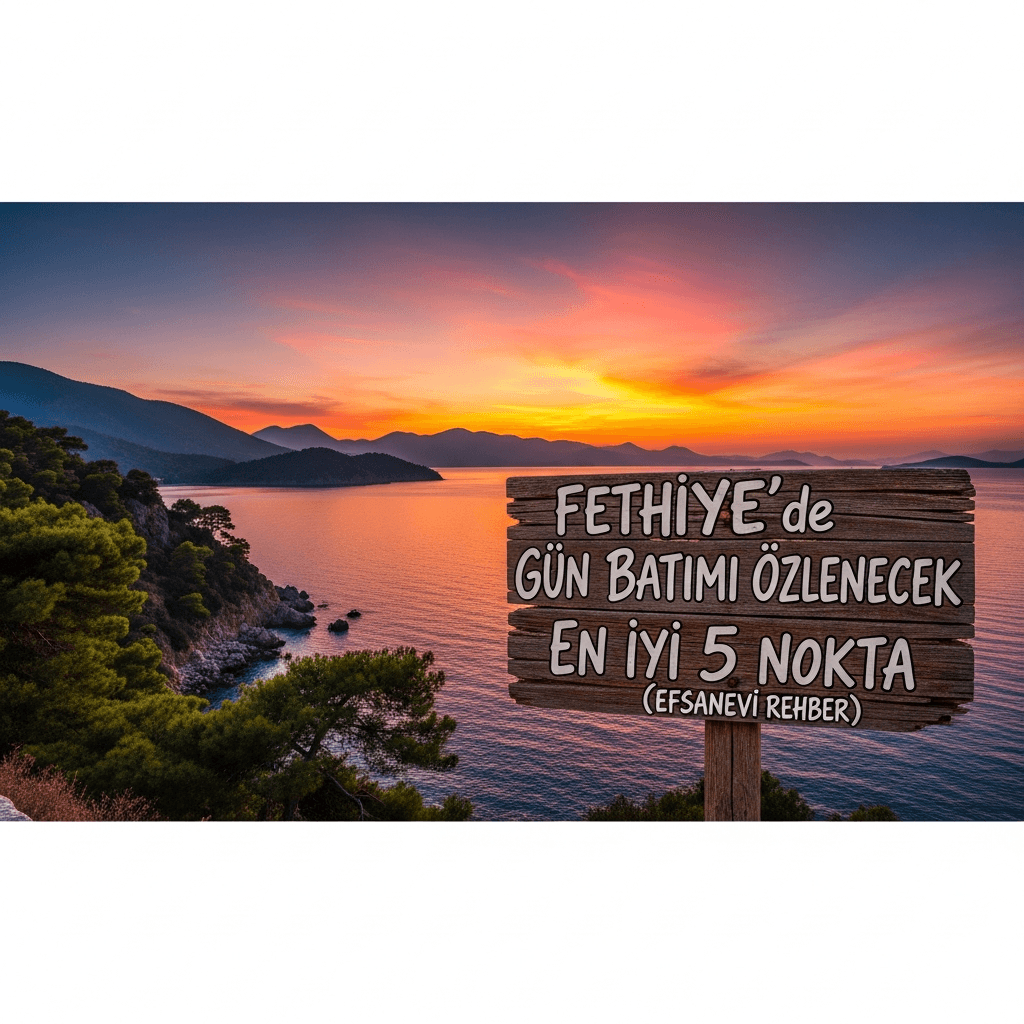
Fethiye'de Gün Batımı İzlenecek En İyi 5 Nokta (Efsanevi Rehber)
Fethiye'de gün batımı nerede izlenir? Çalış plajı, Babadağ 1700m seyir terası, Şövalye adası ve Gemiler koyu için tablolu tam SEO akşamüstü romantik rehberi.
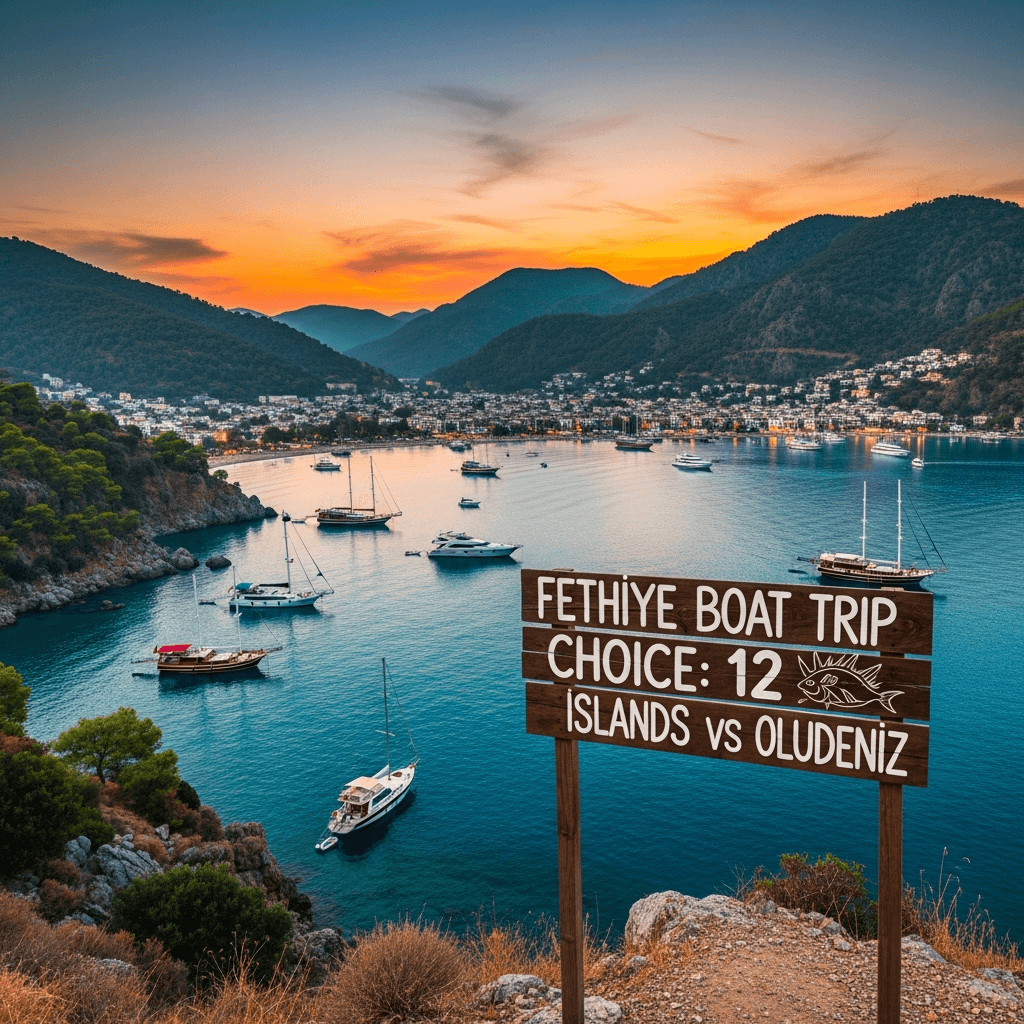
Fethiye Tekne Turu Seçme Rehberi: 12 Adalar Mı Ölüdeniz mi?
Fethiye tatilinde 12 Adalar tekne turu ile Ölüdeniz Kelebekler vadisi turu arasındaki farklar. Hangi gemi size uygun? Kıyaslama tabloları ve deniz tutması önlemleri.
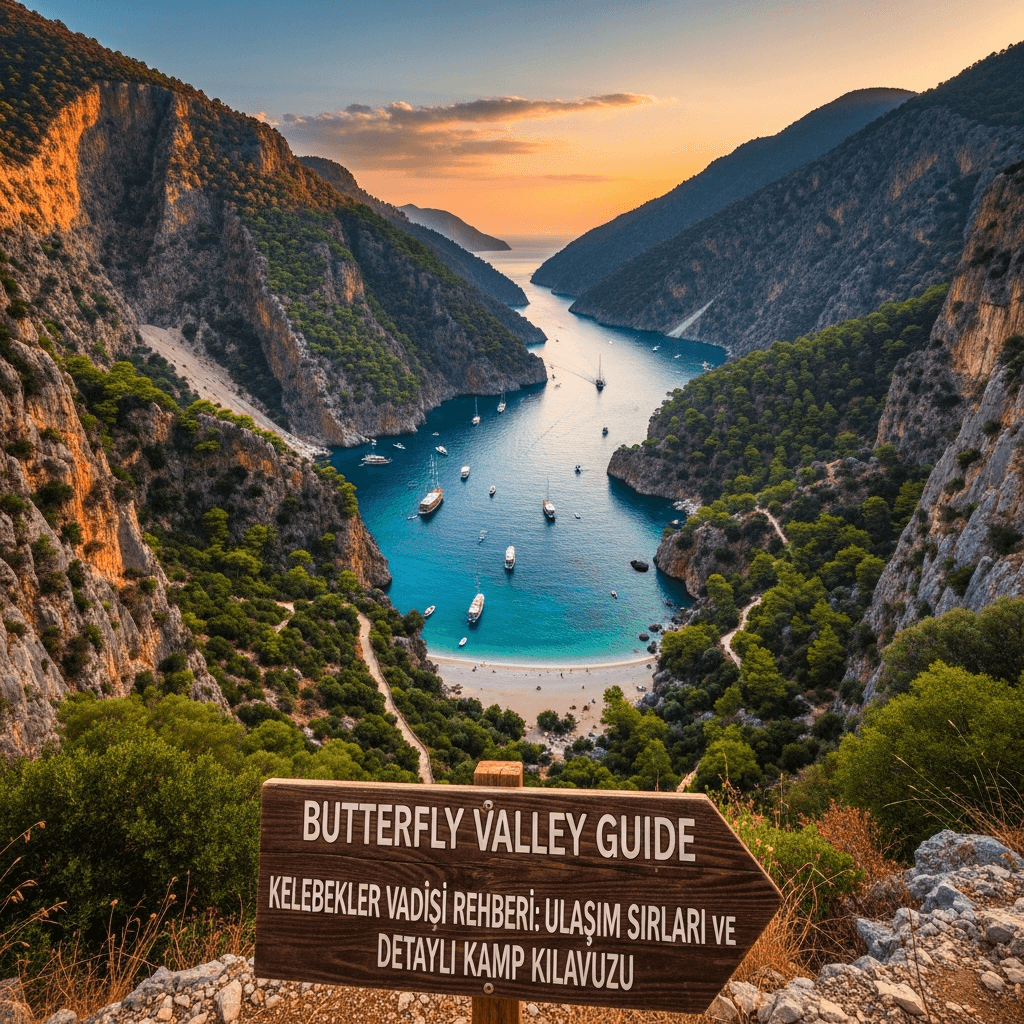
Kelebekler Vadisi Rehberi: Ulaşım Sırları ve Detaylı Kamp Kılavuzu
Fethiye Kelebekler Vadisine nasıl gidilir? Tekne ile mi karadan mı? Kamp ve şelale yürüyüşü için tablo ve maddelerle tam SEO uyumlu dev gezi planı rehberi.
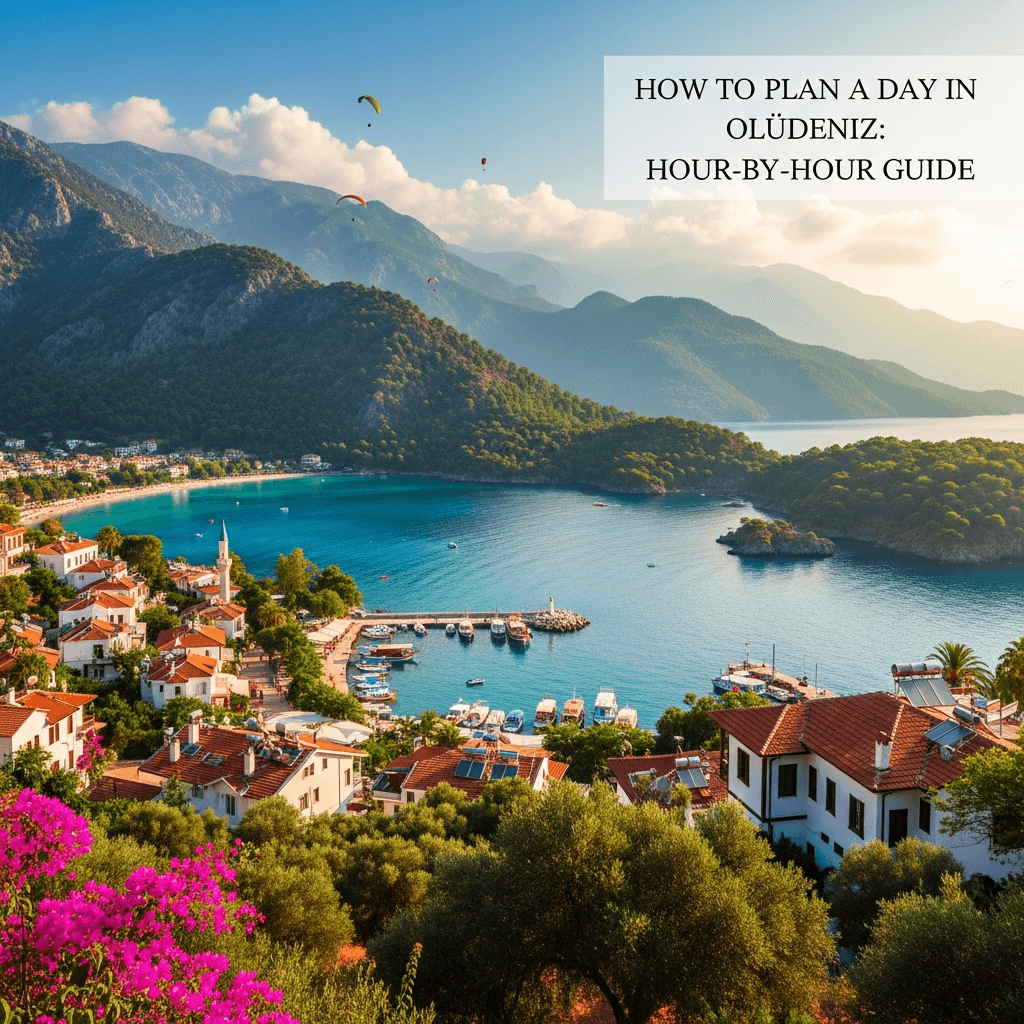
Ölüdeniz Günü Nasıl Planlanır? Kusursuz Bir Gün İçin Saat Saat Akış
Ölüdeniz, Kumburnu lagünü, Belcekız plajı ve Babadağ teleferik turu için tablo ve maddelerle tam SEO uyumlu saat saat gezi planı ve tatil rehberi.
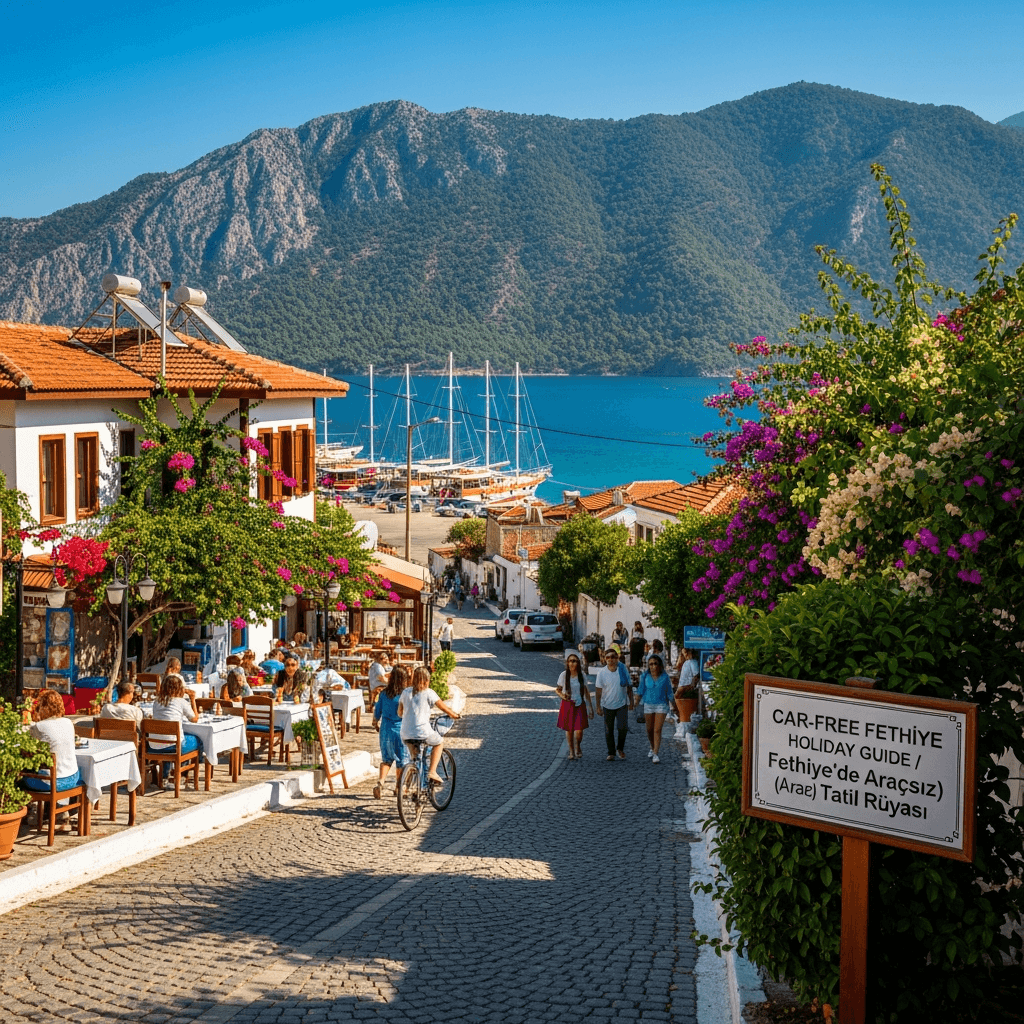
Fethiye’de Araçsız (Arabasız) Tatil Rüyası: Özgürlük, Rahatlık ve Konforun Formülü
Fethiye'de araba kiralamadan harika bir tatil yapmak mümkün. Dolmuşlar, su taksileri ve yürüyüş yollarıyla eşsiz rotalara ulaşım rehberi.
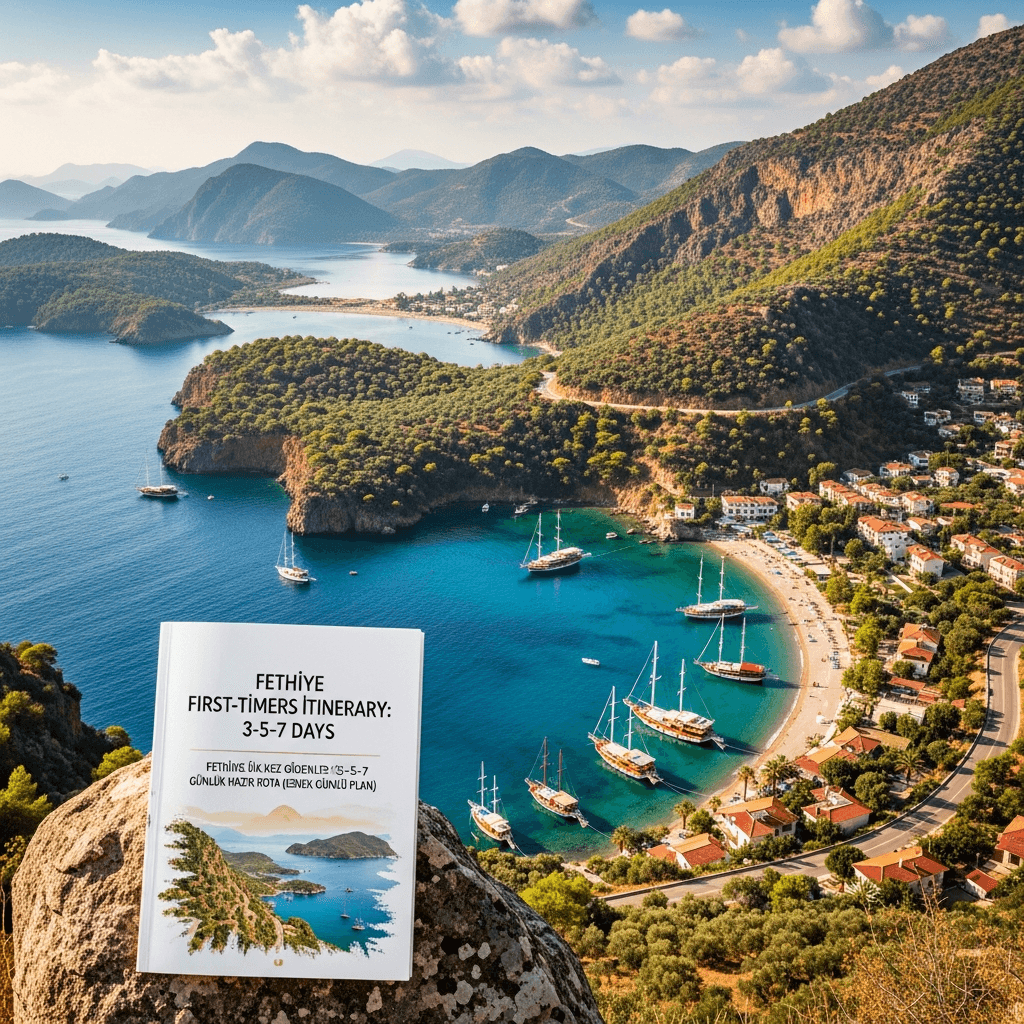
Fethiye İlk Kez Gidenler İçin: 3–5–7 Günlük Hazır Rota (Esnek Günlü Plan)
Fethiye'ye ilk defa gidenler için özenle hazırlanmış tam kapsamlı 3, 5 ve 7 günlük mükemmel tatil rotası. Ölüdeniz, Kelebekler, Saklıkent.
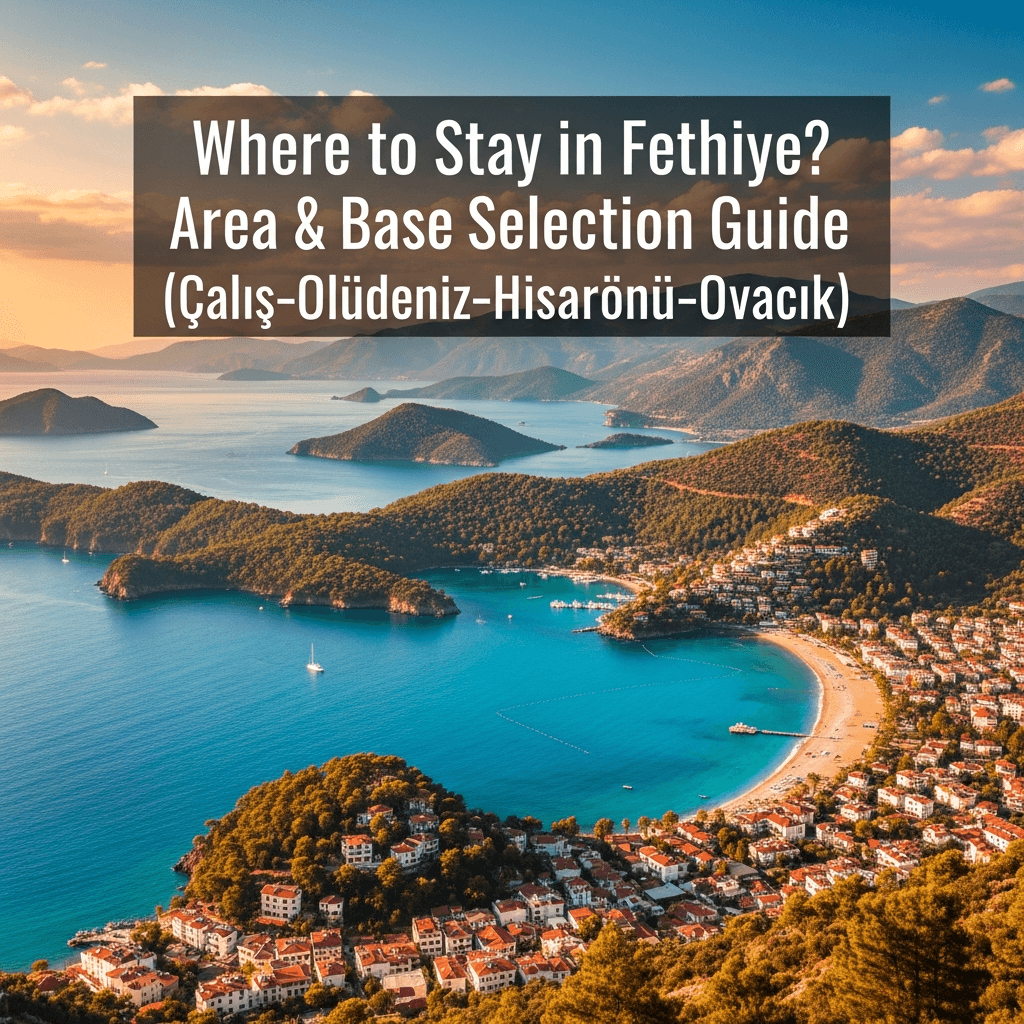
Fethiye’de Nerede Kalınır? Bölge Bölge Base Seçim Rehberi (Çalış–Ölüdeniz–Hisarönü–Ovacık)
Fethiye tatilinde doğru bölgeyi seçmenin püf noktaları. Çalış plajı, Ölüdeniz, Hisarönü, Ovacık ve Merkez detaylı analiz. Kapsamlı tatil rehberi.
Bu rehber işinize yaradı mı?
bölgesindeki daha fazla gizli cenneti keşfetmek için diğer rehberlerimize göz atın.
Tüm Rehberleri Keşfet