Common Travel Mistakes in Turkey (UK Traveller Edition) — and How to Avoid Them
TR Pasif.
Hızlı Özet
- • bölgesinde gezilecek en iyi yerler
- •Yerel restoran ve kafe önerileri
- •Konaklama seçenekleri ve fiyat aralıkları
- •Ulaşım bilgileri ve ipuçları
İçindekiler
Common Travel Mistakes in Turkey (UK Traveller Edition) — and How to Avoid Them
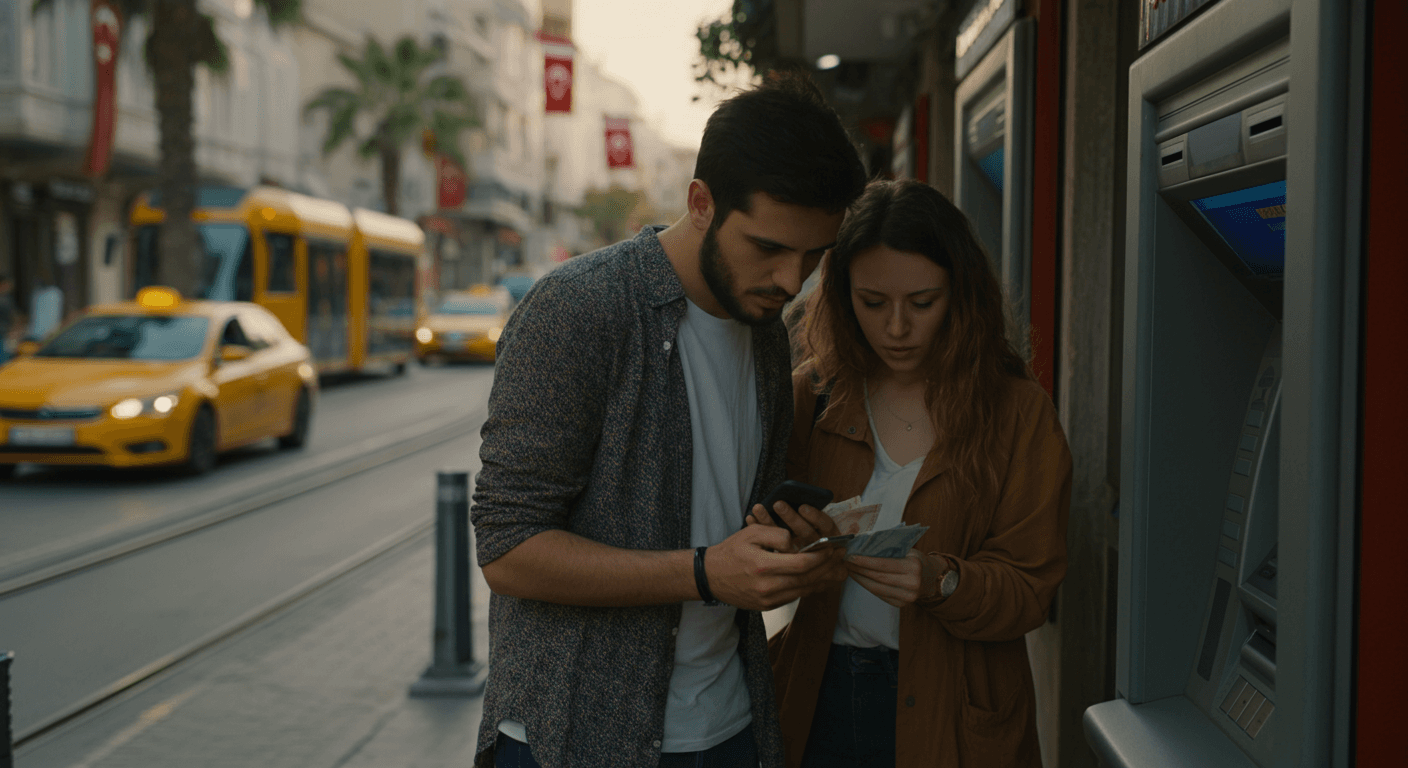
- Use Turkish lira for most everyday spending; keep cards as backup and avoid unlicensed street ATMs.
- Book airport transfers or research the Havaist and HAVAŞ buses instead of jumping in the first taxi at arrivals.
- Dress modestly for mosques and conservative neighbourhoods such as Fatih in Istanbul and Konya city centre.
- In resorts like Lara Beach, Gümbet and Hisarönü, watch bar tabs, add-ons and tour "upgrades" before you agree.
- Always check if your hotel-area tap water is potable; many travellers stick to bottled or filtered water.
- Use licensed yellow taxis, official taxi ranks or apps, and confirm the meter is on before moving off.
- Carry a small card with your accommodation address in Turkish for taxis and dolmuş drivers.
- Check the latest e‑visa rules and passport validity for UK citizens on official government websites before you travel.
Common mistakes UK travellers make in Turkey usually come down to money, transport, dress codes and assuming resort rules apply everywhere. By knowing how currency works, how to move around safely, and how local customs differ between, say, central Istanbul and a Bodrum beach strip, you can avoid most problems and enjoy a smoother holiday.
Introduction: Why UK Travellers Trip Up in Turkey
Turkey feels familiar to many UK visitors: English menus in Marmaris, full English breakfasts in parts of Altınkum, football on TV in Bodrum bars. But the same trip can include a tram ride along Istanbul’s Istiklal Caddesi, a mosque visit in Üsküdar, and a night out on Barlar Sokağı (Bars Street) in Kuşadası. The mix of European and Middle Eastern influences means assumptions from Spain or Greece do not always work here.
This guide focuses on the mistakes British travellers most often make in Turkey and the practical ways to avoid them, from paying in the wrong currency to misreading local etiquette in places like Cappadocia, Antalya and Fethiye.
Money Mistakes: Currency, ATMs and Overpaying
Using the Wrong Currency at the Wrong Time
Many UK visitors are told “You can pay in pounds or euros anywhere”. In touristy streets like Çarşı Caddesi in Bodrum or along Çalış Beach promenade in Fethiye, that can be true, but it is rarely the cheapest way to pay.
- Everyday spending (supermarkets, bakeries, local taxis, dolmuş): Turkish lira is almost always better.
- Some big-ticket items (long boat trips, paragliding in Ölüdeniz, long-distance tours): agents might price in euros or pounds. Compare against lira at that day’s rate before agreeing.
- Simple rule: If you see a supermarket like Migros or Şok, or buy simit from a street seller near Kadıköy ferry pier, pay in lira.
Dynamic Currency Conversion (DCC) on Card Machines
Many card terminals in Turkish resorts will offer to charge your card in GBP rather than TRY.
- The screen might say “Charge in GBP? Yes/No”.
- If you choose GBP, the machine’s exchange rate is often worse than your bank’s.
- UK-friendly tip: When paying by card, pick “Local currency (TRY)” and let your UK bank handle the conversion.
ATM Traps and Withdrawal Fees
In busy resort strips such as Barlar Sokağı in Marmaris and around Liman Caddesi in Kemer, you will find lots of independent ATMs painted in bright colours, often offering multiple currencies. Many travellers do not realise:
- These can add high withdrawal fees and poor exchange rates.
- Some ATMs default to currency conversion similar to DCC. Always look for “Without conversion” if offered.
- ATMs attached to major Turkish banks (e.g. along Atatürk Caddesi in Antalya city centre) typically have clearer fee structures.
Practical approach:
- Use ATMs attached to banks during daylight.
- Avoid stand‑alone ATMs on narrow side streets, especially after bars close.
- Withdraw larger amounts less frequently to reduce per‑withdrawal fees, but do not carry all your cash on nights out.
Not Having Small Notes and Coins
In Turkey, small notes and coins matter. On dolmuş routes such as Antalya–Konyaaltı or Fethiye–Ovacık–Hisarönü–Ölüdeniz, drivers prefer smaller denominations.
- Keep a mix of 10, 20 and 50 lira notes for public transport.
- Use larger notes in supermarkets (e.g. in Bodrum’s Dr. Mümtaz Ataman Caddesi area) where they can break them easily.
- For toilets at otogar (bus stations) like Istanbul Esenler or Izmir Otogarı, have coins ready; there is usually a small charge.
Planning & Paperwork Mistakes
Visa, Passport and Entry Rules
Rules for UK passport holders have changed several times, and many travellers rely on outdated forum posts.
- Passport validity: Ensure you have sufficient validity beyond your date of entry; check official UK and Turkish government sites for the latest requirement.
- Visa / e‑visa: UK citizens’ requirements can change. Always confirm on the official Turkish e‑visa portal or via government advisories.
- Overstays: Overstaying can lead to fines and potential future entry restrictions. Keep an eye on your permitted stay, especially if combining a long stay in Istanbul with time in Antalya or Cappadocia.
Simple rule: Before you book flights on yeriniayir.com, check both the UK FCDO Turkey page and the official Turkish e‑visa site the same week you book.
Travel Insurance Gaps
Many UK travellers assume their EHIC/GHIC covers Turkey, but it does not. Common gaps:
- No cover for paragliding from Babadağ above Ölüdeniz, quad biking in Cappadocia valleys, or boat trips around Göcek islands.
- Insufficient medical cover for private hospitals in big cities like Istanbul (e.g. around Şişli and Kadıköy).
- No protection for missed connections on internal flights via Istanbul Airport (IST) or Sabiha Gökçen (SAW).
Always read the section listing “hazardous activities” and add sports cover if you plan to dive in Kaş or kayak near Dalyan’s İztuzu Beach.
Over‑ambitious Itineraries
On a map, Istanbul to Cappadocia or Fethiye to Pamukkale does not look far, but journey times are long.
- Istanbul (European side) to Cappadocia by bus via Ankara can take 10–12 hours overnight.
- Driving from Kuşadası to Antalya along the coast takes much longer than the straight‑line distance suggests due to winding roads.
- Cappadocia sights like Göreme Open Air Museum, Derinkuyu underground city and Uçhisar are spread out; you cannot realistically “do Cappadocia” in one day trip from the coast.
Plan “base and explore” stays: for example, use Fethiye as a base for Saklıkent Gorge and Kayaköy, or stay near Antalya’s Kaleiçi for day trips to Termessos, Side or Köprülü Canyon.
For more on structuring your route, see two-week Turkey itinerary from the UK.
Transport & Getting Around: Common Pitfalls
Airport Arrivals: Taxi and Transfer Mistakes
After a late flight into Antalya, Dalaman or Bodrum–Milas, many UK travellers head straight to the nearest taxi without checking options.
- Antalya: For city stays around Kale Kapısı and Işıklar Caddesi, the AntRay tram from the airport is often cheaper than a taxi. For Lara Beach or Konyaaltı, consider pre‑booked transfers.
- Istanbul: From Istanbul Airport (IST), Havaist buses run to hubs like Taksim and Beşiktaş. From Sabiha Gökçen, HAVAŞ and municipal buses connect to Kadıköy and Taksim.
- Muğla region (Dalaman/Bodrum): For Fethiye, Marmaris and Bodrum town, official airport coaches usually wait outside arrivals and are clearly signed with destination names.
UK-friendly tip: Before you fly, jot down which bus/tram line you need and where to get off. For example, “AntRay: Airport → İsmetpaşa (for Kaleiçi)”.
Taxi Etiquette and Meter Confusion
In cities like Istanbul, Antalya and Izmir, yellow taxis are common, but visitors sometimes struggle with meters and routes.
- Always check the meter is on as you leave the rank outside Taksim Square or Karşıyaka ferry terminal.
- Avoid agreeing “no meter, fixed price” unless you are certain of the usual fare.
- Have your destination written in Turkish, e.g. “Güllük Caddesi, Ankara” or “Atatürk Bulvarı, Fethiye”.
- Traffic in Istanbul around the Bosphorus bridges and E5 highway can be heavy; factor this into timetables for the airport or intercity bus.
Misusing Dolmuş and Local Buses
Dolmuş minibuses are a brilliant, cheap way to move between resorts and nearby villages, but visitors sometimes:
- Do not realise they can ask the driver to stop almost anywhere along the route.
- Forget to keep small notes for the fare.
- Miss the last departure back from places like Ölüdeniz to Fethiye or from Manavgat to Side.
Common enthusiast routes for UK holidaymakers include:
- Fethiye–Hisarönü–Ölüdeniz: Minibuses leave from the Fethiye otogar and also pass along Atatürk Caddesi near the town centre.
- Antalya–Konyaaltı: Local buses and dolmuş run from Atatürk Caddesi and tram stops near Kaleiçi.
- Bodrum–Gümbet–Bitez: Short dolmuş hops from the Bodrum bus station off Atatürk Bulvarı.
Simple rule: When you get on, say your destination (e.g. “Ölüdeniz” or “Gümbet”) and pass your fare forward. Locals will often help make sure you get off at the right stop.
Cultural & Behaviour Mistakes
Dress Codes in Mosques and Conservative Areas
In coastal areas like Kaş, Alanya and Bodrum, dress is relaxed. But in central districts of cities like Konya, Kayseri, or Istanbul’s Fatih, standards are more conservative, especially near prominent mosques such as Süleymaniye or Eyüp Sultan.
- For mosque visits, shoulders and knees should be covered; women are usually expected to cover their hair.
- Some major mosques (e.g. in Sultanahmet) loan scarves and wraparound skirts, but not all do.
- On trams and metros through areas like Bağcılar or Ümraniye, beachwear will stand out and may attract unwanted attention.
UK-friendly tip: Keep a light scarf in your day bag when exploring old districts or religious sites; it also helps against sun and evening breeze on the Kadıköy–Beşiktaş ferry.
Table Manners, Tipping and Tea Culture
Food culture is central in Turkey, from Galata Bridge fish sandwiches to meze spreads along Konyaaltı Beach road.
- Tipping: In normal restaurants, 5–10% is typical. In more upmarket city restaurants, some Turks tip up to 10–15%, but you are not expected to match UK levels in every case.
- Cash tips: Leaving coins or small notes on the table is fine; for card payments, some terminals allow you to add a tip.
- Tea & coffee: Being offered çay (tea) in shops, on boat tours from Fethiye harbour or during carpet demonstrations in Cappadocia is common. You do not have to buy anything because you accepted tea, but it is polite to stay a few minutes and be clear if you are not shopping.
Mistaking Haggling Zones
Many UK travellers either haggle everywhere or nowhere. In reality:
- Haggling is expected for non‑fixed price items in tourist bazaars like Grand Bazaar (Kapalıçarşı), Spice Bazaar (Mısır Çarşısı), and weekly markets such as Çarşamba Pazarı in Fethiye.
- No haggling in chain supermarkets, bakeries, pharmacies, metro ticket kiosks, or when buying an Istanbulkart.
- In smaller towns like Aydın or Denizli, markets are more local; prices may already be reasonable.
Simple rule: If there are no price tags and you are in a tourist‑heavy area, a little polite bargaining is normal. If prices are printed or scanned at a till, haggling is out of place.
Food, Water and Health Mistakes
Tap Water Assumptions
Tap water safety varies by region and even by neighbourhood.
- In many parts of Istanbul, locals cook with tap water but still drink bottled or filtered water.
- In coastal resort towns like Didim, Side and Marmaris, many travellers prefer bottled water due to taste and to avoid minor stomach upsets.
- Most accommodation will tell you whether tap water is suitable to drink in your area; when in doubt, choose bottled.
Insider note: Many Turkish families use large refillable 19L bottles called damacana at home. This is a sign that bottled is normal, not panic.
Street Food Worries
Some visitors avoid all street food, missing out on local favourites like:
- Simit rings from trolleys along Kadıköy’s Bahariye Caddesi.
- Freshly grilled balık ekmek (fish sandwiches) near the Eminönü ferry docks.
- Stuffed mussels (midye dolma) on evening streets in Alsancak, Izmir or Beşiktaş, Istanbul.
Simple hygiene checks:
- Choose busy stalls with high turnover.
- Look at how food is stored; if it is sitting in direct sun all day, be cautious.
- Follow local crowds; if office workers are queuing at a lokanta on İstiklal Caddesi at lunchtime, it is usually reliable.
Underestimating the Sun and Heat
In July and August, midday heat in Antalya, Bodrum and Çeşme can be intense.
- Plan outdoor walking for mornings or late afternoons, especially on stone streets in Kaleiçi (Antalya Old Town) and around Ephesus.
- Carry water when walking up steep lanes in places like Kaş or Şirince.
- Use high SPF and light clothing even on slightly hazy days; sea breeze on Konyaaltı or Icmeler beaches can be deceptive.
Shopping, Tours and Excursion Mistakes
Not Comparing Tour Offers
Along seafronts like Çalış Beach, Kuşadası marina or Alanya harbour, boat trip and excursion stands are everywhere. Mistakes often include:
- Paying without asking what is included (lunch, drinks, transfers, equipment).
- Not checking how many swimming stops or how long is spent at key sights.
- Assuming all “12 islands” or “green canyon” tours follow the same route.
Simple rule: Ask what is excluded, not only what is included. For example, “Are entry tickets to Saklıkent and Gizlikent waterfalls included?”
Carpet and Jewellery Shop Pressure
In old districts such as Sultanahmet, Kapalıçarşı and Antalya’s Kaleiçi, carpet and jewellery shops may invite you in for tea. This is cultural hospitality, but some visitors feel obliged to buy.
- It is acceptable to say you are only looking; if you are not interested, say so early.
- For carpets, prices can vary widely depending on quality; research basics first if you plan to spend a significant amount.
- For gold jewellery in areas like Kuşadası old town, always ask for receipts and clarity on carat and weight.
Nightlife & Alcohol Mistakes
Bar Streets and “Free Shots”
Resort nightlife areas like Gümbet’s bar street, Hisarönü main strip and Marmaris Barlar Sokağı target UK travellers with loud music and drinks offers.
- Always check if “free shots” or “2‑for‑1 cocktails” have conditions (minimum spend, specific brands only).
- Ask whether service charge is added to your bill; in some late‑night venues, an extra percentage appears.
- Keep a mental note of what you ordered; if the printed bill seems too high, calmly query it before paying.
Public Drinking and Local Sensitivities
Turkey has bars and nightclubs, but attitudes to alcohol vary by area.
- In coastal resorts and city nightlife zones (e.g. Istanbul’s Karaköy and Kadife Sokak in Kadıköy), drinking is common and accepted.
- In conservative districts, overt drunkenness or drinking on residential streets can cause tension.
- On public transport, alcohol consumption is generally frowned upon.
UK-friendly tip: Treat beaches and promenades as mixed spaces: some locals will be out for a quiet family walk. Keep loud, late‑night drinking to designated bar areas.
Safety, Respect and Common‑sense Mistakes
Valuables and Crowded Areas
In very busy areas like Istiklal Caddesi, around Taksim Square, at big markets such as Kadıköy Tuesday Market, and at major bus stations, be aware of your belongings.
- Use a small cross‑body bag or money belt on tram rides through crowded zones.
- Avoid keeping phones in back pockets when taking photos on Galata Bridge or near Ortaköy Mosque.
- At beaches like Lara, Altınkum or Çalış, do not leave valuables unattended while you swim; take turns or use lockers where available.
Respect at Religious and Historic Sites
Sites like Hagia Sophia, Topkapı Palace, Mevlana Museum in Konya and Sumela Monastery are both tourist attractions and places of deep significance.
- In mosques, avoid loud conversations and phone calls; put phones on silent.
- Follow photography signs; flash may be restricted inside some mosques and museums.
- At cemeteries and around war memorials like Gallipoli (Gelibolu) peninsula, behave as you would at UK remembrance sites.
Ignoring Local News and Advice
Conditions in Turkey can change, including weather events, local demonstrations or temporary closures.
- Ask your accommodation staff about any local events affecting roads (e.g. marathons in Istanbul closing Bosphorus Bridge or streets around Dolmabahçe Palace).
- For long drives between cities like Antalya and Cappadocia, check road conditions, especially in winter on high passes.
- Keep an eye on official advisories if you are travelling far off the main tourist routes.
To understand regional differences better, see best areas to stay in Istanbul for UK travellers and Antalya vs Bodrum for UK holidaymakers.
Practical Costs, Times and Quick Reference
Typical Cost Ranges (Approximate)
Prices in Turkey change with inflation and exchange rates, so treat these as broad guides and always check locally.
- Urban tram/metro ride (Istanbul): Usually a modest fare when using Istanbulkart; cheaper with transfers.
- Dolmuş ride (short resort route): Often just a few tens of lira between neighbouring areas like Bodrum–Gümbet or Fethiye–Hisarönü.
- Tea (çay) in a local café: Low cost in side‑street tea houses, higher in tourist squares like Sultanahmet.
- Typical simple meal in local lokanta: Often cheaper than UK pub food, depending on location and dish.
- Boat day trip from Fethiye or Marmaris: Shop around several agencies on the harbour; expect a range depending on inclusions.
Simple rule: If a price on a busy local street in Ankara or Izmir looks very similar to London prices, it is probably aimed at tourists; look one or two streets back for more local options.
Typical Journey Times
- Istanbul Airport (IST) to Taksim by Havaist: Often 60–90 minutes depending on traffic.
- Antalya Airport to Kaleiçi by tram: Around 35–45 minutes.
- Dalaman Airport to Fethiye by coach: Roughly 45–60 minutes, traffic depending.
- Fethiye town to Ölüdeniz by dolmuş: Around 25–40 minutes depending on stops and season.
- Cappadocia airport transfers (Kayseri or Nevşehir) to Göreme: Often around 1 hour with shared shuttle.
FAQ
Is Turkey easy for first‑time UK travellers?
Turkey is generally straightforward for first‑time UK visitors, especially in established holiday areas like Antalya, Bodrum, Marmaris, Fethiye and central Istanbul. English is widely spoken in tourist businesses, and public transport in big cities is well signposted. The main challenge is remembering that cultural expectations differ between relaxed beach zones and conservative inner‑city districts.
Do I need to carry my passport with me in Turkey?
You are usually expected to be able to show ID if requested by authorities. Many travellers carry a photocopy of the bio page plus a photo on their phone, leaving the original locked in the accommodation safe except when travelling between cities or checking into flights and long‑distance buses. Follow advice from your accommodation and use your judgement for day trips.
Can I drink alcohol anywhere in Turkey?
Alcohol is served in many restaurants, bars and beach clubs in holiday resorts and major cities. However, attitudes differ by area, and public drinking in conservative neighbourhoods can cause discomfort. It is typically better to drink in licensed venues rather than on residential streets or outside mosques and schools.
Is it rude not to tip in Turkey?
Service charges are not always included, and small tips are appreciated in restaurants and cafés, particularly in tourist areas. Leaving 5–10% in a mid‑range restaurant is common, but you are not normally expected to tip for self‑service snacks or when buying from bakeries or street stalls.
How can I avoid being overcharged in taxis?
Use licensed yellow taxis from official ranks, such as those at main squares and transport hubs. Before you start moving, check that the meter is switched on and keep an eye on it during the journey. Having your route loosely mapped on your phone (e.g. from Taksim to Sultanahmet via the main roads) can help you feel confident about the direction.
Is it safe to eat salad and ice in drinks?
In many tourist restaurants, salad is washed in safe water and ice is made from treated water. Nonetheless, travellers with sensitive stomachs sometimes prefer cooked dishes and bottled drinks for the first couple of days while they adjust. In simple roadside eateries away from resort areas, follow your instincts and favour busy places with high turnover.
What should I avoid doing in mosques?
Dress modestly, remove shoes when entering prayer areas, and keep voices low. Avoid walking in front of people who are praying and do not use flash photography if it is prohibited. During Friday midday prayers and religious holidays, some mosques can be extremely busy; consider visiting at quieter times if you only want to look around.

Melis Yıldız
Editör"Modern konfor ve estetik detaylara önem veren Melis, lüks oteller ve tasarım butik konaklamalar üzerine uzmanlaşmıştır."
Hakkında Rehberler
İstanbul’da Ulaşım Rehberi: İstanbulkart, Metro/Tramvay/Feribot Mantığı (Kafası Karışanlara)
İstanbul'da ulaşım karmaşasına son verin! İstanbulkart, metro, tramvay, otobüs ve feribot gibi toplu taşıma ağlarını kolayca anlayın.
İstanbul’da En İyi Fotoğraf/İçerik Rotası: 1 Günde Viral Kareler (Işık Saatleri + Kalabalık Stratejisi)
İstanbul'un en viral fotoğraf noktalarını keşfedin! Boğaz, Galata ve Tarihi Yarımada'da 1 günde, ışık saatleri ve kalabalık stratejileriyle mükemmel kareler yakalayın.
İstanbul Bütçe Planlayıcı: Ekonomik/Dengeli/Rahat Mod (Fiyat Vermeden Harcama Mantığı)
İstanbul gezinizi bütçenize uygun planlayın! Ekonomik, dengeli veya rahat modlarla harcama mantığını keşfederek şehri doyasıya yaşayın.
İstanbul’da Çocukla Gezi: Bebek/Çocuk Checklists + Öğle Sıcağı/Yağmur Planı
İstanbul'da çocukla gezmek artık çok kolay! Bebek/çocuk kontrol listeleri ve öğle sıcağı/yağmur için özel İstanbul gezi planları bu rehberde.
İstanbul’da “Yürüyerek Gezilecek” Semtler: 2–3 Saatlik Mini Rotalar (Harita Mantığıyla)
İstanbul'un en güzel semtlerini yürüyerek keşfedin! Tarihi yarımada ve Boğaz çevresindeki 2-3 saatlik mini rotalarla şehri deneyimleyin.
İstanbul’da Camii Ziyareti Rehberi: Giyim, Saat, Fotoğraf Kuralları (Turist İçin Basit Anlatım)
İstanbul camilerini ziyaret edecek turistler için giyim, saat ve fotoğraf kuralları rehberi. Cami ziyaretinizden önce bilmeniz gereken tüm detayları basitçe öğrenin.
İstanbul’da Dolandırılmadan Değil, “Sürpriz Yaşamadan” Gezmek: Basit Kurallar (Taksi, Menü, Tur)
İstanbul'da taksi, menü ve tur sürprizleri yaşamadan güvenle gezmek için basit kuralları keşfedin. Dolandırılmadan keyifli bir İstanbul deneyimi için ipuçları burada.
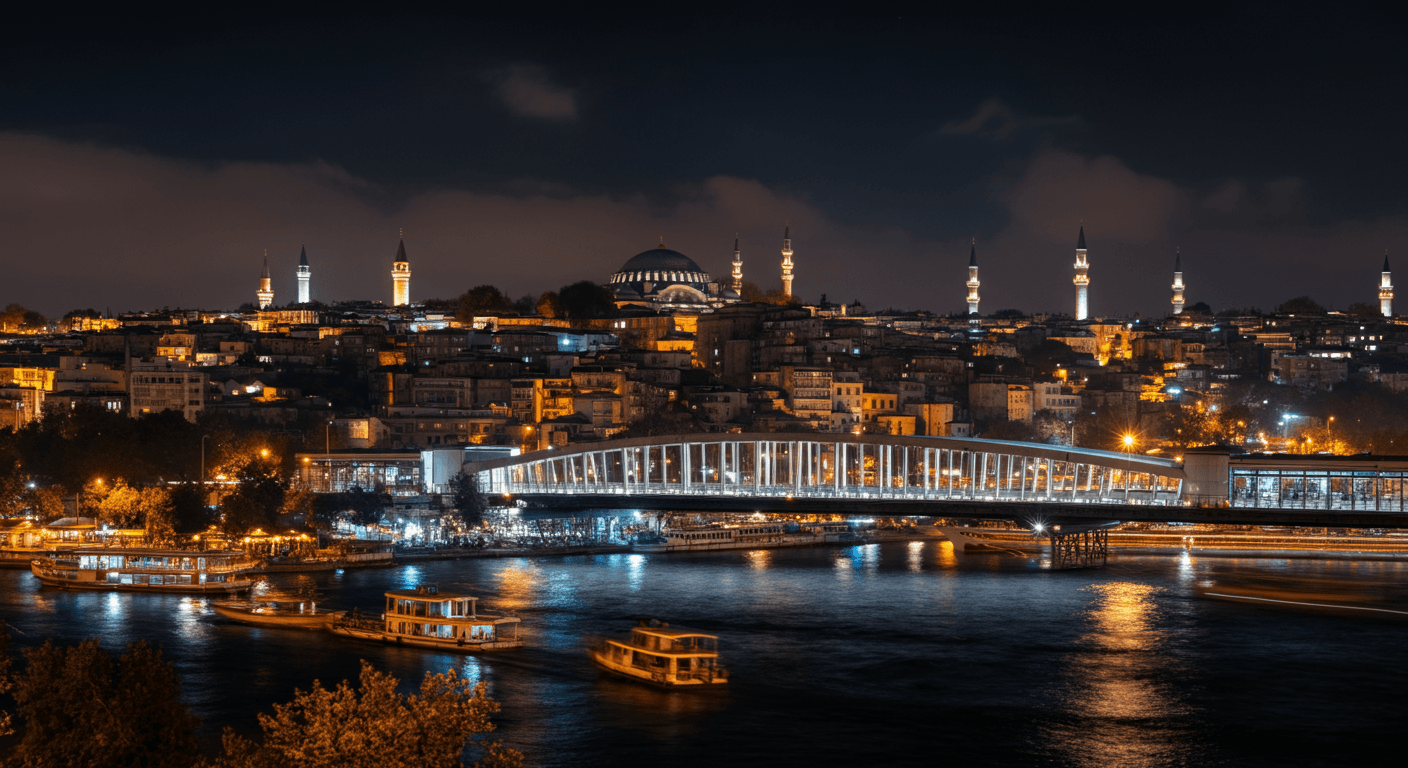
İstanbul’da “Akşam Ne Yapılır?” Rehberi: Aile/Çift/Tek Kişi İçin Güvenli ve Keyifli Plan
İstanbul'da akşam ne yapılır? Aile, çift veya tek kişi için Boğaz turu, tarihi mekanlar ve güvenli eğlence seçenekleriyle dolu rehberimizi keşfedin.
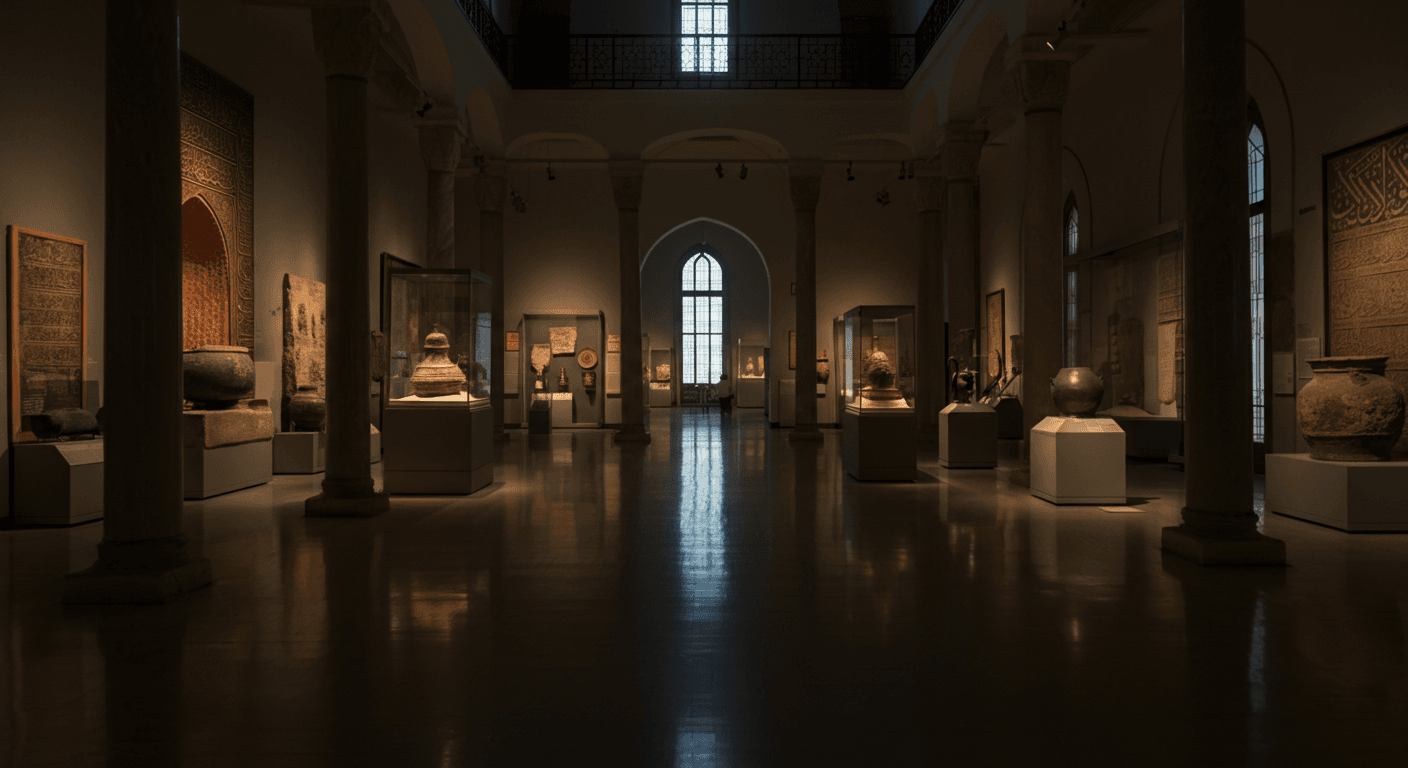
İstanbul’da Yağmurlu Gün Planı: Kapalı Mekân Rotaları (Müze + Çarşı + Kafe Akışı)
İstanbul'da yağmurlu havalarda sıkılmayın! Müzeler, tarihi çarşılar ve şirin kafelerle dolu kapalı mekan rotalarıyla keyifli bir gün geçirin.
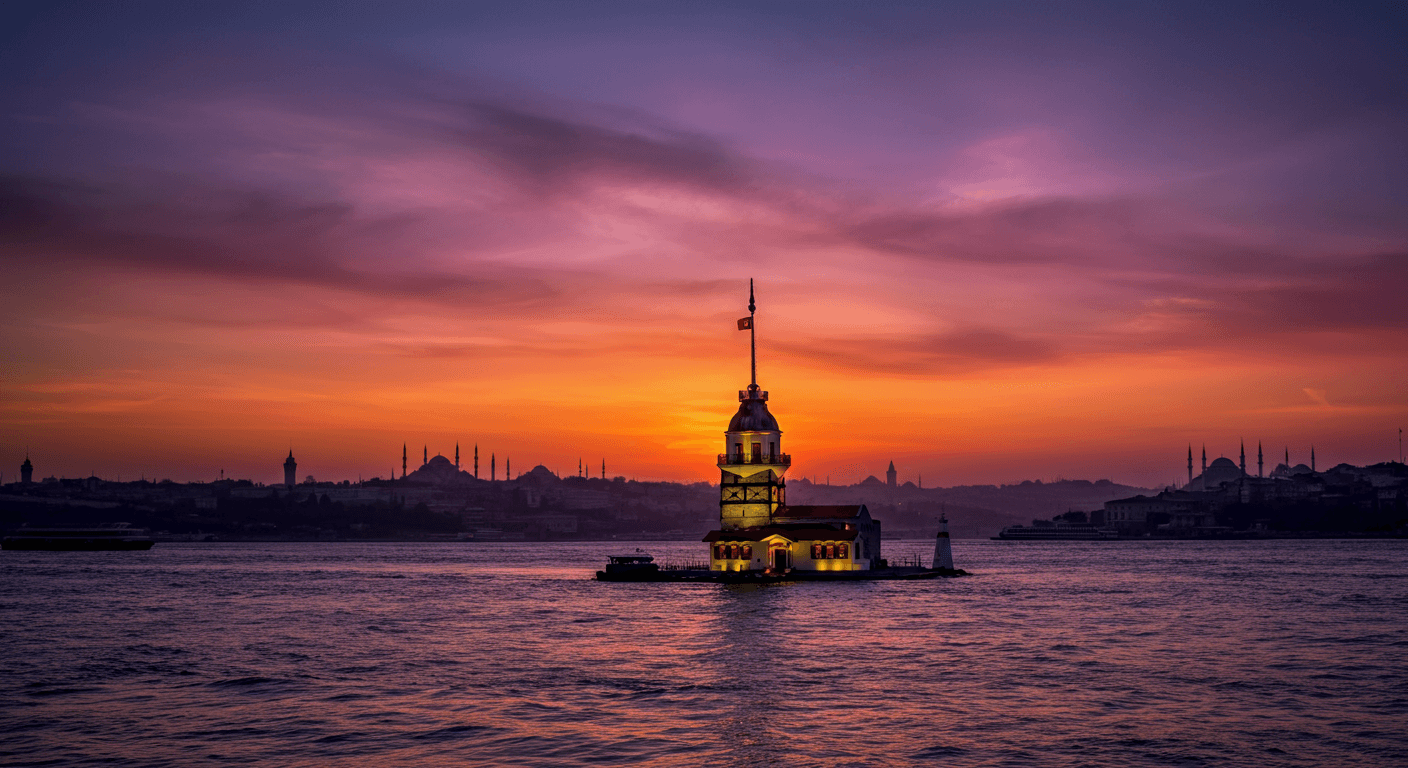
İstanbul’da Gün Batımı Noktaları: Kalabalıksız Saatler + En İyi “Sunset Walk” Rotaları
İstanbul'da kalabalıktan uzak gün batımı noktaları ve Boğaz'da eşsiz sunset walk rotalarıyla şehrin büyüsüne kapılın.
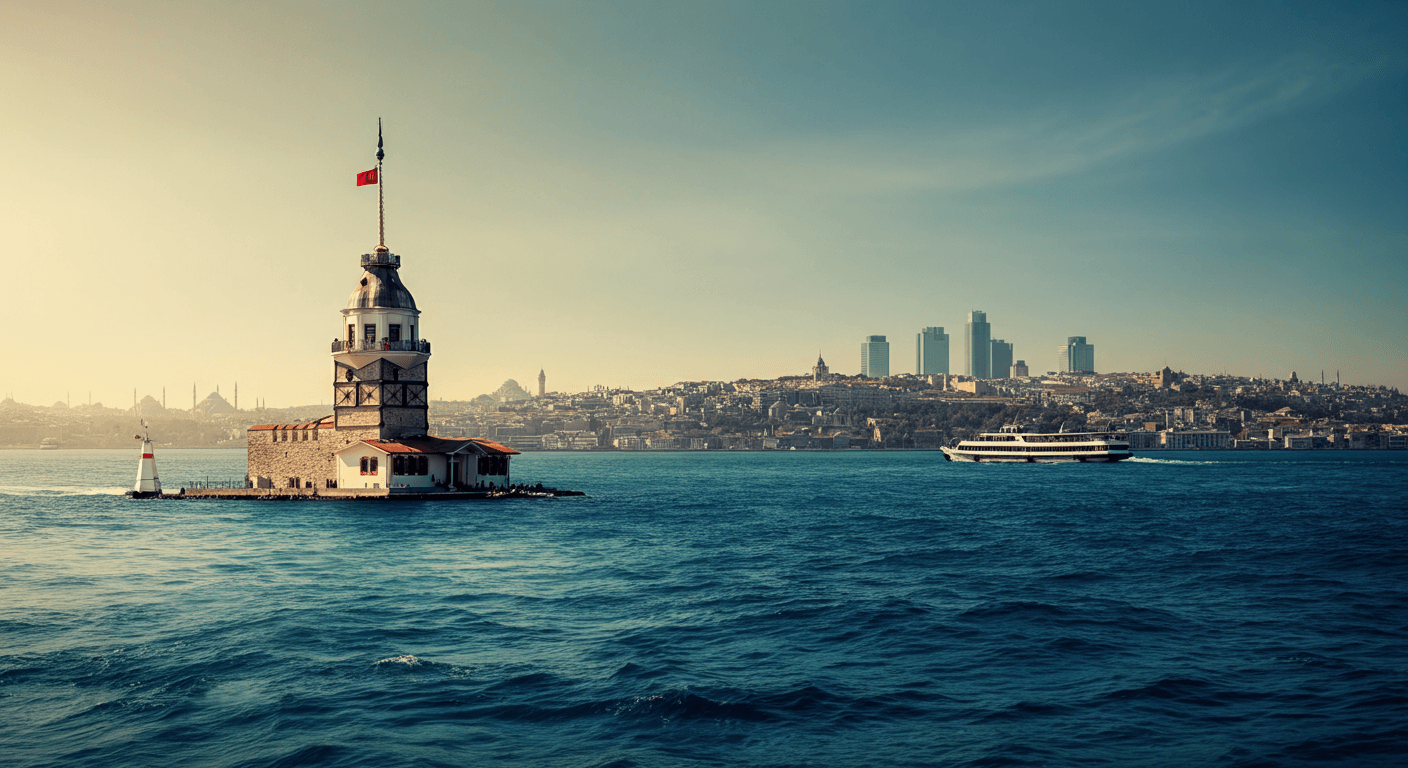
İstanbul’da 1 Günde 2 Kıta: Avrupa → Anadolu Rotası (Saat Saat + Yürüme Seviyesi)
İstanbul'da bir günde Avrupa'dan Anadolu'ya geçiş rotasını keşfedin! Saat saat planlanmış bu eşsiz gezi rehberiyle iki kıtayı yürüme seviyenize göre deneyimleyin.

Sabiha Gökçen’den Şehre En Kolay Ulaşım: Seçenekler ve Hangi Saatte Hangisi Mantıklı?
Sabiha Gökçen (SAW) havalimanından İstanbul şehir merkezine en kolay ulaşım (metro, Havabüs, taksi) seçeneklerini ve saatinize göre en mantıklı yolu keşfedin.
İstanbul Havalimanı (IST) Transfer Seçimi: Taksi mi Metro mu Özel Transfer mi? (Gece Varışı Planı)
İstanbul Havalimanı (IST) gece varışı için taksi, metro veya özel transfer mi? İstanbul'a en hızlı ve konforlu ulaşım seçeneğini keşfedin.

İstanbul’da Ulaşım Rehberi: İstanbulkart, Metro/Tramvay/Feribot Mantığı (Kafası Karışanlara)
İstanbul'da ulaşımı çözün! Turistler için İstanbulkart nasıl alınır, T1 Tramvay, M2 Metro ve vapur kullanımı, taksi tuzaklarından korunma rehberi.

İstanbul’a İlk Kez Gelenler: 3–5–7 Günlük Hazır Rota (Yormayan Plan + Esnek Günler)
İstanbul'u yorulmadan ve kaybolmadan gezmek isteyenler için saat saat planlanmış, en verimli 3 günlük, 5 günlük ve 7 günlük hazır turistik gezi rotası.

İstanbul’da Nerede Kalınır? Bölge Bölge Base Seçim Rehberi (İlk Kez Gelenler İçin)
İstanbul'da ilk kez nerede kalınır? Sultanahmet, Karaköy, Taksim, Beşiktaş ve Kadıköy bölgelerinin detaylı, artı-eksi analizli, ulaşım odaklı konaklama rehberi.
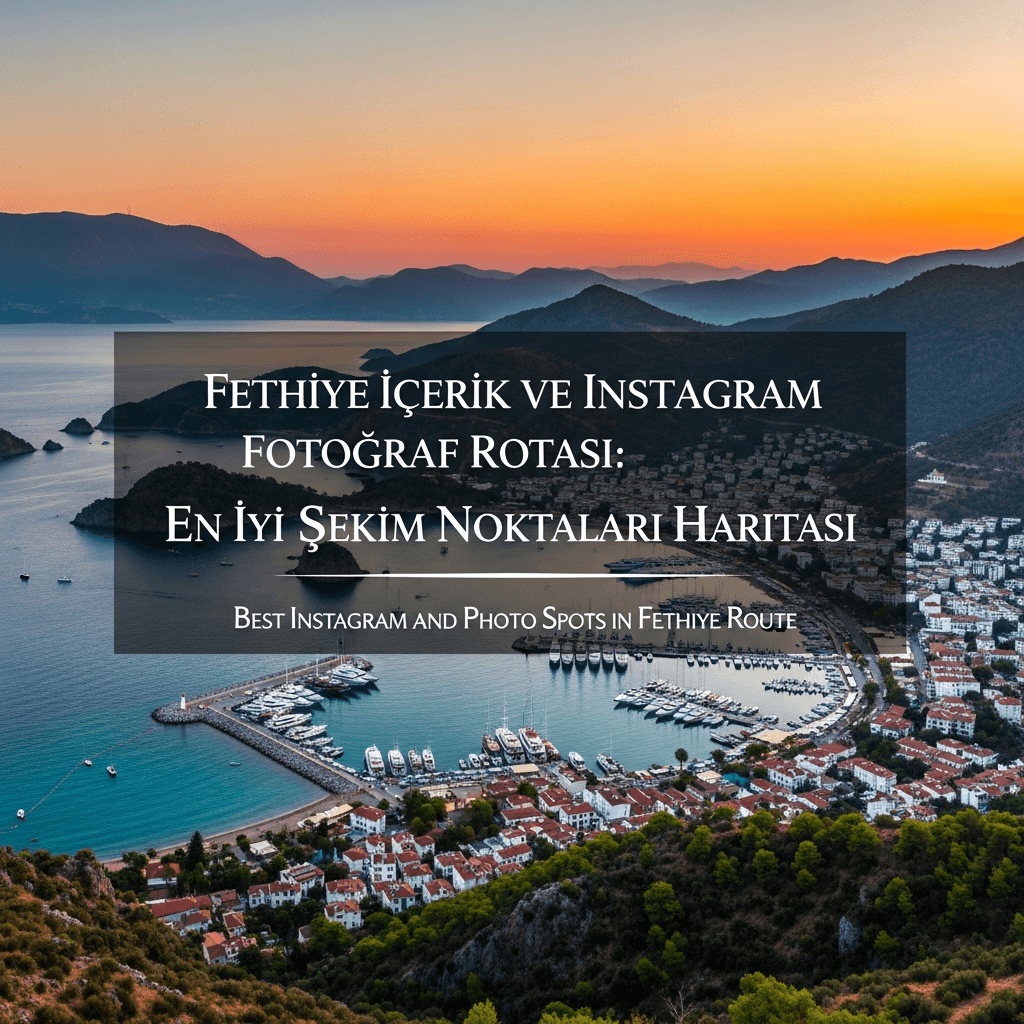
Fethiye İçerik ve Instagram Fotoğraf Rotası: En İyi Çekim Noktaları Haritası
Fethiye'nin en iyi Instagram fotoğrafı nerede çekilir? Kelebekler vadisi seyir zirvesi, Babadağ sonsuzluk terası ve SEO odaklı şemsiyeli sokak ışık rehberi.
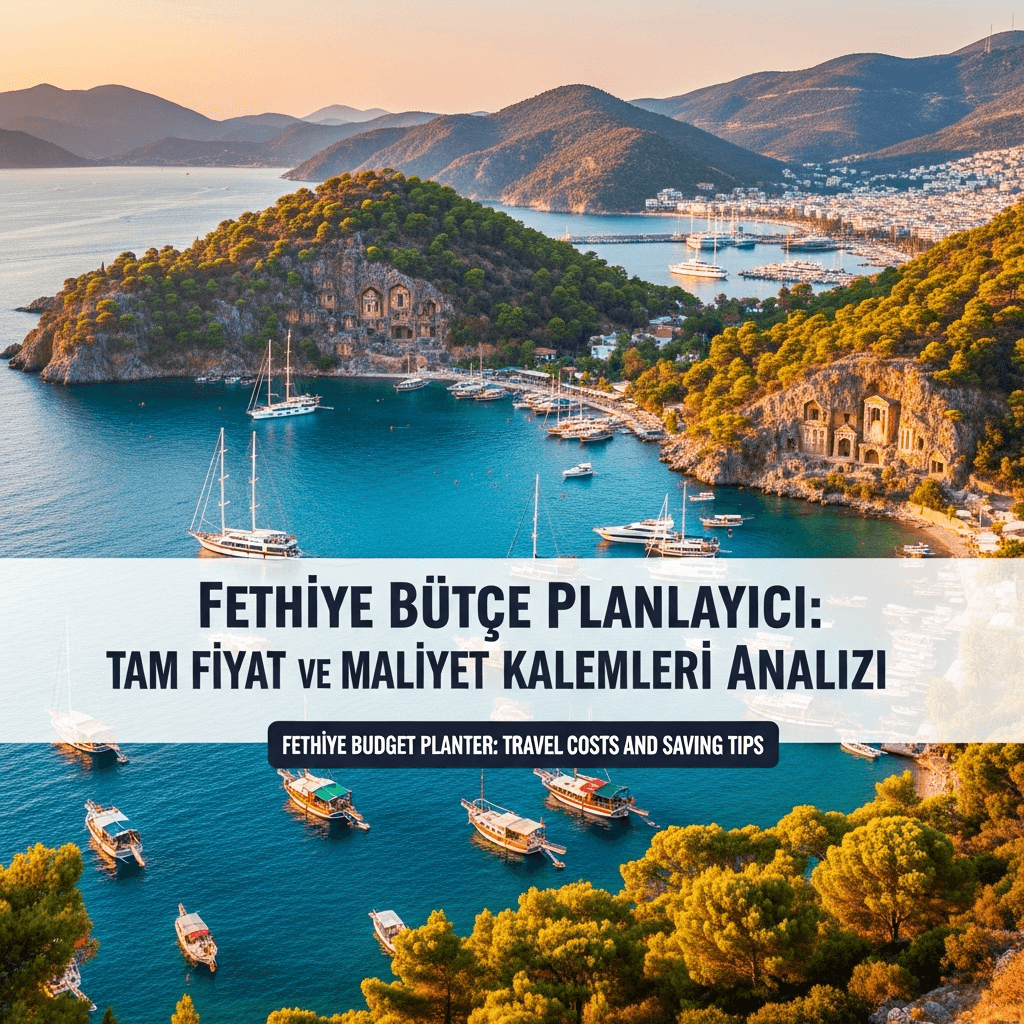
Fethiye Bütçe Planlayıcı: Tam Fiyat ve Maliyet Kalemleri Analizi
Fethiye ne kadar pahalı? 2024 ve 2025 yemek fiyatları, Dolmuş ücreti, Tekne turu ve ucuz villa otel maliyetleri hakkındaki en eksiksiz SEO tatil bütçe hesaplayıcısı.
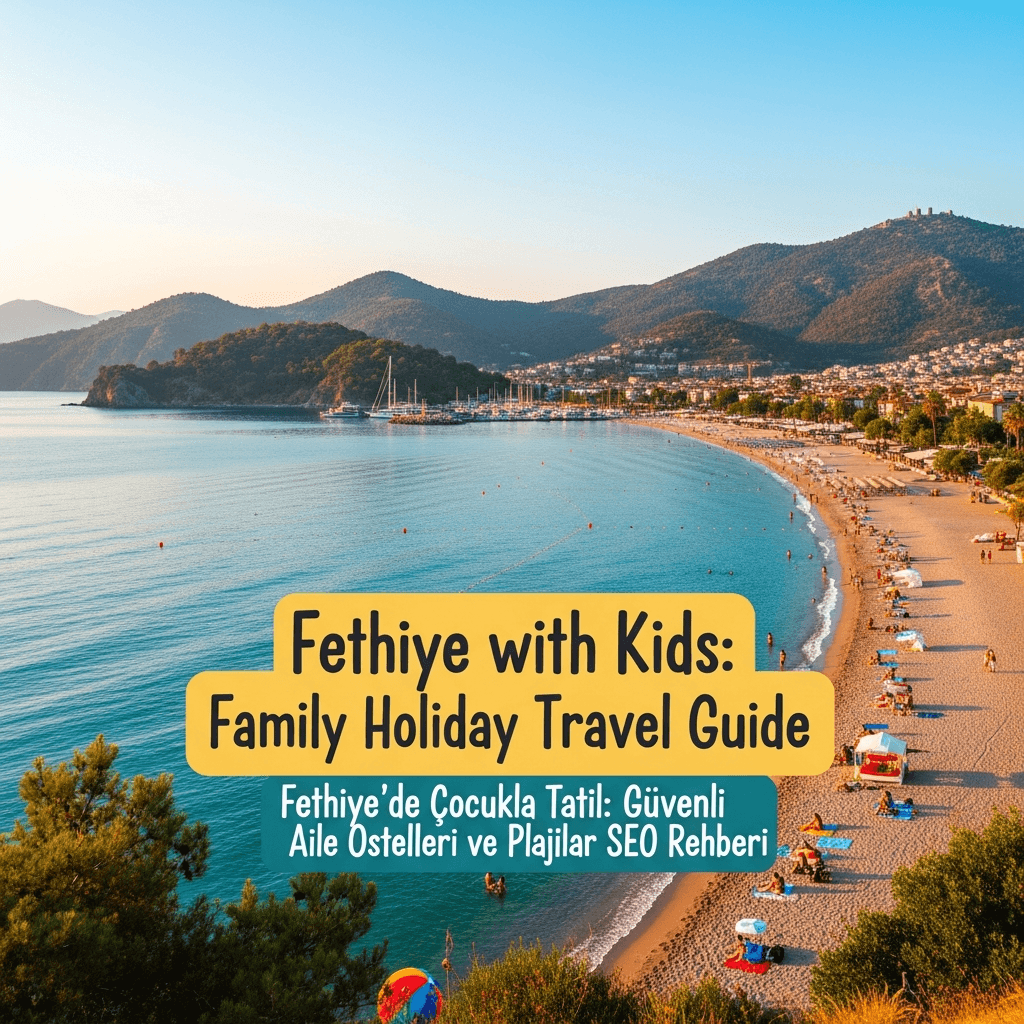
Fethiye’de Çocukla Tatil: Güvenli Aile Otelleri ve Plajlar SEO Rehberi
Fethiye çocukla tatile gidilir mi? Bebekli ve küçük çocuklu aileler için sığ Ölüdeniz kumsalları, puset dostu Çalış sahil otelleri ve SEO etkinlik rehberi.
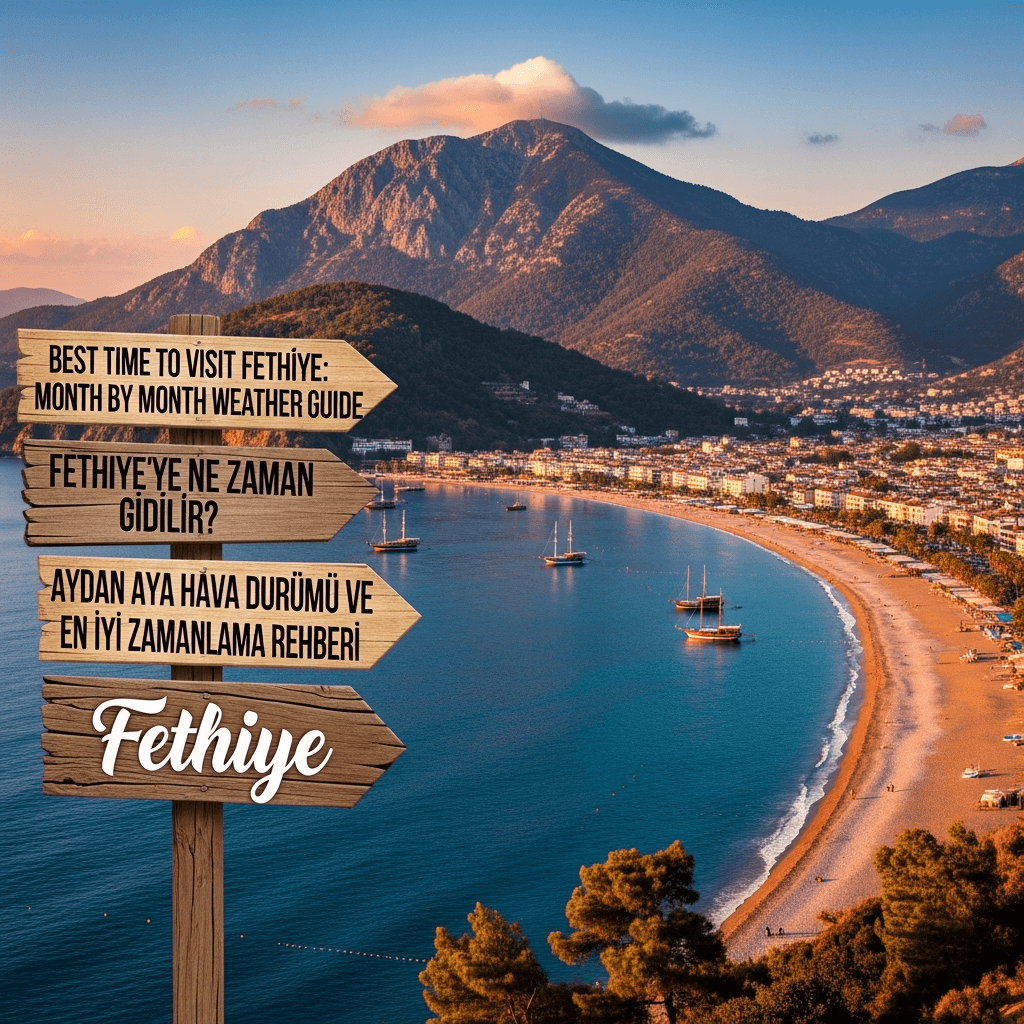
Fethiye'ye Ne Zaman Gidilir? Aydan Aya Hava Durumu ve En İyi Zamanlama Rehberi
Fethiye tatili için en iyi aylar. Yaz sıcaklıkları, Eylül Ekim sonbahar sükuneti ve İlkbahar deniz suyu sıcaklıkları Fethiye SEO iklim ve bavul rehberi.
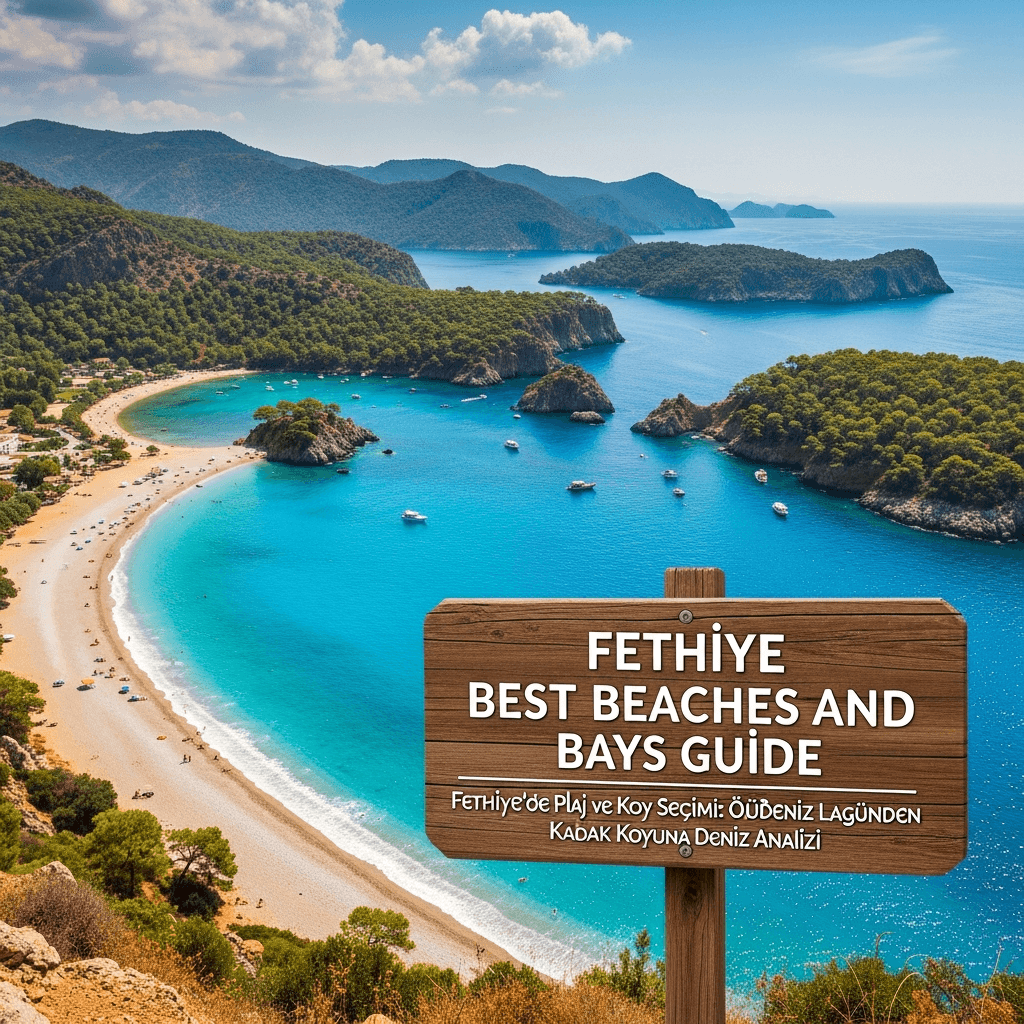
Fethiye'de Plaj ve Koy Seçimi: Ölüdeniz Lagünden Kabak Koyuna Deniz Analizi
Fethiye ve Ölüdeniz'in en iyi plajları nasıl seçilir? Mavi lagün, Belcekız, Çalış kumsalı ve Kıdrak/Kabak koylarında yüzme, dalga ve SEO çocuk uygunluk rehberi.
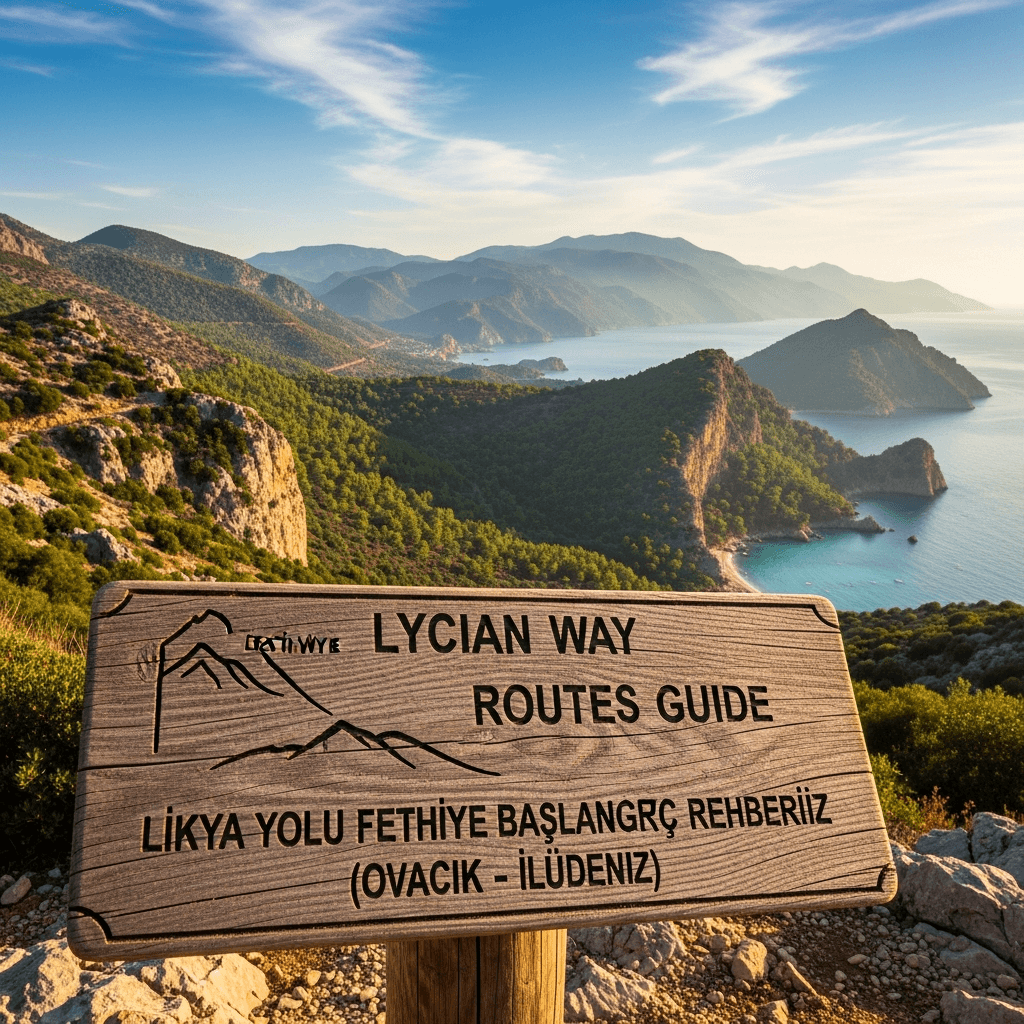
Likya Yolu Fethiye Başlangıç Parkuru Rehberi (Ovacık - Ölüdeniz)
Fethiye'den başlayan Likya yolu etapları (Ovacık, Faralya, Kayaköy). Günübirlik yürüyüş rotaları, sarı çizgi işaretleri ve dev ekipman tablolu SEO doğa rehberi.
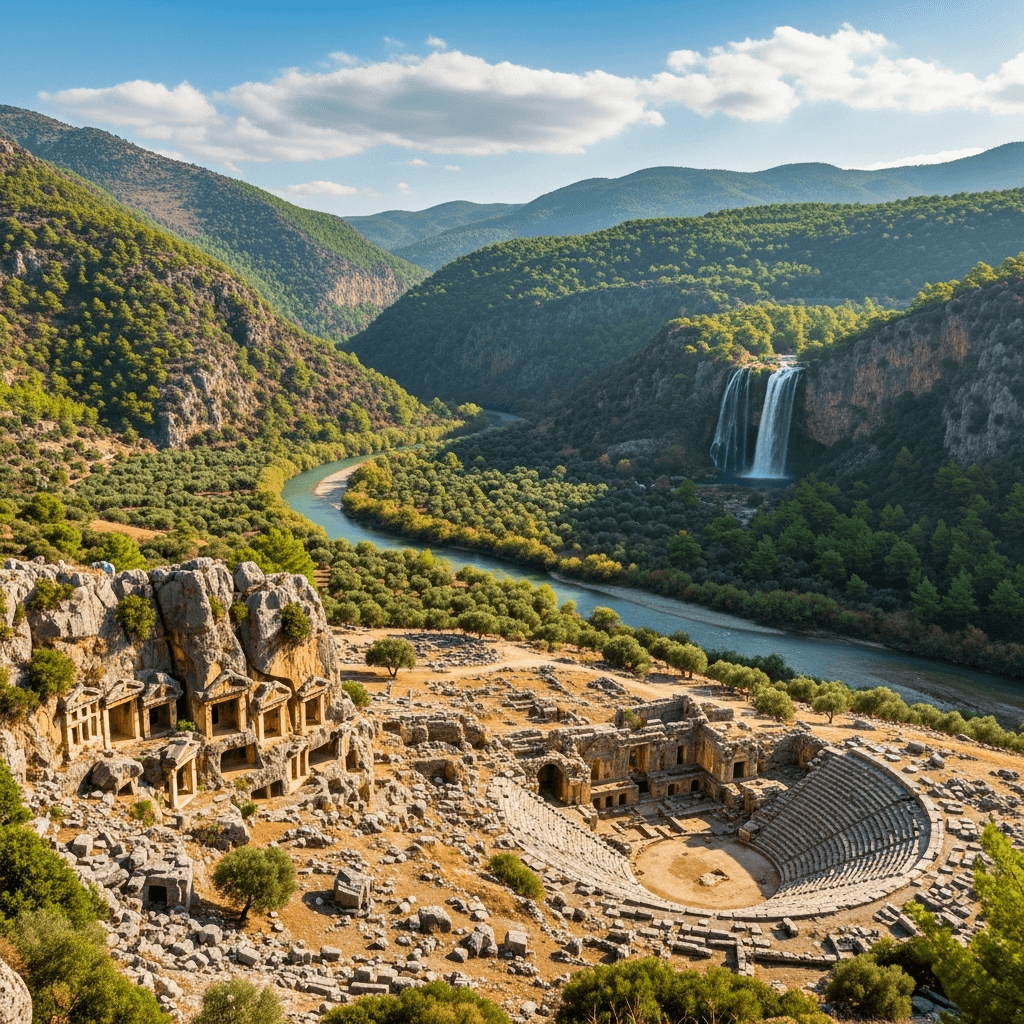
Fethiye Tlos Antik Kenti ve Yakapark Şelalesi: Saklıkent Kombinasyonu
Fethiye'de bir gün: Sabah Tlos antik kenti ve kaya mezarları gezisi, öğlen Yakapark şelalesi alabalık molası ve akşamüstü Gizlikent kanyonu. Tam gün eşsiz SEO rehberi.
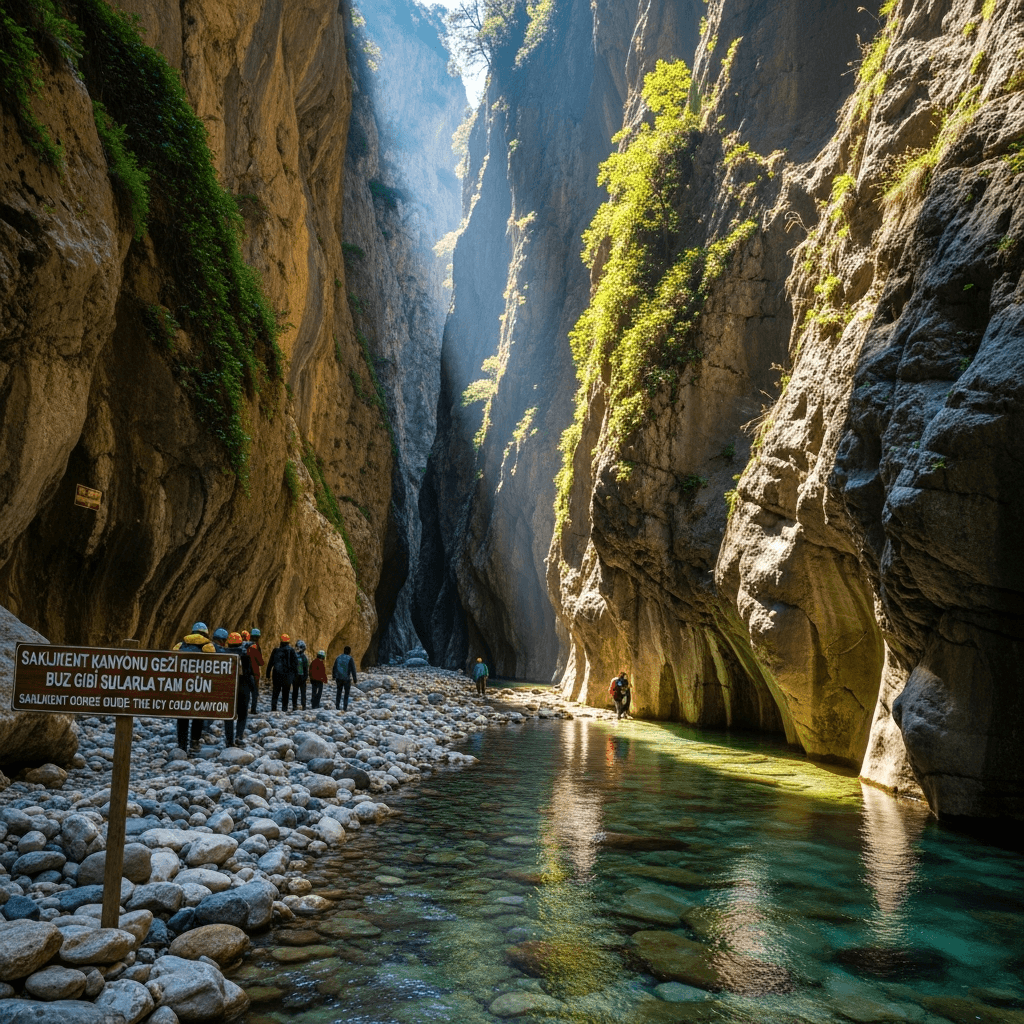
Saklıkent Kanyonu Gezi Rehberi: Buz Gibi Sularla Tam Gün
Fethiye Saklıkent kanyonu giriş ve gezi rehberi. Nehir yürüyüşü, çamur banyosu ve restoran fiyatları. Gizlikent mi Saklıkent mi kıyaslaması.
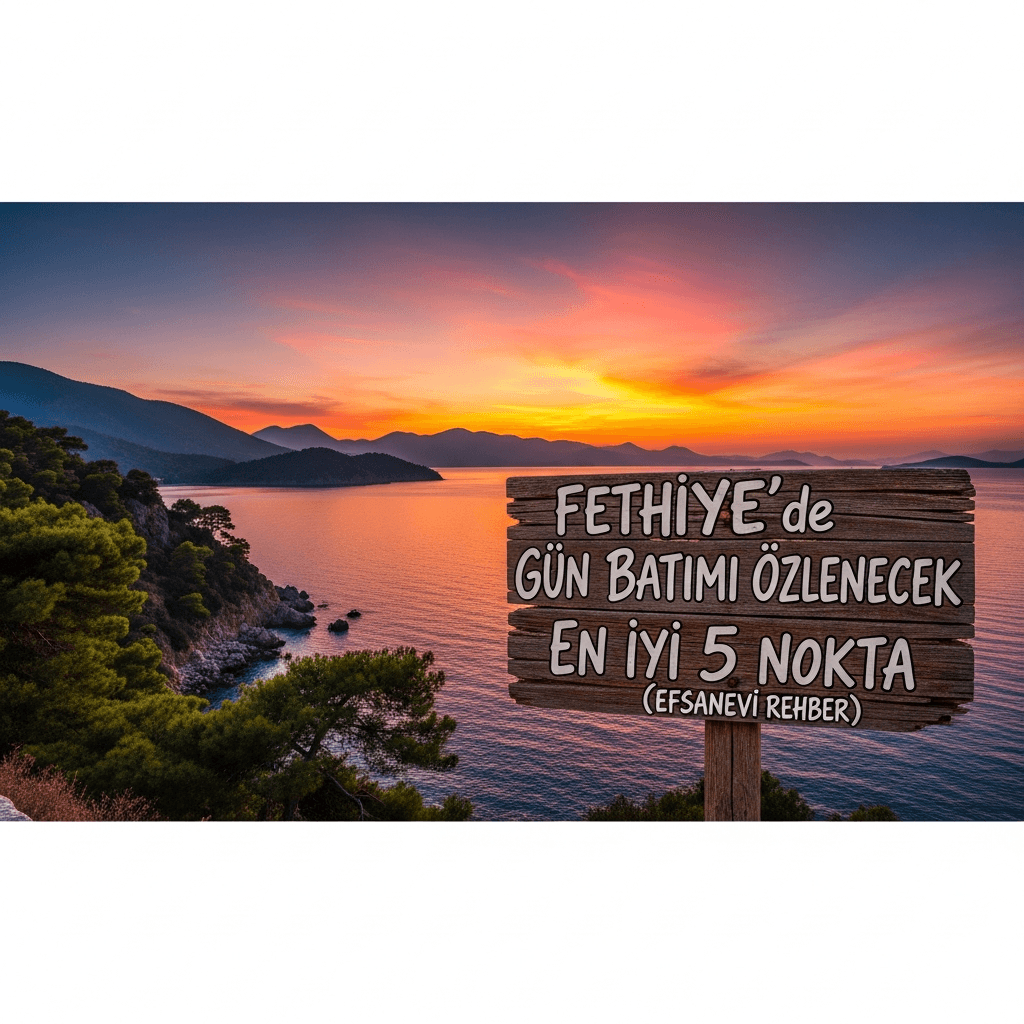
Fethiye'de Gün Batımı İzlenecek En İyi 5 Nokta (Efsanevi Rehber)
Fethiye'de gün batımı nerede izlenir? Çalış plajı, Babadağ 1700m seyir terası, Şövalye adası ve Gemiler koyu için tablolu tam SEO akşamüstü romantik rehberi.
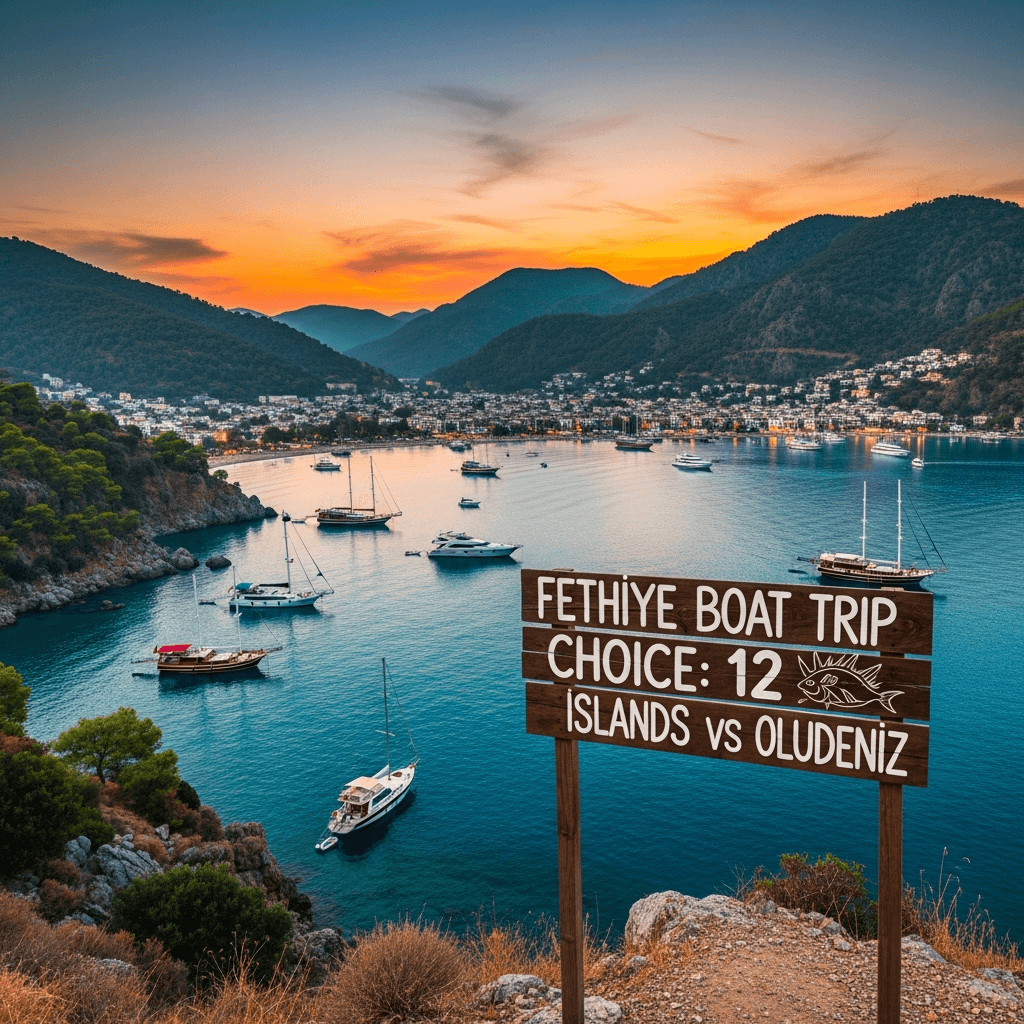
Fethiye Tekne Turu Seçme Rehberi: 12 Adalar Mı Ölüdeniz mi?
Fethiye tatilinde 12 Adalar tekne turu ile Ölüdeniz Kelebekler vadisi turu arasındaki farklar. Hangi gemi size uygun? Kıyaslama tabloları ve deniz tutması önlemleri.
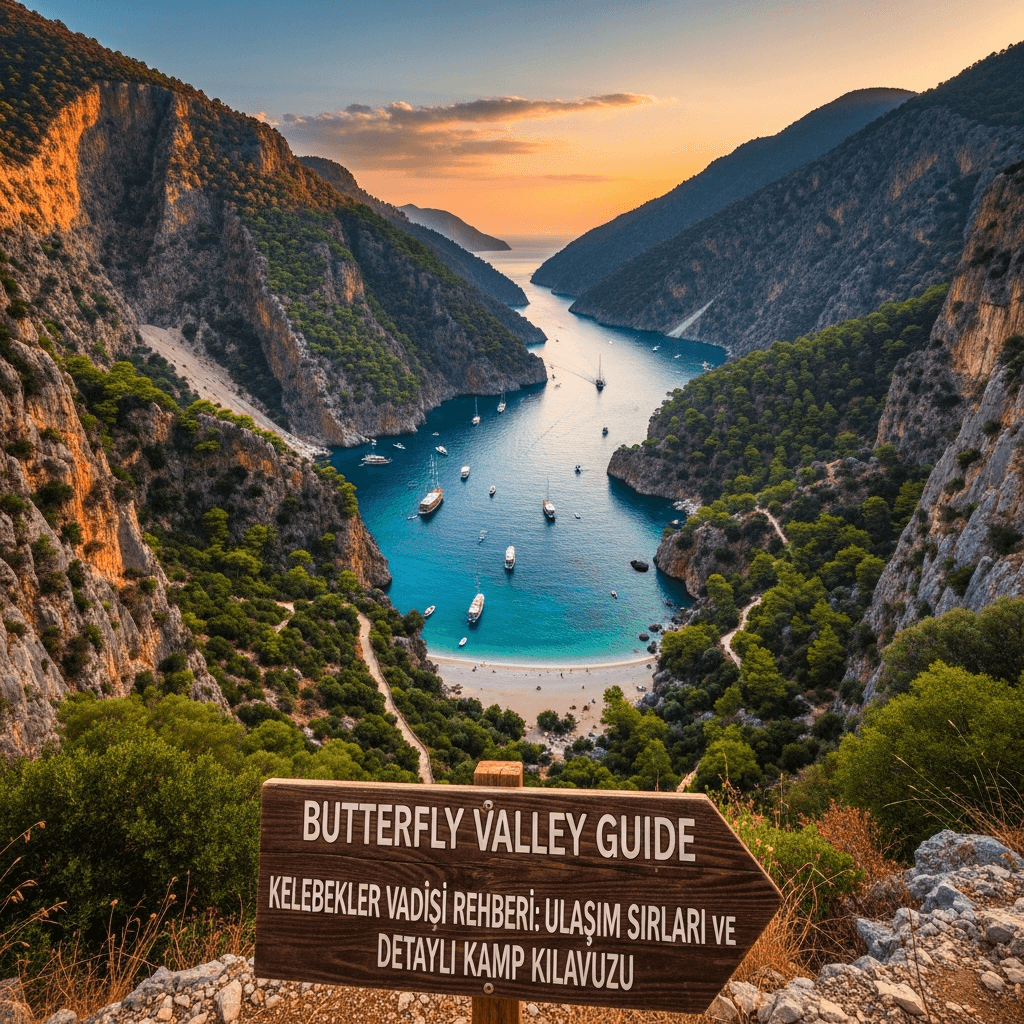
Kelebekler Vadisi Rehberi: Ulaşım Sırları ve Detaylı Kamp Kılavuzu
Fethiye Kelebekler Vadisine nasıl gidilir? Tekne ile mi karadan mı? Kamp ve şelale yürüyüşü için tablo ve maddelerle tam SEO uyumlu dev gezi planı rehberi.
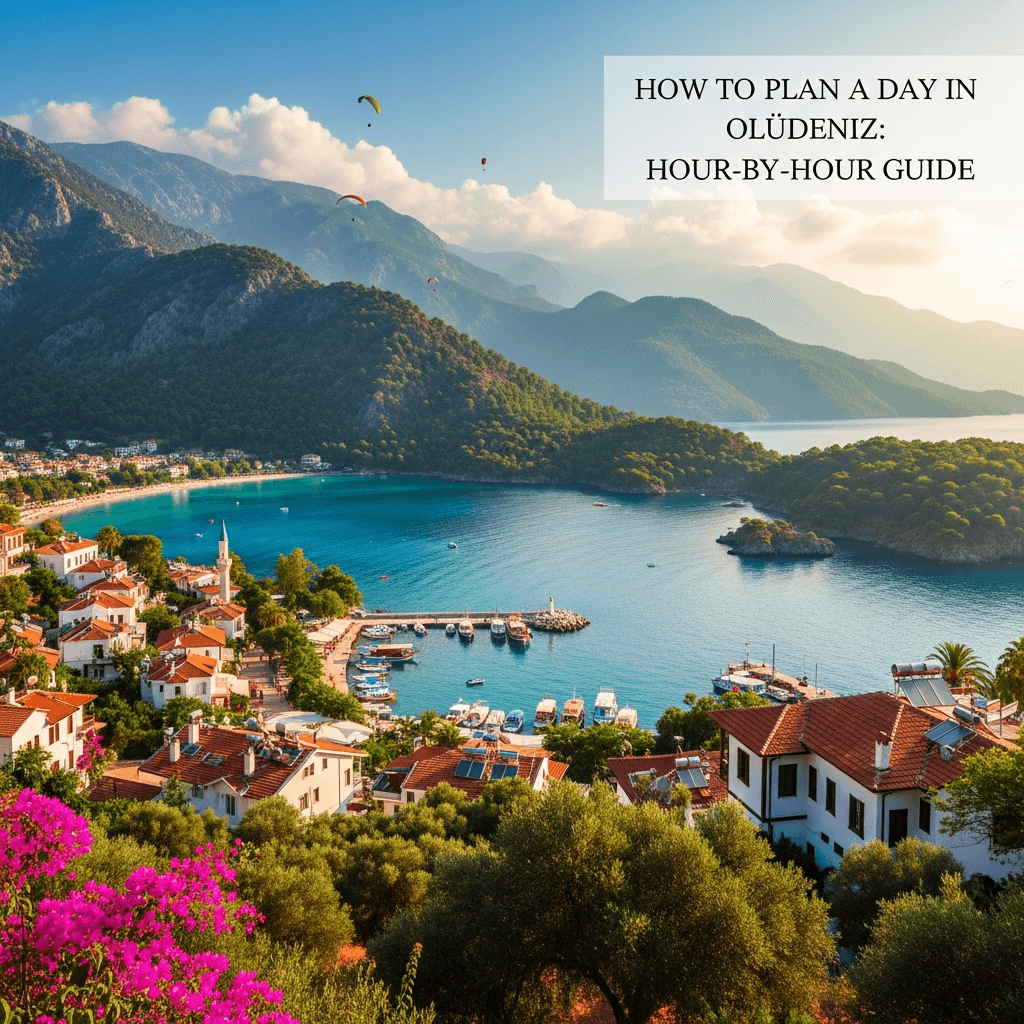
Ölüdeniz Günü Nasıl Planlanır? Kusursuz Bir Gün İçin Saat Saat Akış
Ölüdeniz, Kumburnu lagünü, Belcekız plajı ve Babadağ teleferik turu için tablo ve maddelerle tam SEO uyumlu saat saat gezi planı ve tatil rehberi.
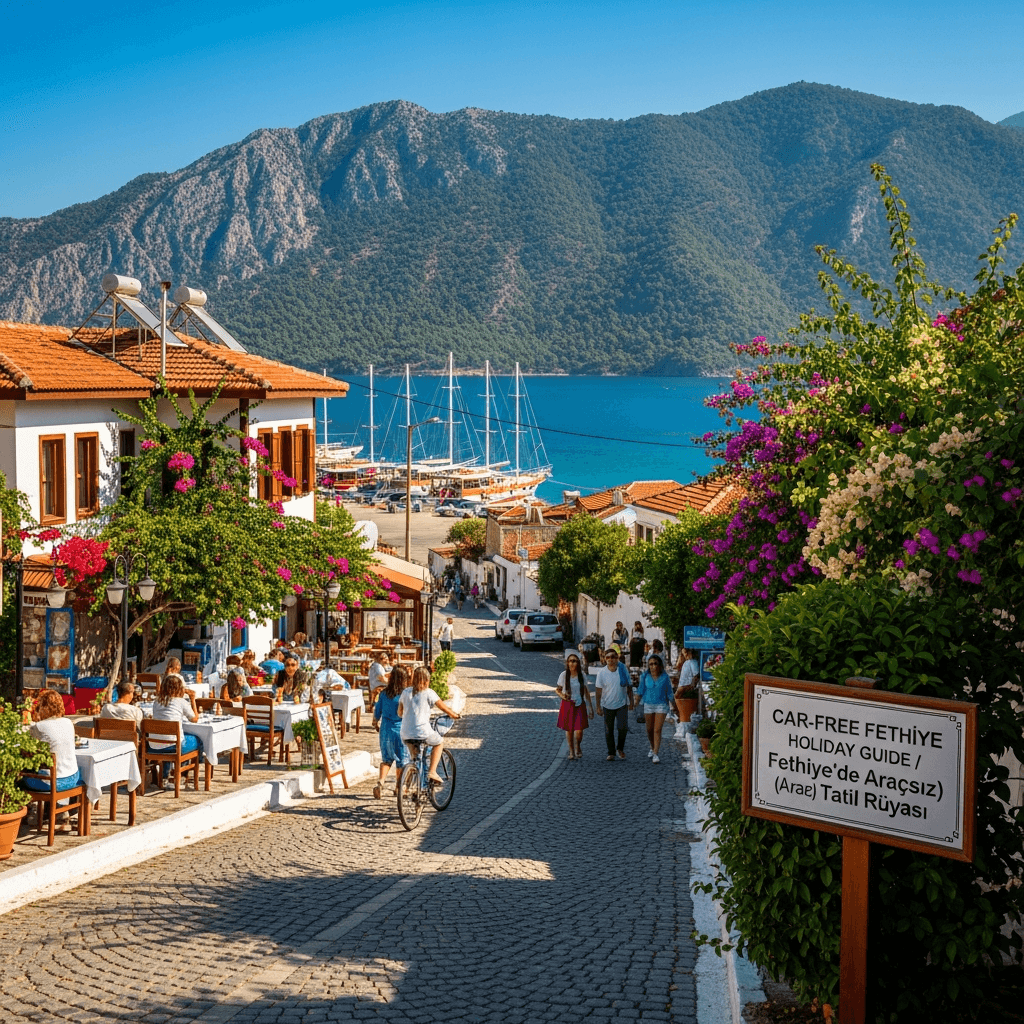
Fethiye’de Araçsız (Arabasız) Tatil Rüyası: Özgürlük, Rahatlık ve Konforun Formülü
Fethiye'de araba kiralamadan harika bir tatil yapmak mümkün. Dolmuşlar, su taksileri ve yürüyüş yollarıyla eşsiz rotalara ulaşım rehberi.
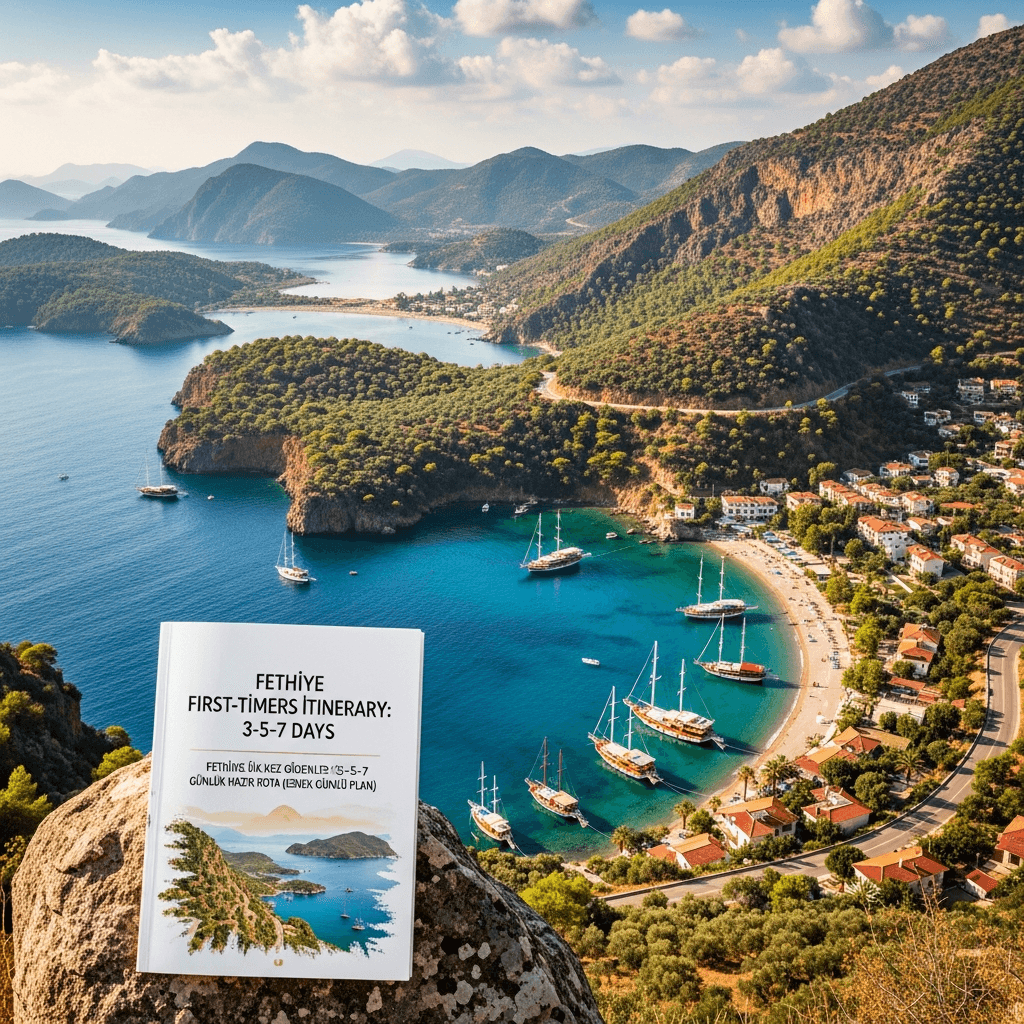
Fethiye İlk Kez Gidenler İçin: 3–5–7 Günlük Hazır Rota (Esnek Günlü Plan)
Fethiye'ye ilk defa gidenler için özenle hazırlanmış tam kapsamlı 3, 5 ve 7 günlük mükemmel tatil rotası. Ölüdeniz, Kelebekler, Saklıkent.
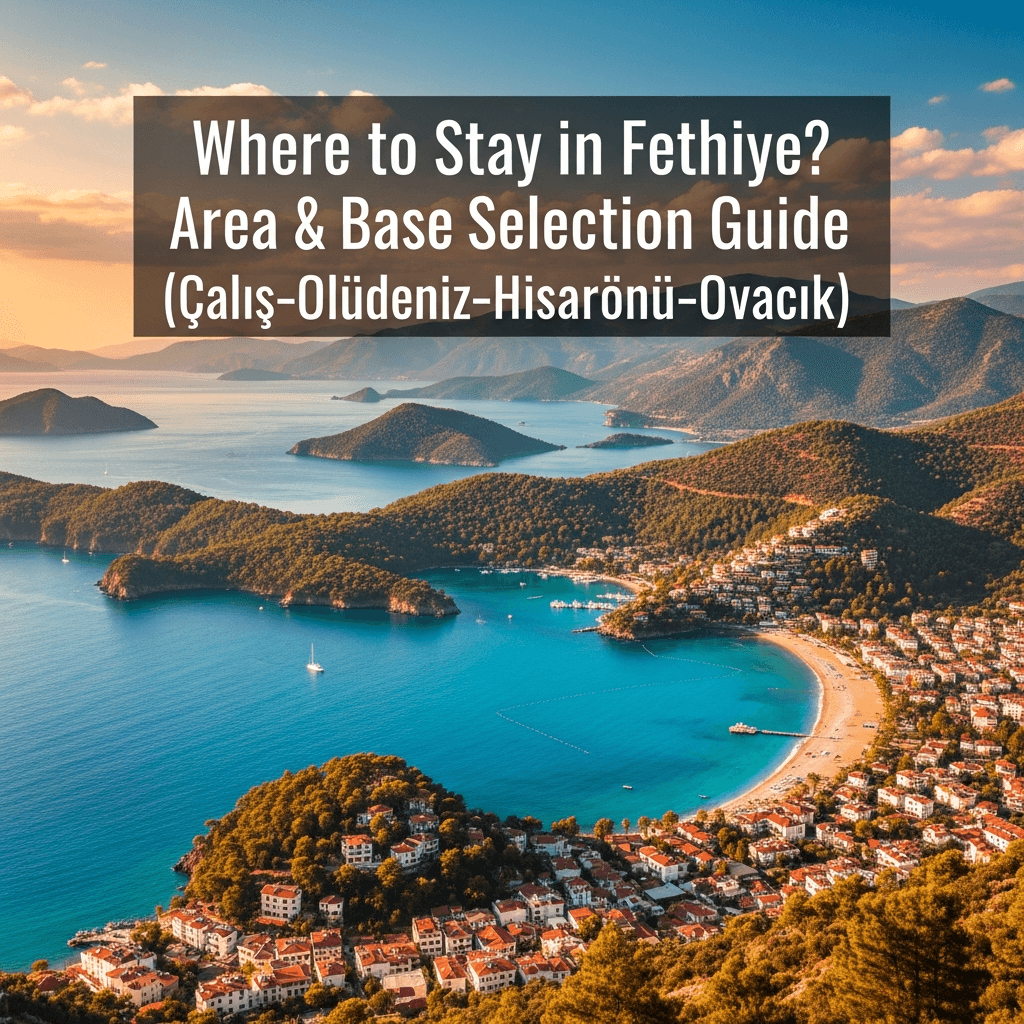
Fethiye’de Nerede Kalınır? Bölge Bölge Base Seçim Rehberi (Çalış–Ölüdeniz–Hisarönü–Ovacık)
Fethiye tatilinde doğru bölgeyi seçmenin püf noktaları. Çalış plajı, Ölüdeniz, Hisarönü, Ovacık ve Merkez detaylı analiz. Kapsamlı tatil rehberi.
Bu rehber işinize yaradı mı?
bölgesindeki daha fazla gizli cenneti keşfetmek için diğer rehberlerimize göz atın.
Tüm Rehberleri Keşfet