All-Inclusive for Families in Turkey: The Non-Negotiables UK Parents Must Check
TR Pasif.
Hızlı Özet
- • bölgesinde gezilecek en iyi yerler
- •Yerel restoran ve kafe önerileri
- •Konaklama seçenekleri ve fiyat aralıkları
- •Ulaşım bilgileri ve ipuçları
İçindekiler
All-Inclusive for Families in Turkey: The Non‑Negotiables UK Parents Must Check
- Start with region: Decide between Antalya, Dalaman, Bodrum or Izmir based on transfer time and how flat/pram‑friendly the resort area is.
- Room first, pool second: Non‑negotiables are separate sleeping space for children, blackout curtains, strong air‑conditioning and safe balconies.
- Kids’ food & hygiene: Look for kids’ buffets, plain options, fruit, yoghurt and clear hygiene around buffets.
- Kids’ clubs & pools: Age‑grouped clubs, English‑speaking staff, sign‑in/out, shallow shaded pools and lifeguards during slide times.
- Local detail matters: Learn simple routes like Antalya KL08 to Konyaaltı or Bodrum dolmuş from Neyzen Tevfik Caddesi to nearby bays.
- Realistic extras: For a family of four, allow roughly £40–£80 per day for snacks, transport, toys and one or two outings.
- Best timing: Many UK families favour May, early June and late September for warm but more manageable heat.
For UK parents, an all‑inclusive in Turkey works best when you treat it like a checklist: region, room layout, kids’ facilities, food, shade and simple local transport. Tick those boxes before you book and you usually get a much smoother family holiday.
1. Choose the Right Region & Transfer Time
Simple rule: With young children, aim for under 1 hour from airport to resort.
Key Family Regions (By Airport)
- Antalya Coast (Antalya Airport – AYT)
- Good for: Large all‑inclusive bases, long beaches, plenty of kids’ facilities.
- Typical areas: Lara Beach (short transfer), Belek (resort strip), Side and Konyaaltı.
- Transfer examples: Antalya Airport → Lara Beach around 20–30 minutes; → Belek roughly 35–45 minutes.
- Local insight: From the city centre near Atatürk Caddesi, the KL08 bus runs to Konyaaltı Beach, handy for a cheap beach day if you stay near town.
- Dalaman Region (Dalaman Airport – DLM)
- Good for: Green scenery, boat trips, slightly smaller resort towns.
- Typical bases: Fethiye/Çalış, Ölüdeniz, Sarigerme, Marmaris, Içmeler.
- Transfer examples: Dalaman → Sarigerme about 20–25 minutes; → Marmaris usually ~1 hour 20 minutes.
- Local insight: In Fethiye, the flat seafront from Atatürk Caddesi to Çalış Beach is usually pram‑friendly and lined with cafés.
- Bodrum Peninsula (Bodrum Airport – BJV)
- Good for: Compact peninsula with bays and frequent dolmuş services.
- Typical bases: Gumbet, Bitez, Turgutreis, Torba.
- Transfer examples: Bodrum Airport → Bodrum town usually 35–45 minutes; Bodrum town → Gumbet around 10 minutes by dolmuş.
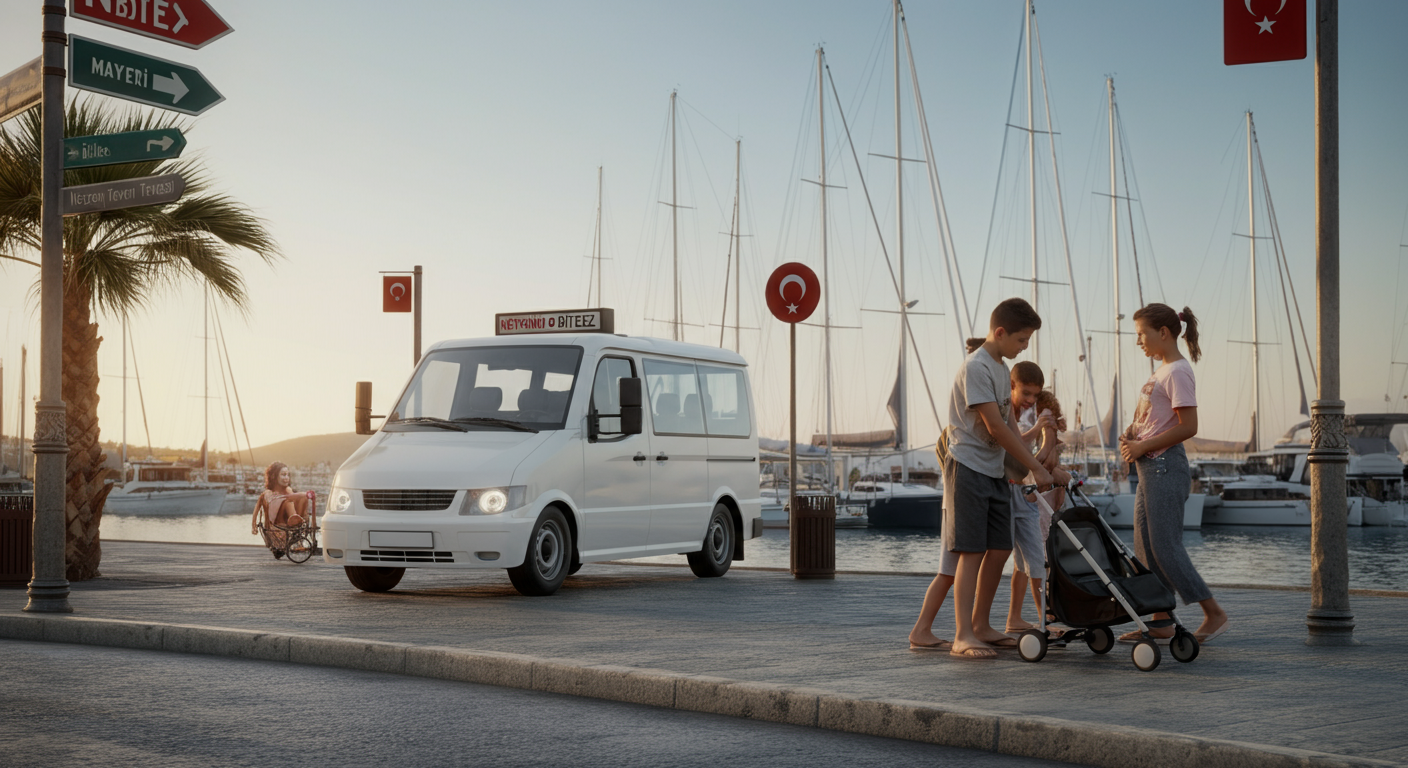
- Local insight: Dolmuş leave near Neyzen Tevfik Caddesi with signs for Gumbet, Bitez and Turgutreis – simple and cheap for beach‑hopping.
- Izmir & Aegean (Izmir Airport – ADB)
- Good for: Families mixing resort time with day trips (e.g. Ephesus from Kuşadası).
- Typical bases: Kuşadası, Özdere, Çeşme/Ilıca.
- Transfer example: Izmir Airport → Kuşadası roughly 1–1.5 hours by road.
Neighbourhood Checks (Beyond the Beach)
- Pavements & crossings: Promenades in Konyaaltı, Marmaris seafront and Çalış Beach are typically flat with pavements, easier for prams and scooters.
- Nearby chemists (eczane): Look on main streets such as Antalya’s İsmet Gökşen Caddesi, Bodrum’s Atatürk Caddesi or Fethiye’s Çarşı Caddesi for quick access to medicines.
- Evening noise: Avoid blocks facing heavy bar clusters, for example near Marmaris Barlar Sokağı (Bar Street), if early bedtimes matter.
For deeper planning by coast, see family-friendly Antalya areas and Bodrum peninsula with kids.
2. Room & Sleeping Setup: What Must Be Non‑Negotiable
Sleep is everything with children. Treat the room as your family base.
Layout & Essentials
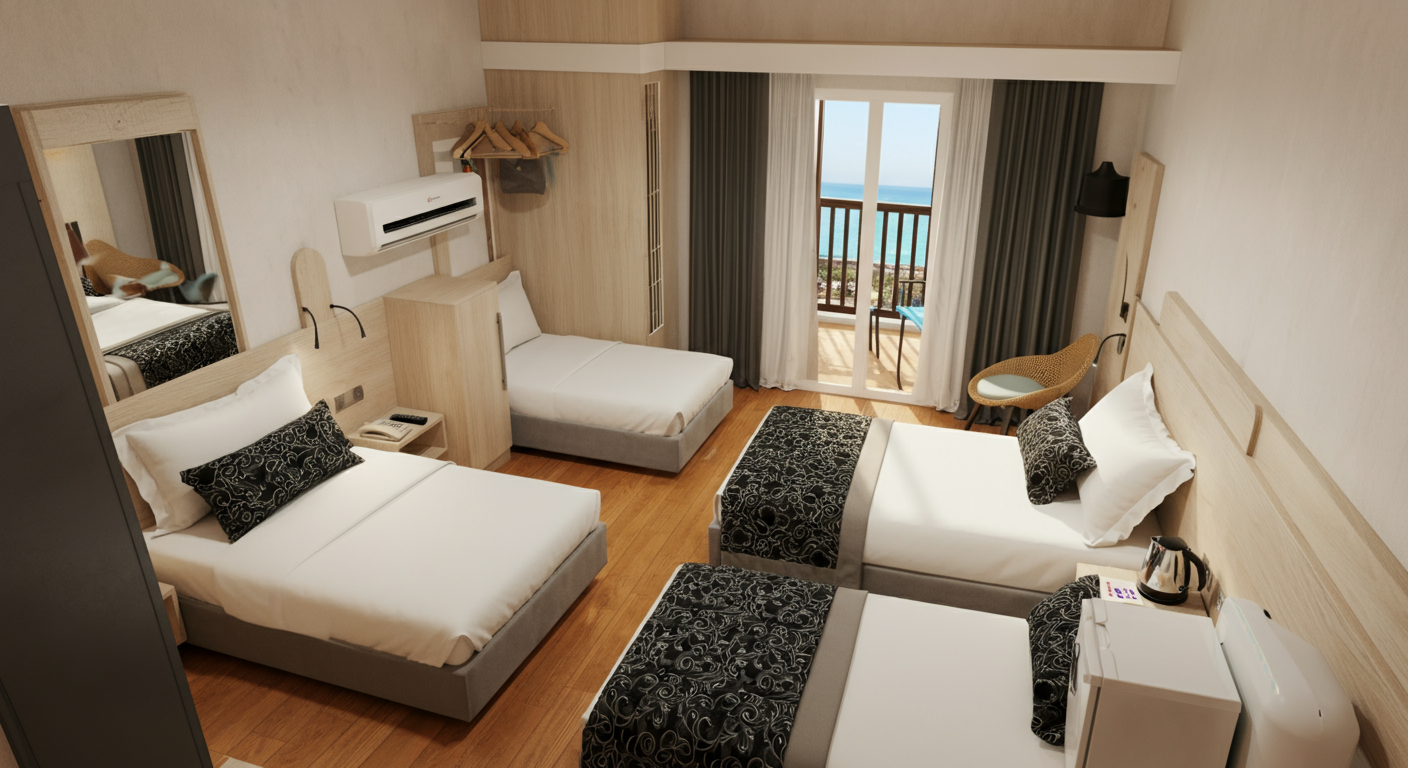
- Separate sleeping area for children: A door or sliding partition; not just two beds in one open space if you need lights out early.
- Proper beds: At least one real extra bed for children, not only sofa beds.
- Blackout curtains: Crucial in summer when sunrise is early.
- Effective air‑conditioning: Adjustable, ideally reaching the children’s sleeping area.
- Fridge and kettle: For milk, yoghurt, water and baby bottles.
- Safe balcony: Railings high and without wide gaps; decide if a ground‑floor terrace feels safer for your family.
Where Your Room Sits in the Complex
- Noise: Ask (by email a week before) for a room away from the main stage and pool bar if your children sleep early.
- Distance: In larger complexes, some family blocks are a 5–10 minute walk from restaurants. This matters with toddlers and buggies.
- Floor level: Ground floor is easier with prams; upper floors can be quieter but rely on lifts at peak meal times.
3. Food & Drink: Keeping Children Fed Without Stress
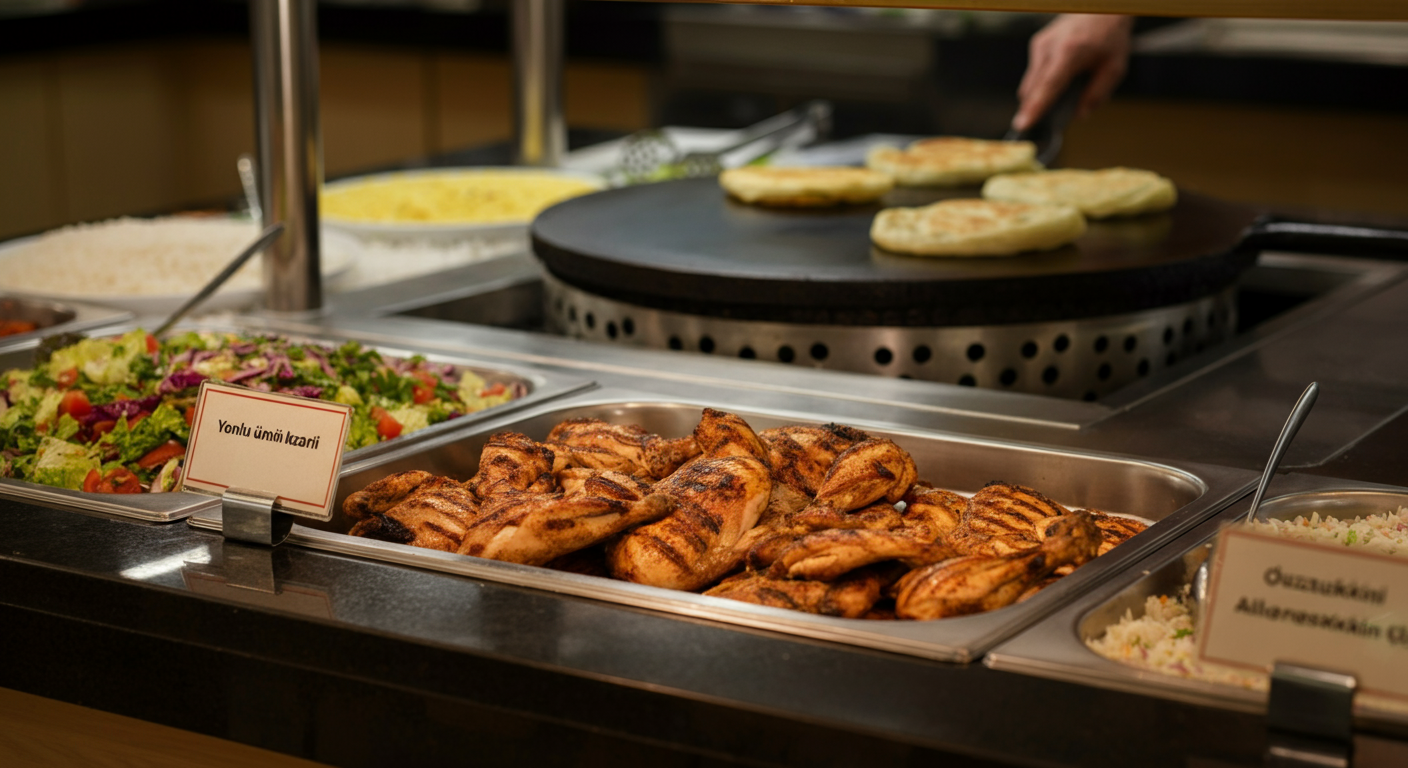
Buffets are central to Turkish all‑inclusive. For families, choice and hygiene are more important than fancy dishes.
Typical Meal Pattern
- Breakfast (around 07:00–10:00): Breads like simit and pide, eggs, cheese, olives, tomatoes, cereals, yoghurt and honey.
- Late breakfast: Smaller selection till roughly 11:00 in many places.
- Lunch (around 12:30–14:30): Salads, grilled meats, rice, pasta, chips.
- Snacks (often 11:00–16:00): Pide, burgers, chips, gözleme at pool or beach snack bars.
- Dinner (about 19:00–21:30): Wider choice and theme nights such as “Turkish night” or fish evening.
Non‑Negotiables for Kids’ Food
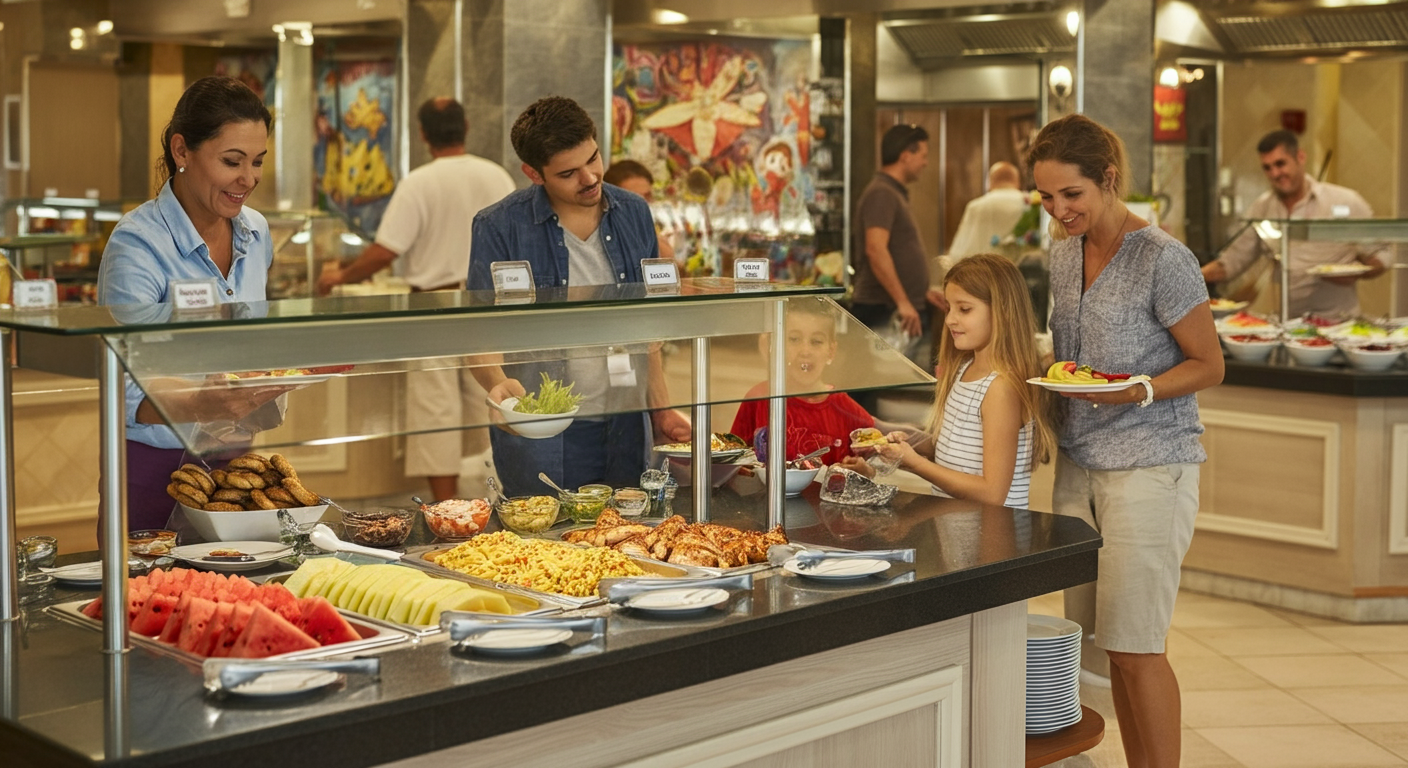
- Dedicated kids’ options: Plain pasta, rice, chips, grilled chicken and simple sauces visible every day.
- Fresh fruit & yoghurt: Watermelon, melon, oranges, apples and plain yoghurt usually appear at all main meals.
- Allergy communication: Some buffets show icons for nuts, gluten or dairy. If allergies are serious, speak directly to the kitchen team and consider bringing some safe UK snacks.
- Hygiene: Hot dishes should be piping hot; cold items on chilled counters, not sitting warm.
UK‑friendly tip: Take a small lidded tub or reusable pouch (where permitted) so slow‑eating toddlers can finish fruit or bread back at the sunbed.
Drinks & Ice‑Cream
- Soft drinks: Local cola, lemonade, orange and bottled water are standard; fruit juice at breakfast is common.
- Tea & coffee: Turkish tea, black tea and instant coffee are normal; some resorts have push‑button coffee machines at breakfast.
- Ice‑cream windows: Often free only at specific hours (for example, 15:00–17:00). Check times on the information board to manage expectations.
- Water: Many travellers prefer bottled water for drinking and brushing teeth, particularly with young children.
4. Kids’ Clubs, Pools & Entertainment
Good kids’ facilities turn “watching the children all day” into “actual downtime”.
Kids’ Club Must‑Haves
- Age groups: Clear split for younger (e.g. 4–7) and older children (e.g. 8–12). Under‑4s usually need a parent present.
- Opening pattern: Often 10:00–12:00 and 15:00–17:00 with craft, games and mini sports; many add a mini‑disco in the evening.
- English‑speaking staff: Confirm at check‑in which staff speak English and how they handle mixed‑language groups.
- Sign‑in/out: Non‑negotiable. Names, room number and an authorised adult listed.
- Shaded outdoor area: Look for canopies, gazebos or trees so activities can move outside without full sun.
Pools, Slides & Shade
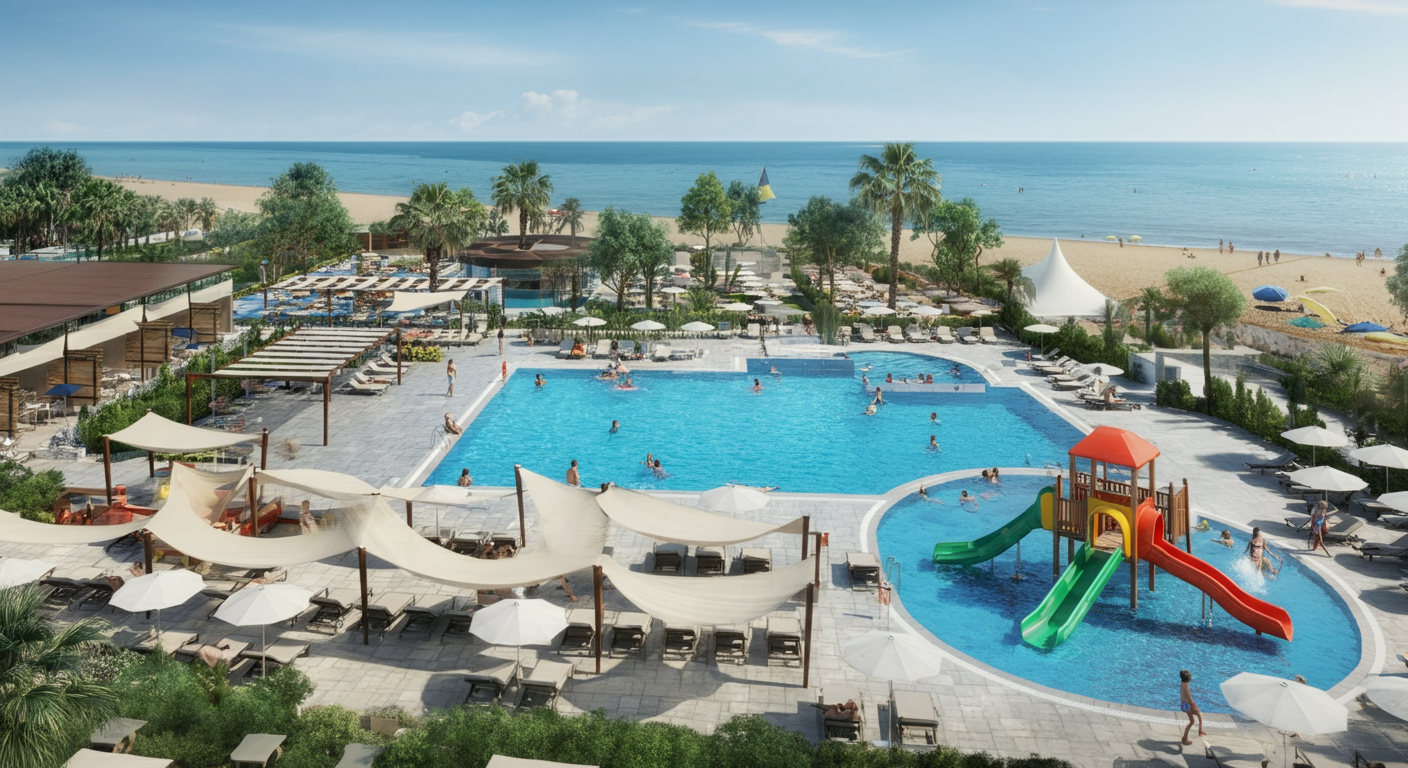
- Separate shallow pool: A children’s pool of around 30–40 cm depth near the main pool is ideal for toddlers.
- Slides: Check height rules and whether lifeguards are present during slide opening hours.
- Shade at pools: Parasols or fixed shades are essential; many families try to secure a shaded spot by 08:30–09:00 in late July and August.
- Pool towels: Ask if they are included with a card system, which saves baggage space.
Evening Entertainment
- Mini‑disco: Usually around 20:30–21:00; very popular with under‑8s.
- Shows: Acrobatics, dance shows or “Turkish night” after mini‑disco, often running until roughly 23:00 in peak season.
- Room choice: Blocks facing the stage may hear music until the end of the show; mention light sleepers when requesting a quieter room.
5. Beaches, Sea & Sun: Matching Coastline to Children
Turkish coasts vary from soft sand to shingle. Match the beach to your children’s age and swimming confidence.
Quick Beach Overview (Family Areas)
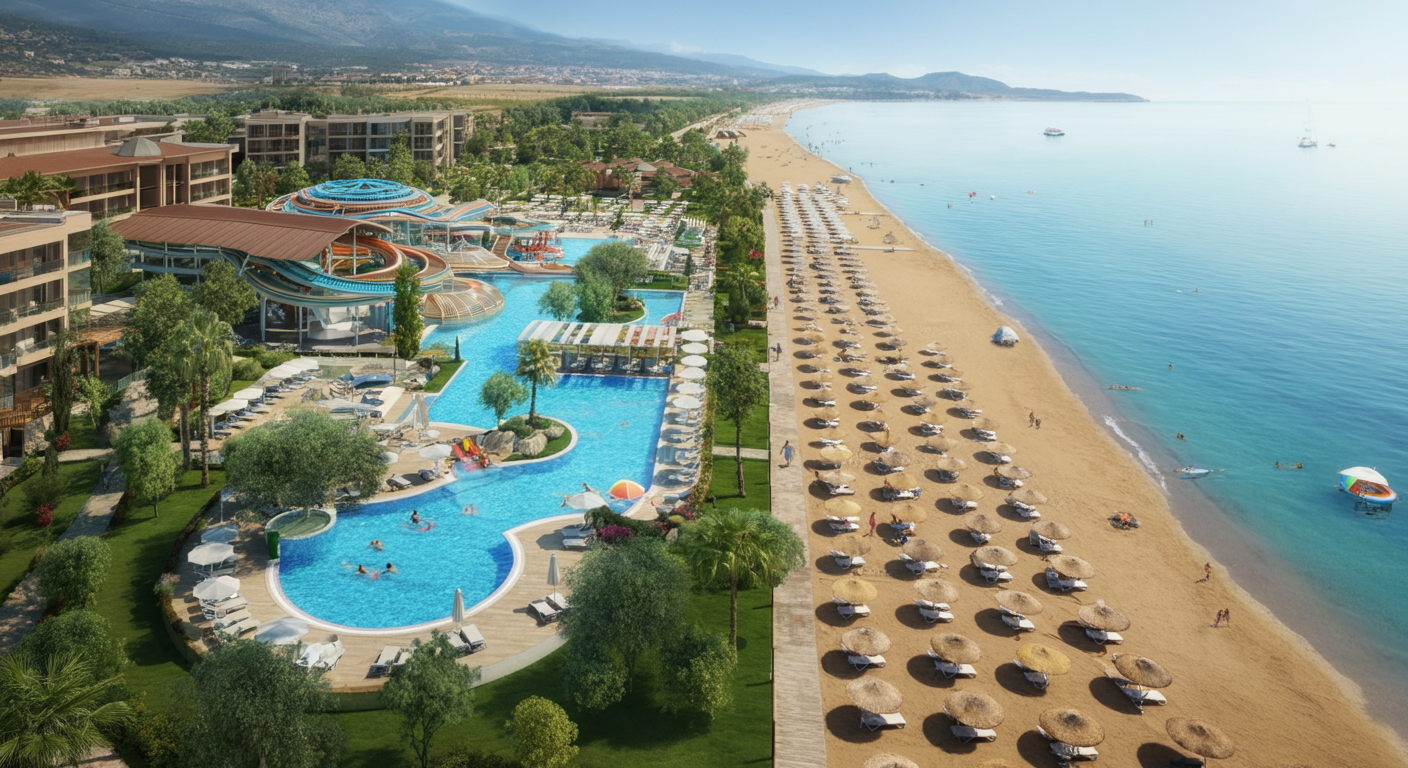
- Lara Beach (Antalya): Long sandy stretch; many sections have a gentle entry and lifeguard posts.
- Belek: Sandy with some small pebbles near the waterline; many jetties offer ladders straight into deeper water for older swimmers.
- Konyaaltı (Antalya city): Shingle/pebble; water deepens more quickly. Water shoes are very helpful.
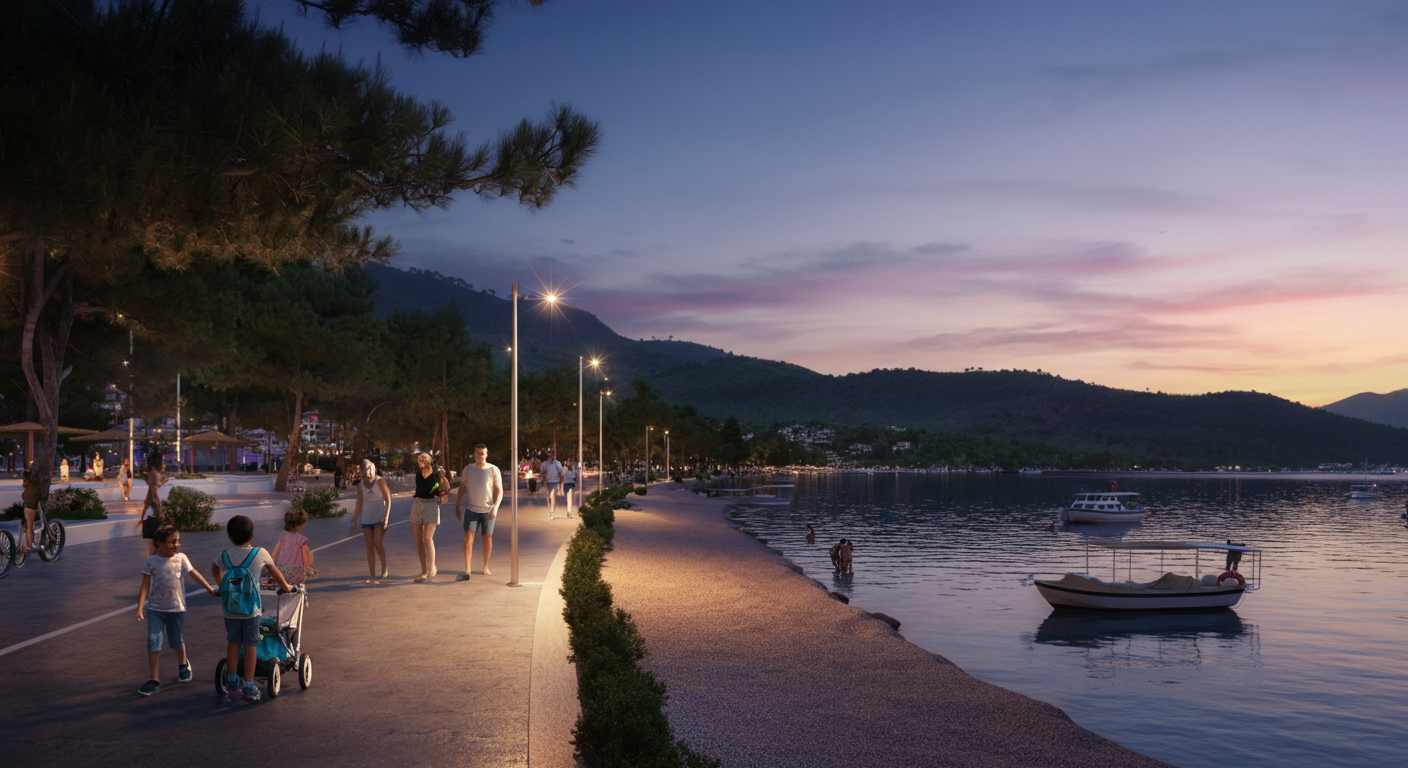
- Çalış Beach (Fethiye): Shingle with some sand, flat promenade for buggies, sunset views popular with families.
- Ölüdeniz Lagoon: Sheltered, calm water, good for less confident swimmers, though often busy in high summer.
- Bitez (Bodrum peninsula): Sheltered bay with generally shallow water for a fair distance; restaurants and cafés line the seafront path.
UK‑friendly tip: Buy local water shoes (deniz ayakkabısı) from stalls along Konyaaltı Beach Road, Fethiye’s Çarşı Caddesi or Bodrum harbour; they make pebble entries much easier for children.
Managing Heat
- Peak hours: In July–August, avoid strong midday sun (roughly 12:00–15:00) with indoor rest or shaded activities, especially in Antalya and Bodrum.
- Sun cream: High‑SPF children’s lotion from home if your child has sensitive skin; local brands are widely sold but vary.
- Cover‑ups: UV swim tops and hats are more reliable than repeated cream on very active children.
6. Getting Around: Dolmuş, Buses & Simple Family Trips
Even on an all‑inclusive stay, short, low‑effort outings often keep children interested.
Dolmuş & Buses (Local Insights)
- Bodrum: Dolmuş from the main station near Neyzen Tevfik Caddesi head to Gumbet, Bitez and Turgutreis roughly every 10–20 minutes in season.
- Antalya: Bus KL08 links the city centre by Atatürk Caddesi with Konyaaltı Beach; you use an AntalyaKart travel card from kiosks near tram stops.
- Marmaris–Içmeler: Dolmuş run along the main coastal road and can be flagged down near hotels; they are a straightforward way to split time between the two bays.
Short local journeys on dolmuş or buses typically cost the equivalent of around £0.50–£1.50 per person, but check current prices locally as they change with exchange rates and fuel costs.
Easy Family Day Ideas
- Antalya Old Town (Kaleiçi): Cobbled streets around Atatürk Caddesi, Hadrian’s Gate and the marina. Use a baby carrier rather than a pram on steeper alleys.
- Fethiye Harbour & Çalış Boat: Stroll the flat harbourfront, then take the small passenger boats running between Fethiye and Çalış Beach in season.
- Bodrum Marina: Flat walking near the castle and marina along Dr. Alim Bey Caddesi, with plenty of cafés for drinks and snacks.
For more inspiration, see best day trips in Turkey with children.
7. Budgeting: Realistic Extras for an All‑Inclusive Week
All‑inclusive keeps food costs predictable but you still need a buffer for extras.
Indicative Daily Spend (Family of Four)
Figures below are broad ranges for planning; always check the latest exchange rates.
- Snacks & ice‑creams outside resort: Around £5–£10 per day if you buy extra lollies, pastries or gözleme along promenades like Marmaris seafront or Konyaaltı Beach Road.
- Drinks & coffee on trips: Typically £1–£3 per soft drink or coffee equivalent in resort cafés.
- Local transport: Buses/dolmuş often add up to £5–£10 per day for a family doing short hops.
- Simple boat or jeep trips: Family‑friendly tours from Fethiye, Marmaris or Bodrum usually cost several tens of pounds per adult; check current prices with local providers or trusted UK agents.
- Toys & inflatables: Buckets, spades and inflatables from stalls on streets like Fethiye’s Çarşı Caddesi or Bodrum harbour can easily add £20–£40 over a week.
Many UK families on a mostly pool‑based week find that a budget in the region of £300–£600 equivalent covers seven days of extras for four people, depending on how many organised trips they book.
Travel Documents & Entry
- Passports: Aim for at least 6 months’ validity beyond your return date and one blank page.
- Visa rules: These can change; always check official Turkish government and UK Foreign Office guidance before you travel.
- Insurance: Full family travel insurance including medical care and cancellations is strongly advisable.
8. Health, Safety & Everyday Practicalities
The goal is to be prepared, not worried.
Health Basics
- First‑aid kit: Children’s paracetamol/ibuprofen, plasters, antiseptic cream, after‑sun and oral rehydration sachets.
- Pharmacies (eczane): Easy to find on main streets in resort towns, for example Antalya’s Şarampol Caddesi, Bodrum’s Atatürk Caddesi and Marmaris seafront roads.
- Water: Many families use bottled water for drinking and brushing teeth, especially with younger children.
General Awareness
- Pool rules: Read depth markings and rule boards near the main pool on day one – they usually show slide times and lifeguard hours.
- Beach flags: Observe local flag systems where used and avoid swimming during red flag days.
- Roads & scooters: On busier streets such as Antalya’s İsmet Gökşen Caddesi or around Marmaris marina, hold children’s hands close to the kerb and watch for scooters on side roads.
9. One‑Page Non‑Negotiable Checklist (Save This)
- Region & transfer under 1 hour if possible with under‑5s.
- Room layout: Separate space for children, good air‑conditioning, blackout curtains, safe balcony.
- Kids’ pools: Shallow section, shade, and lifeguard cover during slide times.
- Food: Daily kids’ options plus fruit and yoghurt; visible hygiene at buffets.
- Kids’ club: Age groups, English‑speaking staff, sign‑in/out, shaded outdoor area.
- Shade & sun: Enough parasols; plan indoor or shaded time 12:00–15:00 in high summer.
- Location: Pavements, nearby eczane, not directly above late‑night bar streets.
- Budget: Extra £40–£80 per day for a family of four for snacks, transport and small trips.
- Documents: Passports, insurance and up‑to‑date visa/entry information for UK citizens.
- Local transport: Learn at least one simple route, such as Antalya KL08 or Bodrum dolmuş from Neyzen Tevfik Caddesi, before you go.
For a printable version, see all-inclusive Turkey family checklist.
FAQ
When is the easiest time of year for UK families to visit Turkey?
Many UK families favour May, early June and late September. It is usually warm enough for pools and beaches, but daytime heat and crowds are often more manageable than in late July and August.
Are Turkish all‑inclusive resorts suitable for fussy eaters?
Often yes. Buffets typically offer plain pasta, rice, chips, grilled chicken, bread, fruit and yoghurt every day. Children with severe allergies still need careful planning and direct communication with kitchen staff.
Can I buy nappies and baby supplies easily?
In major resort areas such as Antalya, Belek, Lara Beach, Marmaris, Fethiye and Bodrum, nappies, wipes and baby toiletries are usually available in supermarkets and eczane. International brands may cost more than in the UK, so many parents pack enough for at least the first few days.
How much spending money should we take if we are all‑inclusive?
For a mostly resort‑based week, many UK families find that £300–£600 equivalent for a family of four covers local transport, extra snacks and drinks, a few toys and one or two simple excursions, depending on how active you are.
Content available in English only.

Melis Yıldız
Editör"Modern konfor ve estetik detaylara önem veren Melis, lüks oteller ve tasarım butik konaklamalar üzerine uzmanlaşmıştır."
Hakkında Rehberler
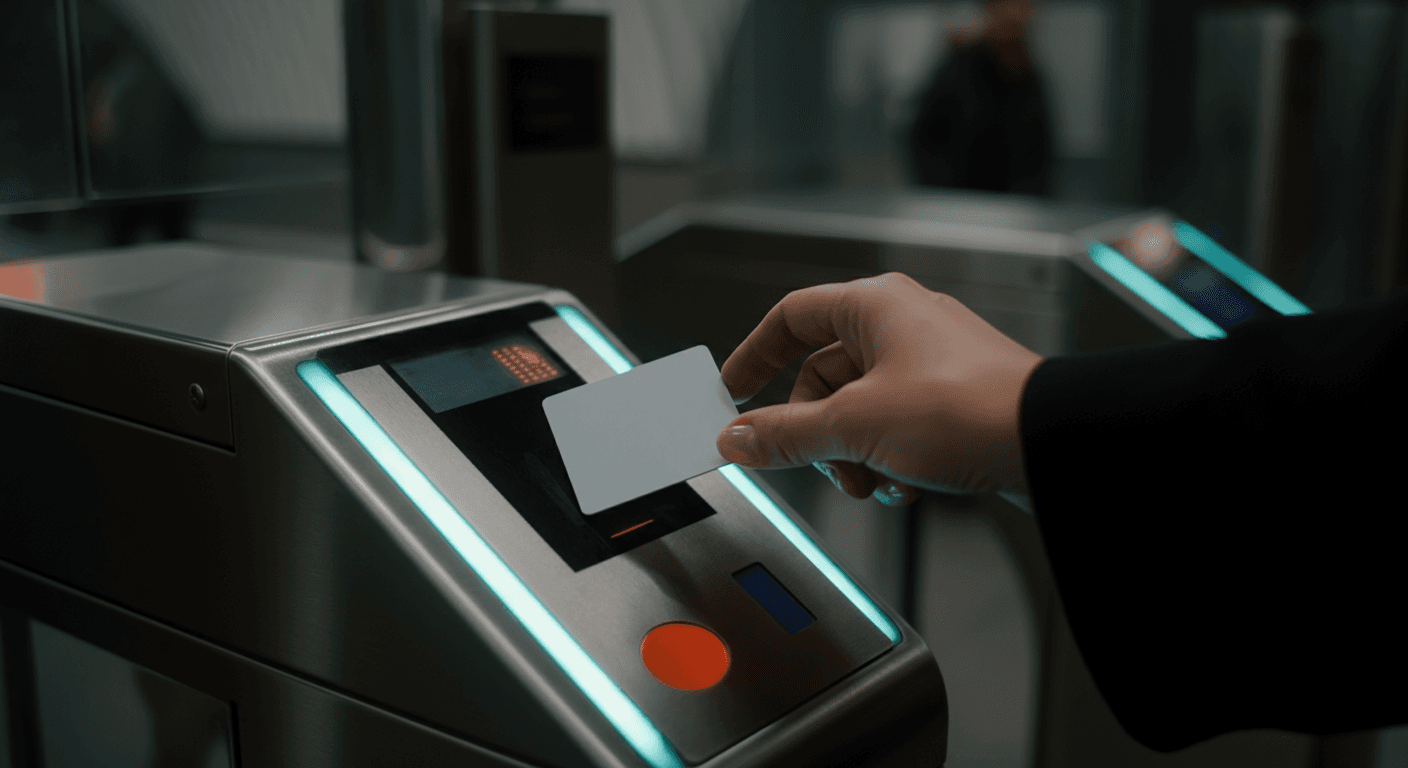
İstanbul’da Ulaşım Rehberi: İstanbulkart, Metro/Tramvay/Feribot Mantığı (Kafası Karışanlara)
İstanbul'da ulaşım karmaşasına son verin! İstanbulkart, metro, tramvay, otobüs ve feribot gibi toplu taşıma ağlarını kolayca anlayın.
İstanbul’da En İyi Fotoğraf/İçerik Rotası: 1 Günde Viral Kareler (Işık Saatleri + Kalabalık Stratejisi)
İstanbul'un en viral fotoğraf noktalarını keşfedin! Boğaz, Galata ve Tarihi Yarımada'da 1 günde, ışık saatleri ve kalabalık stratejileriyle mükemmel kareler yakalayın.

İstanbul Bütçe Planlayıcı: Ekonomik/Dengeli/Rahat Mod (Fiyat Vermeden Harcama Mantığı)
İstanbul gezinizi bütçenize uygun planlayın! Ekonomik, dengeli veya rahat modlarla harcama mantığını keşfederek şehri doyasıya yaşayın.
İstanbul’da Çocukla Gezi: Bebek/Çocuk Checklists + Öğle Sıcağı/Yağmur Planı
İstanbul'da çocukla gezmek artık çok kolay! Bebek/çocuk kontrol listeleri ve öğle sıcağı/yağmur için özel İstanbul gezi planları bu rehberde.
İstanbul’da “Yürüyerek Gezilecek” Semtler: 2–3 Saatlik Mini Rotalar (Harita Mantığıyla)
İstanbul'un en güzel semtlerini yürüyerek keşfedin! Tarihi yarımada ve Boğaz çevresindeki 2-3 saatlik mini rotalarla şehri deneyimleyin.

İstanbul’da Camii Ziyareti Rehberi: Giyim, Saat, Fotoğraf Kuralları (Turist İçin Basit Anlatım)
İstanbul camilerini ziyaret edecek turistler için giyim, saat ve fotoğraf kuralları rehberi. Cami ziyaretinizden önce bilmeniz gereken tüm detayları basitçe öğrenin.

İstanbul’da Dolandırılmadan Değil, “Sürpriz Yaşamadan” Gezmek: Basit Kurallar (Taksi, Menü, Tur)
İstanbul'da taksi, menü ve tur sürprizleri yaşamadan güvenle gezmek için basit kuralları keşfedin. Dolandırılmadan keyifli bir İstanbul deneyimi için ipuçları burada.
İstanbul’da “Akşam Ne Yapılır?” Rehberi: Aile/Çift/Tek Kişi İçin Güvenli ve Keyifli Plan
İstanbul'da akşam ne yapılır? Aile, çift veya tek kişi için Boğaz turu, tarihi mekanlar ve güvenli eğlence seçenekleriyle dolu rehberimizi keşfedin.
İstanbul’da Yağmurlu Gün Planı: Kapalı Mekân Rotaları (Müze + Çarşı + Kafe Akışı)
İstanbul'da yağmurlu havalarda sıkılmayın! Müzeler, tarihi çarşılar ve şirin kafelerle dolu kapalı mekan rotalarıyla keyifli bir gün geçirin.
İstanbul’da Gün Batımı Noktaları: Kalabalıksız Saatler + En İyi “Sunset Walk” Rotaları
İstanbul'da kalabalıktan uzak gün batımı noktaları ve Boğaz'da eşsiz sunset walk rotalarıyla şehrin büyüsüne kapılın.
İstanbul’da 1 Günde 2 Kıta: Avrupa → Anadolu Rotası (Saat Saat + Yürüme Seviyesi)
İstanbul'da bir günde Avrupa'dan Anadolu'ya geçiş rotasını keşfedin! Saat saat planlanmış bu eşsiz gezi rehberiyle iki kıtayı yürüme seviyenize göre deneyimleyin.

Sabiha Gökçen’den Şehre En Kolay Ulaşım: Seçenekler ve Hangi Saatte Hangisi Mantıklı?
Sabiha Gökçen (SAW) havalimanından İstanbul şehir merkezine en kolay ulaşım (metro, Havabüs, taksi) seçeneklerini ve saatinize göre en mantıklı yolu keşfedin.

İstanbul Havalimanı (IST) Transfer Seçimi: Taksi mi Metro mu Özel Transfer mi? (Gece Varışı Planı)
İstanbul Havalimanı (IST) gece varışı için taksi, metro veya özel transfer mi? İstanbul'a en hızlı ve konforlu ulaşım seçeneğini keşfedin.

İstanbul’da Ulaşım Rehberi: İstanbulkart, Metro/Tramvay/Feribot Mantığı (Kafası Karışanlara)
İstanbul'da ulaşımı çözün! Turistler için İstanbulkart nasıl alınır, T1 Tramvay, M2 Metro ve vapur kullanımı, taksi tuzaklarından korunma rehberi.

İstanbul’a İlk Kez Gelenler: 3–5–7 Günlük Hazır Rota (Yormayan Plan + Esnek Günler)
İstanbul'u yorulmadan ve kaybolmadan gezmek isteyenler için saat saat planlanmış, en verimli 3 günlük, 5 günlük ve 7 günlük hazır turistik gezi rotası.

İstanbul’da Nerede Kalınır? Bölge Bölge Base Seçim Rehberi (İlk Kez Gelenler İçin)
İstanbul'da ilk kez nerede kalınır? Sultanahmet, Karaköy, Taksim, Beşiktaş ve Kadıköy bölgelerinin detaylı, artı-eksi analizli, ulaşım odaklı konaklama rehberi.

Fethiye İçerik ve Instagram Fotoğraf Rotası: En İyi Çekim Noktaları Haritası
Fethiye'nin en iyi Instagram fotoğrafı nerede çekilir? Kelebekler vadisi seyir zirvesi, Babadağ sonsuzluk terası ve SEO odaklı şemsiyeli sokak ışık rehberi.
Fethiye Bütçe Planlayıcı: Tam Fiyat ve Maliyet Kalemleri Analizi
Fethiye ne kadar pahalı? 2024 ve 2025 yemek fiyatları, Dolmuş ücreti, Tekne turu ve ucuz villa otel maliyetleri hakkındaki en eksiksiz SEO tatil bütçe hesaplayıcısı.
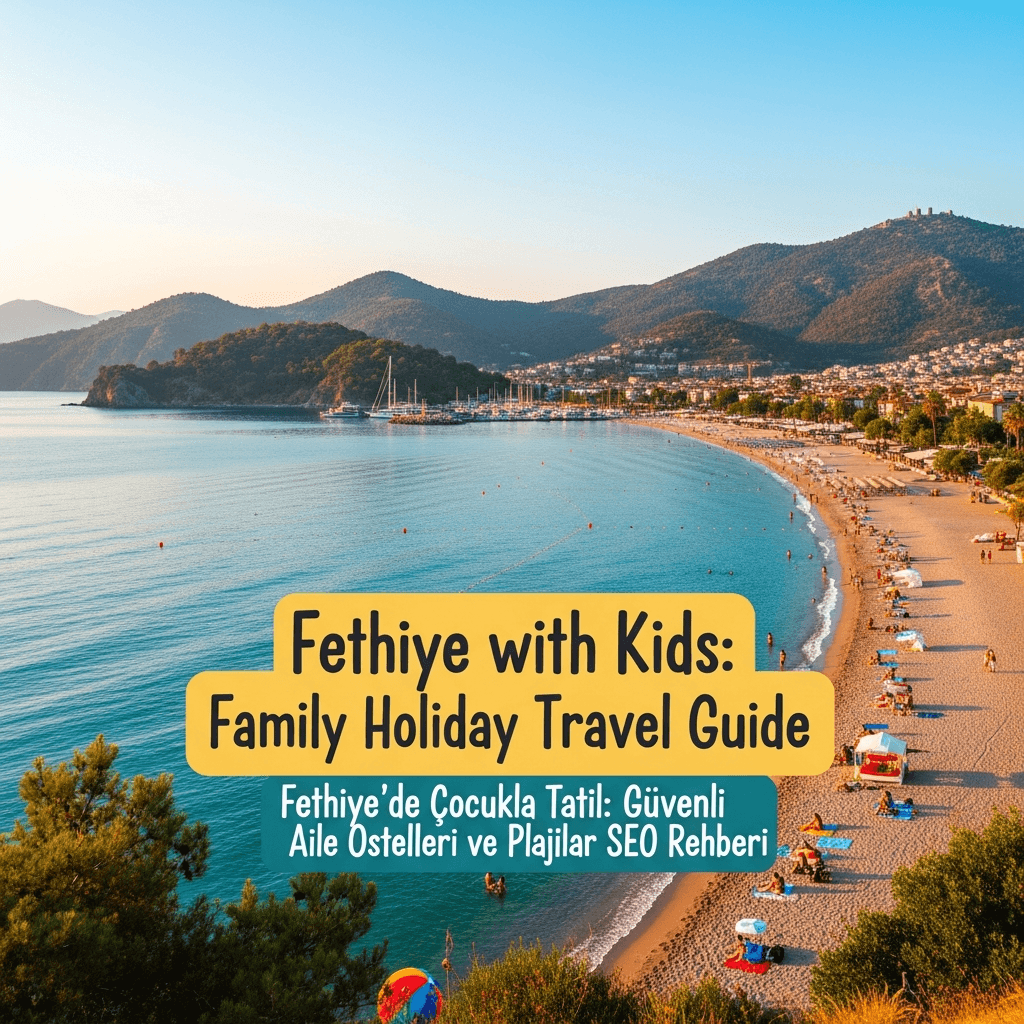
Fethiye’de Çocukla Tatil: Güvenli Aile Otelleri ve Plajlar SEO Rehberi
Fethiye çocukla tatile gidilir mi? Bebekli ve küçük çocuklu aileler için sığ Ölüdeniz kumsalları, puset dostu Çalış sahil otelleri ve SEO etkinlik rehberi.
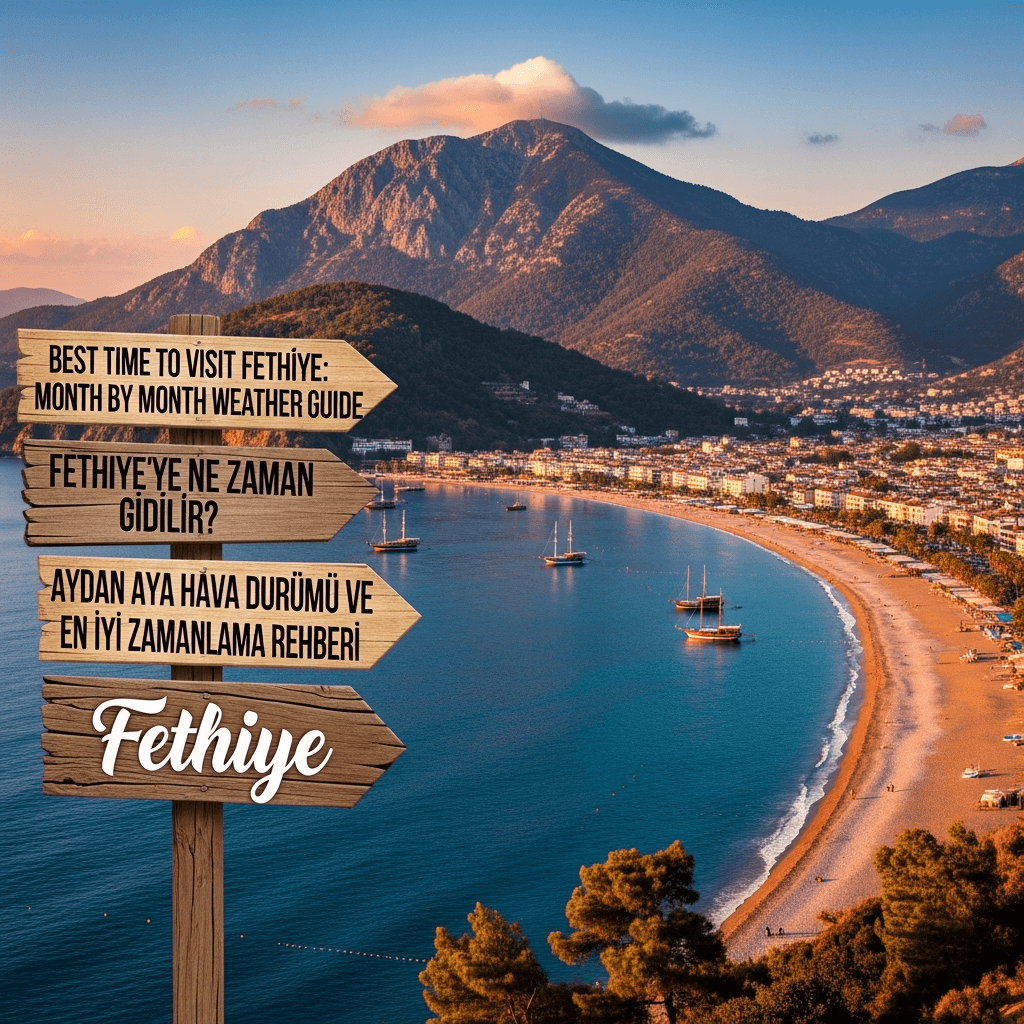
Fethiye'ye Ne Zaman Gidilir? Aydan Aya Hava Durumu ve En İyi Zamanlama Rehberi
Fethiye tatili için en iyi aylar. Yaz sıcaklıkları, Eylül Ekim sonbahar sükuneti ve İlkbahar deniz suyu sıcaklıkları Fethiye SEO iklim ve bavul rehberi.
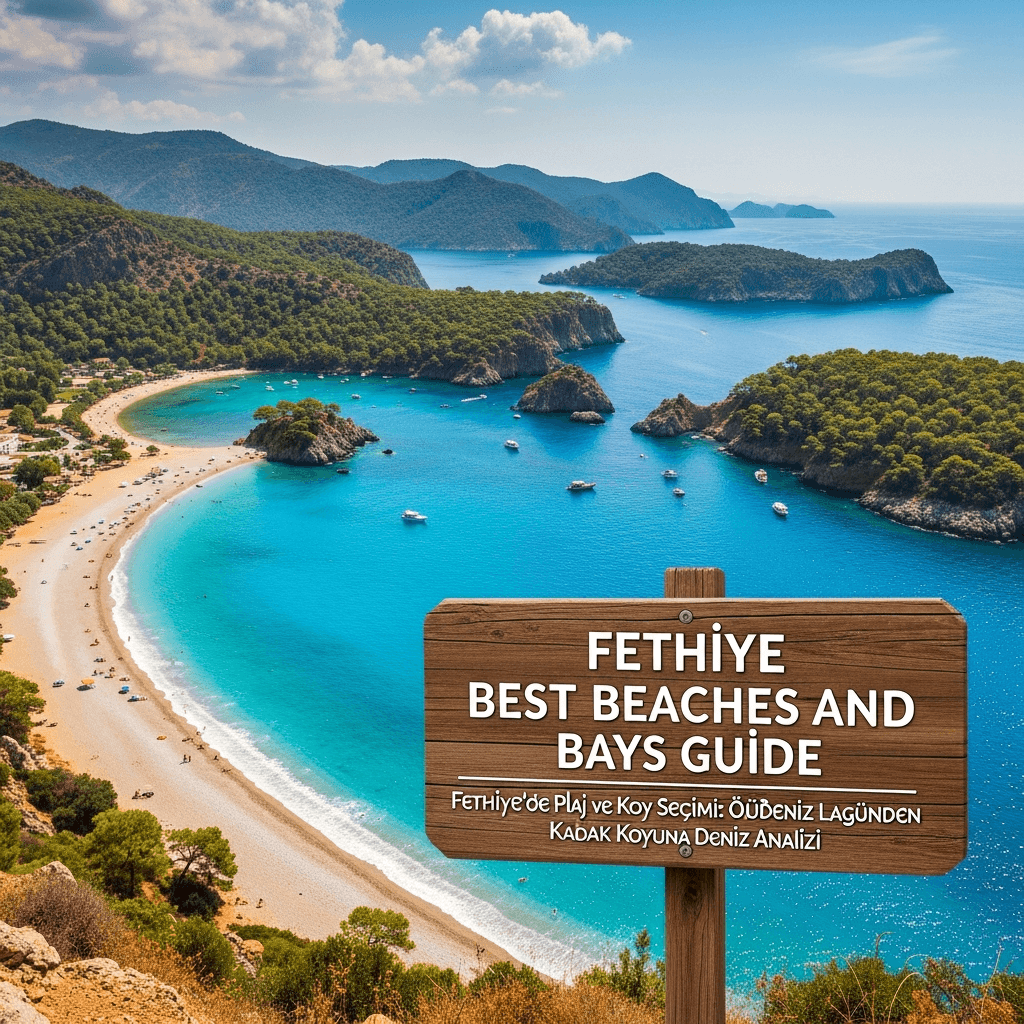
Fethiye'de Plaj ve Koy Seçimi: Ölüdeniz Lagünden Kabak Koyuna Deniz Analizi
Fethiye ve Ölüdeniz'in en iyi plajları nasıl seçilir? Mavi lagün, Belcekız, Çalış kumsalı ve Kıdrak/Kabak koylarında yüzme, dalga ve SEO çocuk uygunluk rehberi.
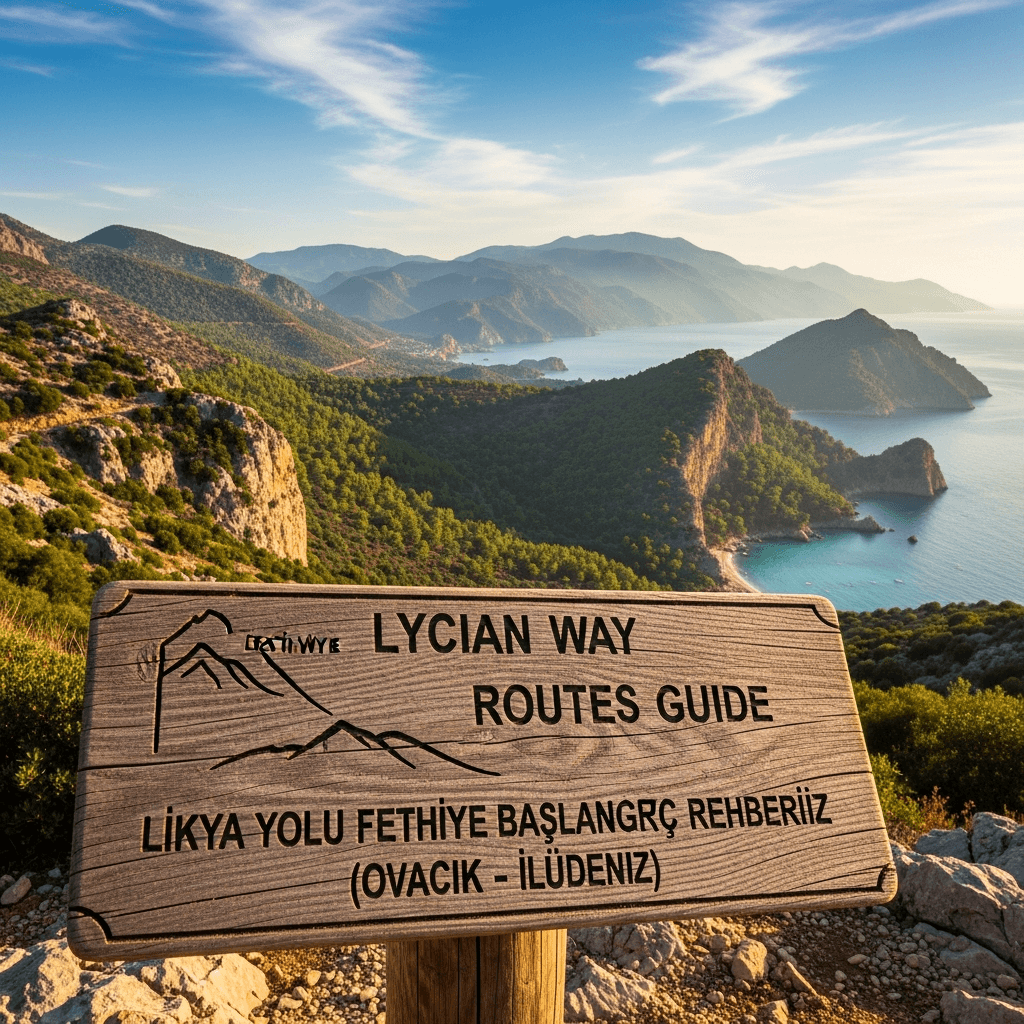
Likya Yolu Fethiye Başlangıç Parkuru Rehberi (Ovacık - Ölüdeniz)
Fethiye'den başlayan Likya yolu etapları (Ovacık, Faralya, Kayaköy). Günübirlik yürüyüş rotaları, sarı çizgi işaretleri ve dev ekipman tablolu SEO doğa rehberi.
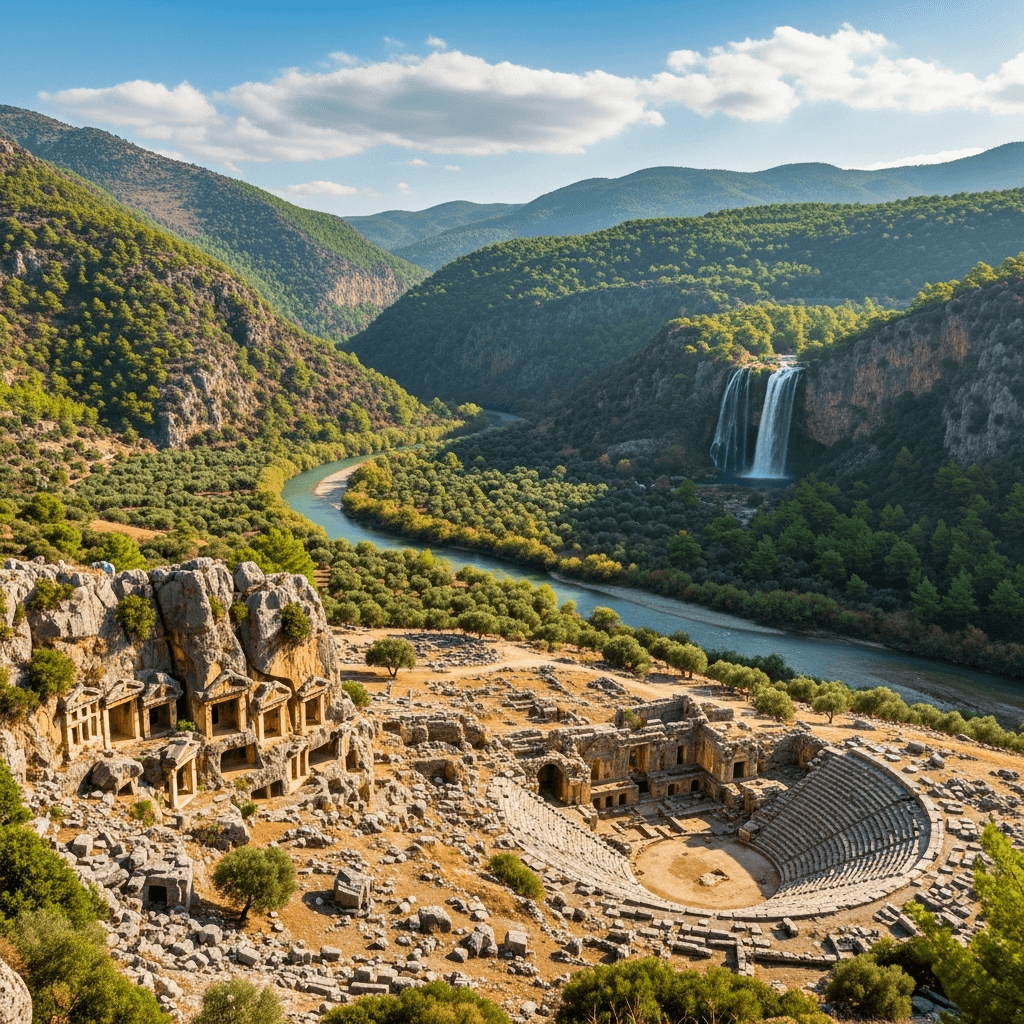
Fethiye Tlos Antik Kenti ve Yakapark Şelalesi: Saklıkent Kombinasyonu
Fethiye'de bir gün: Sabah Tlos antik kenti ve kaya mezarları gezisi, öğlen Yakapark şelalesi alabalık molası ve akşamüstü Gizlikent kanyonu. Tam gün eşsiz SEO rehberi.
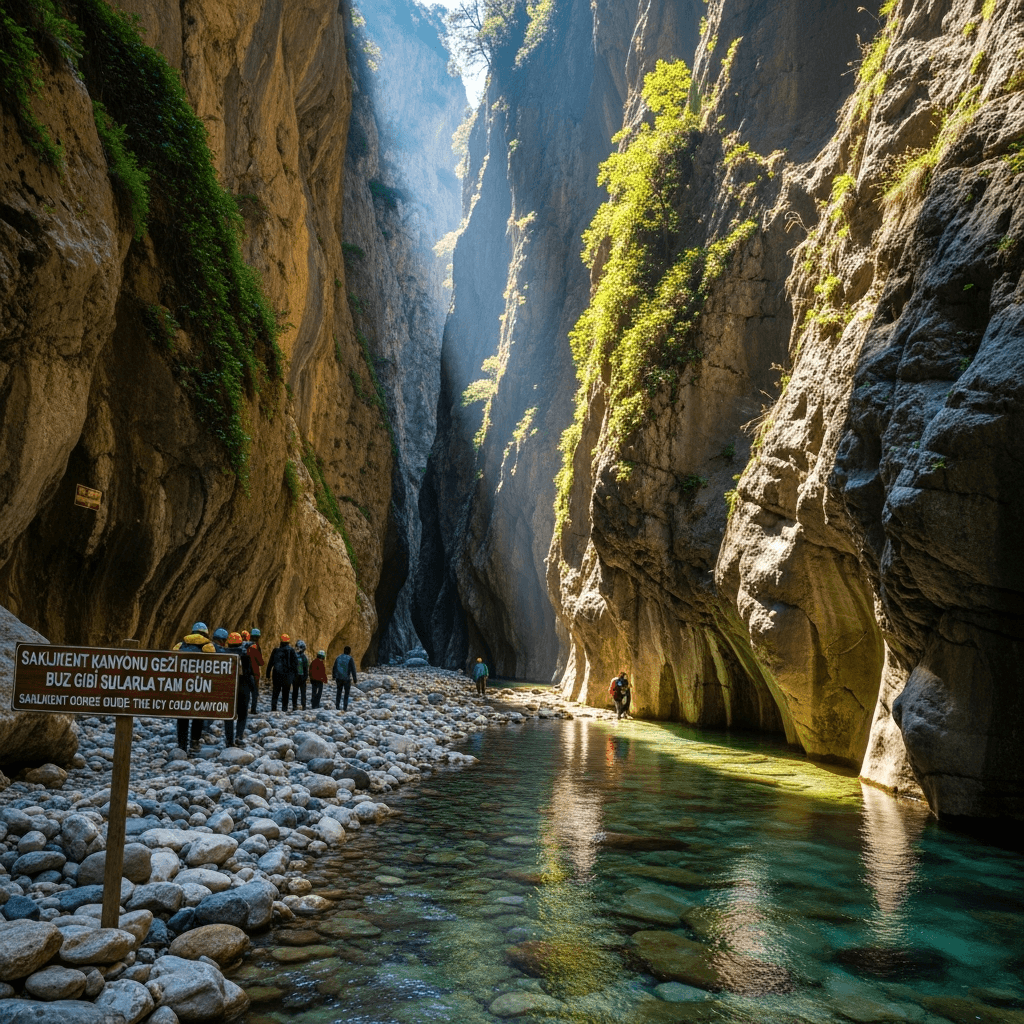
Saklıkent Kanyonu Gezi Rehberi: Buz Gibi Sularla Tam Gün
Fethiye Saklıkent kanyonu giriş ve gezi rehberi. Nehir yürüyüşü, çamur banyosu ve restoran fiyatları. Gizlikent mi Saklıkent mi kıyaslaması.
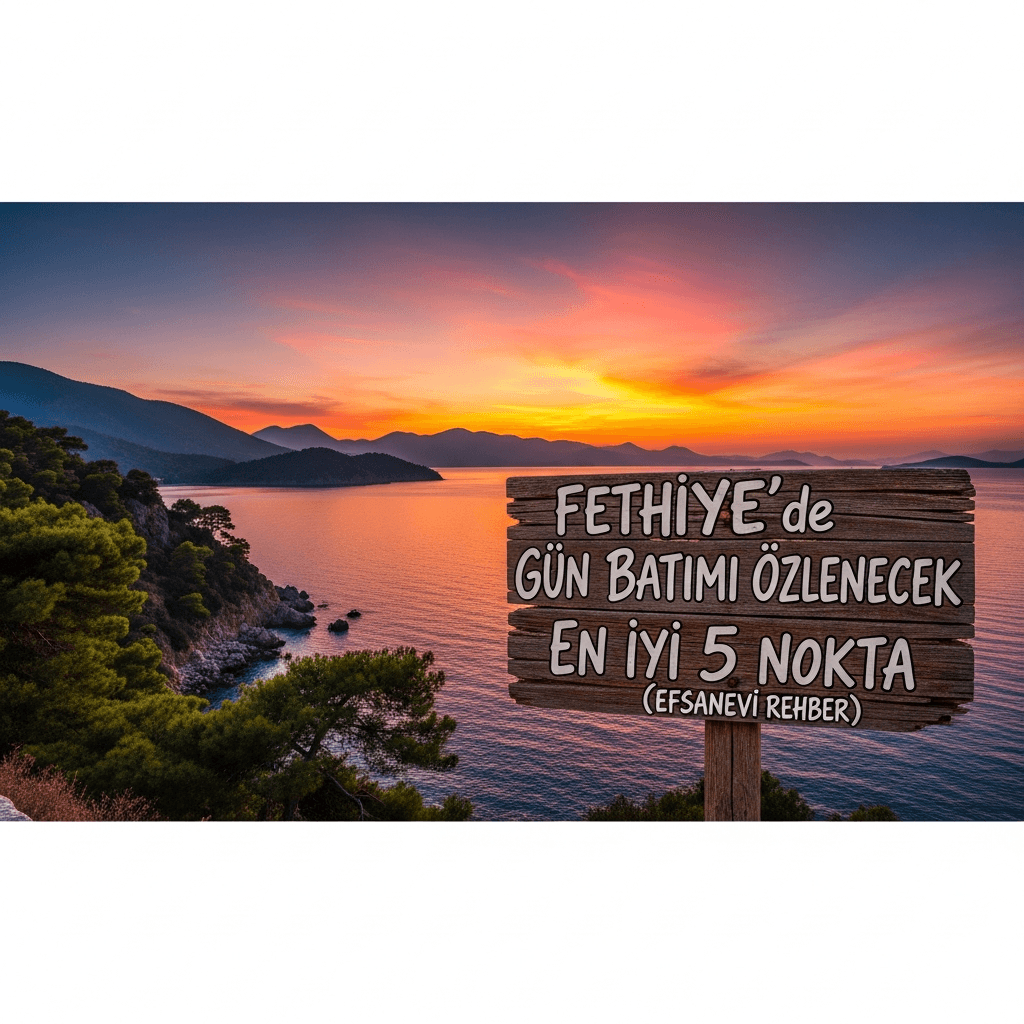
Fethiye'de Gün Batımı İzlenecek En İyi 5 Nokta (Efsanevi Rehber)
Fethiye'de gün batımı nerede izlenir? Çalış plajı, Babadağ 1700m seyir terası, Şövalye adası ve Gemiler koyu için tablolu tam SEO akşamüstü romantik rehberi.
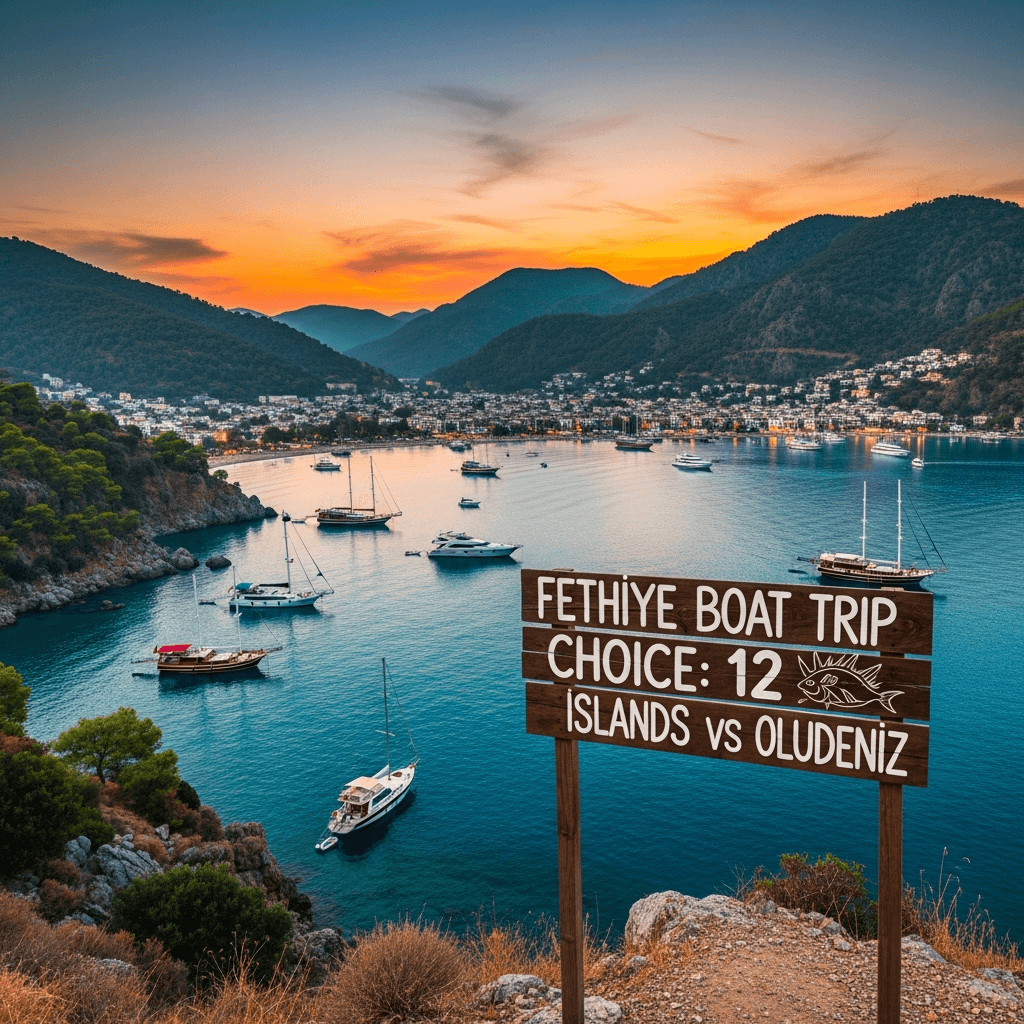
Fethiye Tekne Turu Seçme Rehberi: 12 Adalar Mı Ölüdeniz mi?
Fethiye tatilinde 12 Adalar tekne turu ile Ölüdeniz Kelebekler vadisi turu arasındaki farklar. Hangi gemi size uygun? Kıyaslama tabloları ve deniz tutması önlemleri.
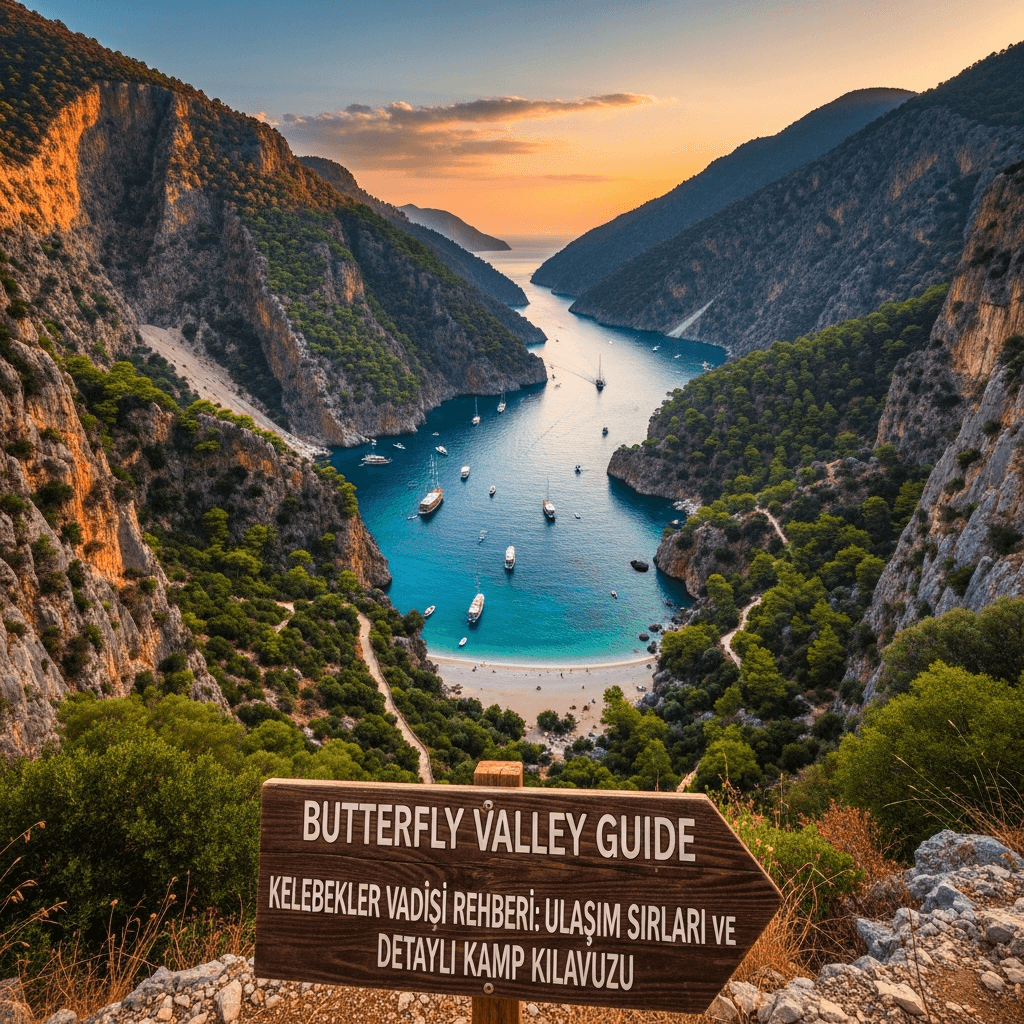
Kelebekler Vadisi Rehberi: Ulaşım Sırları ve Detaylı Kamp Kılavuzu
Fethiye Kelebekler Vadisine nasıl gidilir? Tekne ile mi karadan mı? Kamp ve şelale yürüyüşü için tablo ve maddelerle tam SEO uyumlu dev gezi planı rehberi.
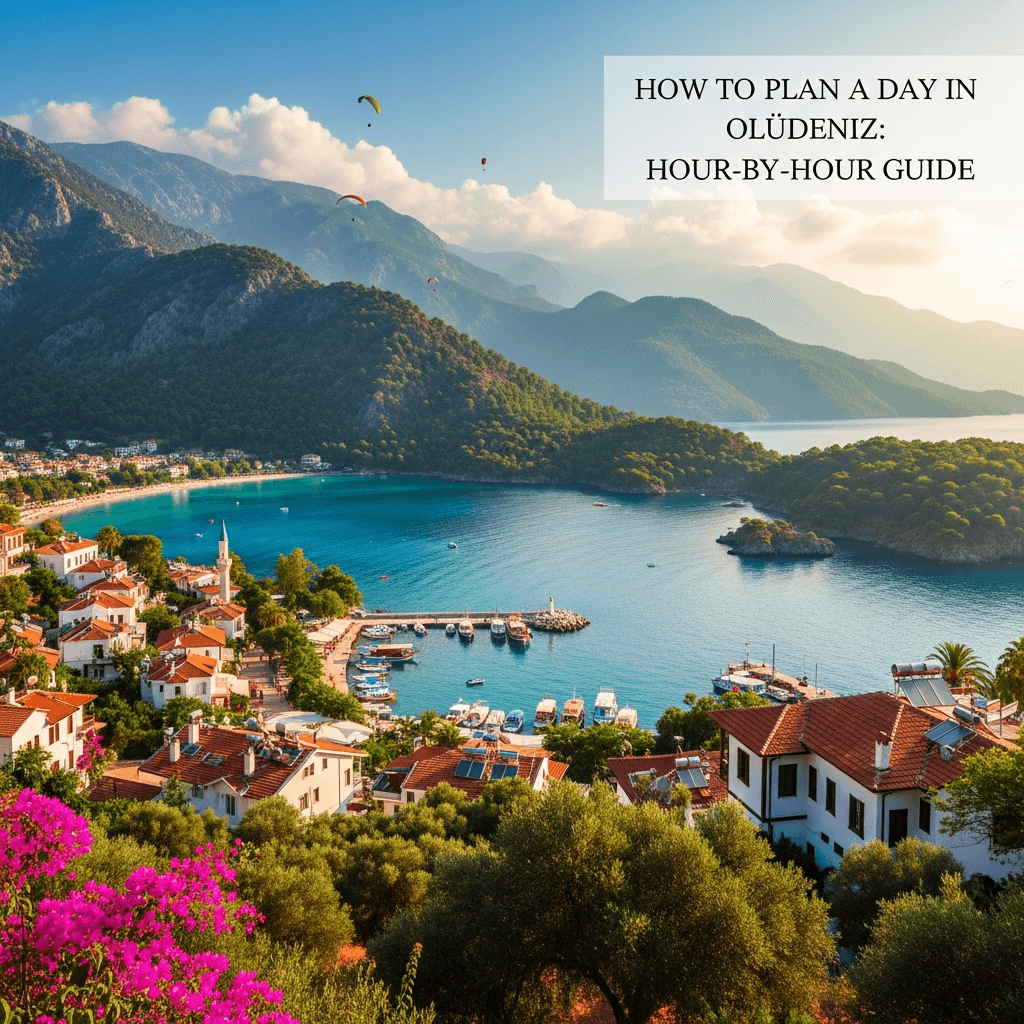
Ölüdeniz Günü Nasıl Planlanır? Kusursuz Bir Gün İçin Saat Saat Akış
Ölüdeniz, Kumburnu lagünü, Belcekız plajı ve Babadağ teleferik turu için tablo ve maddelerle tam SEO uyumlu saat saat gezi planı ve tatil rehberi.
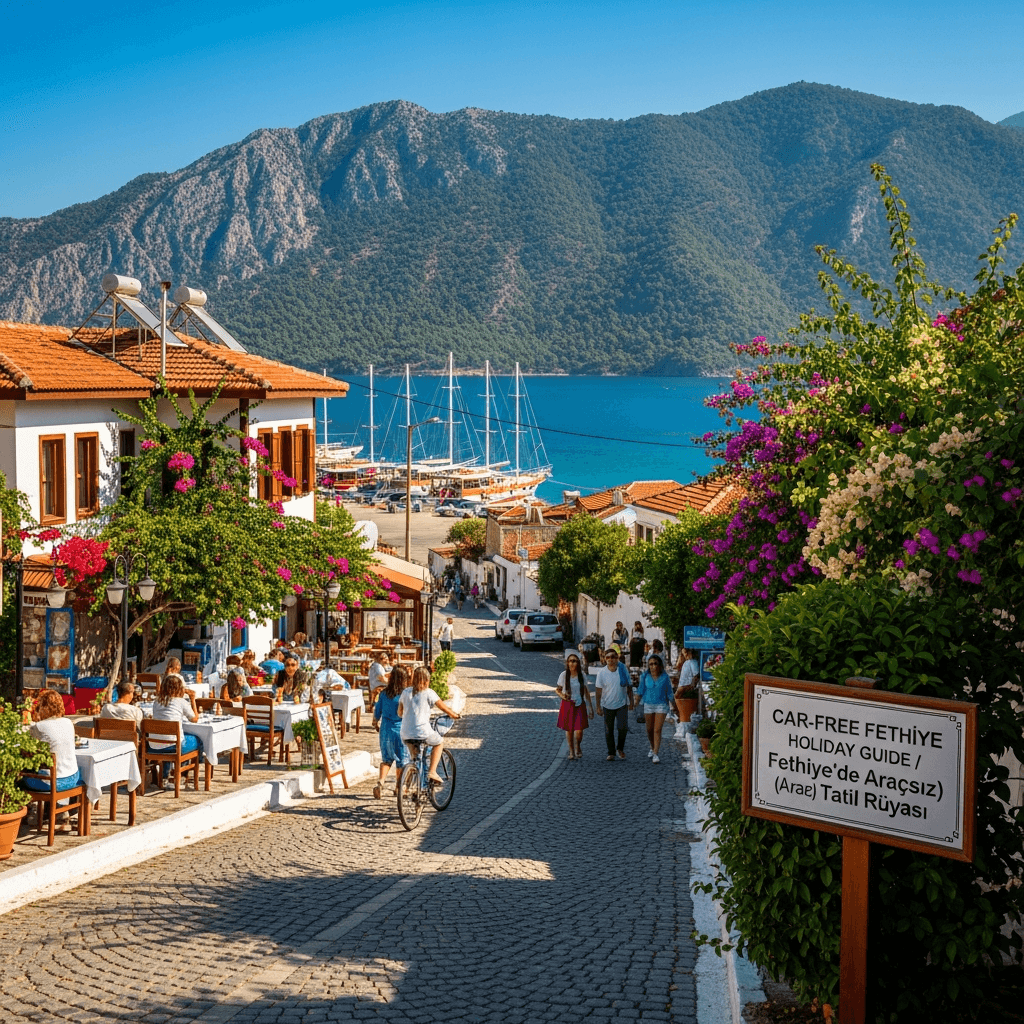
Fethiye’de Araçsız (Arabasız) Tatil Rüyası: Özgürlük, Rahatlık ve Konforun Formülü
Fethiye'de araba kiralamadan harika bir tatil yapmak mümkün. Dolmuşlar, su taksileri ve yürüyüş yollarıyla eşsiz rotalara ulaşım rehberi.
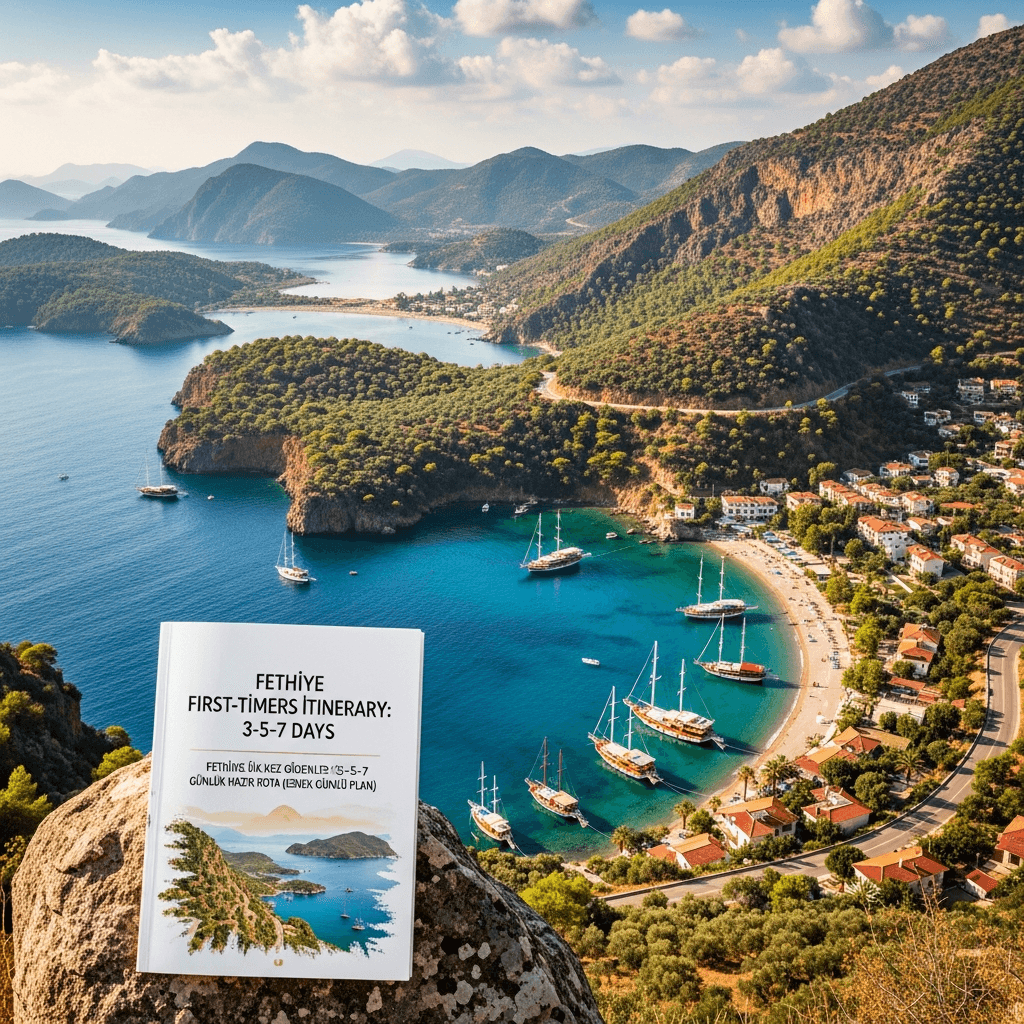
Fethiye İlk Kez Gidenler İçin: 3–5–7 Günlük Hazır Rota (Esnek Günlü Plan)
Fethiye'ye ilk defa gidenler için özenle hazırlanmış tam kapsamlı 3, 5 ve 7 günlük mükemmel tatil rotası. Ölüdeniz, Kelebekler, Saklıkent.
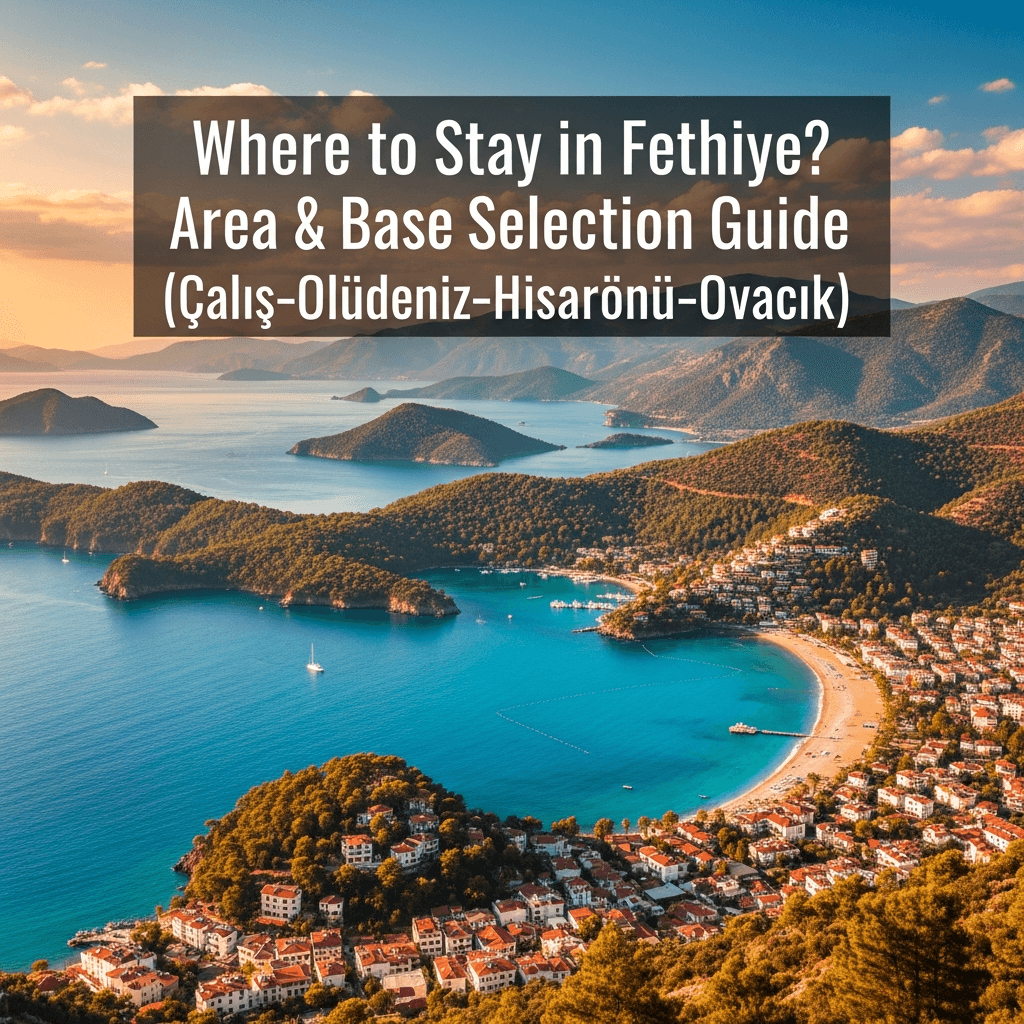
Fethiye’de Nerede Kalınır? Bölge Bölge Base Seçim Rehberi (Çalış–Ölüdeniz–Hisarönü–Ovacık)
Fethiye tatilinde doğru bölgeyi seçmenin püf noktaları. Çalış plajı, Ölüdeniz, Hisarönü, Ovacık ve Merkez detaylı analiz. Kapsamlı tatil rehberi.
Bu rehber işinize yaradı mı?
bölgesindeki daha fazla gizli cenneti keşfetmek için diğer rehberlerimize göz atın.
Tüm Rehberleri Keşfet